
Cozy and Colourful Sunroom Designs: Light, Seating, and Soft Colour
Ideas for sunrooms that feel lived-in—glare control, layered textiles, colourful accents, furniture scale, and plants—paired with a gallery of bright glazed rooms.

A sunroom earns its name when daylight does most of the decorating. Glass, orientation, and a few honest furniture choices turn a leftover porch or side addition into the room you actually occupy on weekend mornings. Colour keeps that light from feeling clinical: cushions, rugs, painted frames, and plant life that can handle brightness.
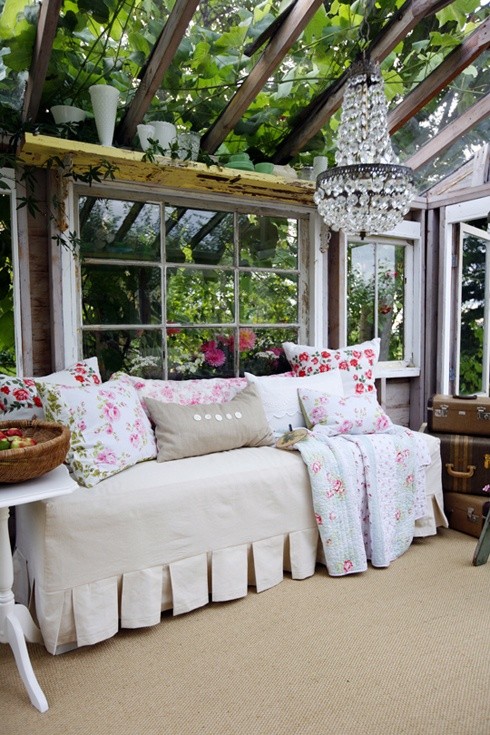
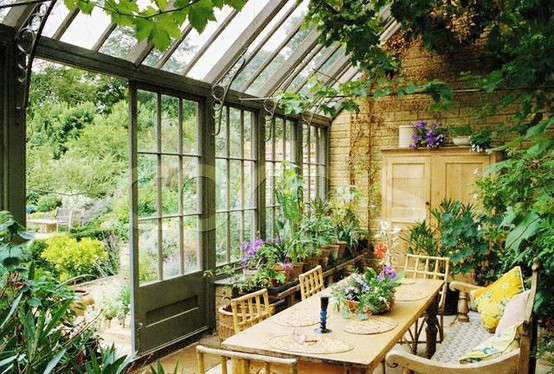
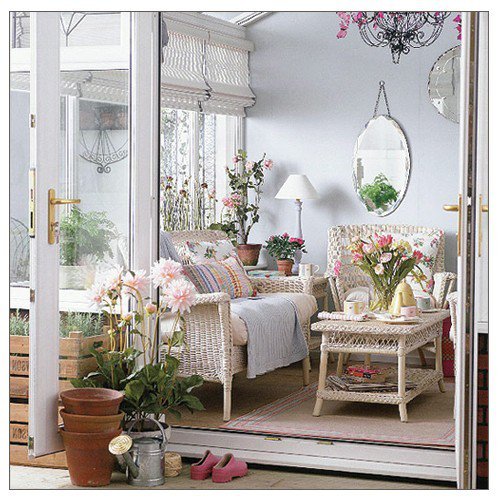
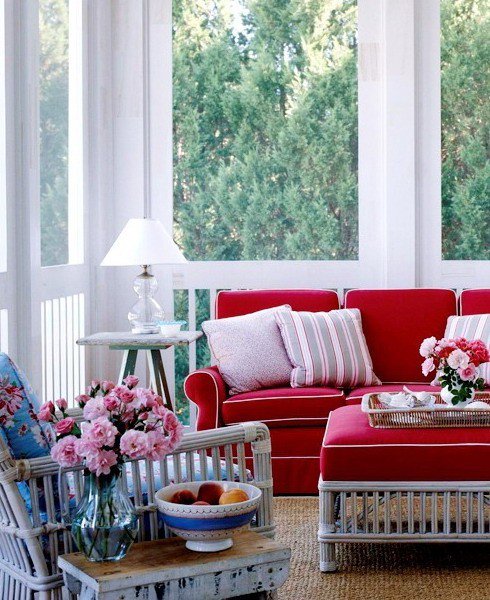
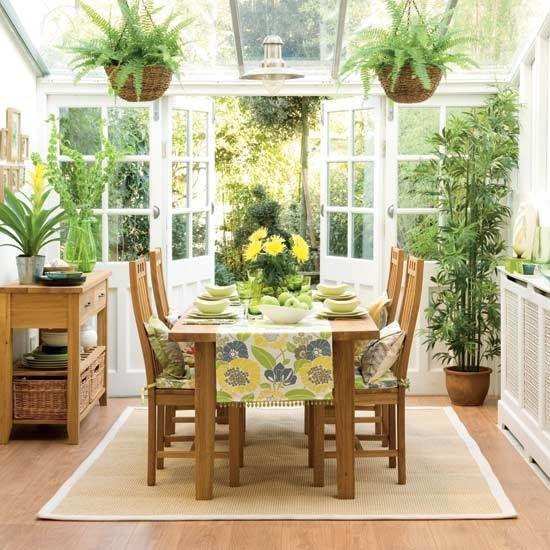
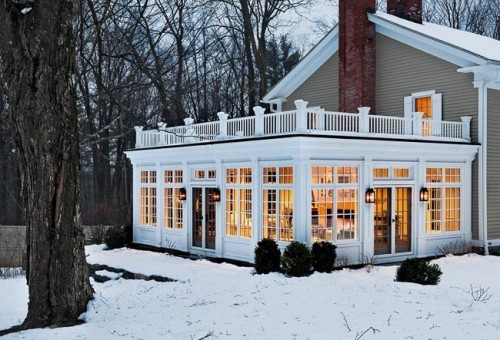
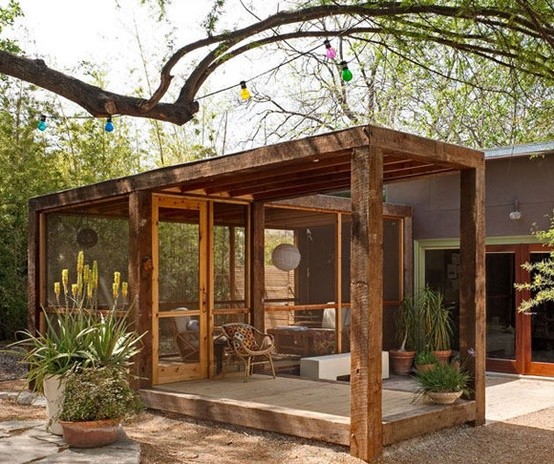
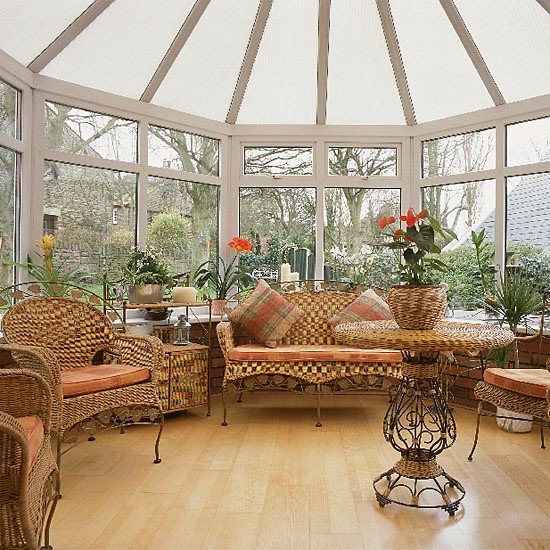
The rooms in this gallery are cozy, colourful sunroom ideas—layered seating, garden adjacency, and finishes that welcome sun without a constant glare fight. Use them as a working mood board whether you are furnishing a new addition, reclaiming a three-season porch, or trying to make an existing glazed corner feel like a real room instead of a passageway.
What makes a sunroom feel cozy instead of sparse
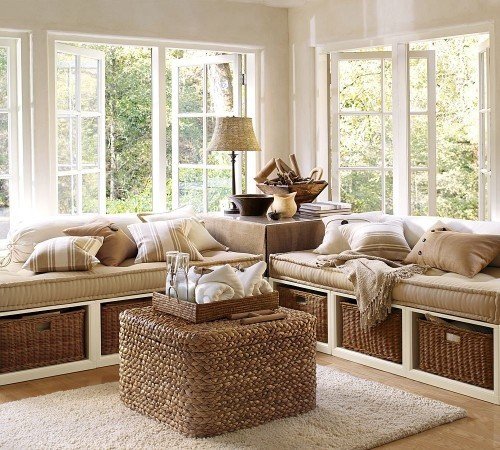
All-glass rooms can feel like waiting halls if the only soft thing is a lonely chair. Cozy sunrooms borrow living-room tactics: a rug that defines a conversation zone, a sofa or daybed deep enough to nap on, and side tables that hold a book and a drink without crowding circulation.
Colour helps scale. Soft greens, warm terracottas, citrus accents, or patterned textiles stop the architecture from reading as a pure white void. Even a mostly neutral shell can carry bold pillows and a single saturated ottoman. The goal is warmth in high light—not dark cave vibes that fight the room’s purpose.
Think in layers you can maintain: floor covering, seating upholstery, throw textiles, window treatments that filter rather than blackout, and plants at varying heights. When those layers agree on temperature (all warm, or a warm base with cool accents), the room photographs and lives as one composition. If every object shouts a different story, the glass will amplify the noise.
Orientation, glare, and everyday comfort
Before you fall for a fabric swatch, note which way the glass faces. East light is gentle for breakfast rooms; west light can be dramatic and hot in late afternoon; south exposures in many climates deliver long bright days that demand sheer curtains, shades, or exterior overhangs; north light stays cooler and more even, friendly to reading and plants that dislike scorch.
Glare on screens and tabletops is a furniture problem as much as a window problem. Angle sofas to avoid staring into the brightest pane. Choose matte tabletops over high gloss. Add a dimmable lamp for dusk so the sunroom does not die when the sun drops—cozy includes evening use, not only noon.
Floors matter under bare feet. Tile stays practical with plants and drinks; wood and quality vinyl feel warmer; layered rugs soften acoustics in glass boxes that otherwise echo. Leave a clear path along the glass if you like to open doors to a garden or patio; sunrooms that connect indoors to outdoors feel larger than their square footage. In colder months, a rug under the main seating cluster does more for comfort than another decorative object on a sideboard.
Colour strategies that survive real sunlight
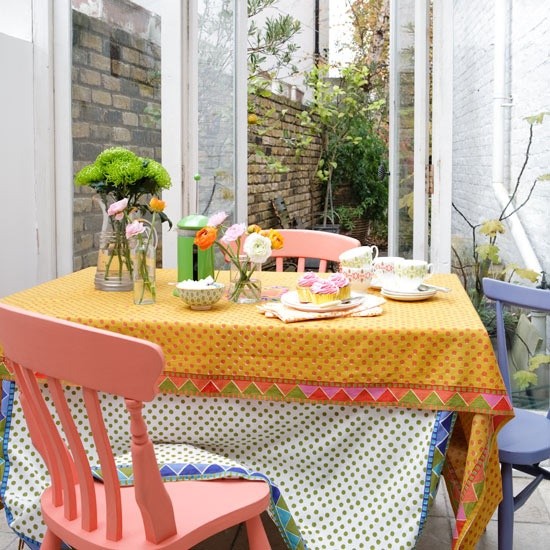
Sun fades fabrics. Choose performance textiles or accept that favourite pillows may rotate seasonally. Patterns with multiple colours hide wear better than large fields of pure white. Botanical prints, stripes, and geometric rugs can carry the “colourful” brief without requiring every wall to be painted bold.
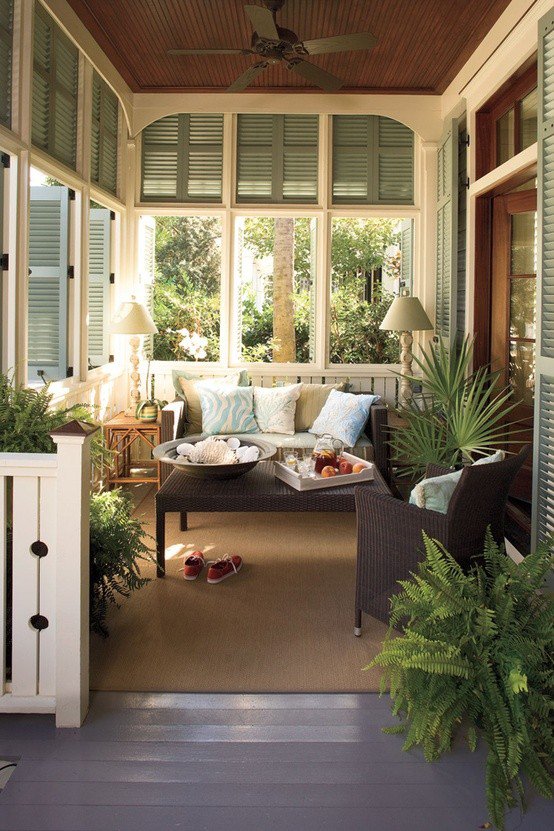
Painted woodwork—window mullions, built-in benches, door frames—offers durable colour that does not bleach like thin cotton. A soft blue-green frame against warm wood floors is a classic sunroom move. If you rent, concentrate colour in rugs, art that hangs away from direct UV, and slipcovered seating you can replace without a contractor.
Metal and rattan mixed carefully keep the room from feeling like a single showroom catalog. A painted metal side table beside a woven chair reads collected. Too many competing “natural” finishes turn busy; pick two main materials and repeat them. Let one strong textile pattern lead, and keep supporting pieces quieter so the eye has somewhere to rest between bursts of colour.
Furniture that belongs in glass rooms
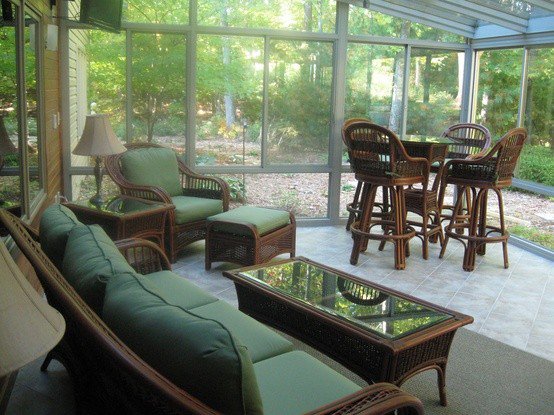
Scale down slightly. Oversized sectionals block light paths and make cleaning glass harder. A loveseat plus two chairs, or a daybed with a pair of stools, usually serves conversation and naps better. Leave breathing room at the perimeter so curtains can move and so the eye can travel to the garden.
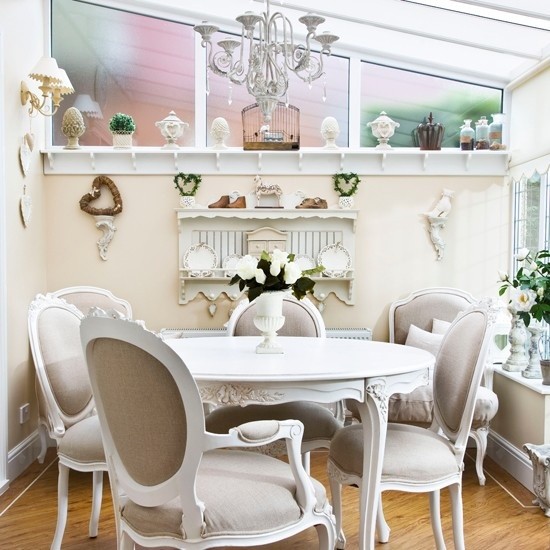
Built-in benches with storage beneath are sunroom heroes: seat cushions in washable covers, bins for throws, and a place for board games on rainy days. Round tables ease circulation in tight glazed polygons. If the room doubles as a dining spot, choose a table that can shrink or roll aside rather than a formal set that freezes the plan.
Outdoor-rated cushions on indoor frames are a pragmatic hybrid for doors that stay open. Just confirm fills that dry and fabrics rated for sun. A single indoor-only velvet chair can still star if it sits out of the harshest beam. Test walk-throughs with a tray in hand; if you cannot reach the door without turning sideways, the furniture is winning and the room is losing.
Plants, privacy, and the garden edge
Plants are not optional decoration in most successful sunrooms; they are part of the climate story. Group pots at different heights, use saucers, and match species to your actual light—not to a magazine caption. A tall leafy plant can soften a hard corner; a trail of greenery can filter a view toward a neighbour without heavy drapery.
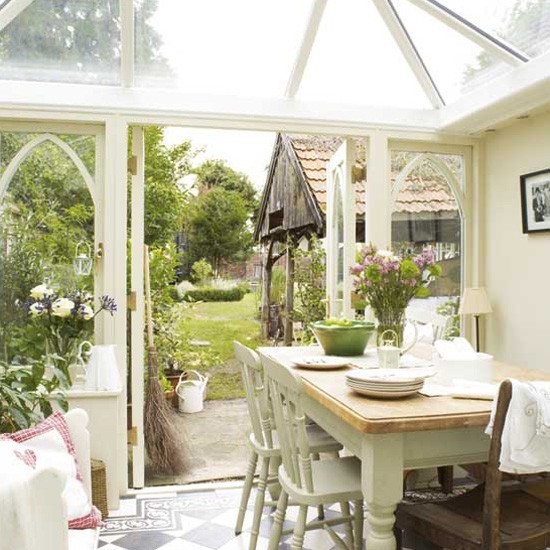
Privacy films, sheer layers, and exterior planting screens beat boarding up glass. Keep one transparent axis if you can—the emotional point of a sunroom is still seeing weather change. On the garden side, align interior seating with a path, bed of colour, or outdoor chair so indoor and outdoor palettes talk to each other. Watering day is easier when pots sit on a tray zone near the door rather than scattered across the only rug.
Small upgrades with outsized effect
- Swap harsh overhead bulbs for warm, dimmable light and a floor lamp behind seating.
- Add one patterned rug large enough that front legs of main seats sit on it.
- Introduce a cart or shelf for tea, sunscreen, and remote controls so surfaces stay clear.
- Use UV-aware art placement; hang precious pieces on the solid wall, not against the hottest glass.
- Keep a basket of breathable throws—mornings in glazed rooms can still run cool.
- Schedule a seasonal edit: rotate pillows, wash covers, and retire anything chalky from sun exposure.
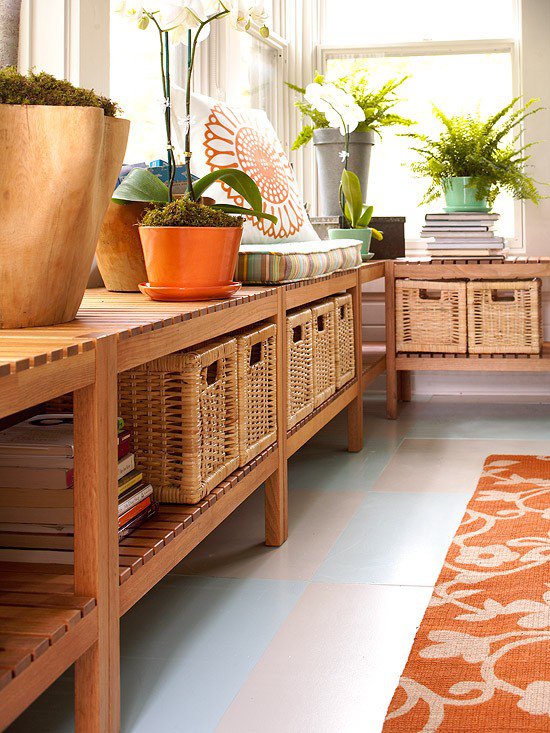
When you compare these rooms, notice how rarely the architecture alone does the emotional work. Cushions, rugs, paint notes, and plant life translate sunlight into a place to stay. Borrow a seating layout from one image, a colour temperature from another, and a plant grouping from a third. Measure your glass, respect your climate, and let the sunroom become the brightest habitual room in the house—not a showpiece you only walk through on the way to somewhere else.
Start with one change you can finish this weekend: a rug under the chairs, a sheer on the harshest pane, or a lamp that makes dusk usable. Colour and coziness compound from there, especially when the next sunny morning finds you already sitting down instead of admiring the room from the doorway.

Comments
Continue reading

Garden Decoration Beyond Beds: Lace, Mosaiculture, and Upcycled Yard Art
From dressed topiary and floral cyclists to license-plate dragonflies and lace between trees—garden decorations that give a yard a voice.
Kitchen Design Ideas: Layout, Storage, Light, and Finishes That Work
Practical kitchen design ideas—work zones, cabinetry, lighting, and durable finishes—so inspiration translates into rooms that cook and gather well.
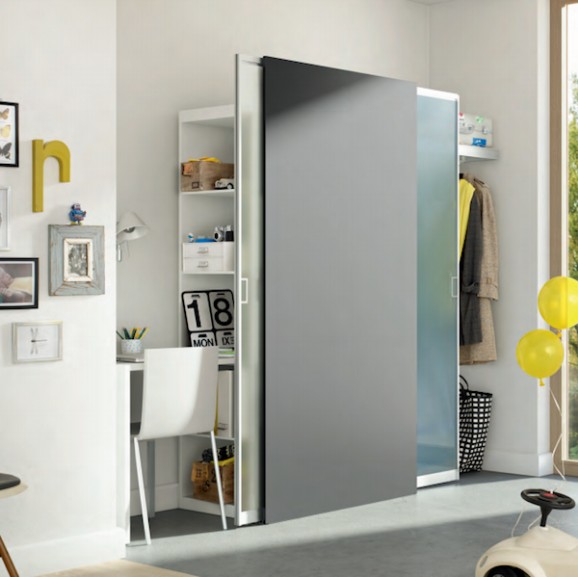
25 Cool Room Partition Ideas That Actually Divide Space
From frosted sliders and pallet screens to book towers and branch walls—twenty-five ways to carve rooms without building solid walls.