
A Charming Collection of Vintage Tea Cups
Romantic floral china, mismatched trays, mantel displays, and practical collecting tips for vintage tea cups you will actually use.
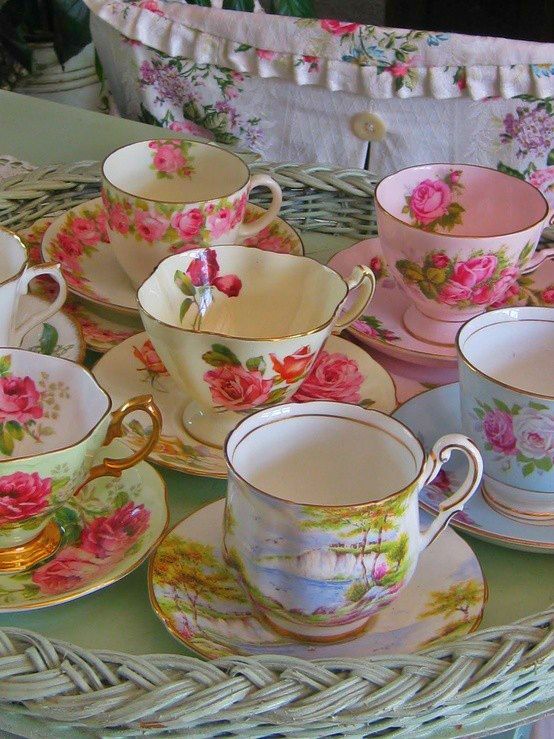
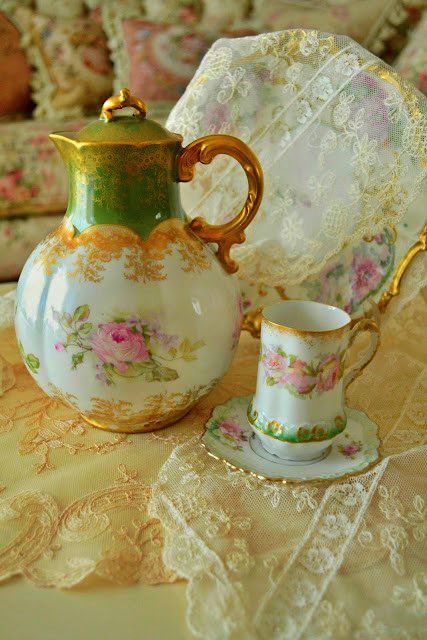
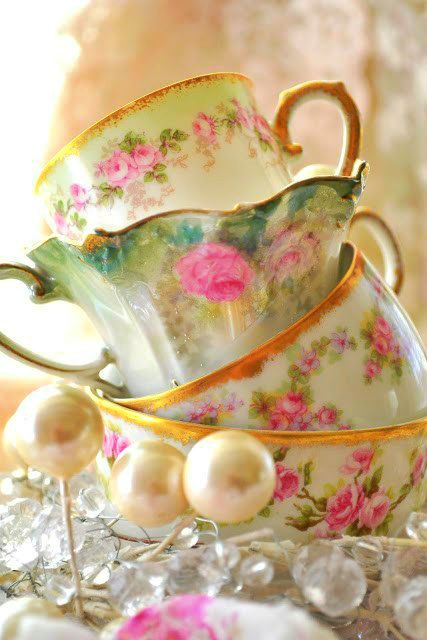
Vintage tea cups survive because they were made for ritual as much as for drink. A thin porcelain rim, a painted rose, a gold handle that catches afternoon light—these details turn a kitchen shelf into a small museum of manners. The cups and saucers gathered here lean romantic: pinks, creams, soft greens, lavender, and the occasional landscape miniature, often shown in mismatched clusters that feel more hospitable than a perfect factory set.
You do not need a formal tea party to care about them. Collectors, stylists, and anyone who likes objects with handwriting in the glaze will recognize the appeal. What follows is how to look at vintage cups, how to mix them without visual chaos, how to host with them, and how to keep fragile china useful rather than merely decorative.
Why mismatched sets feel more charming than matched ones
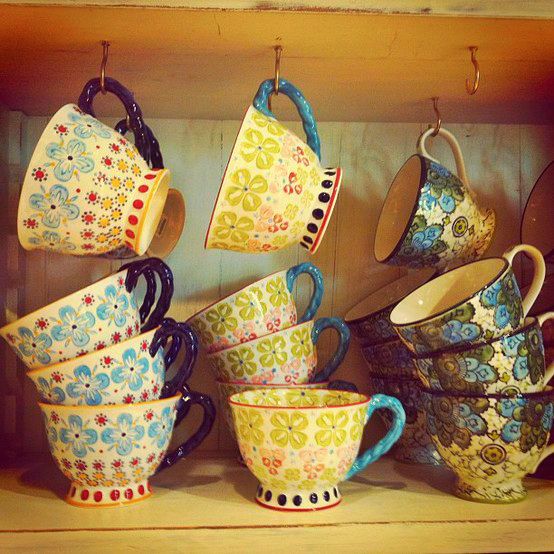
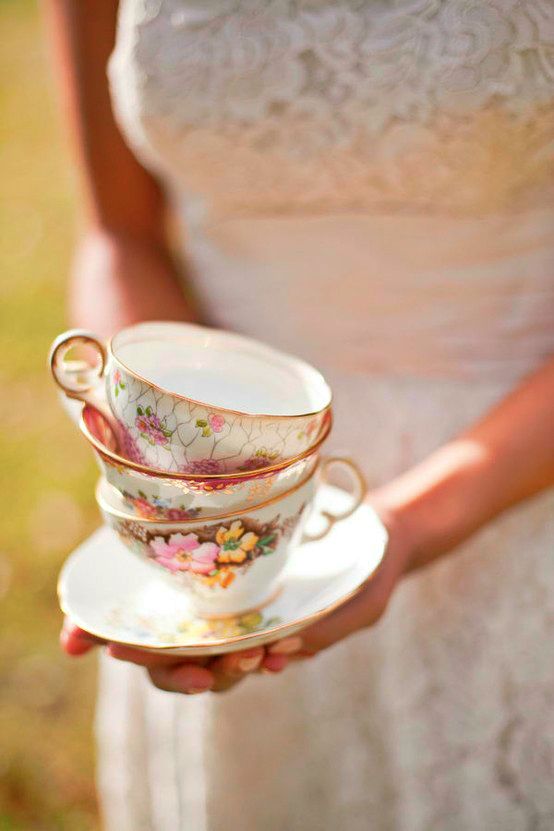
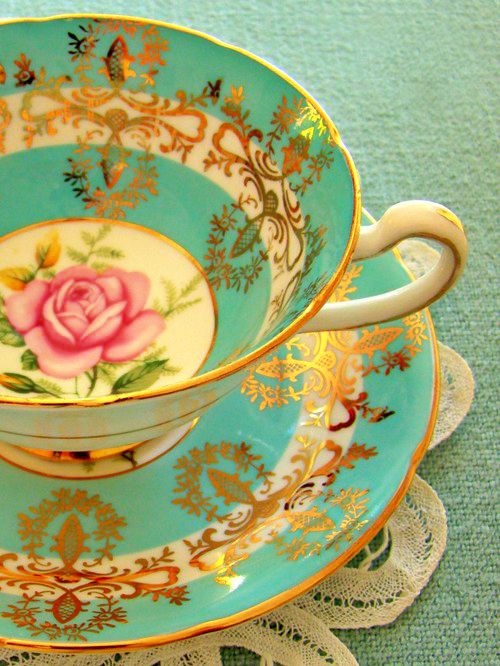
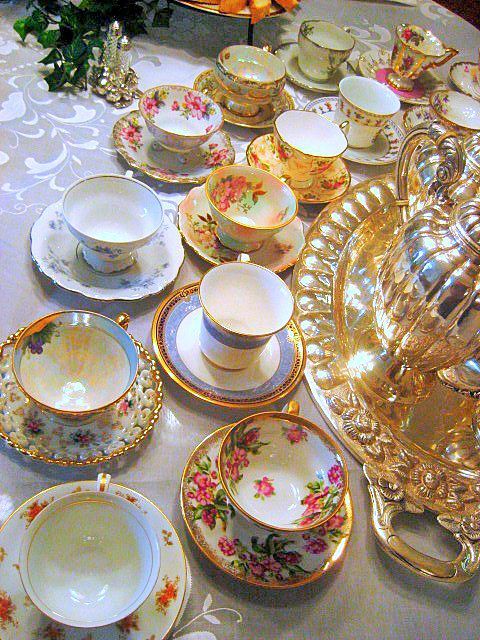
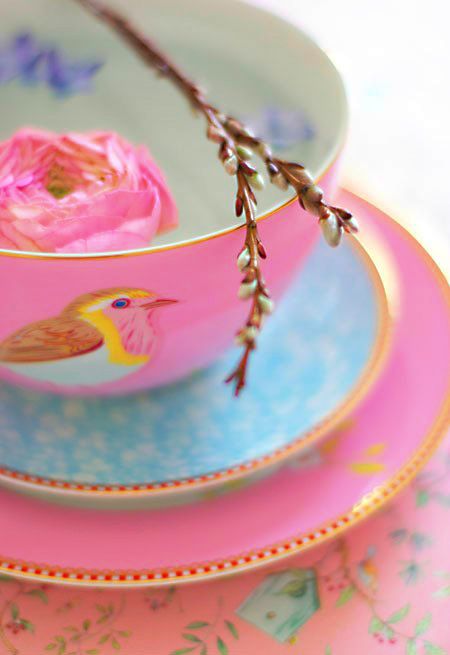
A tray of cups that share a mood but not a pattern looks collected, not catalogued. Pink roses on pale green, a cream cup with a single large bloom, a footed pink exterior, a light blue cup with delicate gold, a white cup banded in small roses, even a cup that carries a tiny painted landscape with cliffs and water—together they read as a conversation. The unifying thread is usually palette and gilding: soft florals, thin gold rims, handles that still want to be held.
Matched sets can be beautiful, especially when a maker’s mark and era matter to you. For everyday romance, though, mismatch forgives gaps. If one saucer chips, the story continues. Guests choose a favorite cup instead of receiving an identical assignment. That small choice is part of tea’s hospitality. It also keeps collecting affordable: you can add one strong piece at a time from different thrift shelves and estate boxes without hunting a complete dozen.
Think in temperatures of color. Cool lavenders and blues calm a table; warm pinks and cream roses raise the temperature. Mixing both works when gold trim acts as a shared accent. Without that shared metal note, cool and warm china can look accidental rather than curated.
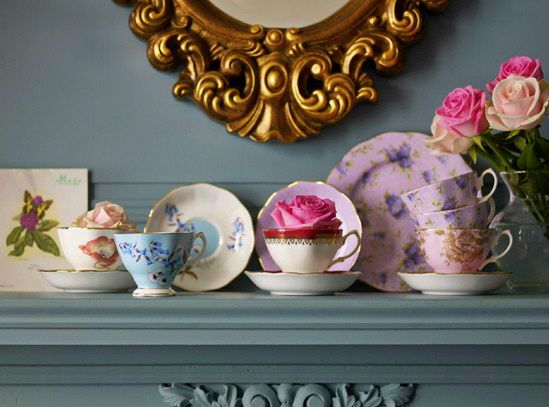
Display as still life
China wants a stage. A dusty-blue mantel under an ornate gold mirror frame, lavender plates leaning behind stacked cups, fresh pink roses tucked into porcelain or standing in a nearby vase—these arrangements treat teaware as sculpture. Botanical cards and butterfly prints nearby extend the floral language without overcrowding the cups themselves.
When you display, leave breathing room. Overlapping every rim hides handles and gilding. Group in odd numbers when you can. Put the loudest pattern—bold red florals, dense rose bands—slightly off-center so quieter blues and lavenders can answer. Natural side light beats overhead glare; porcelain translucency is half the charm, and harsh bulbs erase it.
Rotate the display seasonally. Heavier florals feel right in late spring; quieter creams and soft greens suit winter tea beside a window. Rotation also reduces continuous light exposure on one set of decals and keeps dust from settling into the same crevices forever.
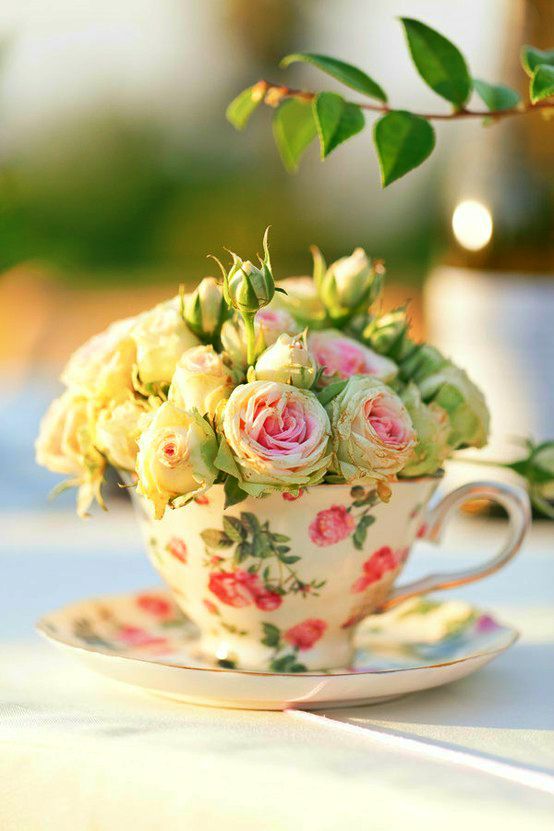
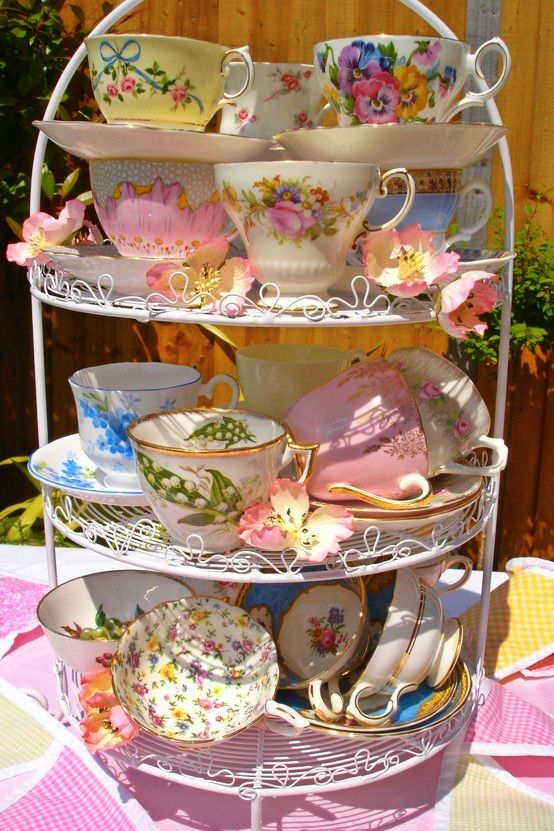
What to look for when you collect
Start with condition you can live with. Hairline cracks that wick tea are more than cosmetic; they can grow. Worn gilding on the rim is common and often lovable; missing chunks of handle gilt can look neglected. Check that cup and saucer sit level. A warped foot rings oddly on a table and spills more easily. Tap gently with a fingernail: a clear ring often suggests integrity; a dull thud can hint at a hidden crack—useful, not infallible.
Marks on the base help date and place a piece, but unmarked cups can still be wonderful. Learn a few pattern families—cabbage roses, scattered sprays, transferware florals, hand-painted landscapes—so you recognize quality of drawing. Soft romantic colors photograph well and mix easily; neon modern reprints usually fight vintage neighbors. Weight is a clue: very heavy “porcelain” may be stoneware or later ceramic; bone china often feels lighter for its size.
Buy for use if you drink tea daily. Extremely rare museum pieces belong behind glass. Everyday vintage should tolerate warm liquid and gentle washing. If a cup is too precious to rinse, it is display-only—and that is a valid category, just name it honestly so you do not ruin a heirloom with dishwashing habits meant for stoneware mugs.
Budget tip: saucers are often easier to find than matching cups. A beautiful saucer under a related but not identical cup still photographs and serves well. Perfect pairs are delightful; near-pairs are how most real collections grow.
Hosting with romantic china
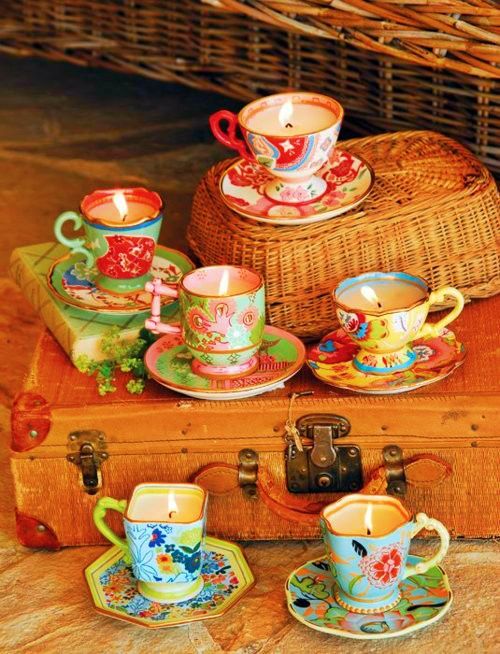
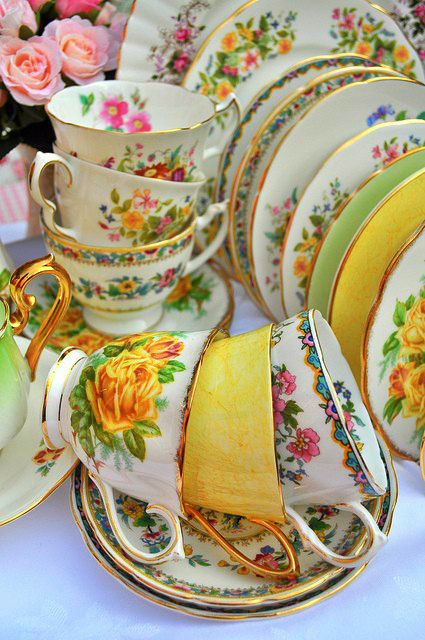
A tea gathering in the old magazine sense was never only about the beverage. It was about pace: small food, conversation, and objects that slow the hand. Set a tray—wicker painted pale green works beautifully—with cups that share a temperature of color. Offer lemon, milk, and sugar in simple vessels so the china keeps the lead. Cloth napkins beat paper for the same reason gilding beats plastic: texture signals care.
If guests include children or enthusiastic gesturers, keep the rarest cups for the sideboard and serve from sturdier cousins. Charm is ruined by anxiety. Better a cheerful secondary set on the table than a host who flinches every time someone reaches for the handle.
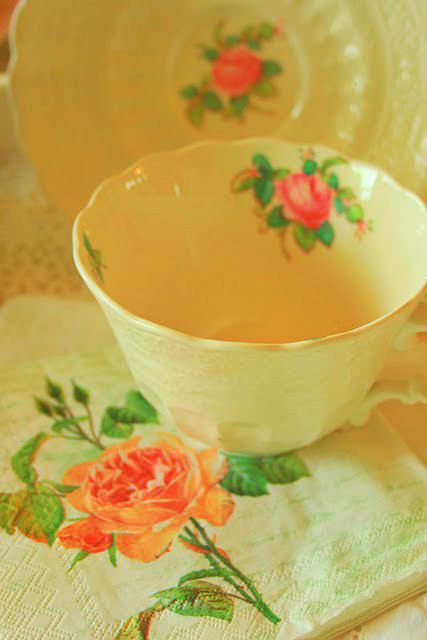
Pair food scale to cup scale. Tiny cakes and thin sandwiches suit delicate porcelain; heavy stews belong in bowls. Strong black tea shows well in white interiors; milky chai and deep rooibos can stain older crazed glaze over time, so rinse sooner rather than later.
Care that keeps cups drinkable
- Hand-wash with mild soap; skip the dishwasher’s heat and abrasion if gilding matters to you.
- Avoid sudden temperature shocks—do not pour boiling water into a fridge-cold cup.
- Store with felt or paper between stacked pieces so foot rings do not scratch saucer centers.
- Keep display shelves away from hard daily bumps; vibration cabinets are quiet enemies of porcelain.
- Repair professionally if a favorite breaks along a clean line; home glue often yellows and fails with heat.
- Air cupboard-smelling cups empty for a day before the next pour.
Stains inside older cups sometimes respond to a paste of baking soda and water, gently applied. Skip harsh bleaches that can attack decoration. Crazing—fine crackle in the glaze—is common in aged china; it can hold tea tint over years. Decide whether that patina charms you. If not, reserve crazed cups for display or for very pale infusions.
Which cup would you reach for first on a slow Sunday—the landscape miniature, the loud pink roses, or the quiet blue with a single bloom? Answer that, and you already know how your collection should grow: not toward completeness, but toward the colors you keep choosing when no one is watching.

Comments
Continue reading
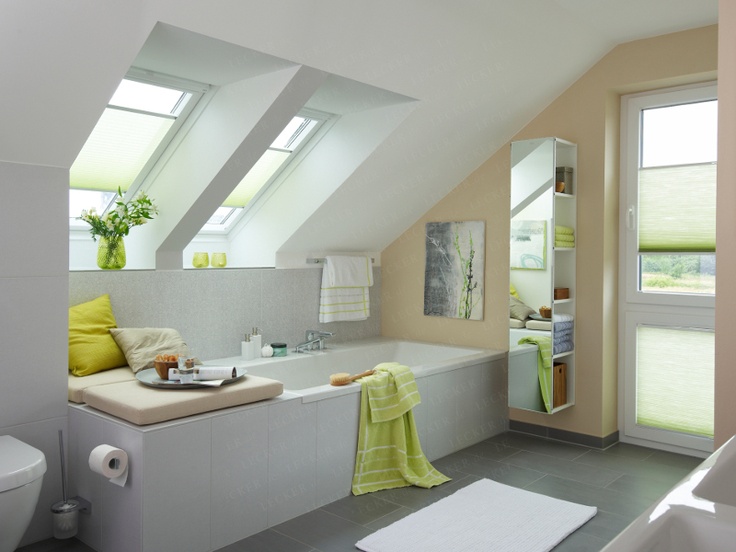
Attic Bathroom Design Ideas: Light, Layout, and Roof-Friendly Fixtures
Design ideas for converting an attic into an extra bathroom—working with slopes, skylights, wet-zone materials, eaves storage, and fixture placement.
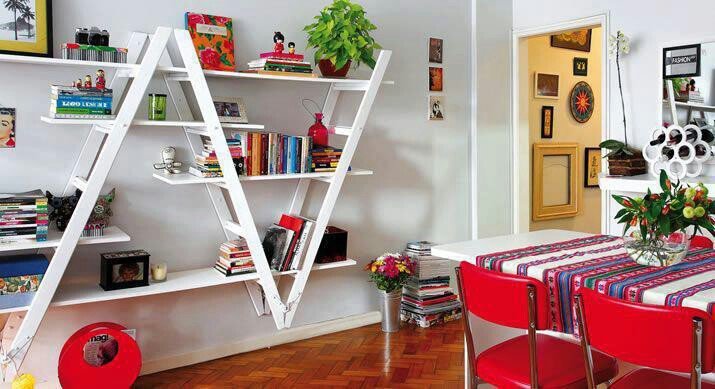
Ladder Shelving Repurpose Ideas: DIY Bookcases, Dividers & More
Turn an old ladder into shelving, a room divider, towel rack, or narrow desk—practical DIY steps, safety checks, and styling tips with photo ideas.
Cool Home Lifehacks That Actually Save Time
Practical household tricks—kraft-paper lists, safer nailing, fridge bottle stops, mint-tin drawers, phone stands—using things you already own.