
How to Buy Quality Blinds from a Trusted Source
Practical buying criteria for made-to-measure blinds—materials, light control, custom measuring, warranties, and what to ask before you order.
Good blinds do quiet work: they shape daylight, protect privacy, and keep a room from feeling either washed-out or cave-like. Bad blinds do loud work: they jam, fade, gap at the edges, and remind you every morning that a cheap shortcut is still hanging in the window. If you are shopping for quality blinds—especially for a mix of home and workplace rooms—the useful skill is not hunting a single brand slogan. It is knowing which manufacturing habits, materials, and service promises actually matter.
This guide focuses on buying criteria you can verify in a showroom, on a quote sheet, or during a site measure. Location examples such as Manchester-area fitting are useful only as a reminder that local installers who measure twice tend to outperform distant parcels that arrive “close enough.”
Start with the job each window has to do
Not every window wants the same blind. A street-facing living room may need daytime privacy without killing the view. A bedroom may need real blackout for shift sleepers. A kitchen may need wipeable surfaces near steam and oil. An office may need glare control for screens more than decorative folds.
Write one sentence per window before you fall in love with a fabric swatch. Example: “East bedroom—block morning sun, quiet operation, child-safe controls.” That sentence becomes a filter. Styles that cannot meet it drop out early, which saves you from ordering something handsome that fails at 6:15 a.m.
Also note the window’s personality: deep recess or barely-there frame, uPVC or timber, unusual arches, patio doors, roof lights. Custom manufacture exists because standard sizes are a compromise. If your openings are odd, treat made-to-measure as the default rather than an upgrade vanity.
Maker versus middleman
Many sellers are retailers who order from factories they do not control. That can still be fine if their quality control and warranty response are strong. It becomes a risk when nobody on the team can explain how the headrail is built, what happens if a cassette arrives scratched, or how long a replacement slat takes.
Prefer suppliers who can talk specifically about in-house making or tightly managed production, local fitting teams, and clear responsibility when something is wrong. Ask who measures, who manufactures, and who installs. If those answers dissolve into vagueness, keep shopping. Precision blinds are unforgiving of “approximately.”
Companies that work in both residential and commercial settings are often useful signals—not because offices are glamorous, but because commercial work forces documentation, fire-performance options, and repeatable install standards. You still want personal attention; you also want habits formed under stricter specs.
Materials and light control that hold up
Durability is partly fabric or slat choice and partly hardware. Aluminum and wood (or wood-effect) venetians behave differently from fabric rollers and Romans. Vinyl and moisture-tolerant finishes matter near baths and utility rooms. Cheap plastics that yellow and warp are a false economy in sunny windows.
Light control language should be concrete:
- Sheer / light filtering — softens glare, limited privacy at night when lamps are on.
- Dim-out — substantial darkening for living spaces and media rooms.
- Blackout — best effort at darkness; still depends on side gaps and recess depth.
- Reflective or thermal coatings — can help with heat and fade; ask for realistic expectations, not miracle claims.
Operate samples with your own hands. Chains, motors, and wands should feel deliberate. Blinds that twist, telescope unevenly, or need coaxing on the showroom board will not improve at home. If you have children or pets, prioritize cordless or otherwise safer control systems that meet current safety guidance in your region.
Style range as a honesty check
A healthy maker or specialist usually offers a real range: roller, vertical, panel, Roman, wooden or faux-wood venetian, and shutter-style options where appropriate. Variety is not about collecting catalog pages; it is evidence that the business solves different window problems rather than forcing one product onto every opening.
Match style to architecture. Verticals still earn their keep on wide patio doors. Romans soften bedrooms when you want textile warmth. Rollers keep contemporary rooms visually quiet. Wood adds grain and shadow lines that fabric cannot. Shutters are a bigger commitment—beautiful when the window and budget support them, awkward when forced onto the wrong frame.
Color and opacity samples should be viewed in daylight similar to your room’s orientation. A gray that looks calm under shop LEDs can turn cold in a north room. White that looks crisp can glare in a west window at 4 p.m.
Custom measure: where quality is won or lost
Custom blinds live or die on measurements. Recess fit versus exact fit, bracket clearances, handle protrusions, and tiling quirks all matter. A competent fitter measures on site, notes obstacles, and confirms how you want the blind to sit when fully raised. Remote “send us a photo and a tape number” quotes are riskier unless you are experienced.
Ask what tolerance the workshop works to and how remakes are handled if a unit is wrong. Good firms budget for rare errors without making you feel like a nuisance. Bad firms argue with the wall.
Installation quality is part of the product. Neat bracket alignment, secure fixings for the wall type, and clean finishing around reveals separate a professional job from a weekend guess. If a price is dramatically lower than local peers, ask what was removed from the process—often it is time on site.
Safety, performance, and warranties
Where regulations or building use require it—especially some commercial interiors—flame-retardant fabrics and documented performance matter. Even at home, asking about material certifications is reasonable for multi-occupancy buildings or rental portfolios. Color range should still be wide; “custom” that only offers three beiges is not custom.
Warranties reveal confidence. Multi-year cover on mechanisms and fabrics is common among serious suppliers; read what voids it (steam abuse, improper cleaning, DIY modifications). Remember that many blind failures are environmental—pets, footballs, forced yanking—rather than factory defects. Quality hardware tolerates ordinary life better; it is not indestructible.
Guarantees also retain customers for the right reason: when something genuine fails, the firm shows up. Ask how service calls work after year one. A beautiful brochure without a reachable service desk is incomplete.
Pricing without the hard sell
Competitive pricing should mean transparent line items: product, motorization if any, fitting, and possible old-blind removal. Beware quotes that are vague until you are emotionally committed, or that pressure same-day decisions with disappearing discounts. Quality blinds are a home system purchase; take the sample home, sleep on it, compare two or three specialists.
Cheapest is rarely best on large glazed areas where fabric width, tube strength, and motor duty cycles matter. Most expensive is not automatically best either—sometimes you are paying for showroom theater. Aim for clear specs, named materials, and installers who answer practical questions without rushing you toward a signature.
A compact checklist before you order
- One job sentence per window (privacy, blackout, glare, moisture).
- On-site measure by the people responsible for fitting.
- Materials you have handled, not only seen on a screen.
- Controls that feel solid and meet safety needs.
- Written warranty length and what it covers.
- Fire or commercial specs if your building requires them.
- A quote you can explain to someone else in two minutes.
If a supplier meets that list—whether you are fitting a terrace house bedroom or a small office set of windows—you are shopping on substance. Skip the breathless affiliate script. Choose the blinds that operate smoothly on day one and still make sense every time you reach for the cord, wand, or remote.

Comments
Continue reading

Garden Decoration Beyond Beds: Lace, Mosaiculture, and Upcycled Yard Art
From dressed topiary and floral cyclists to license-plate dragonflies and lace between trees—garden decorations that give a yard a voice.
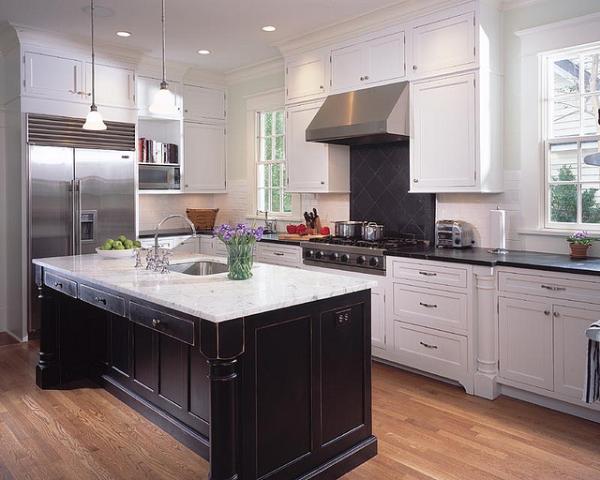
Kitchen Design Ideas: Layout, Storage, Light, and Finishes That Work
Practical kitchen design ideas—work zones, cabinetry, lighting, and durable finishes—so inspiration translates into rooms that cook and gather well.
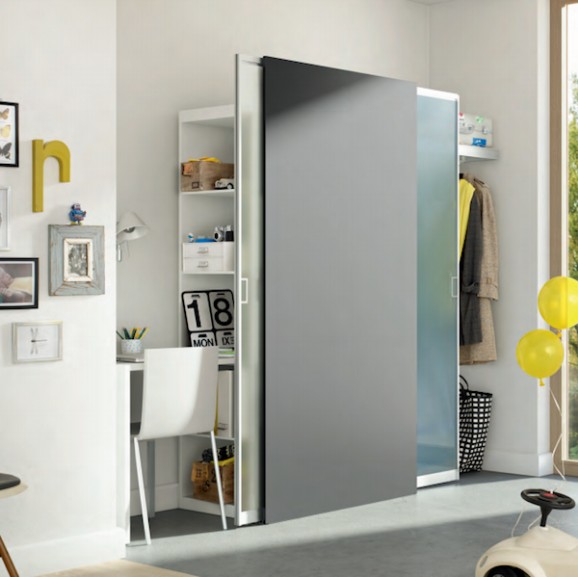
25 Cool Room Partition Ideas That Actually Divide Space
From frosted sliders and pallet screens to book towers and branch walls—twenty-five ways to carve rooms without building solid walls.