
Bugs That Look Like Mosquitoes: Crane Flies, Midges, and Fungus Gnats
How to tell mosquitoes from common look-alikes—crane flies, non-biting midges, and fungus gnats—and what to do about each.
Not every slender, long-legged flyer that passes your porch light is a mosquito. Several common insects share the same rough silhouette—narrow body, delicate wings, stilt-like legs—and the resemblance is strong enough to trigger swats, sprays, and unnecessary worry. Correct identification matters. True mosquitoes can bite and, in some regions, transmit disease. Many of their look-alikes are nuisances at worst and harmless at best. Knowing which is which helps you choose the right response: dump standing water for mosquitoes, dry out potting soil for fungus gnats, or simply open a window for a crane fly that wandered indoors.
This guide covers the impostors people confuse most often, the quick field checks that separate them from Culicidae (the mosquito family), and what each insect’s habits imply for homes, yards, and public spaces.
Start with the mosquito checklist
Before naming an impostor, know what a mosquito actually looks like up close. Adult mosquitoes are typically small—often in a rough range of a few millimeters to under a centimeter in body length, depending on species. Females that take blood meals have a long, needle-like proboscis projecting forward from the head. Wings often show scales. At rest, many mosquitoes hold their bodies at an angle, and the long hind legs may be raised. They breed in water: eggs, larvae, and pupae develop in containers, puddles, clogged gutters, birdbaths, and other still-water sources.
If the insect in front of you lacks a piercing proboscis, is dramatically larger than a typical mosquito, or is swarming in a stationary cloud at dusk without biting, you are probably not looking at a mosquito. Context helps too. Tiny flies circling houseplants point one way; insects rising from a neglected kiddie pool point another.
Crane flies: the “giant mosquitoes”
Crane flies (family Tipulidae and related groups) are the classic panic insects. With long legs and a mosquito-like outline, they can look like oversized bloodsuckers—especially when they blunder against a window or circle a porch bulb. Body lengths commonly stretch well beyond mosquito size; some adults reach lengths people describe in inches rather than millimeters. Nicknames such as “mosquito hawk” or “mosquito eater” add to the myth. In reality, adult crane flies do not hunt mosquitoes, and they do not bite people. Many adults have reduced or non-piercing mouthparts and feed little if at all during a short adult life.
How to tell them apart: size first, then mouthparts and flight. Crane flies are clumsy fliers compared with mosquitoes. Legs are long and usually held down rather than posed like a mosquito’s raised hind pair. Breeding is tied more to moist soils and decaying organic matter than to the classic mosquito tub of stagnant water—though some species have aquatic or semi-aquatic larval stages. When one enters a house, the usual “control” is a cup and a release outdoors, not a chemical fog.
If you see a “giant mosquito,” breathe. You are almost certainly looking at a crane fly.
Non-biting midges: swarms that look like clouds of mosquitoes
Non-biting midges (Chironomidae) are among the most widespread mosquito look-alikes near lakes, ponds, wetlands, and slow water. Adults are small and slender. From a distance, evening swarms can resemble mosquito clouds. Up close, midges lack the mosquito’s blood-feeding proboscis; many adults do not feed in a way that affects people at all. They may rest on walls, fences, and eaves in large numbers after mass emergences, which is alarming but not a biting hazard.
Behavior is a strong clue. Midges often form dancing swarms in place—columns of insects hovering in the same airspace. Local urban mosquitoes typically do not put on that stationary swarming show in the same way. Midges are also drawn to lights at night. Larvae develop in aquatic mud and organic sediment; managing midges at landscape scale is a different problem from dumping a backyard bucket, and most homeowners correctly treat temporary swarms as a short-lived nuisance.
Do not confuse these with biting midges (Ceratopogonidae), sometimes called no-see-ums. Those are tiny, can bite painfully, and are a separate identification problem. They are usually much smaller than typical mosquitoes and do not look like the classic “mosquito on the wall” most people mean when they ask about look-alikes.
Fungus gnats: the houseplant impostors
Fungus gnats (often Sciaridae or related fungus-associated flies) are the indoor specialists. They are small, dark, and weak fliers, commonly noticed at windows or drifting up from potted plants. To a hurried glance they look like tiny mosquitoes. They do not bite. Larvae live in moist soil rich in organic matter and fungi; chronically wet houseplant soil is an invitation.
Identification tips: watch where they concentrate. If the “mosquitoes” appear mainly around indoor plants, damp basements with organic debris, or recently watered containers—and you have no indoor water breeders—fungus gnats are the leading suspect. Adults may complete life cycles in roughly a week or two under favorable conditions, so a problem can seem to appear overnight after a stretch of heavy watering.
Practical response is cultural more than chemical: let the top layer of soil dry between waterings, avoid saucers of standing water, remove rotting leaves from the soil surface, and consider sticky cards to monitor adults. Repotting with fresher, better-draining mix helps chronic cases. Spraying the air with a mosquito product does little for a soil-borne gnat cycle.
Other flies that borrow the silhouette
Depending on region, people also mistake certain gall midges, drain flies, or small dark flies for mosquitoes. Drain flies (psychodids) are fuzzier and moth-like; they point to organic film in drains rather than yard water. Dixid midges and other obscure families can appear near water and confuse even attentive observers. When public-health stakes are high—travel, local outbreak notices, unexplained bite patterns—capture a specimen (or a clear close-up photo showing the head and mouthparts) for local extension services or vector-control agencies rather than guessing from memory.
A useful habit: look at the head. A forward straw-like proboscis is the mosquito’s signature among these common doppelgängers. No piercing beak usually means no mosquito blood meal, even if the insect is annoying.
Why misidentification leads to bad decisions
Mistaking crane flies for mosquitoes leads to fear without benefit. Mistaking midges for mosquitoes can send people into unnecessary backyard spraying while the real mosquito sources—clogged gutters, tarps, toys—go untouched. Mistaking fungus gnats for mosquitoes leads renters to blame “the building” when the fix is the fiddle-leaf fig’s wet feet.
Conversely, dismissing real mosquitoes as “just gnats” is dangerous in areas where mosquito-borne illness is a concern. If insects are biting, leaving welts, and associated with standing water, treat them as mosquitoes until proven otherwise: empty containers weekly, refresh birdbaths, screen rain barrels, and follow local vector-control guidance.
A quick comparison you can use outdoors
- Mosquito: small; long proboscis; often rests with hind legs up; breeds in standing water; females may bite.
- Crane fly: much larger; no bite; clumsy flight; long legs down; moist soil or decaying matter connections.
- Non-biting midge: mosquito-sized or smaller; swarms near water or lights; no blood-feeding proboscis like a mosquito’s.
- Fungus gnat: tiny; indoor plants and damp soil; weak flight; does not bite.
Prevention that matches the insect
For mosquitoes, water management remains the foundation. A bottle cap of water can support larvae for some species; weekly dumps of anything that holds rain matter more than most store-shelf fogs. For midges emerging from natural lakes, tolerance and screens may be the honest answer during peak weeks. For fungus gnats, dry-down cycles and sanitation outperform panic.
Porch lights attract many of these insects indiscriminately. Warmer-spectrum bulbs or lights placed away from doors can reduce how many hitchhikers follow you inside, whether they are mosquitoes or impostors.
Next time a long-legged flyer lands on the lampshade, give yourself ten seconds for a second look. Size, mouthparts, and location usually settle the question. Most “mosquitoes” that never bite were never mosquitoes—and the ones that do bite are best fought at the water line, not at the myth of the giant mosquito hawk.

Comments
Continue reading
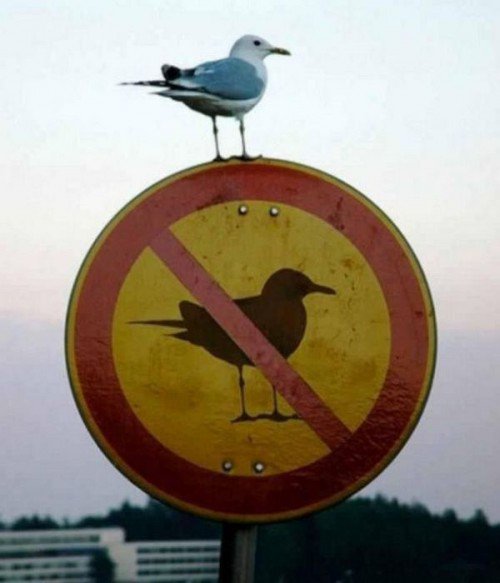
Funny Animal Signs That Warn People (While Animals Ignore Them)
From a seagull on a no-birds disc to classic zoo and park ironies—why animal warning signs get funny, and what the rules are still for.

How to Find Local Amenities on Vacation: Mechanics, Haircuts & More
Locate trustworthy local services and everyday spots while traveling or settling in—using publications, reviews, map apps, neighbor tips, and low-pressure exploration.

Kristen Stewart for V Magazine, Spring Preview 2013
V81’s Wild at Heart cover story—Kristen Stewart shot by Inez & Vinoodh, styled by Joe McKenna, in pale minimal spring glamour.