
Black and White Street Photos by Vivian Maier
The nanny-photographer who documented Chicago and New York in private for decades—and whose rediscovered street archive reshaped how we see mid-century American life.
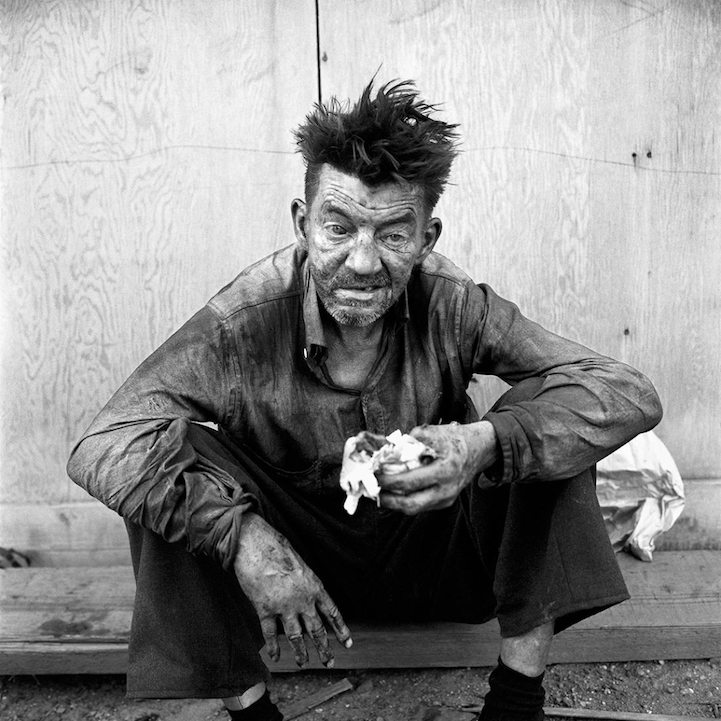
Vivian Maier (1926–2009) made one of the most consequential bodies of American street photography while working for decades as a nanny and caregiver, mostly on Chicago’s North Shore. She photographed constantly—New York early on, then Chicago’s sidewalks, elevated trains, shop windows, children, workers, and her own reflection—yet she showed almost none of that work in her lifetime. After her death, her archive surfaced through storage auctions and collectors, and the public met an artist who had already finished a life’s labor in private.
Chicago-based and French-raised in much of her youth, Maier spent her free hours documenting street life with the discipline of someone who needed no exhibition calendar to keep working. She left more than 100,000 photographs behind. Negatives and undeveloped rolls began to emerge around 2007; exhibitions and books followed in the years after, including Vivian Maier: Street Photographer (2011). The pictures below are part of that rediscovered black-and-white street vision—sharp, humane, and formally alert.
Well, I suppose nothing is meant to last forever. We have to make room for other people. It’s a wheel. You get on, you have to go to the end. And then somebody has the same opportunity to go to the end and so on. – Vivian Maier
A life kept mostly offstage
Maier was born in the Bronx on February 1, 1926, to a French mother and an Austrian father. Much of her childhood unfolded in France, where she began making pictures with a modest Kodak Brownie in the late 1940s. She returned to the United States in 1951, lived and worked in New York, then moved in 1956 to the Chicago suburbs, where nanny work became her long profession. Families who employed her remembered a private, exacting, curious presence—sometimes compared, half-affectionately, to Mary Poppins—who took children into the city, to films, to fields, and into the orbit of her camera.
Privacy was not a brand for Maier; it was a condition of her days. She did not build a public career. She did not network as an art-world figure. She photographed because looking, for her, appears to have been a necessity. That fact matters when we talk about rediscovery. The romance of the “secret genius” can flatten a real person into a myth. Maier was a working adult with habits, limits, humor, and stubbornness. The archive is extraordinary; the life was also ordinary in the ways that paid caregiving is ordinary—schedules, households, children, rooms that were never fully hers.
In later years she faced hardship. People who had known her as a caregiver helped when they could. In late 2008 she fell on ice and suffered a head injury; she died in April 2009. Recognition of her photographs as a major contribution arrived largely after she could no longer speak for them. That timing asks for care from anyone writing about her: celebrate the pictures, and refuse to turn her silence into a marketing plot.
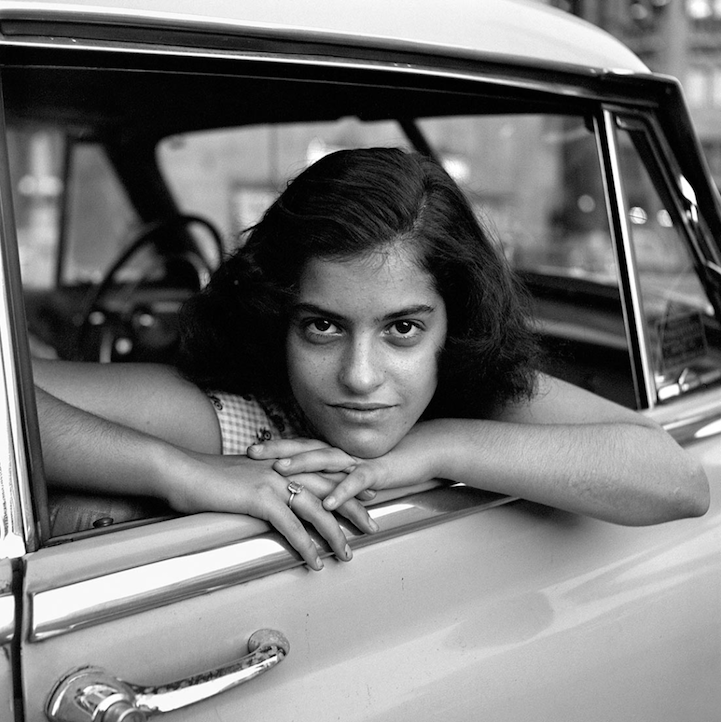
What the street work sees
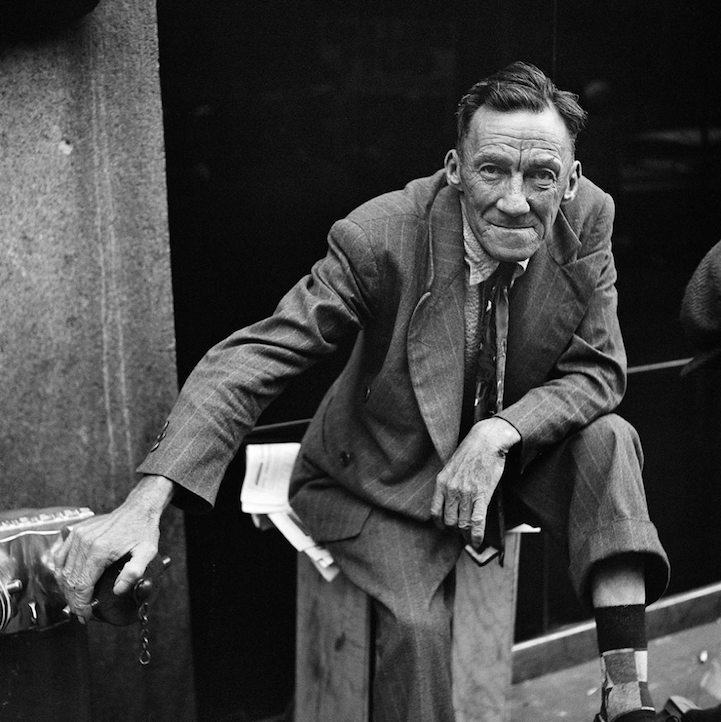
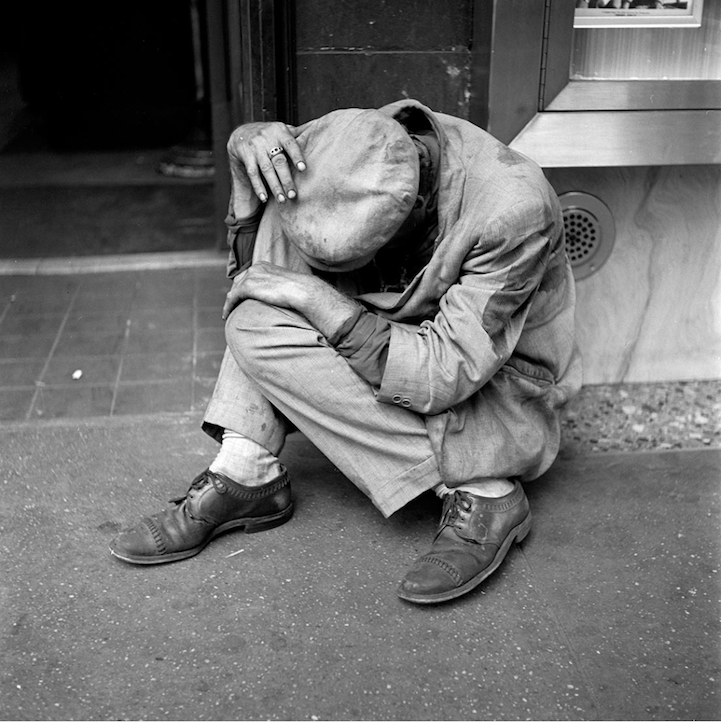
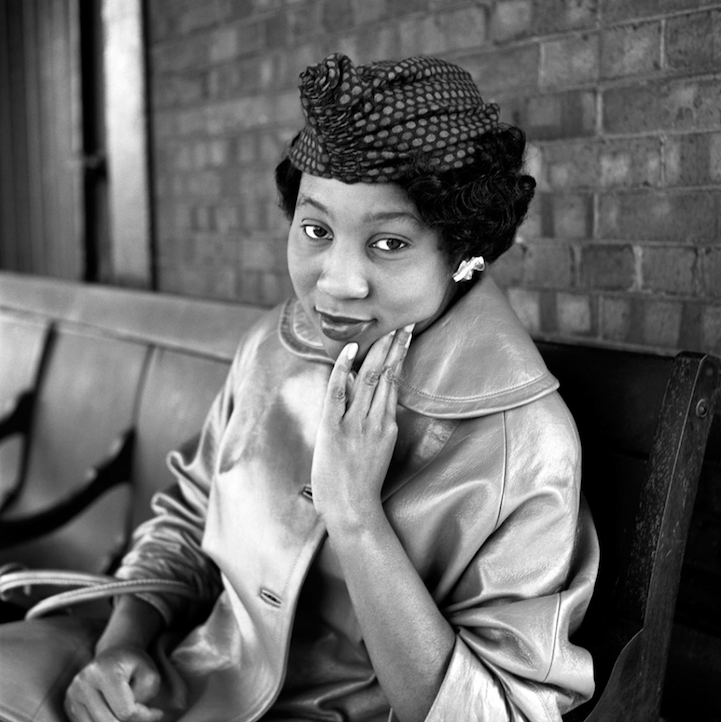
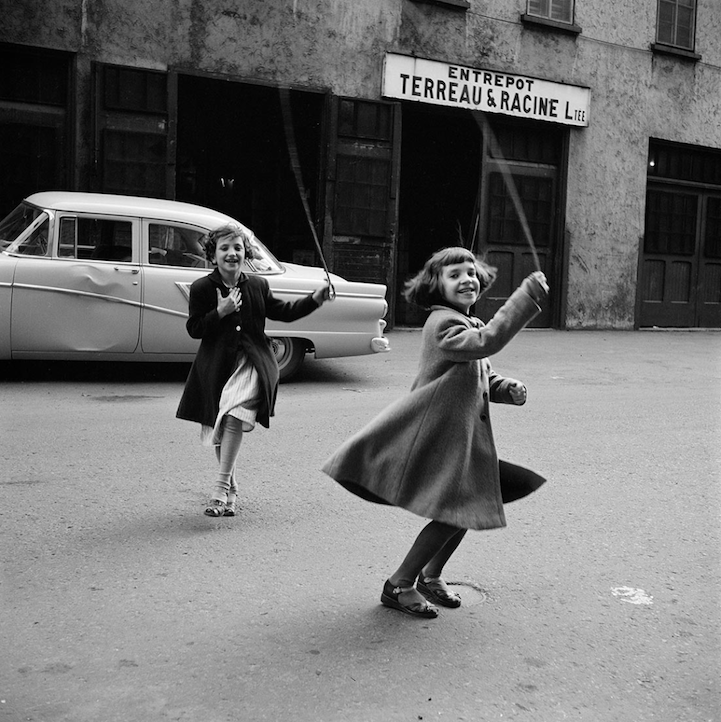
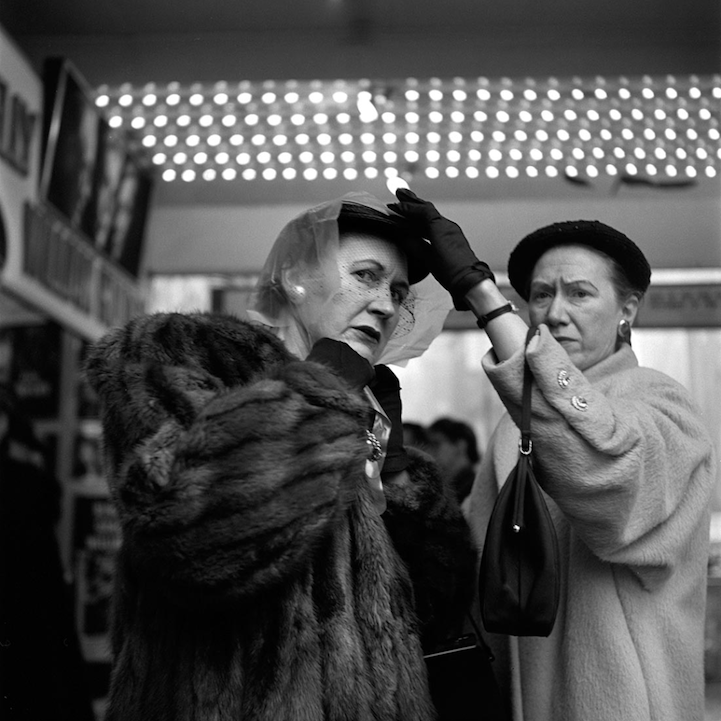
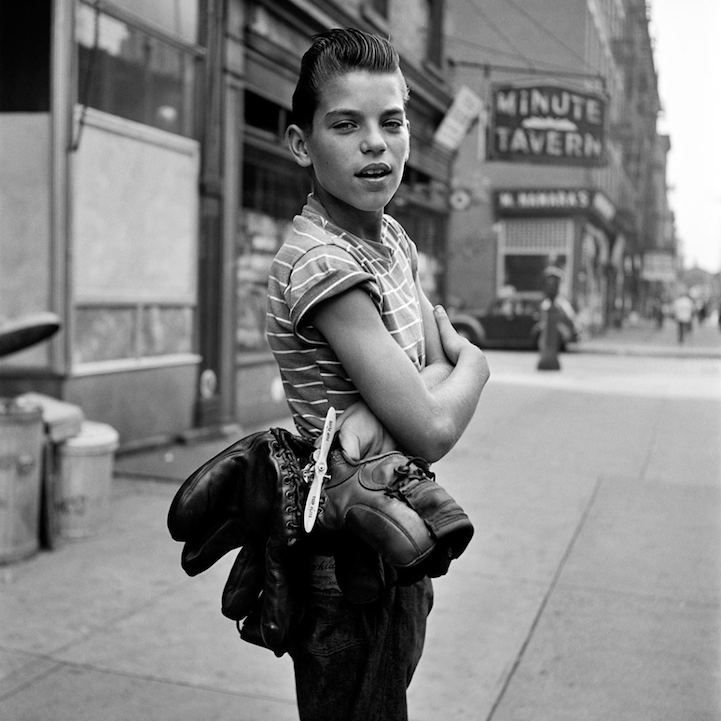
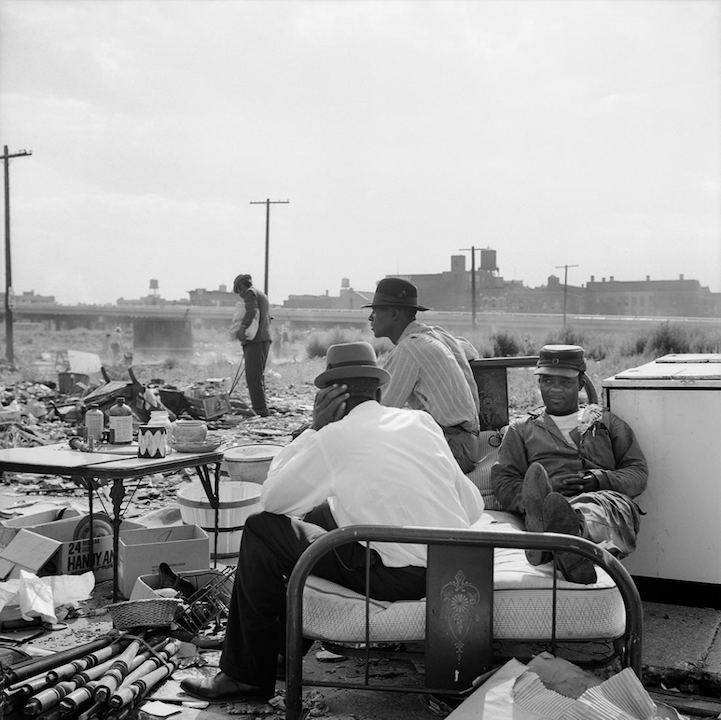
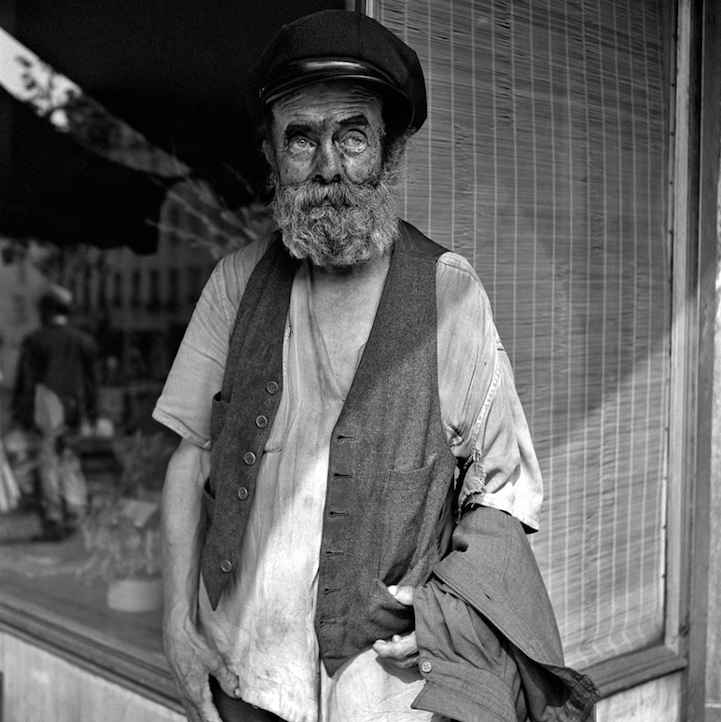
Maier’s black-and-white street photographs are not sightseeing. They are acts of attention aimed at faces, clothes, gestures, and the social weather of mid-century American cities. She favored a Rolleiflex for much of her strongest work—a twin-lens camera held at the waist—which encouraged a particular way of approaching people: less confrontational than an eye-level 35mm raised to the face, more intimate in the geometry of looking down into a ground-glass screen. Many frames feel close without being predatory. Subjects often seem mid-thought rather than mid-pose.
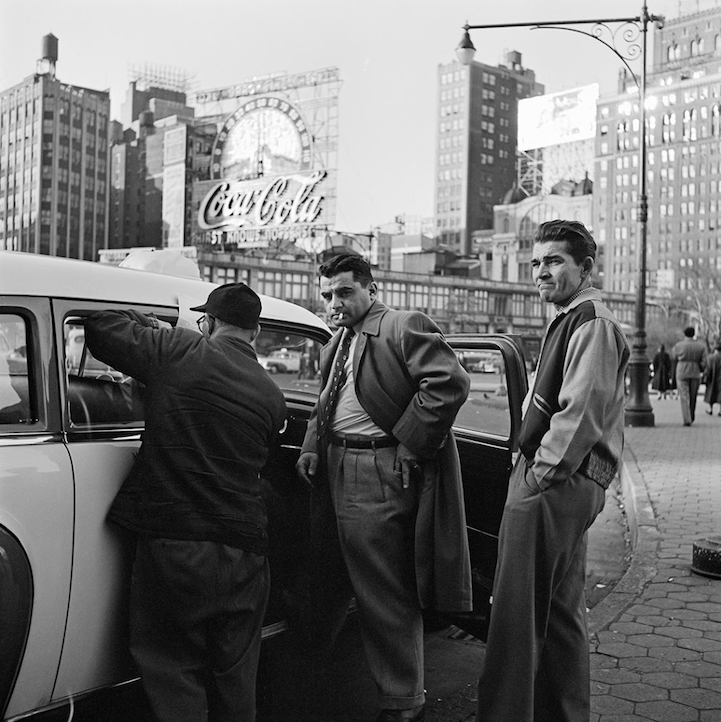
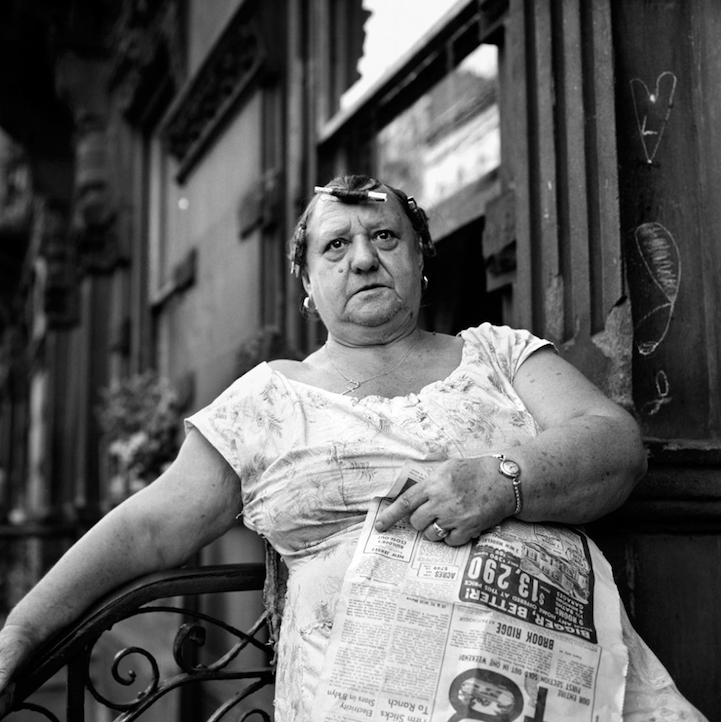
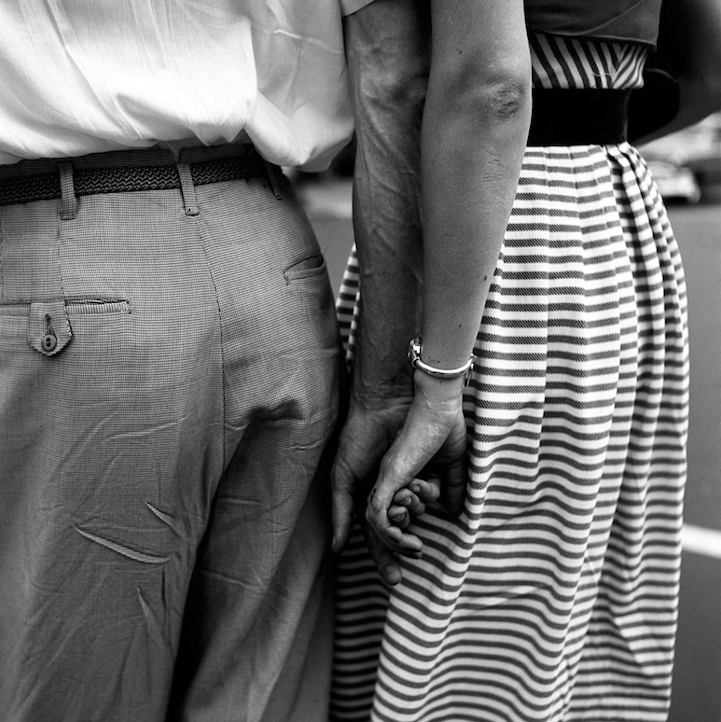
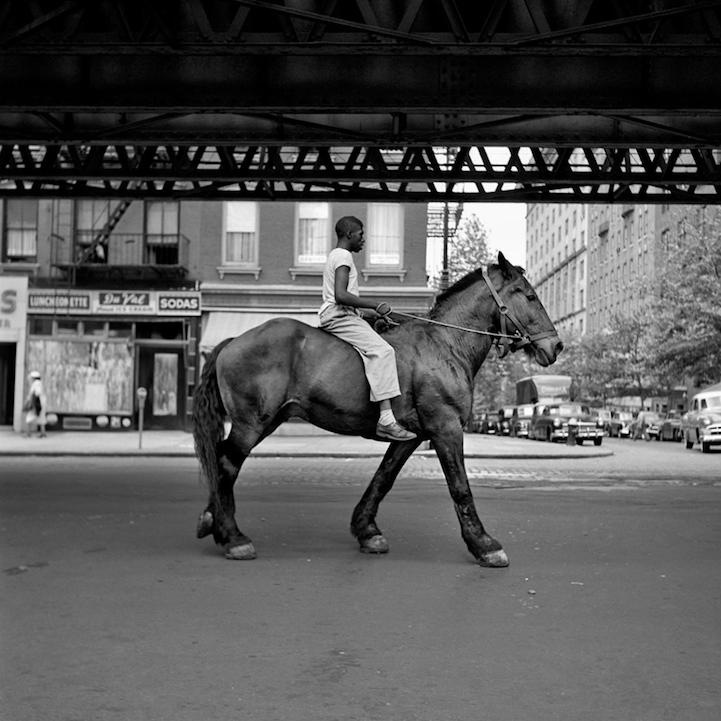
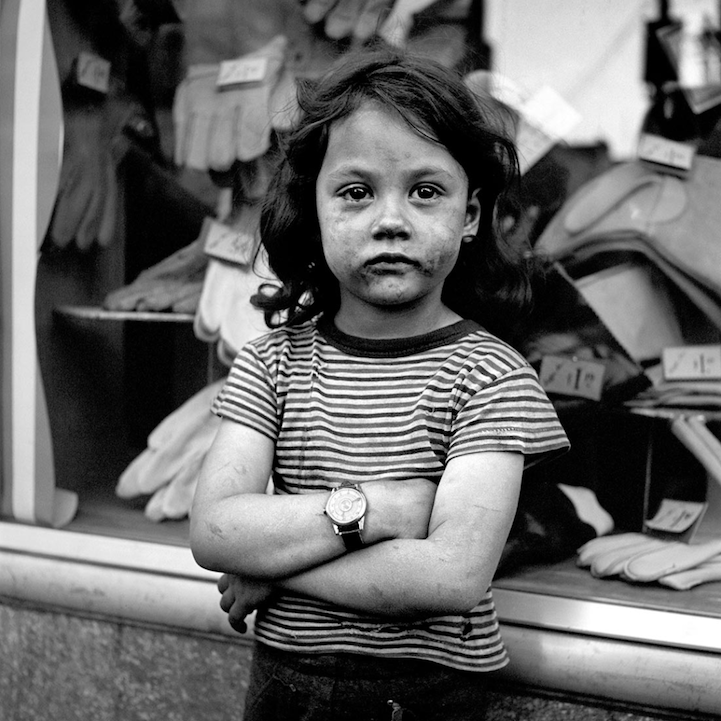
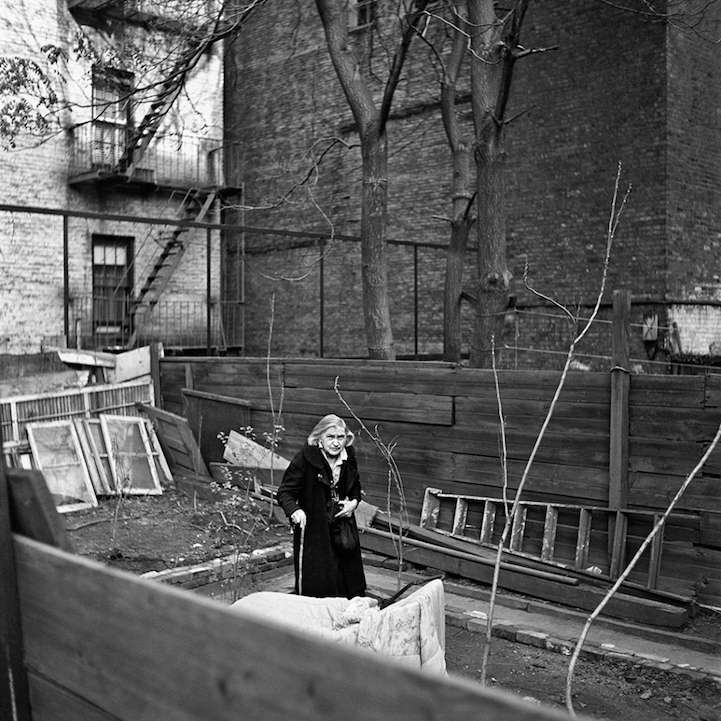
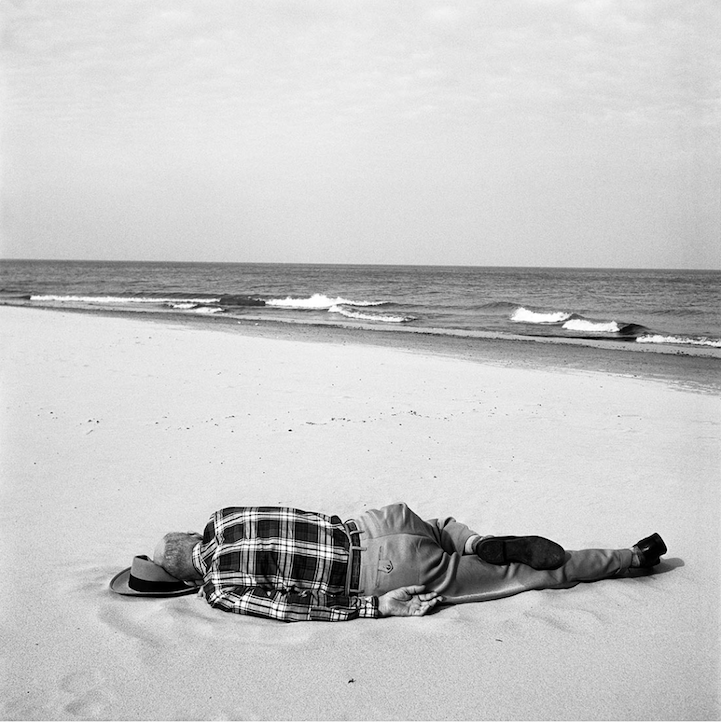
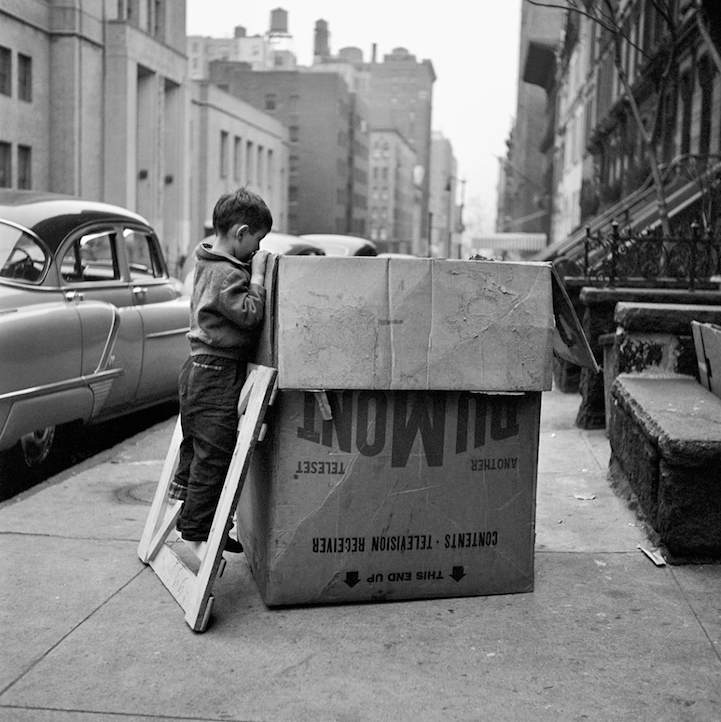
She photographed wealth and poverty, fashion and fatigue, children and elders, reflections and shadows. Humor appears without cruelty. Formal intelligence appears without academic stiffness. A newspaper, a hat brim, a storefront letter, a pair of hands—these become compositional anchors. She understood that street photography is not only about “catching” a moment; it is about arranging a rectangle so that the moment can be read.
Self-portraits recur: Maier in mirrors, shop glass, puddles, and chrome. Those images are not vanity in the modern social-media sense. They are proof of presence—records that the observer also occupied the world she documented. In an archive built without a public audience, the self-portrait becomes a kind of signature and a kind of companionship. She was there. She saw herself seeing.
Discovery, books, and the problem of ownership
Around 2007, boxes from unpaid storage connected to Maier’s life entered auction circuits in Chicago. Collectors, notably including John Maloof, began buying and studying the material. As prints and scans circulated, the work drew museum and festival attention. The 2011 book Vivian Maier: Street Photographer helped establish a broader audience. Documentaries and further publications followed. Exhibitions traveled internationally.
That public afterlife is complicated. Questions of copyright, estate, and stewardship have been contested in legal and ethical terms for years. Viewers do not need every lawsuit detail to understand the core tension: an artist who did not authorize a career now has one. Respect, in practice, means treating the photographs as serious art rather than as a scavenger hunt, and treating Maier as a person rather than as a riddle designed for content farms.
It also means remembering method. Maier shot film, often left rolls undeveloped, and accumulated far more than she printed. Selection today is always someone else’s selection. When we call a set “the best,” we are talking about curated encounters with an unfinished conversation between photographer and negative. That does not diminish the power of the images. It should diminish certainty about what Maier “would have wanted” in every case.
How to look at these frames
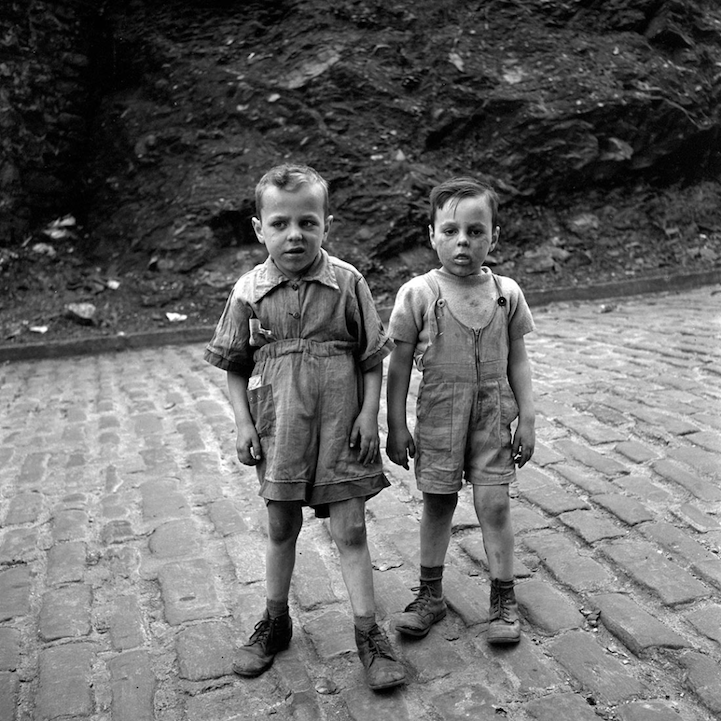
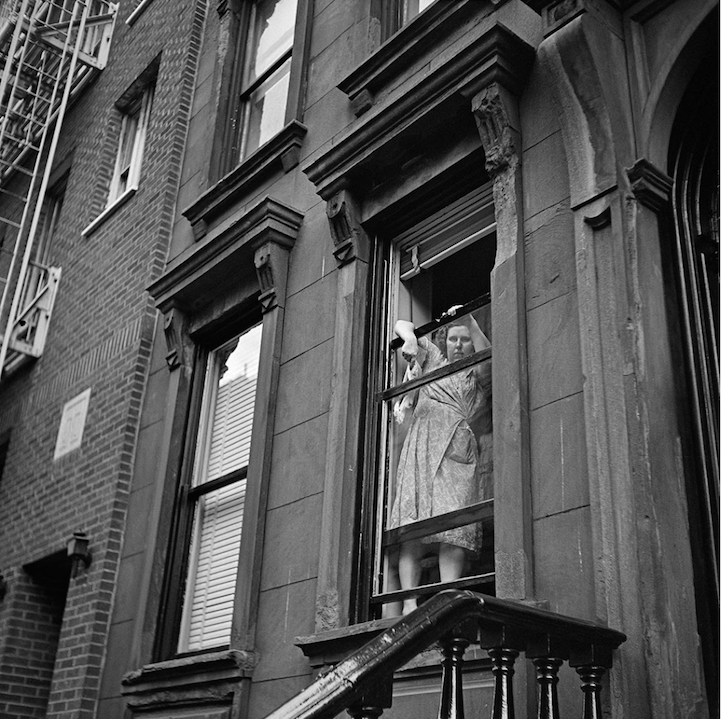
Start with edges. Maier often used the frame as a knife: crop that feels decisive, not decorative. Then notice social detail—shoes, newspapers, the distance between strangers on a sidewalk. Then notice light. Mid-century American daylight in her work is rarely postcard-golden; it is workable, sometimes harsh, sometimes soft, always used.
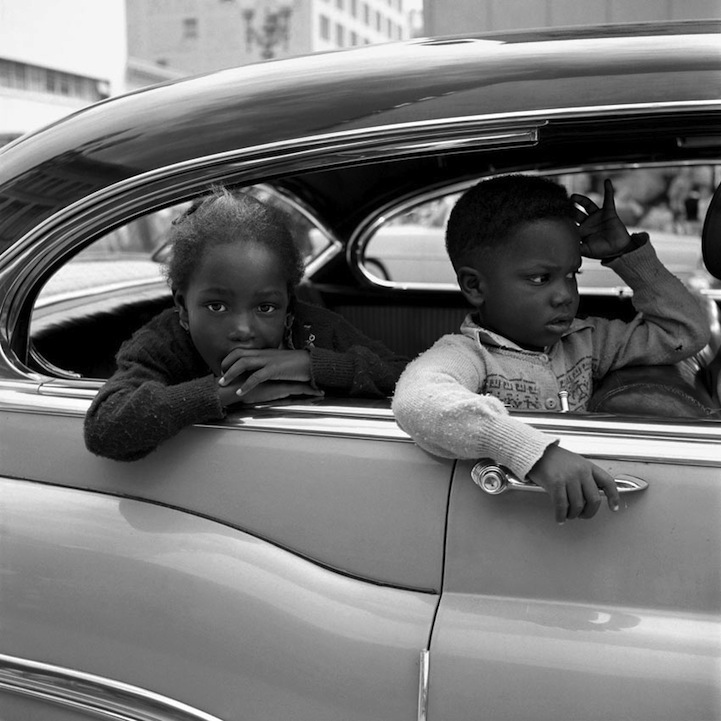
Compare her children’s pictures with her pictures of adults. She could be playful without becoming cute, and frank without becoming cold. Compare street portraits with architectural and reflective studies. The same eye that found a face could find a city repeating itself in glass. That range is part of why the archive feels inexhaustible even in a short gallery.
Why Maier still matters
Maier matters because the pictures hold up under repeated looking, not because the biography is unusual. Plenty of people live privately. Few leave a visual record of urban America this dense, this sustained, and this formally alive. She shows that serious photographic practice can exist outside career systems—and that when such work finally meets an audience, the audience inherits obligations: accurate history, careful credit, and resistance to turning a nanny-photographer into a cartoon of secrecy.
Her line about the wheel—making room for other people—sits uneasily beside posthumous fame, which is part of why it remains worth quoting. Careers end. Archives begin new lives. The decent response is to keep looking at the photographs as photographs: black-and-white street pictures of people sharing a city for a second, made by someone who kept showing up with a camera long after most hobbyists would have stopped.
For a deeper biographical overview and authorized presentations of the work, see the resources gathered at vivianmaier.com. Then return to the frames themselves. That is where Maier’s intelligence still speaks most clearly.

Comments
Continue reading
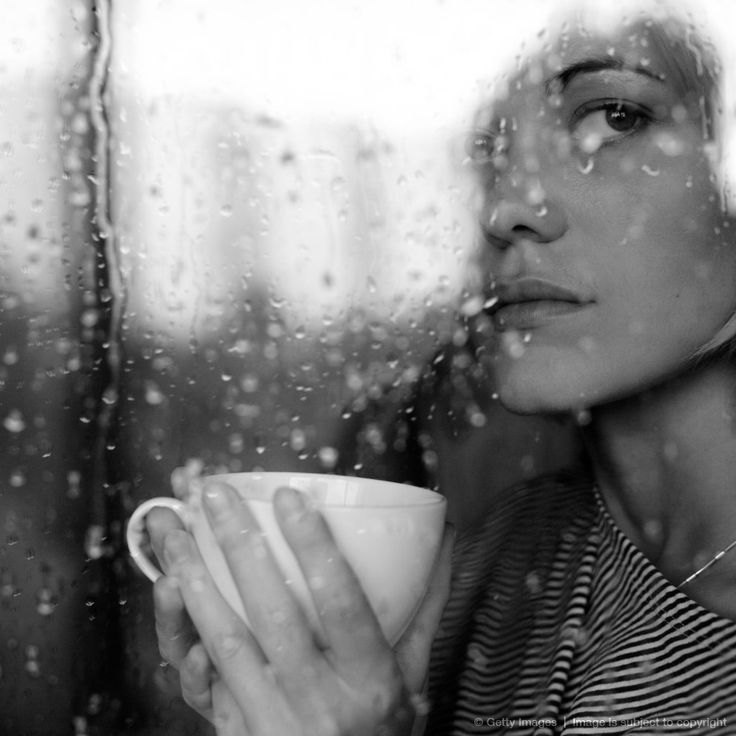
Black and White Photography of Beauty and Solitude
Monochrome frames that treat solitude as presence—not pity—through light, space, and the quiet beauty of being alone.

Black and White Boudoir Photoshoot Ideas: Light, Consent, and Tasteful Framing
Respectful monochrome boudoir ideas—consent and comfort, wardrobe and fabric, posing without stiffness, privacy-minded crops, and a practical session checklist.
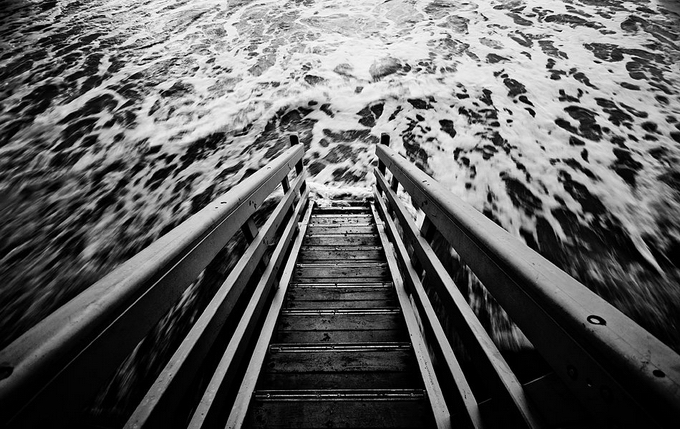
Black and White Photography by Guy Cohen
Jerusalem photographer Guy Cohen’s high-contrast black-and-white work—shadows, light, and surreal street atmospheres from his early-2010s portfolio.