
A Beautiful Collection of Cinemagraphs by Jamie Beck and Kevin Burg
Living stills from the early cinemagraph era—Jamie Beck and Kevin Burg’s looped motion inside otherwise frozen photographs.
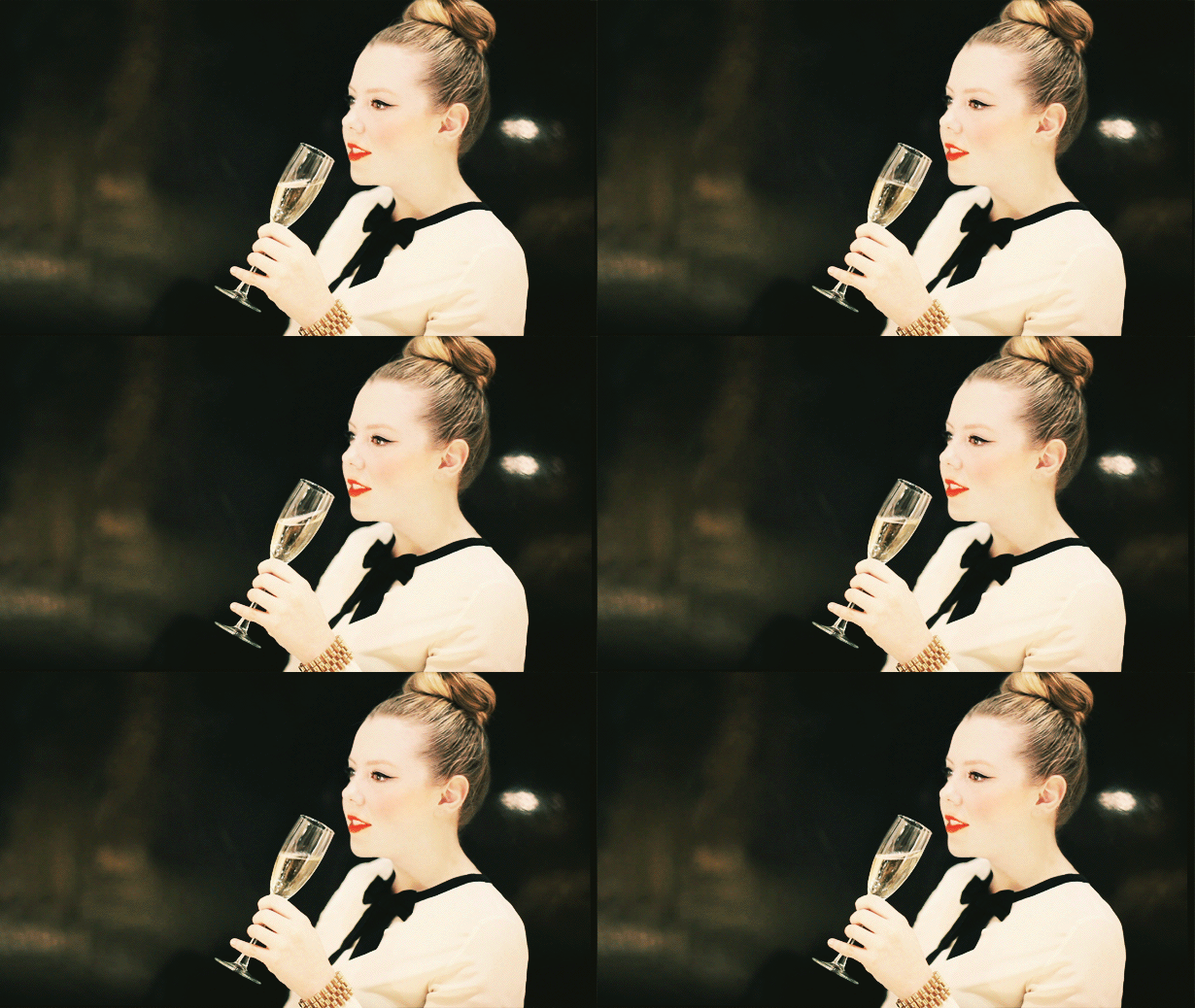
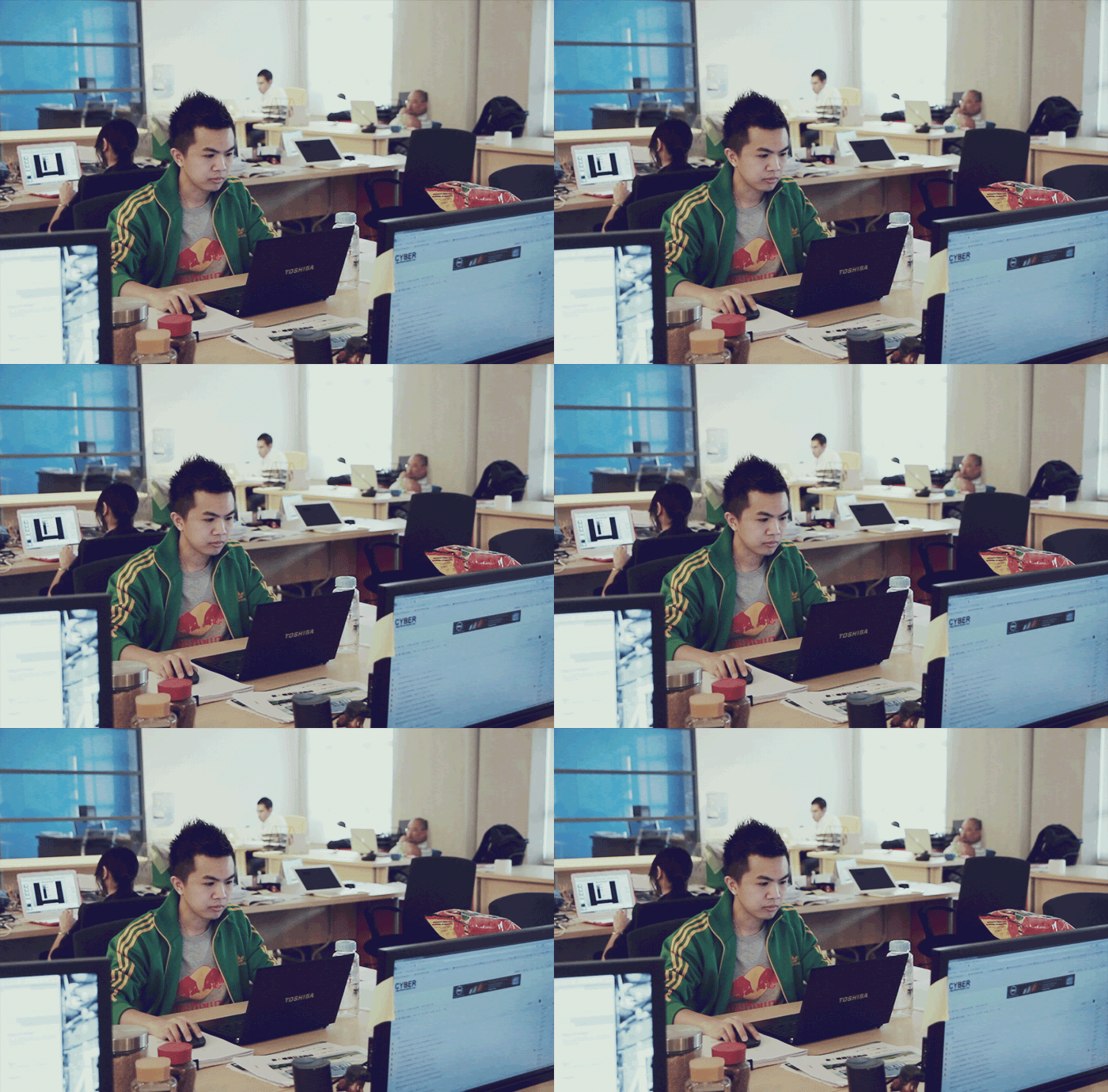
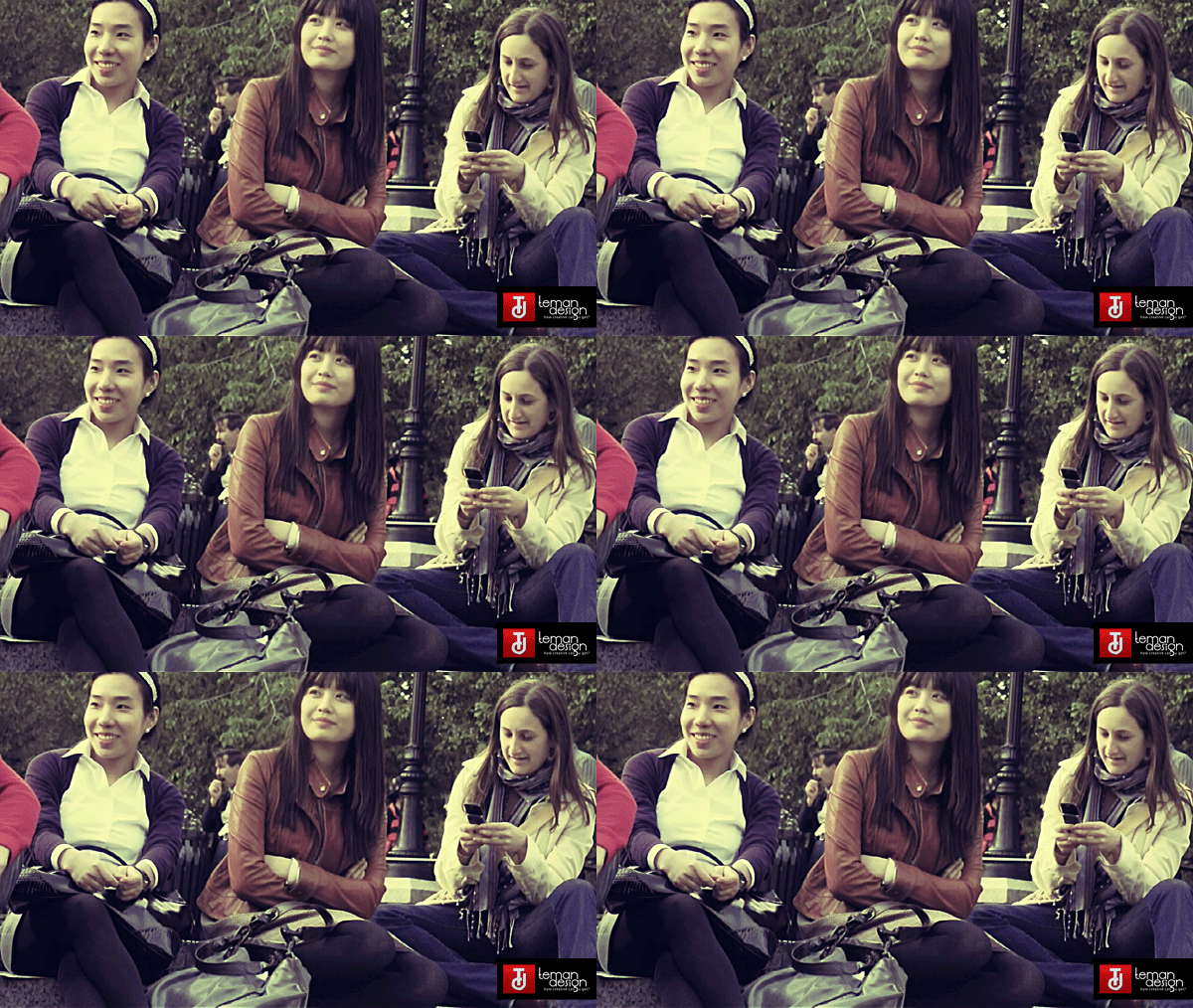
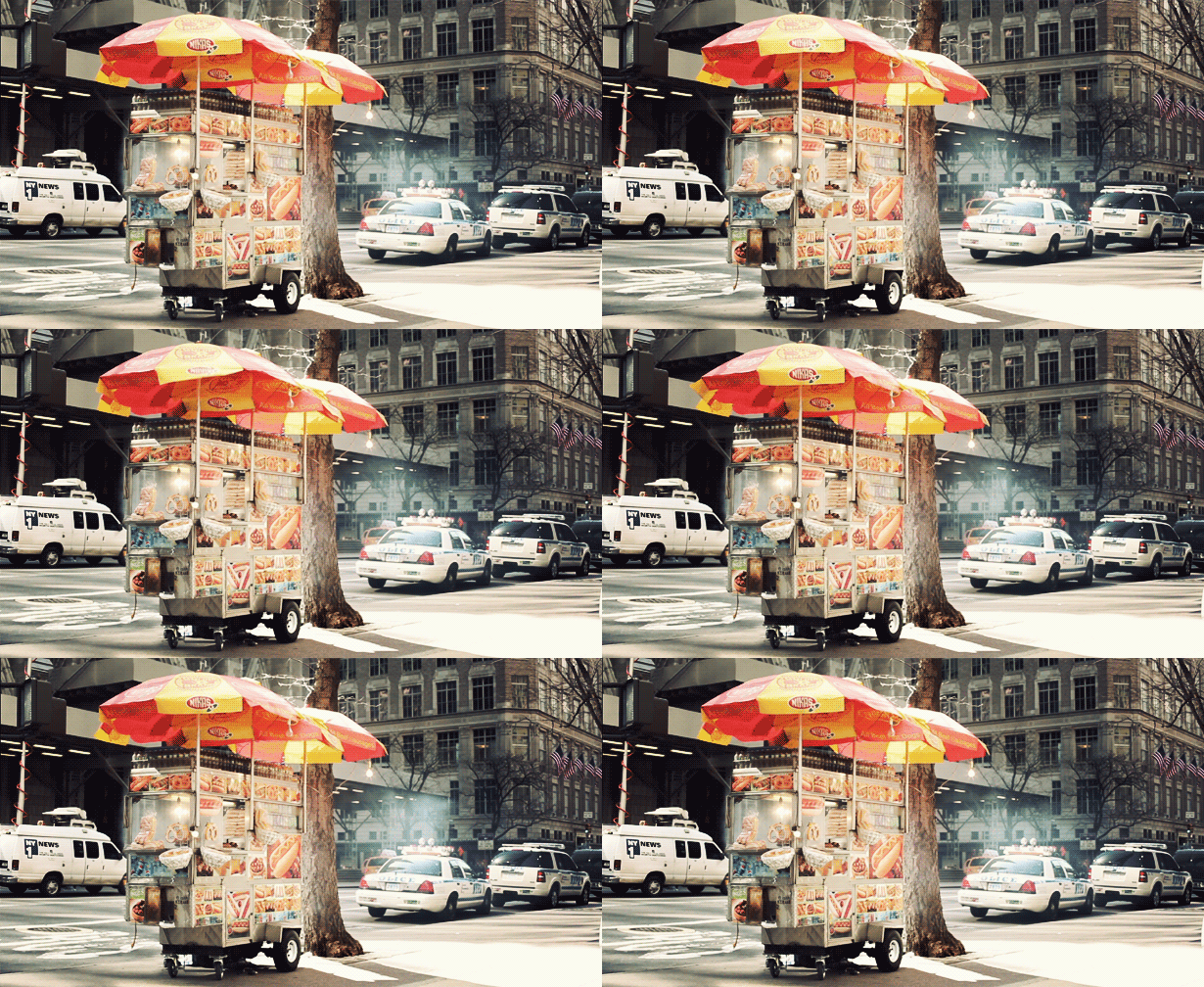
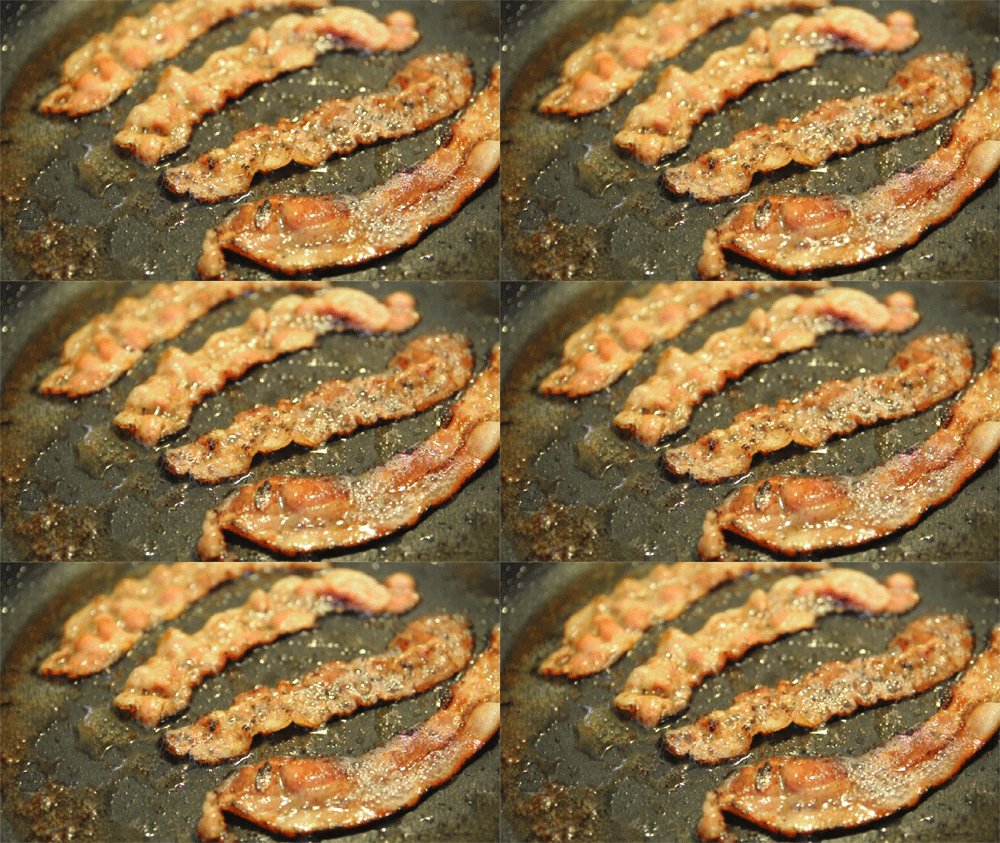
A cinemagraph sits between a photograph and a video: most of the frame stays still while a single detail moves in a seamless loop. Steam lifts from a cup. Hair shifts in wind. A blink repeats forever. The effect is quiet rather than noisy—the opposite of the old animated GIF stereotype of flashing banners and clumsy loops.
Photographer Jamie Beck and designer Kevin Burg named and popularized the form in 2011, refining it through fashion-week experiments and publishing living images that treated motion as a precise edit, not a gimmick. This gallery collects cinemagraphs in that spirit: high-quality still photography with one carefully chosen pulse of life.
Where the form came from
Beck and Burg were working in New York when they pushed past ordinary animated GIFs toward something that kept the composure of a still. Fashion week offered the practical problem: how to show more of a moment than one frozen frame without demanding the attention and file weight of full video. Their answer was selective motion—masking and looping so that only the meaningful fragment animates.
They coined “cinemagraph” in March 2011. Early pieces circulated through Beck’s visual blog culture and press coverage that treated the work as a new digital craft rather than a novelty filter. Interviews from that period describe a process that still holds: intricate edits could take a day; simpler ones a few hours; the base was always a strong still photograph.
GIF was the sharing format of convenience then. The idea was never owned by GIF alone. Later presentations often used higher-quality video embeds, but the aesthetic remained: stillness as the default, motion as the exception. HuffPost and other outlets helped introduce the word to a wider audience who had grown tired of noisy web animation and were ready for something closer to cinema’s restraint.
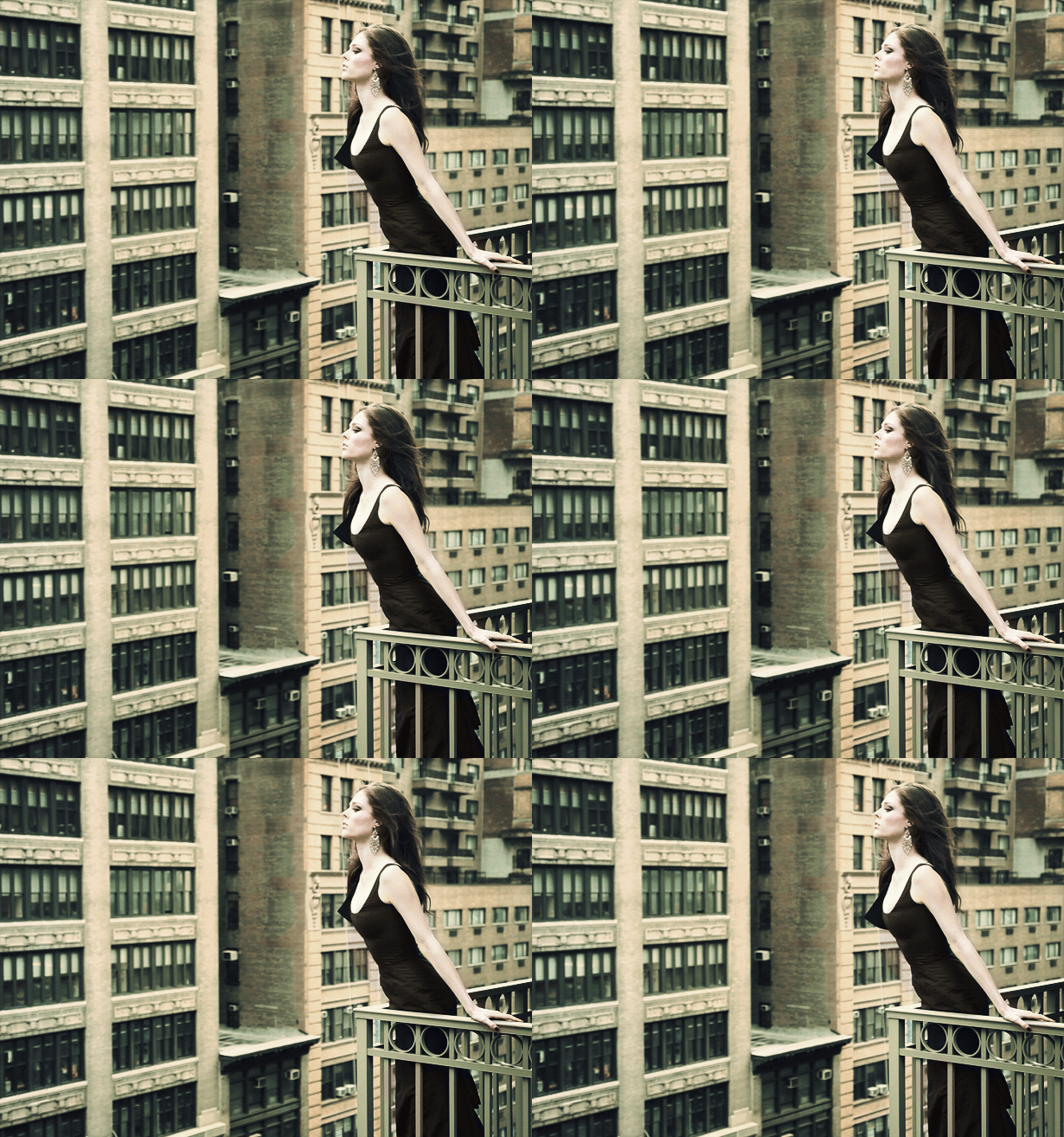
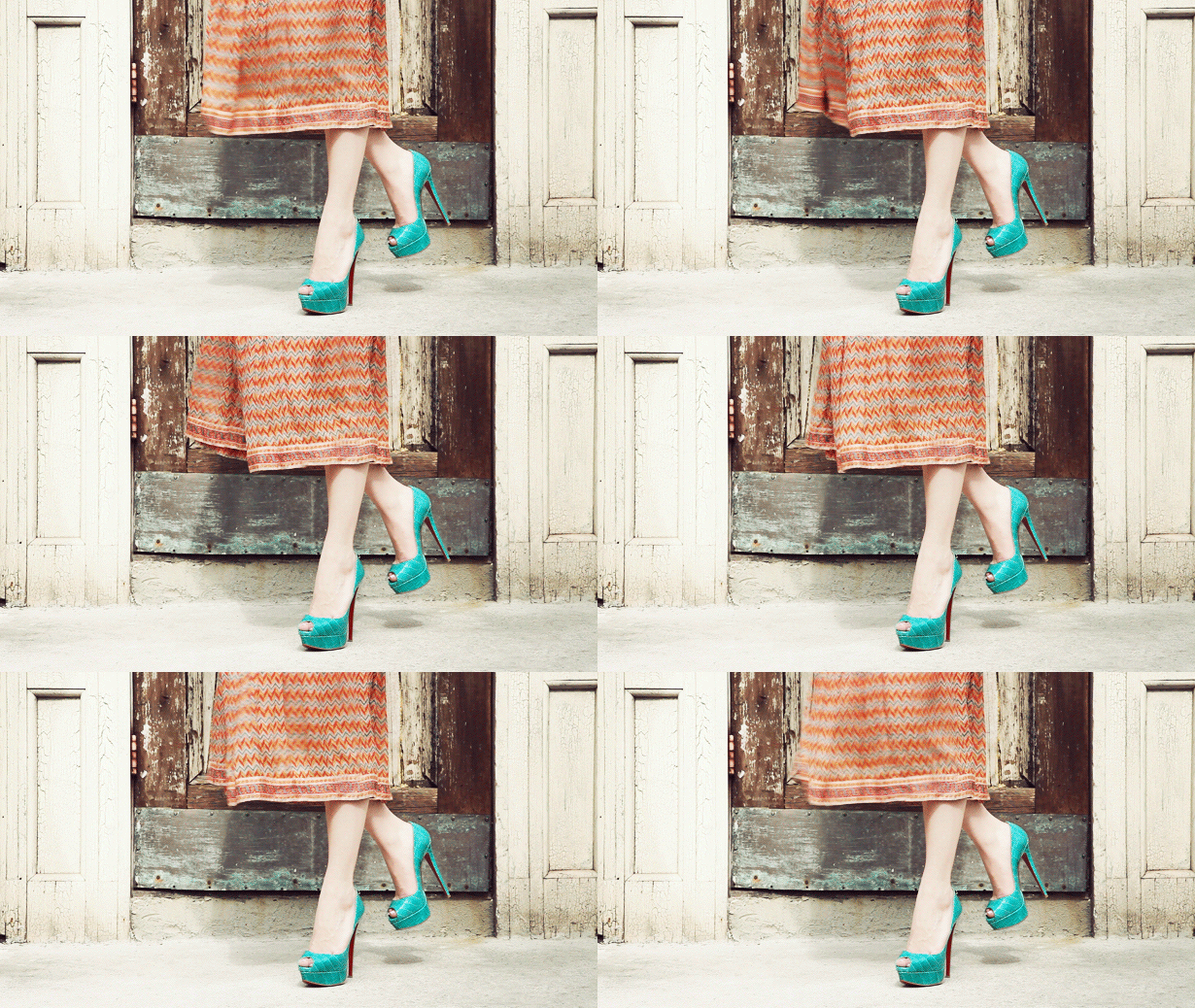
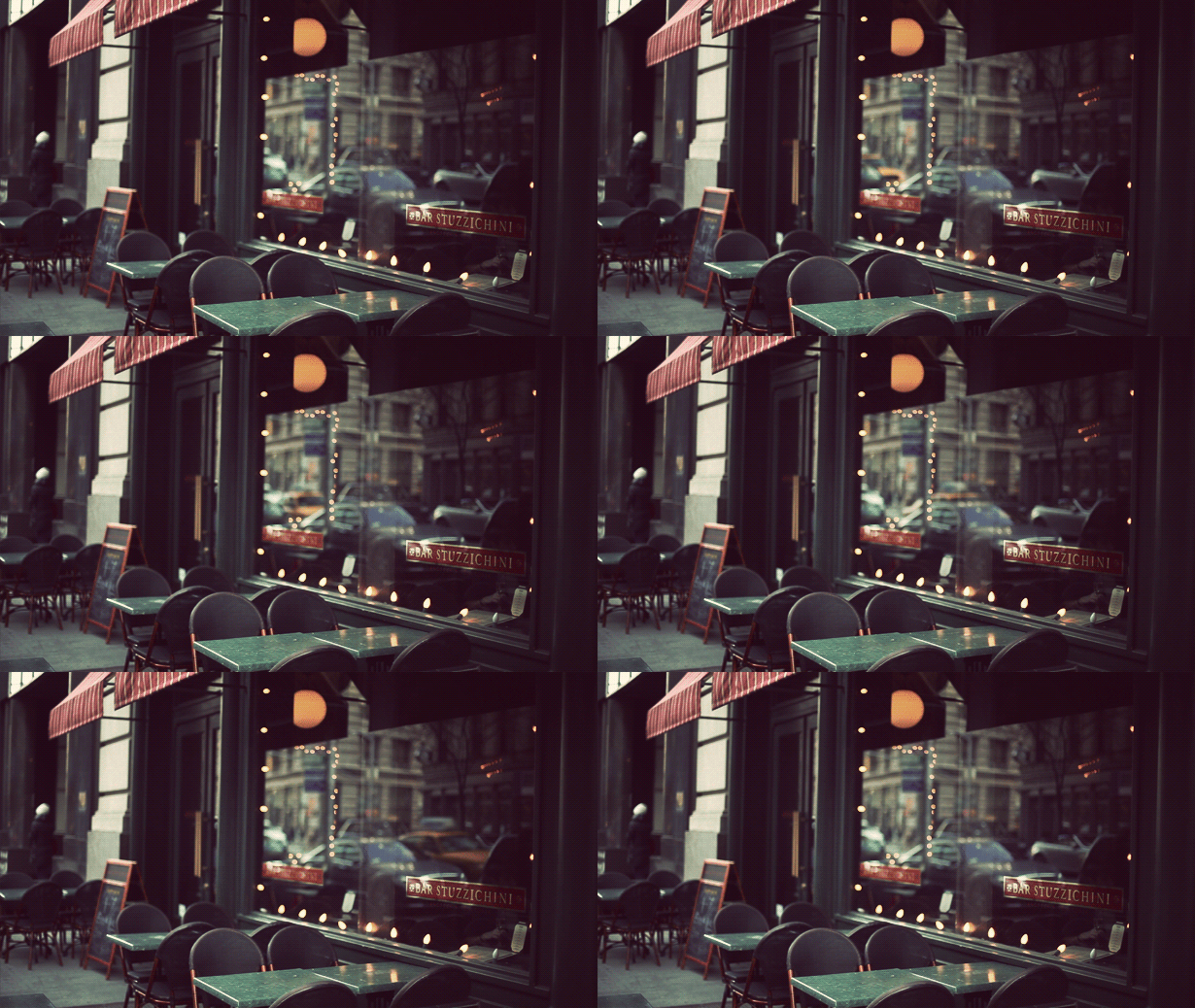
What makes a cinemagraph work
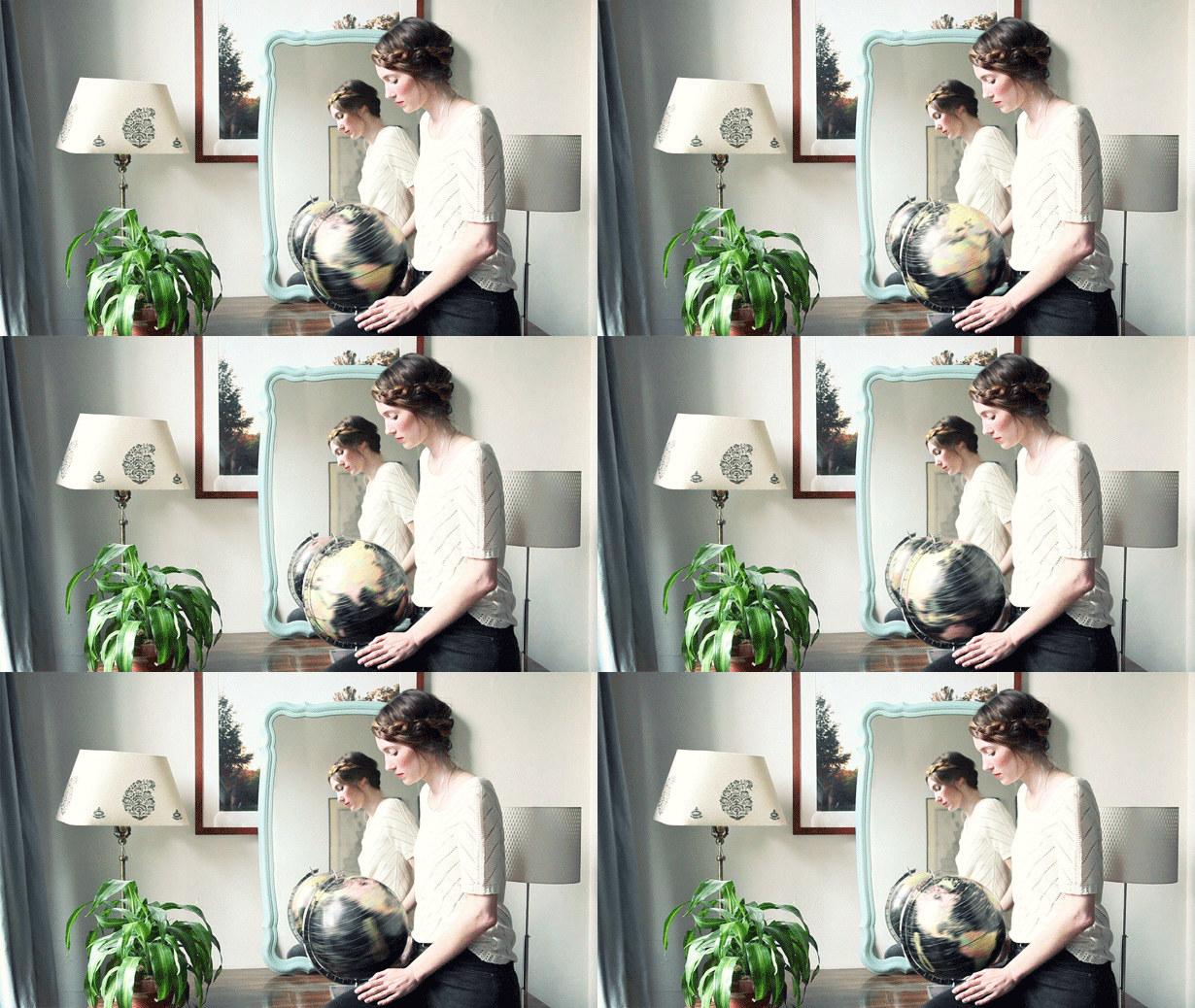
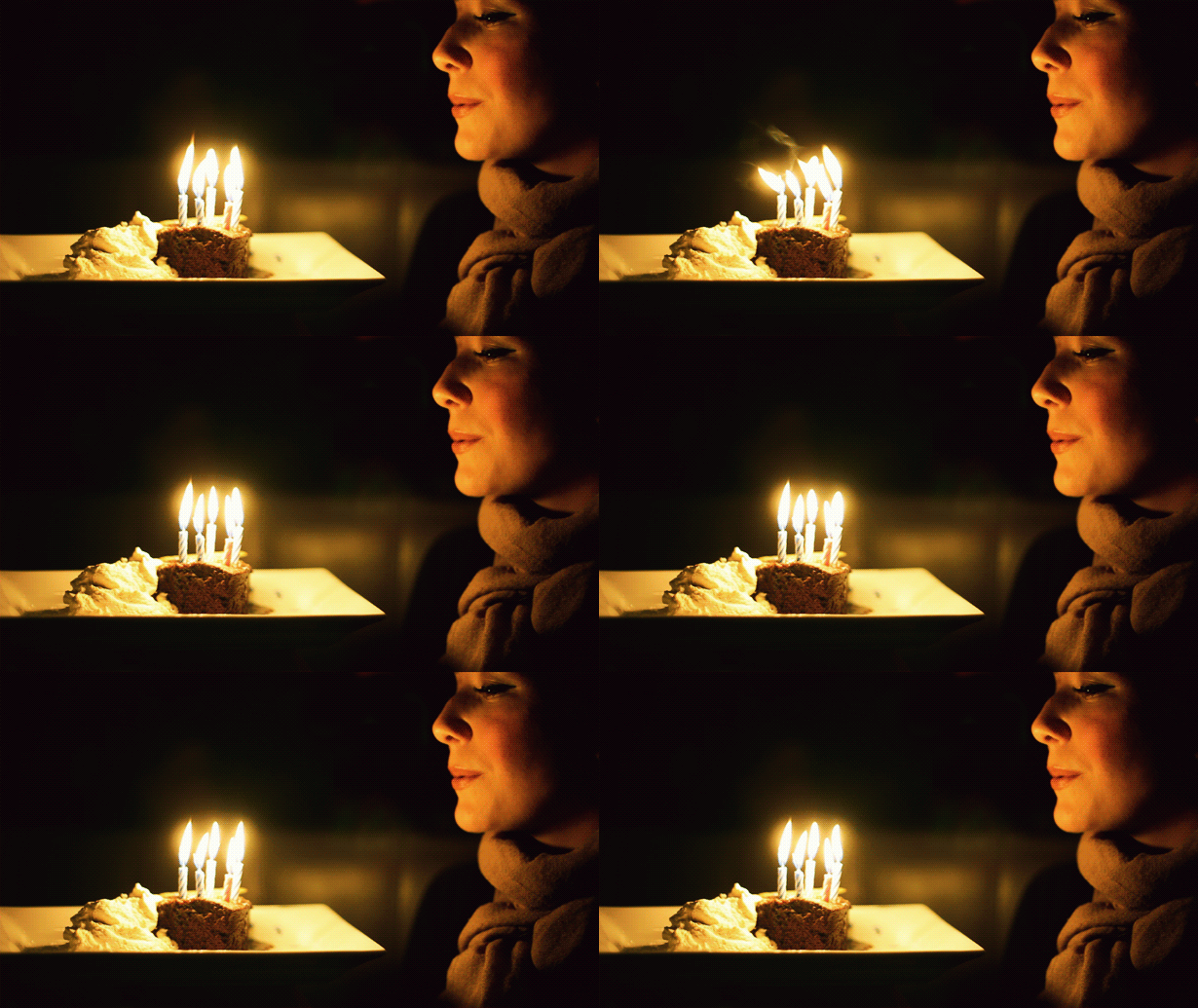
Technique starts with judgment. The moving element should be small enough to surprise and large enough to notice. A flickering candle in an otherwise locked room can hold attention longer than a frame where half the pixels thrash. The loop must hide its seam; if the eye catches a jump, the spell breaks.
Compositionally, the still majority of the image has to be strong on its own. Weak photography with motion glued on remains weak photography. Lighting, pose, wardrobe, and set design do the same work they do in a print. Motion is seasoning.
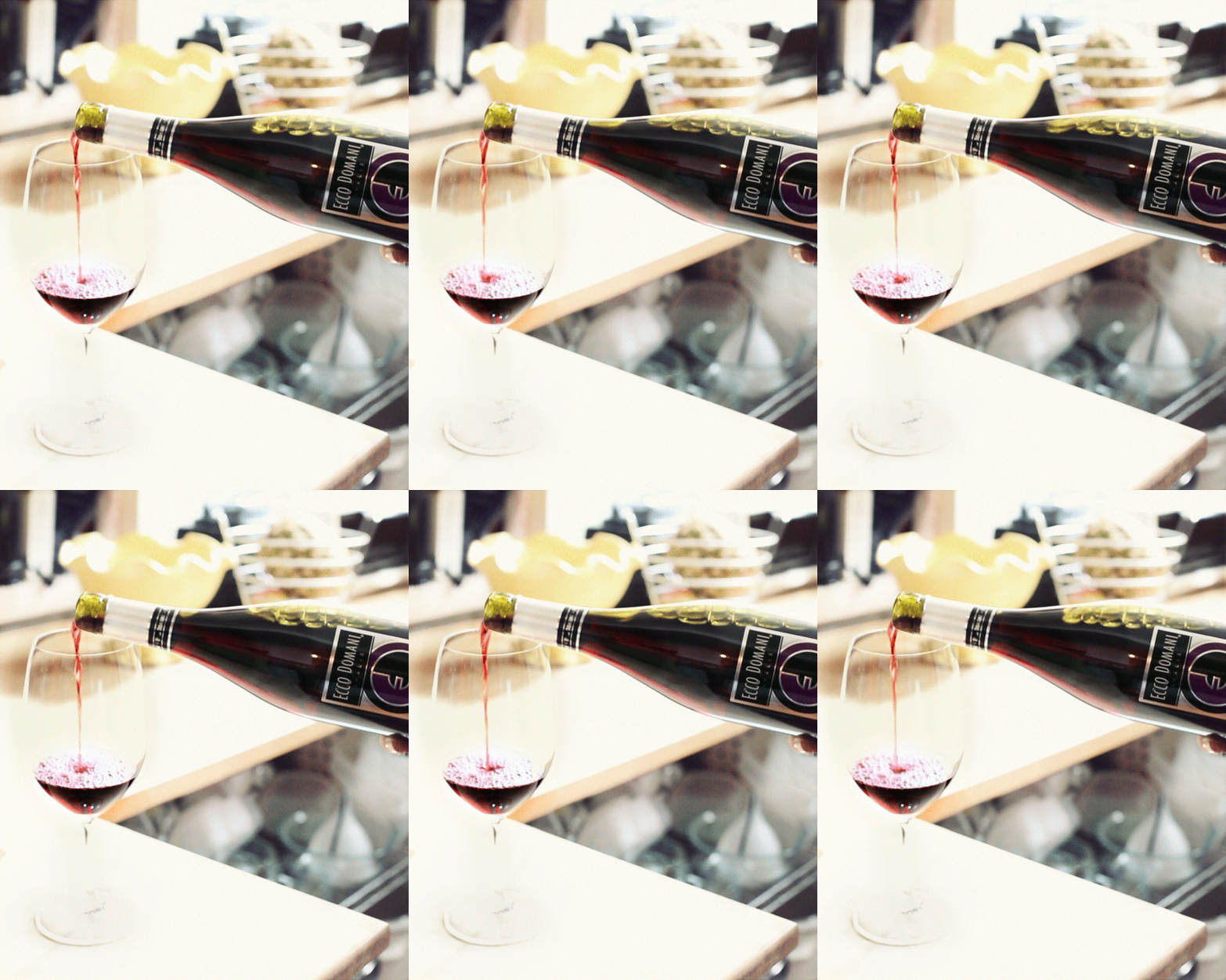
Emotionally, the best pieces feel like time briefly refusing to end. A glance continues. Fabric breathes. Liquid keeps pouring without emptying. That endlessness can be elegant or slightly uncanny—both are valid, as long as the choice is deliberate. Viewers often describe a mild hypnotic pull: they meant to scroll away, then stayed through three more loops.
Fashion, portraiture, and the living detail
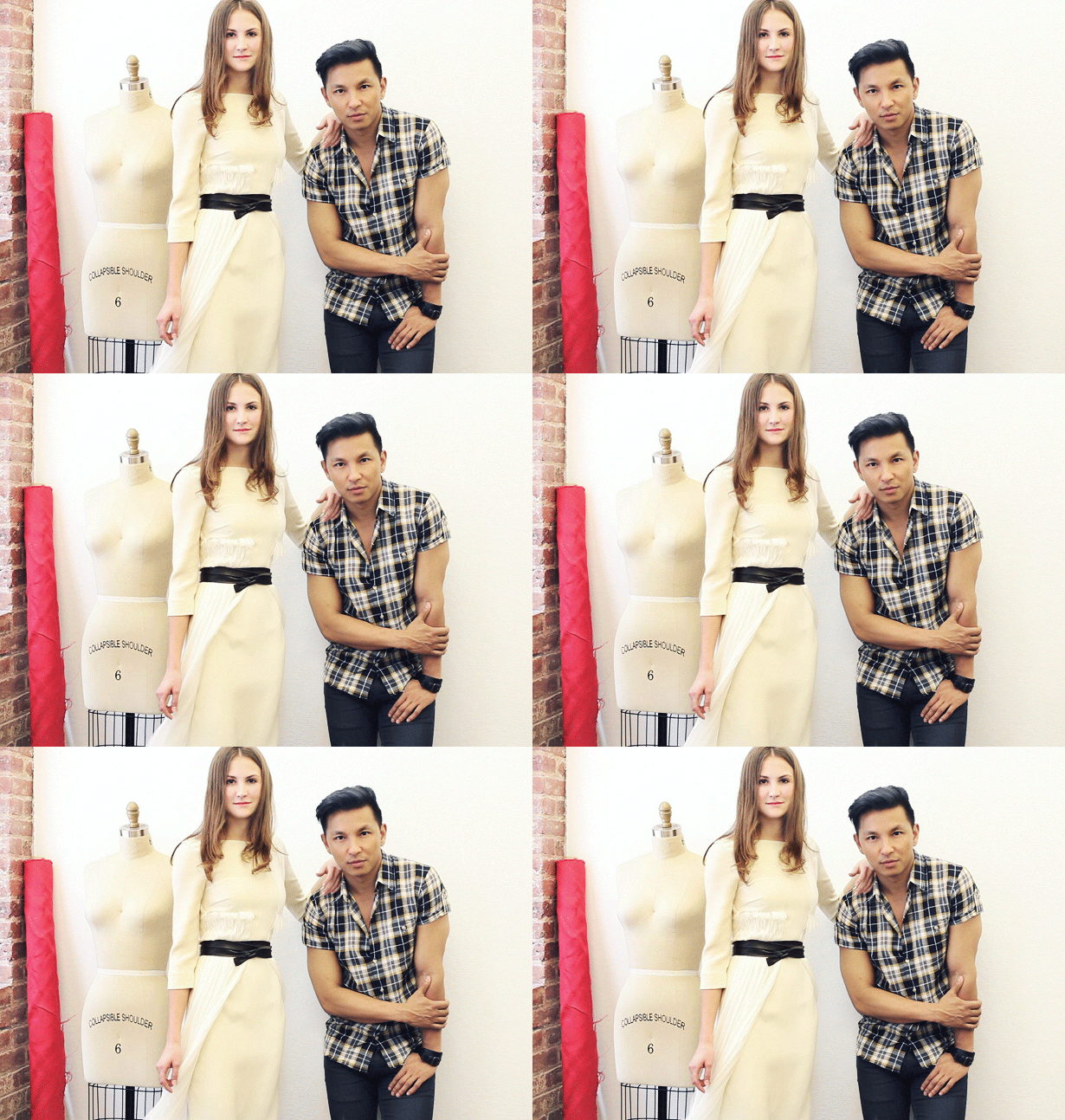
Beck and Burg’s early reputation grew in fashion contexts where motion could reveal how clothes behave: a hem flutter, a jewel catching light, smoke held just so. Portrait cinemagraphs often animate something intimate—eyes, breath, a hand—while expression stays composed. The viewer leans in, hunting for the moving piece, then settles into the loop.
That hunting impulse is part of the pleasure. Unlike video, which asks you to follow a timeline, a cinemagraph asks you to notice. It rewards a second look the way a painting does, with the added twitch of life. In editorial use, the format also solved a web-era problem: pages needed motion to feel current, but full video players felt heavy and interruptive.
Collaborations with models and fashion-week subjects helped prove the medium was not a one-off trick. When motion served character—Coco Rocha–era experiments were frequently cited in contemporary coverage—the still retained glamour while the loop added narrative breath.
How the craft is built
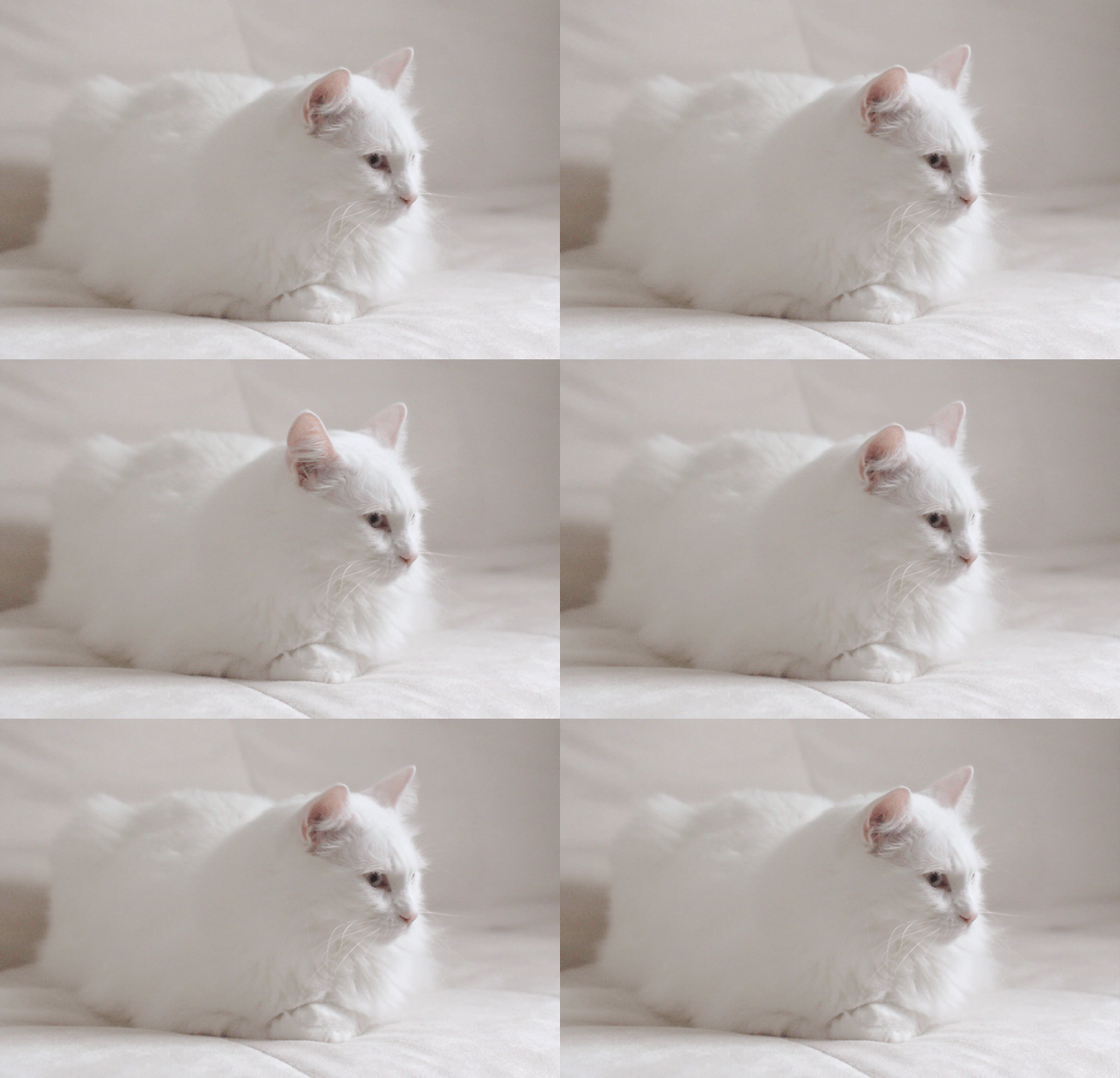
Practically, makers shoot with looping in mind. A locked-off camera, controlled light, and a motion that can repeat cleanly help later masking. Video or burst sequences provide the moving frames; a hero still provides the frozen world. Editors isolate the moving region, blend edges, and adjust timing so the end meets the beginning without a stutter.
Tools have changed since 2011, but the editorial questions have not. What deserves to move? What should stay archival and still? How long is the loop before repetition becomes irritation? Restraint remains the signature of the form Beck and Burg defined. Too much motion turns the piece into a short film clip wearing a photograph’s clothing.
File size and display still matter. Heavy GIFs can choke pages; modern workflows often prefer short muted video files that look sharper. Whatever the container, the viewer experience should feel effortless: autoplay where appropriate, no blaring audio, no banner energy. The craft is as much about what you refuse to animate as what you allow to live.
Why they still hold attention
Social feeds are crowded with full-motion clips that shout for clicks. Cinemagraphs whisper. That difference is why the format continues to appear in advertising, editorial features, and personal portfolios years after its early Tumblr-era surge. Brands like the hypnotic dwell time; artists like the hybrid craft; viewers like the puzzle of finding the moving part.
There is also a philosophical charm. Photography has always argued with time—stopping it, stretching it, lying about it. A cinemagraph admits that some moments refuse to be only one frame, yet declines the commitment of cinema. It is a compromise that feels like a third medium.
Ann Street Studio and related Beck–Burg projects later showed how the language could scale into commercial campaigns without losing the quiet core. Even when platforms changed—from Tumblr to Instagram to HTML5 video players—the best examples still obeyed the original rule: freeze almost everything, animate almost nothing.
Looking through this collection
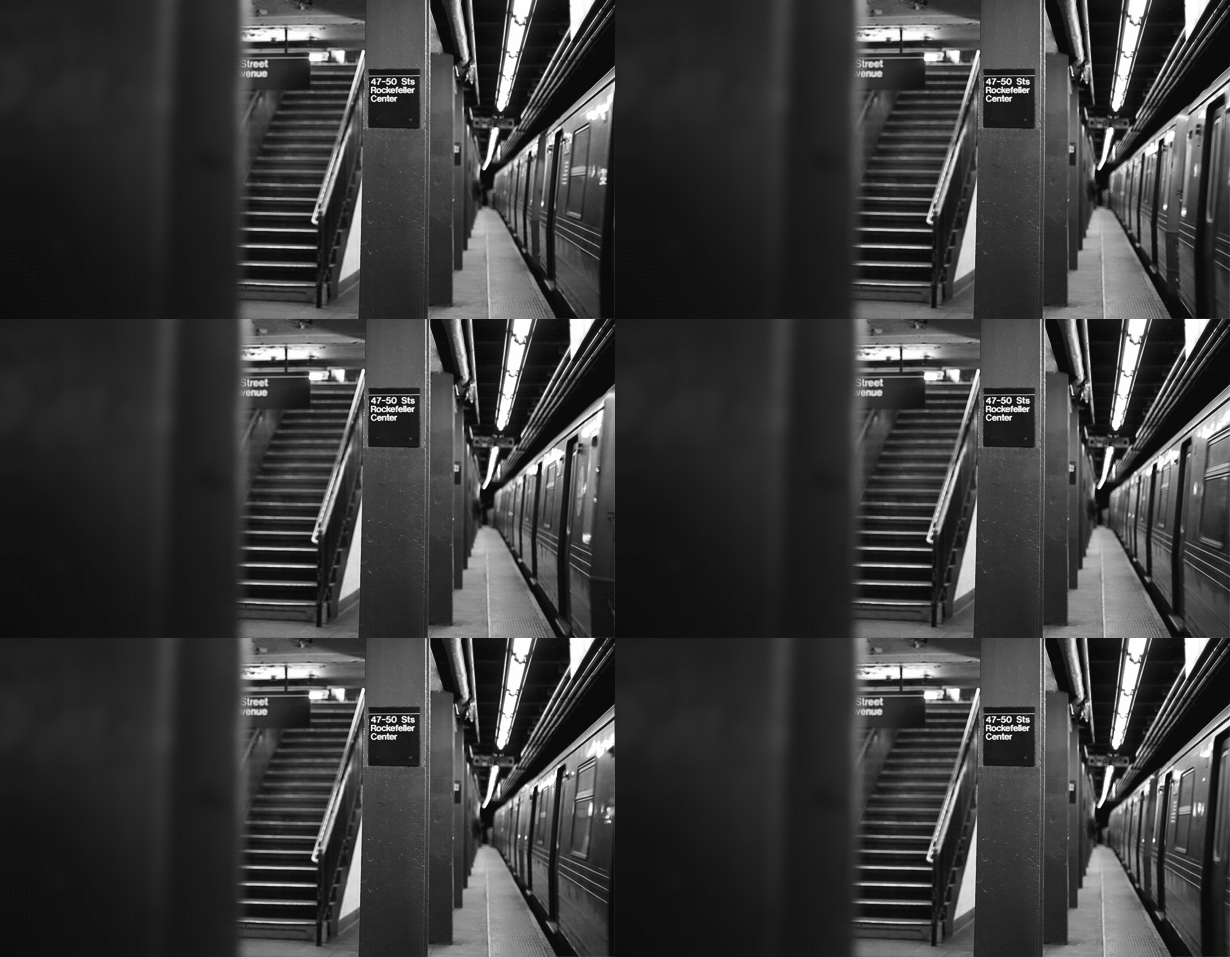
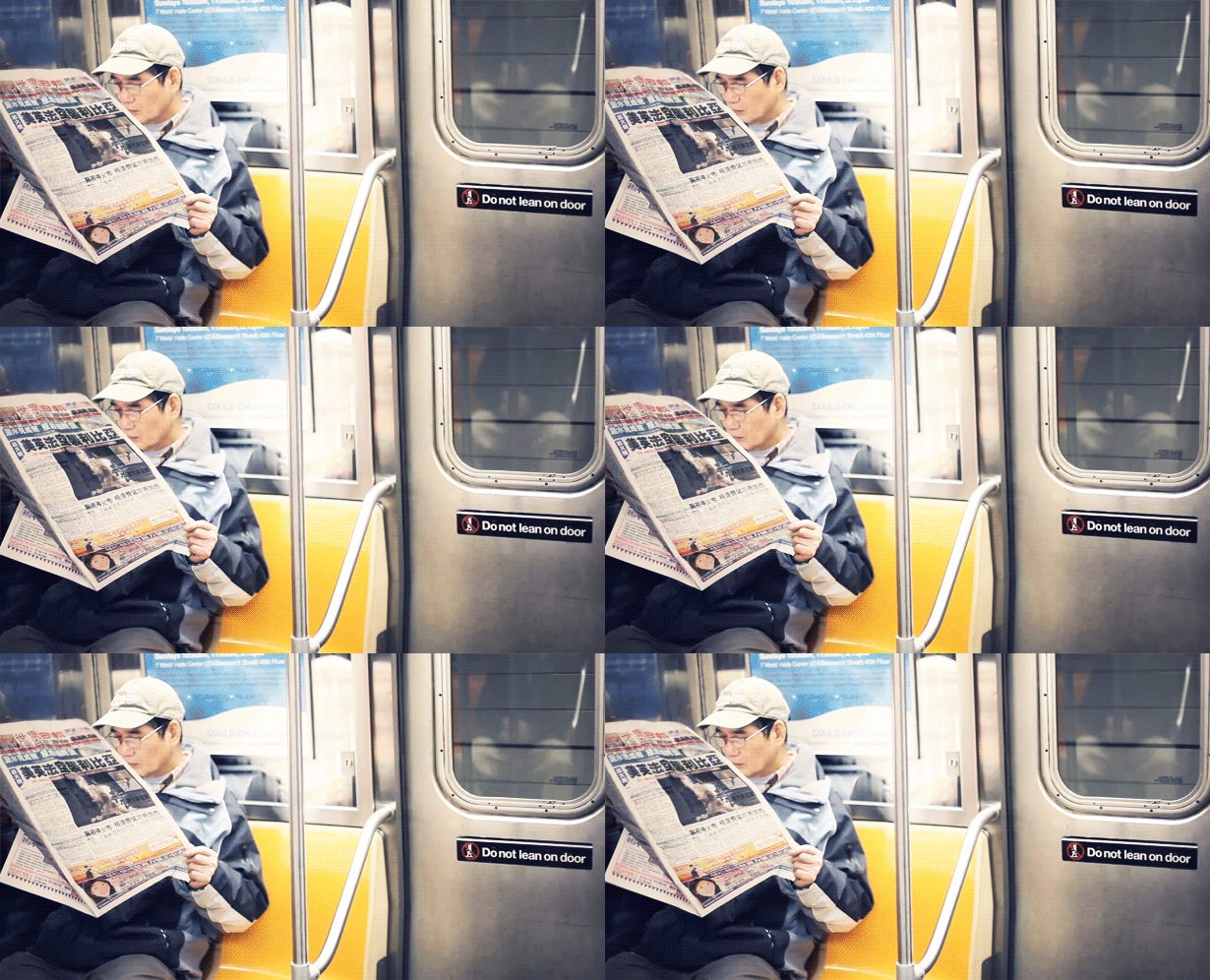
As you move through the images, watch for the smallest motion first. Let the still areas settle. Notice whether the loop feels luxurious or eerie, fashion-forward or intimate. Ask what would be lost if the motion were removed—and what would be lost if the whole frame became video.
Compare loops the way you might compare prints: which ones use wind, which use liquid, which use a human micro-gesture? Which backgrounds are so strong they could hang without animation? That dual test—still strength plus motion necessity—is how to separate a true cinemagraph from a clip that merely happens to loop.
Beck and Burg did not invent motion graphics; they narrowed motion until it could live inside a photograph without breaking it. The pieces here are invitations to look longer than a scroll usually allows. Find the moving fragment, then stay for the stillness around it.

Comments
Continue reading
Ana Pais Eternal Moments: Soft Cinematic GIFs
Ana Pais’s Eternal Moments series—spectral fashion-adjacent cinemagraphs from the early 2010s GIF wave, with collaborators André Tentugal and Christian Unterdechler.
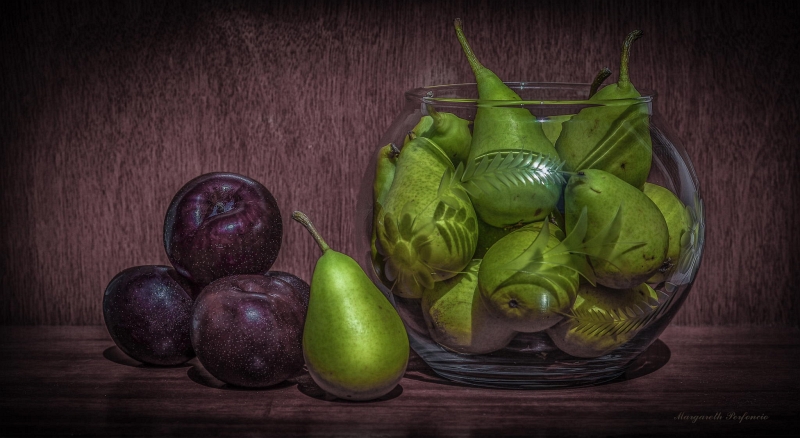
Still-Life Photography by Margareth Perfoncio
São Paulo photographer Margareth Perfoncio’s still lifes of food and flowers—Old Master light, dark wood, and tables that feel inevitable.
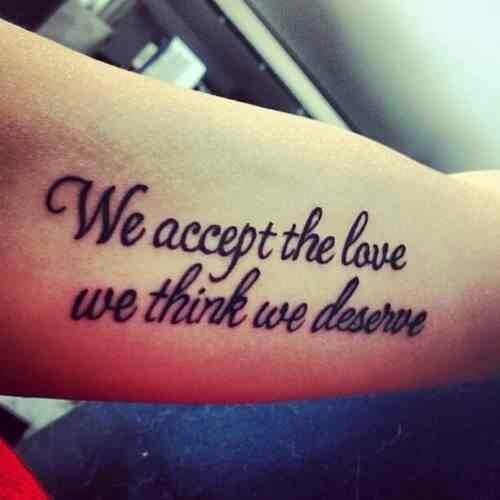
Meaningful Love Quotes for Inspiration (and Ink)
Meaningful love quotes that still feel true — short lines for tattoos, gifts, and everyday reminders, with placement and wording tips.