
Jamie Beck & Kevin Burg Cinemagraphs: Living Fashion Stills
A gallery of Ann Street Studio cinemagraphs—still photographs with one looping motion—from the early years when Jamie Beck and Kevin Burg defined the form.
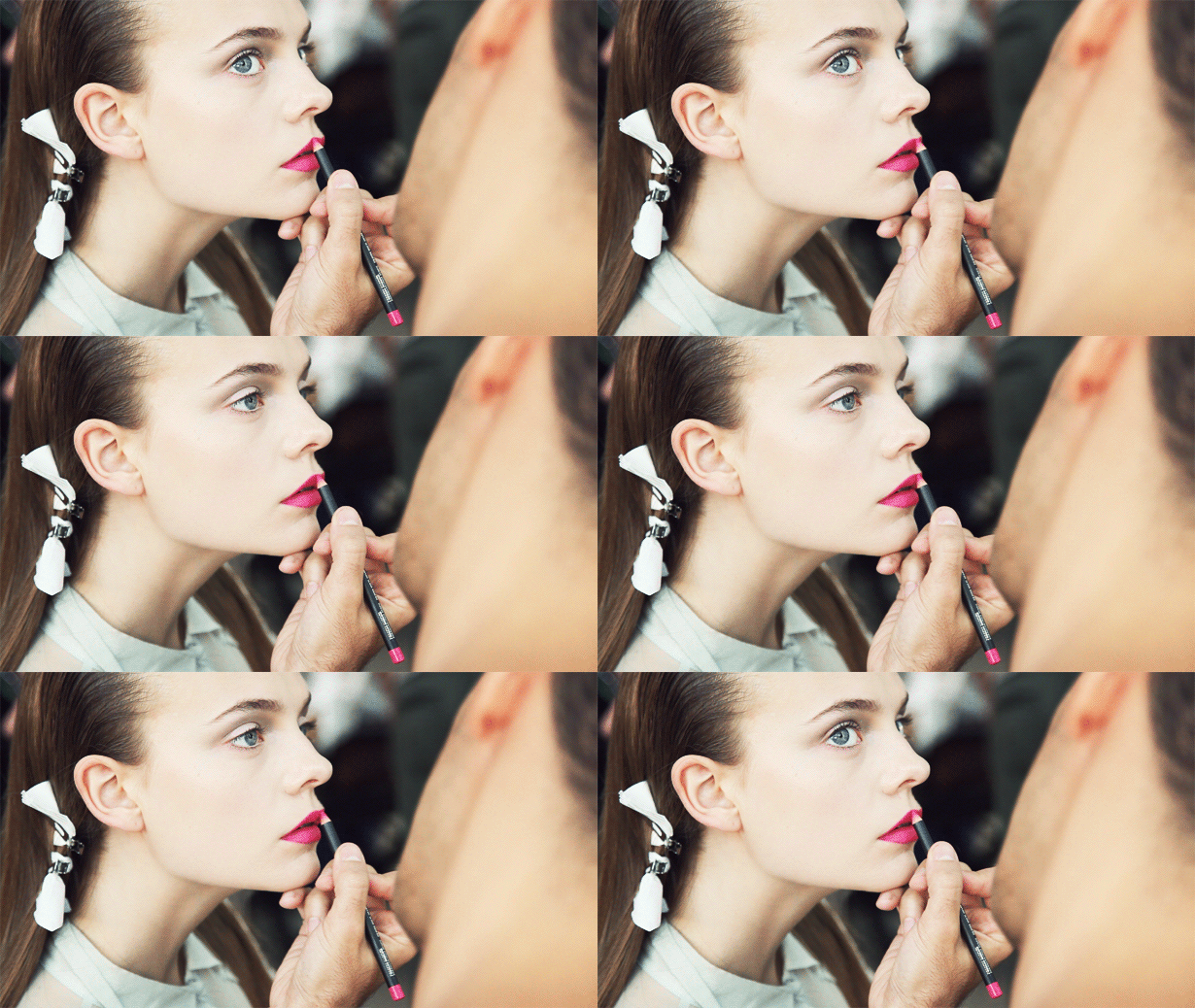
By late 2011 and into 2012, photographer Jamie Beck and motion designer Kevin Burg had already given the internet a word for a feeling many people recognized before they could name it: the cinemagraph. Not a full video clip, not a static fashion frame, but a still photograph in which one carefully chosen motion loops forever. This gallery gathers another set of their living images from the era when Ann Street Studio work—and Beck’s From Me To You blog—were teaching browsers how to pause on a moving detail.
What makes their approach distinct is restraint. Hair may drift while a face stays composed. Steam rises from a cup that never cools. Fabric shifts against a body that otherwise holds the pose of a print campaign. The rest of the frame behaves like classic editorial photography: lighting, styling, and composition do the heavy lifting; motion is seasoning, not spectacle.
Beck’s fashion and beauty background shows in how subjects are directed. These are not slapstick loops or meme gags. They are close to magazine stills that refuse to freeze completely—useful for anyone studying how gesture, wardrobe, and light can share a single decisive second. Burg’s post-production craft seals the loop so the eye accepts the motion as natural rather than mechanical.
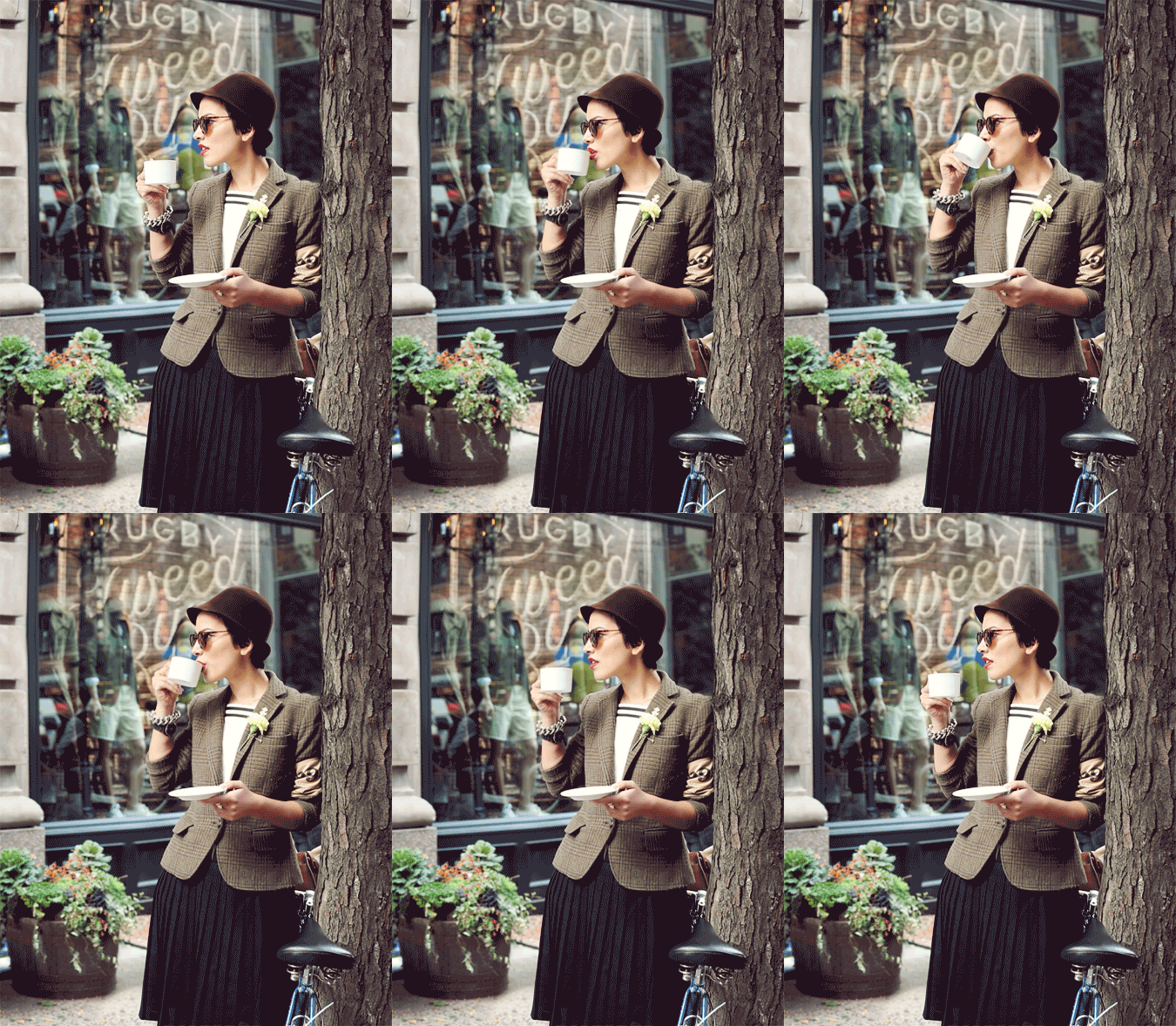
Technically, early cinemagraphs often began as high-quality photo or video captures, then were masked so only one zone continued to move. The GIF format made them shareable on blogs and Tumblr long before short-form video apps owned the scroll. File size and limited color depth were trade-offs; the payoff was a format that autoplayed without players, plugins, or captions explaining what to watch.
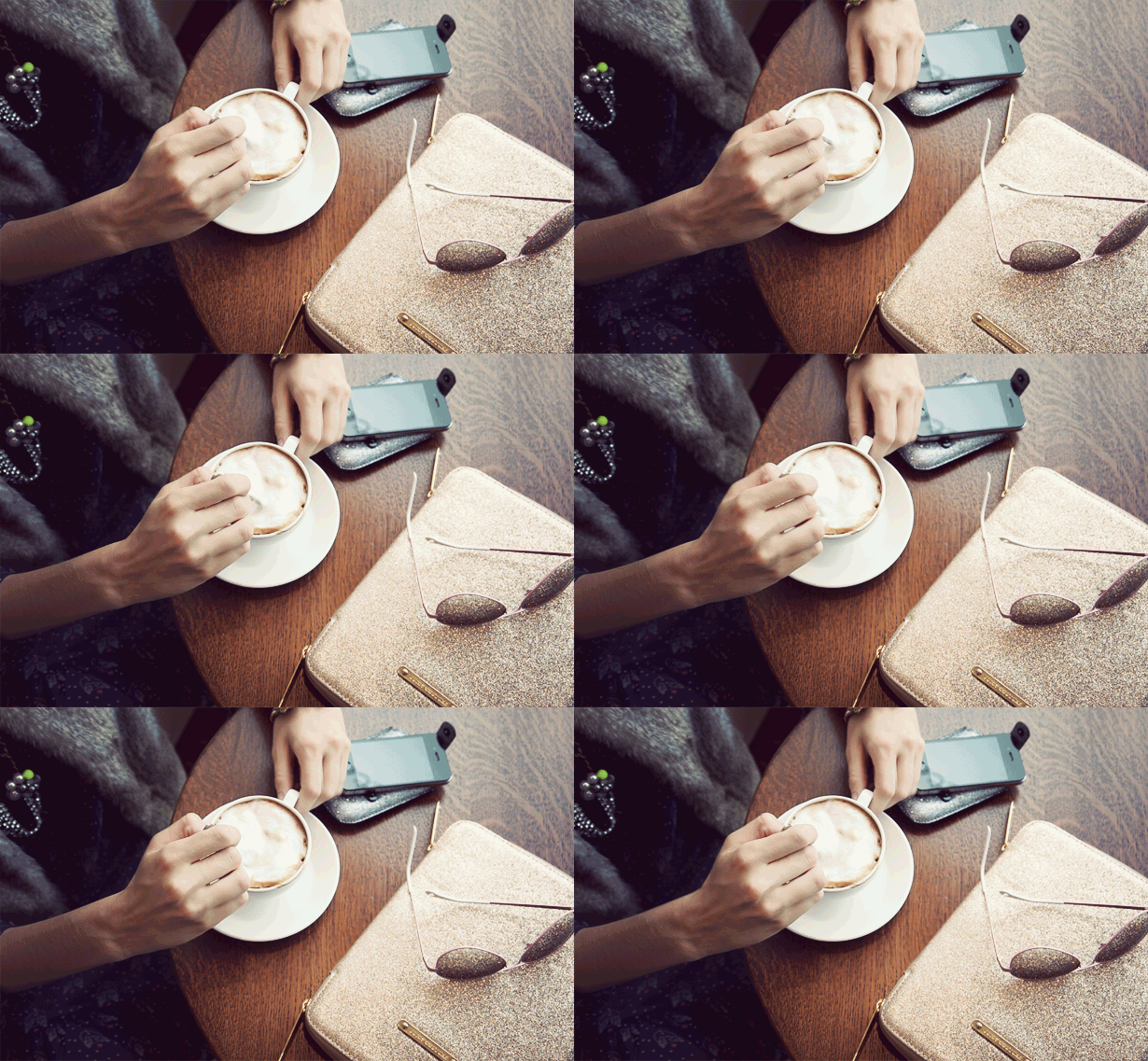
Look for the “quietest” motion first. The best pieces in this collection usually animate something ambient—air, liquid, cloth, smoke—while the emotional center of the portrait stays still. That contrast is the hook. Your brain expects either a photograph or a movie; a hybrid forces a second look, which is exactly why brands and magazines noticed the form so quickly after Fashion Week experiments brought it into public view.
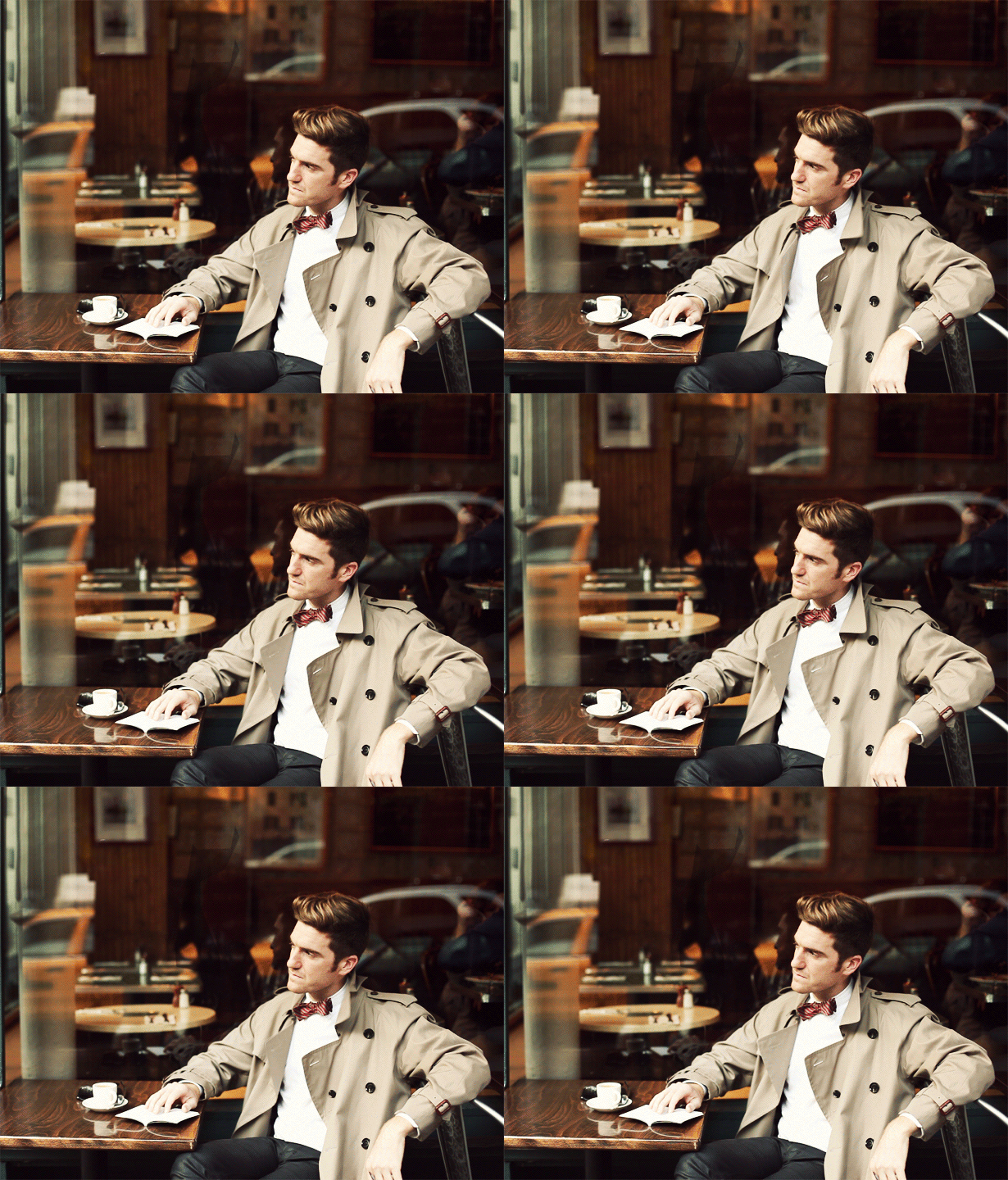
Composition still follows photography rules. Leading lines, negative space, and color hierarchy matter more, not less, when motion is present. If the frame is cluttered, the moving zone competes with everything else and the loop feels busy. Beck and Burg’s strongest frames treat motion as a designated actor with a small stage: one corner of the image, one edge of a garment, one prop on a table.
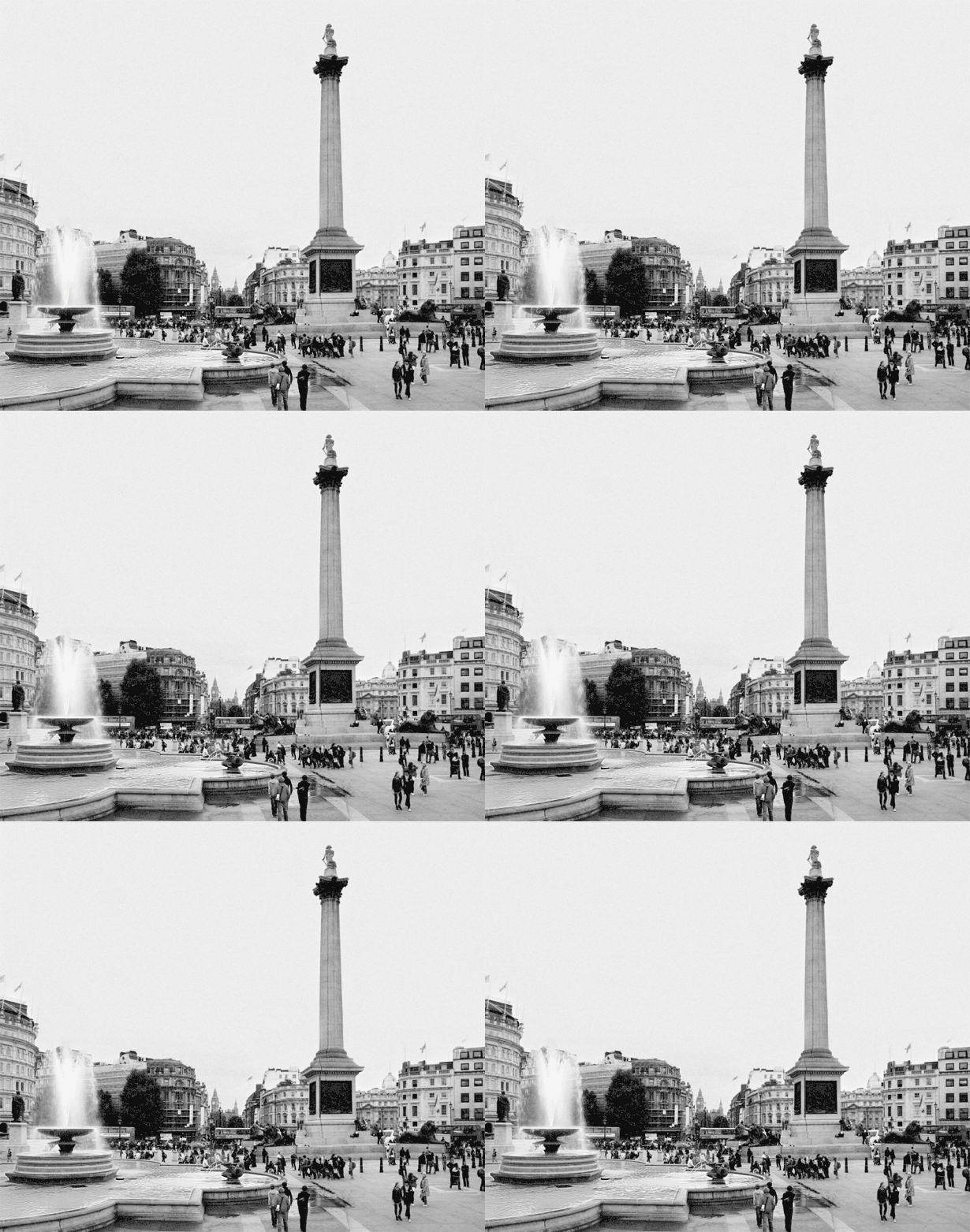
Color grading and contrast also do narrative work. Deep shadows, soft skin tones, and polished studio light keep these GIFs readable even when compression softens detail. That is part of why they read as “high-end” rather than as novelty animations. The photographic base has to be strong enough to survive the format.
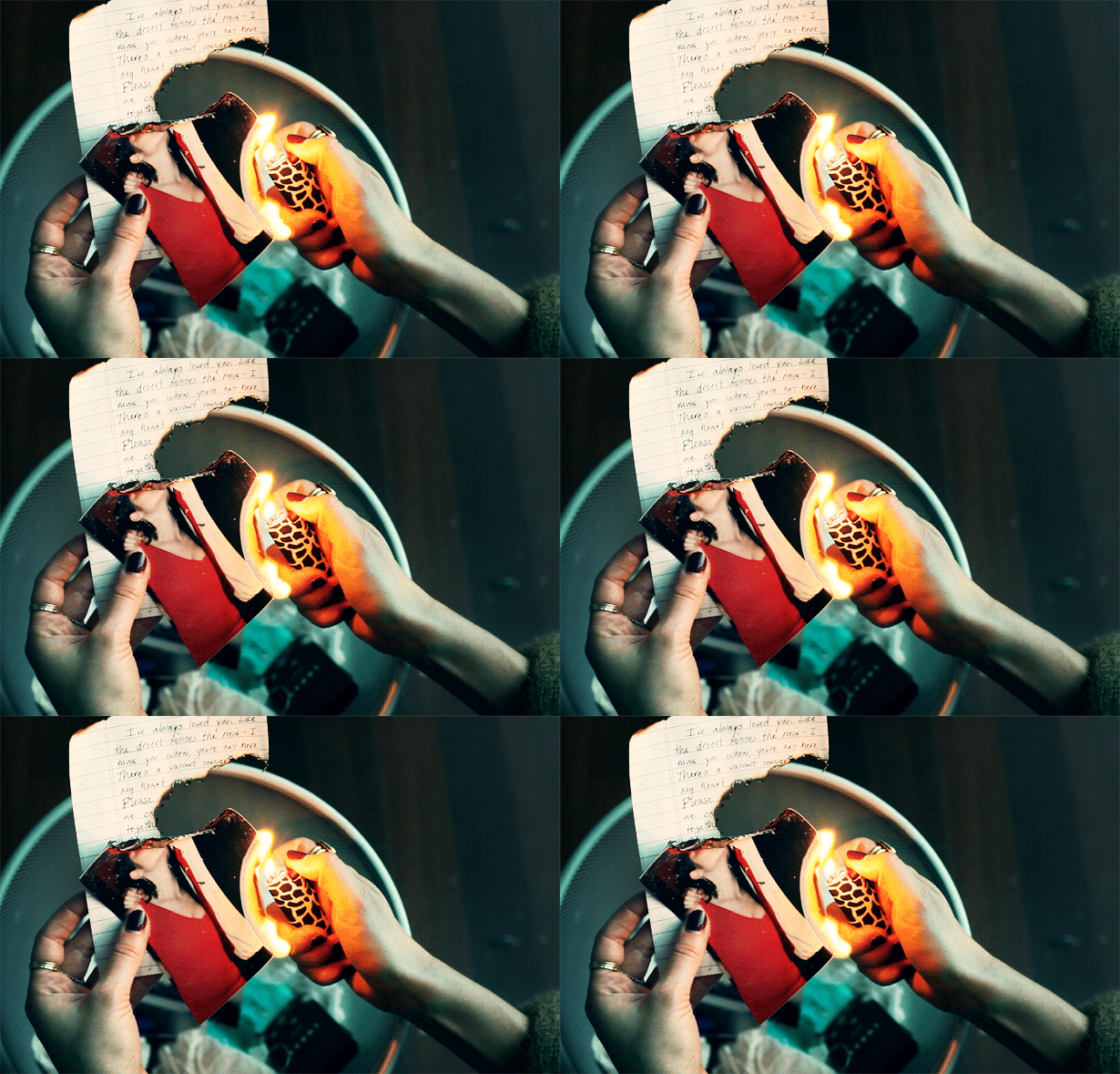
For photographers curious about making similar work, the useful lesson is editorial, not software. Decide the story of the still first. Ask which single motion would extend that story without rewriting it. A breeze through hair can suggest presence; a blinking eye can feel intimate; a pouring liquid can imply time passing. Multiple competing motions usually collapse the illusion into ordinary video.
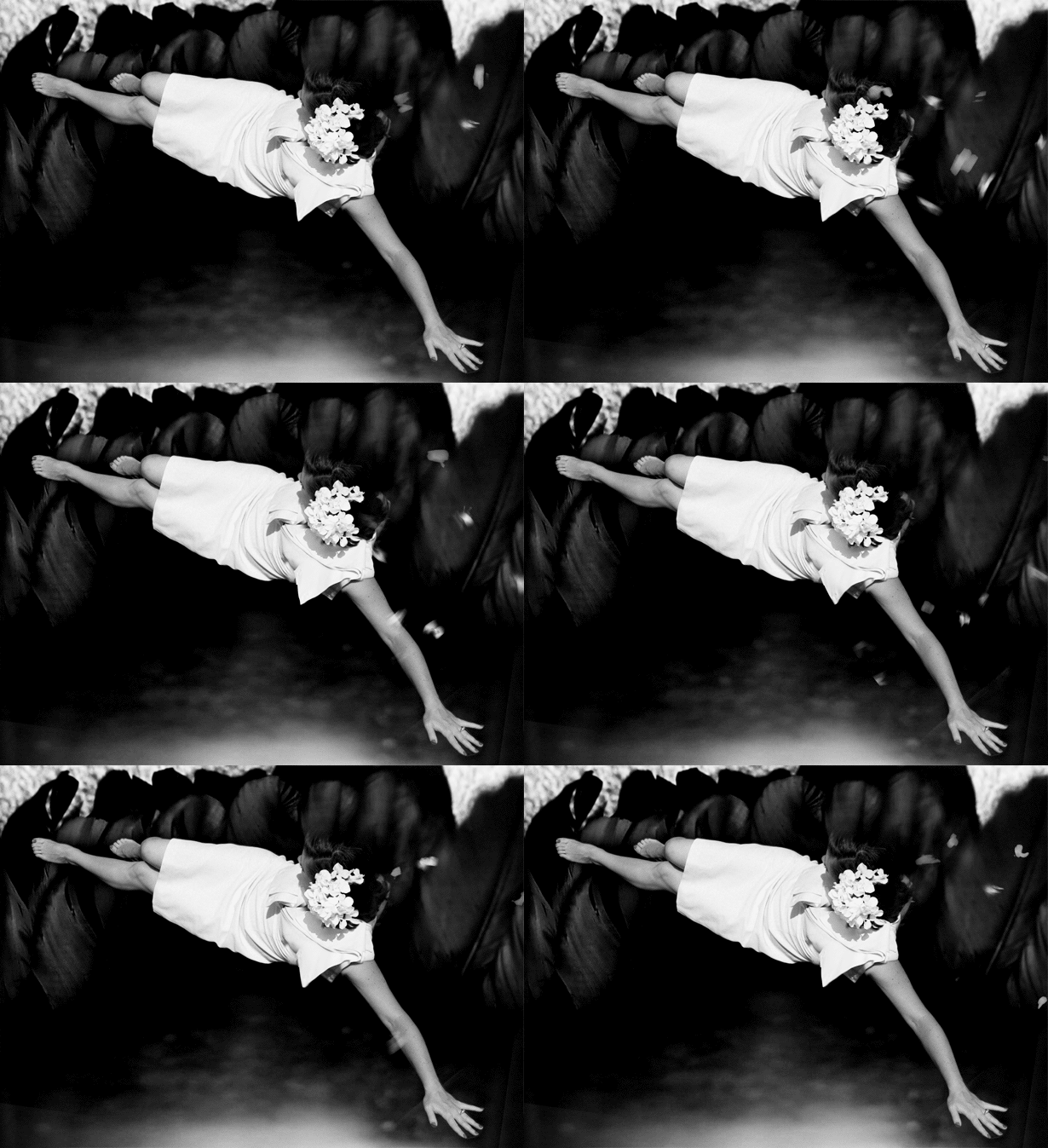
Styling and set design are half the craft. Jewelry that catches light, a candle flame, rain on glass, or a curtain in a draft gives the animator something clean to isolate. Busy patterned backgrounds make masking harder and loops harder to hide. Many of the images here succeed because the still zones are calm enough that the moving zone reads instantly.
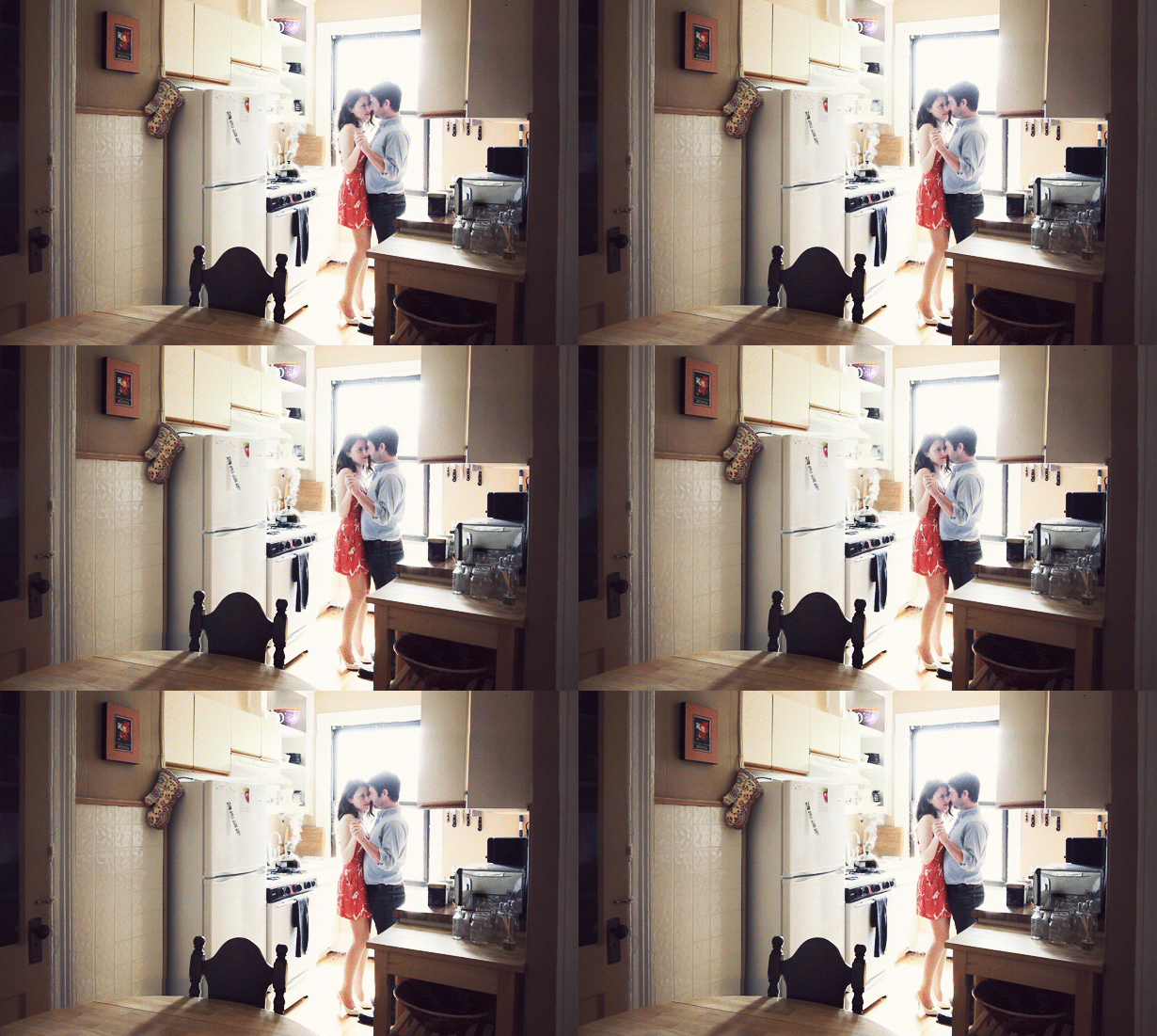
Timing of the loop matters as much as the mask. A seamless cycle should not reveal a jump cut at the join. Burg’s motion-design background shows in how cycles feel continuous: steam that never resolves into a restart, fabric that never snags on a visible edit. When the loop is invisible, the viewer stops analyzing technique and starts inhabiting the moment.
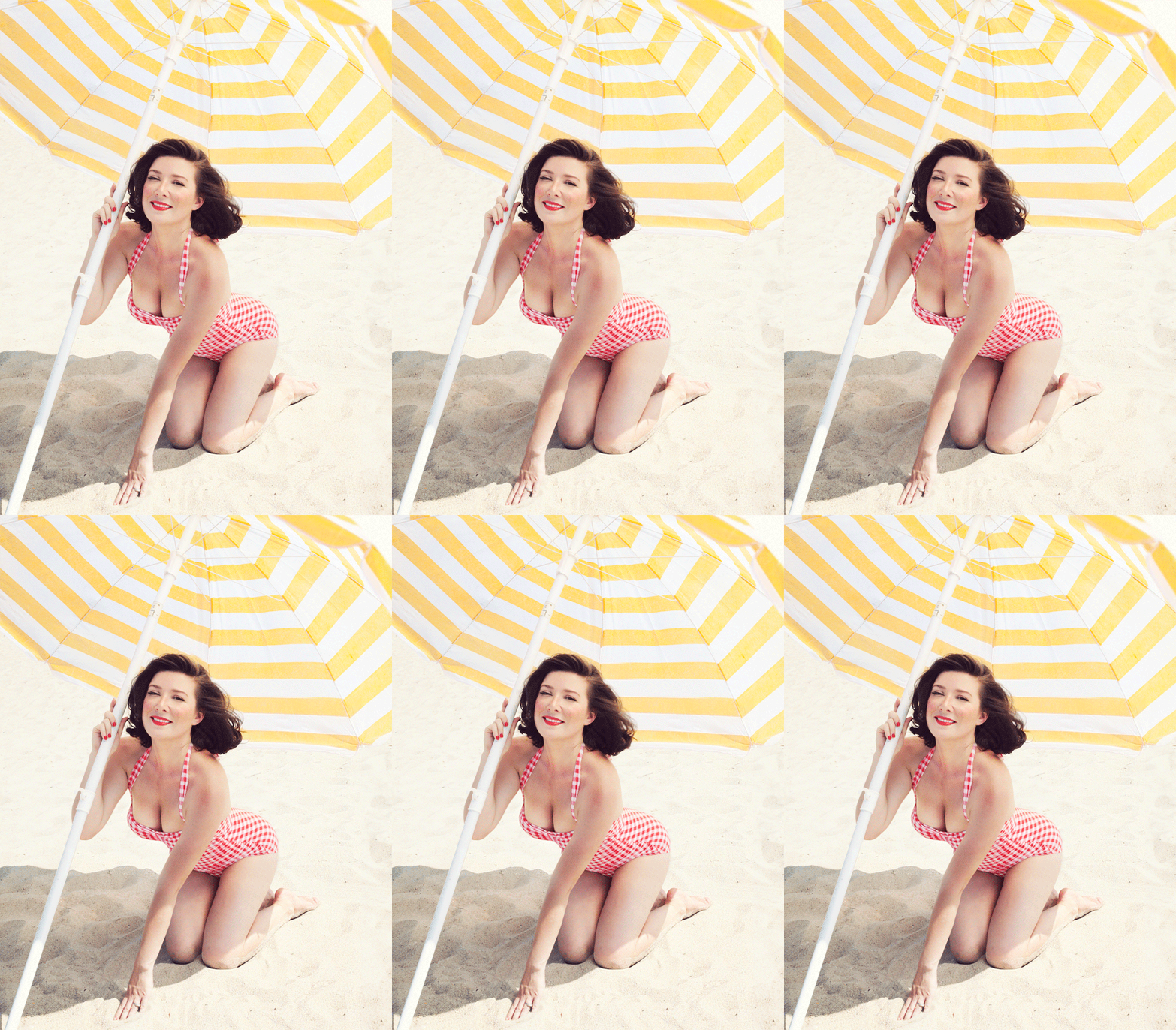
Portrait orientation pieces in this set reward slower viewing. Vertical frames already feel intimate on a phone; add a tiny repeating gesture and the image becomes almost theatrical. Horizontal frames often place motion in secondary props so the face or figure can remain iconic and still. Both approaches appear here—useful if you are comparing how aspect ratio changes what you dare to animate.
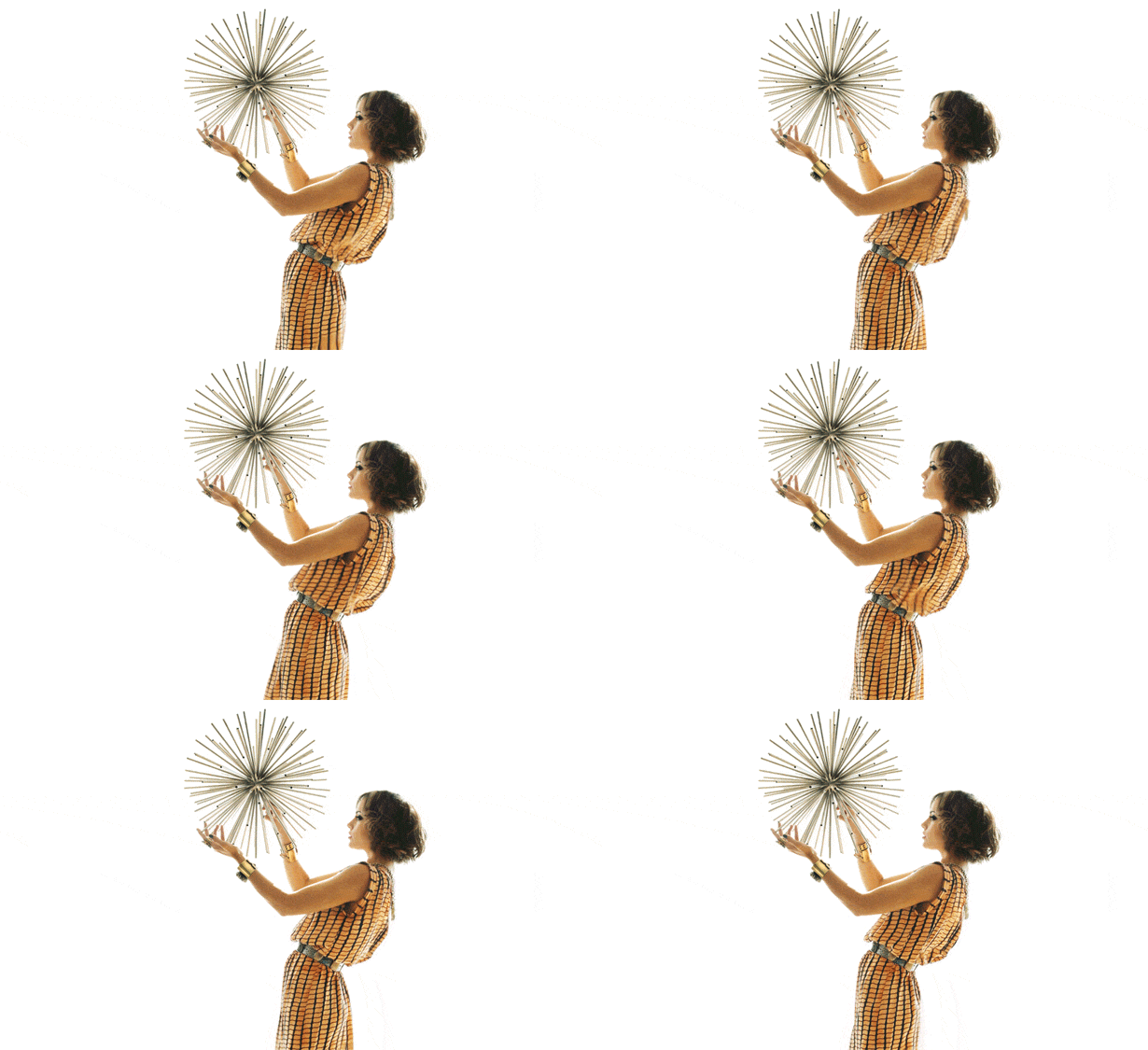
Context for 2012 matters. Social feeds were hungry for novelty but still organized around blogs and galleries rather than infinite vertical video. A cinemagraph could live as art, as fashion communication, or as a portfolio flex without needing a soundtrack. Beck and Burg’s work sat at that intersection: beautiful enough for a photography site, clever enough for design blogs, and light enough to travel as a GIF.
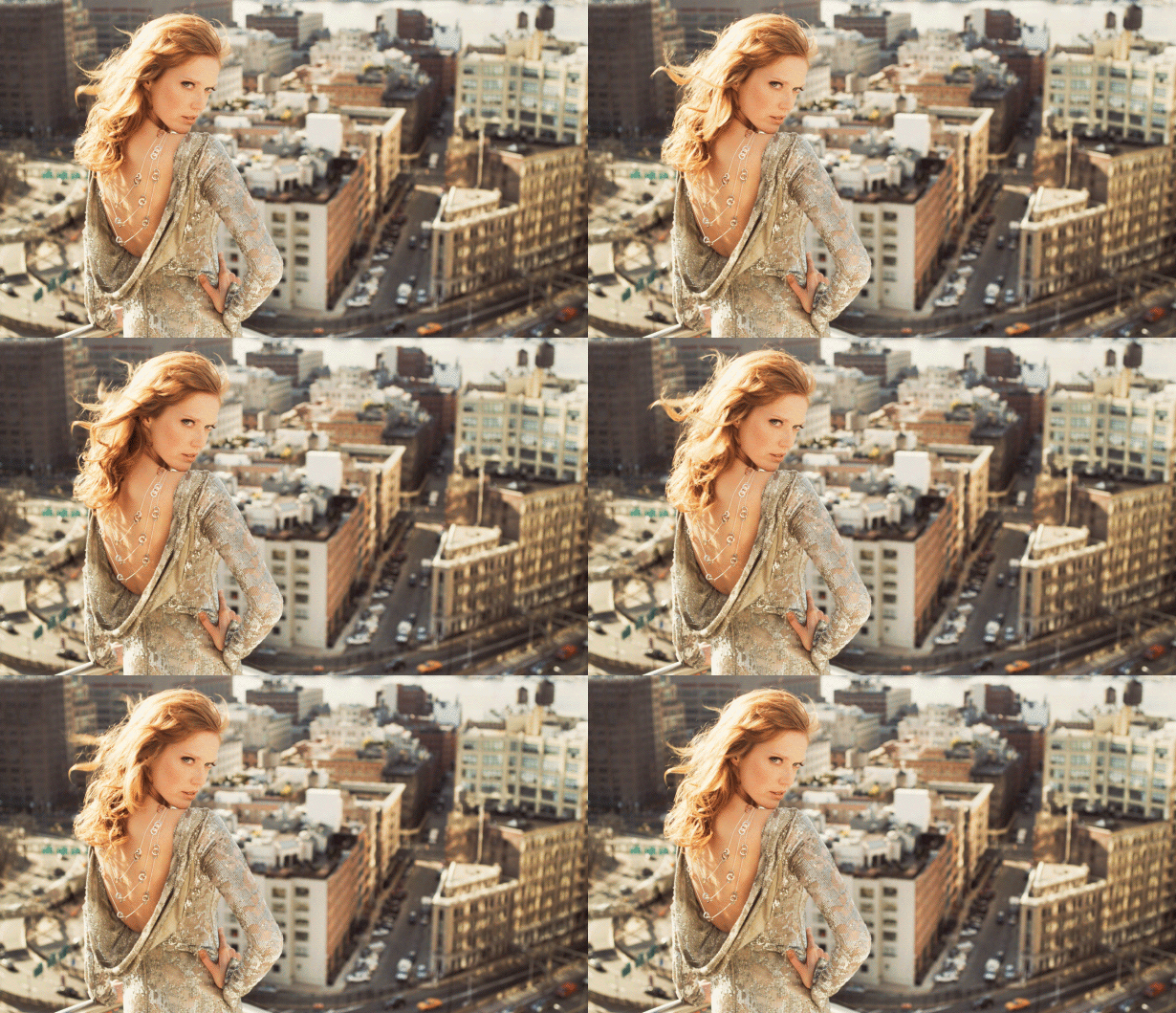
Notice how rarely these loops shout. The motion is often peripheral—something you catch after the first glance. That delayed discovery is a design feature. It encourages lingering, which is the opposite of how most animated web content behaved even then. If an animation announces itself immediately, it is usually entertainment; if it reveals itself slowly, it behaves more like a photograph with a secret.
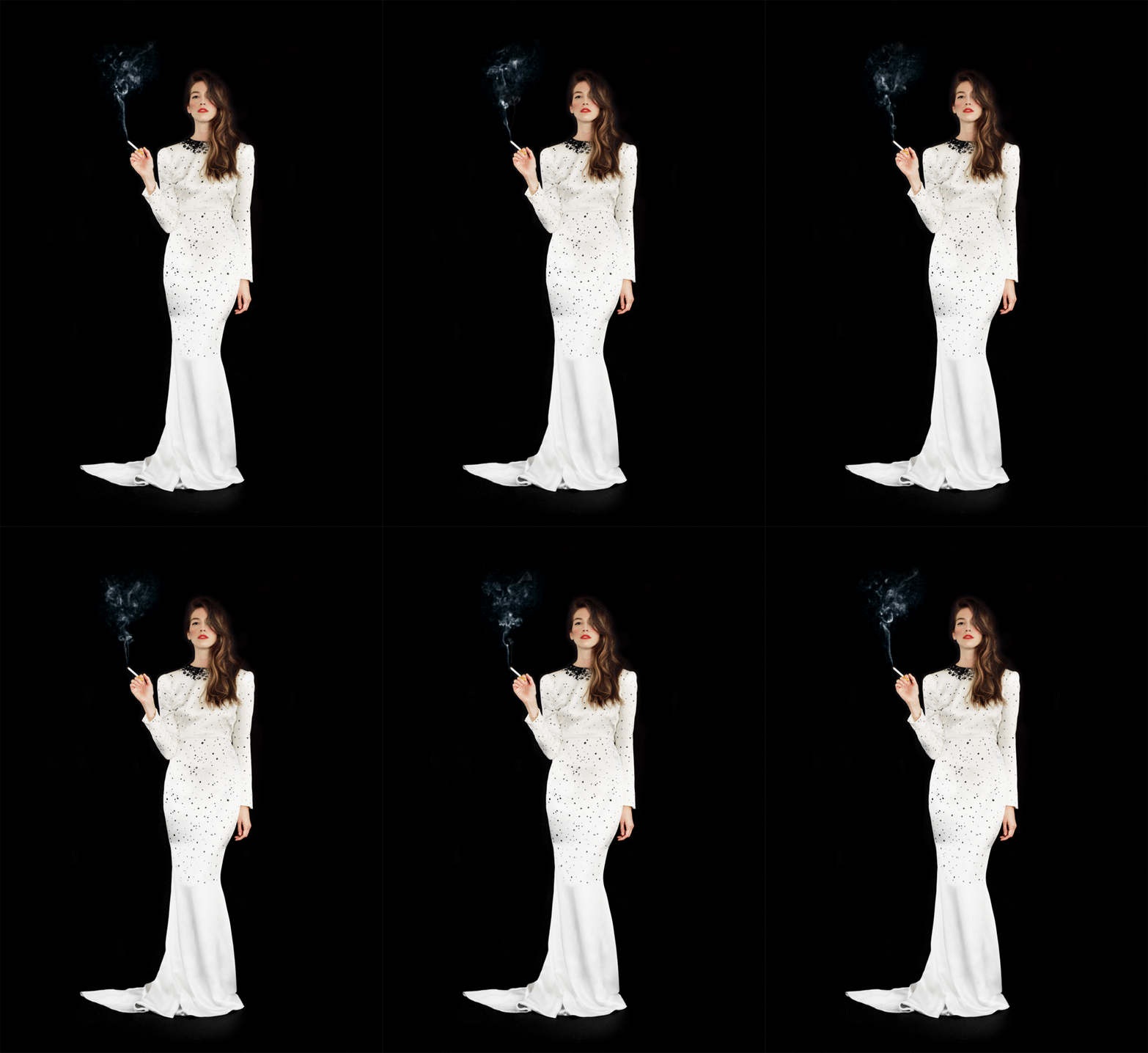
There is also a fashion-week lineage in many of their early experiments: models, garments, and backstage atmosphere translated into living stills. Even when a frame is not explicitly runway-related, the polish of commercial photography remains—makeup edges, fabric sheen, controlled light. That commercial elegance is why the form migrated so easily into advertising later on.
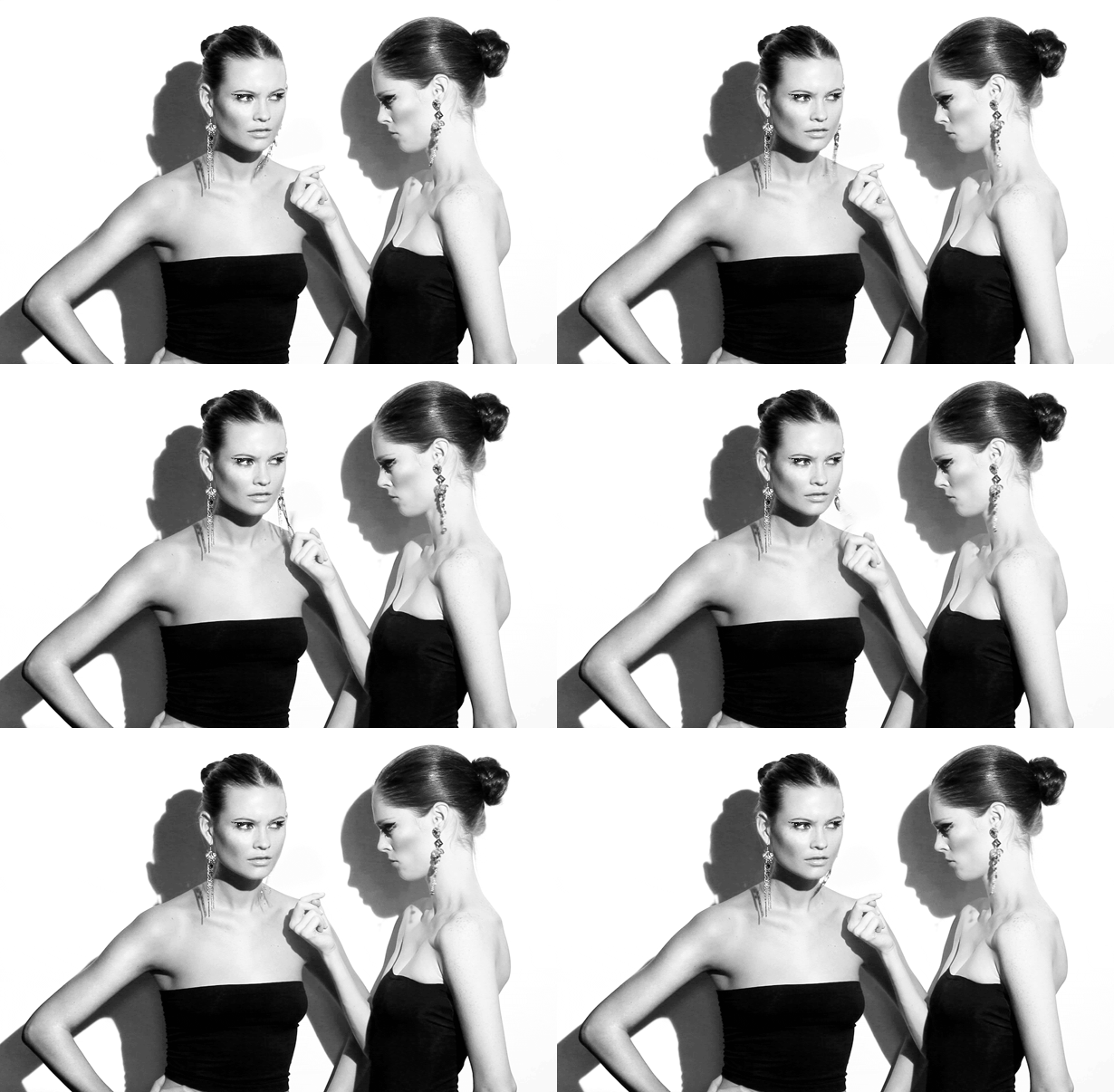
How to look at the gallery: open one image at a time, find the moving element, then ask what would be lost if that motion stopped. If the answer is “almost nothing,” the piece may be decorative. If the answer is mood, breath, or presence, you are looking at the reason cinemagraphs stuck. Beck and Burg’s contribution was not inventing the animated GIF; it was proving that a photograph could borrow a heartbeat without becoming a movie.
If you are building your own experiments, start with one subject, one light setup, and one motion cue. Shoot with a locked camera so the still zones align. Mask tightly. Loop until the join disappears. Then stop adding effects. The discipline that makes these Ann Street Studio images persuasive is the same discipline that separates a living photograph from a restless clip: leave most of the world alone, and let one detail keep breathing.

Comments
Continue reading

Dramatic Photo Art by Sukron Ma’mun (Ipoenk Graphic)
Cirebon, Indonesia photographer Sukron Ma’mun uses theatrical natural light to frame village life, play, and place in lyrical photo art.
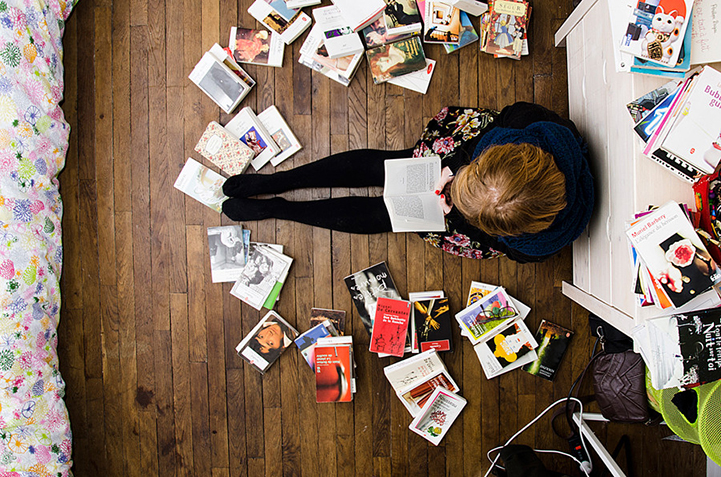
Bird’s-Eye Views: Florian Beaudenon’s Instant Life
Paris photographer Florian Beaudenon’s Instant Life series captures people in their rooms from above—intimate, collaborative overhead portraits of everyday joy.

Abandoned Cars Reclaimed by Nature: Rust, Growth, and Quiet Ruin
When neglected vehicles are left outdoors long enough, rust, moss, and trees rewrite them into strange still lifes—sad, photogenic, and slowly returning to the ground.