
Beautiful Canopy Bed Designs for Romantic, Dramatic Bedrooms
Canopy bed ideas covering open frames vs drapery, scale, materials, styling, fabric care, and how to choose a room-defining bed.
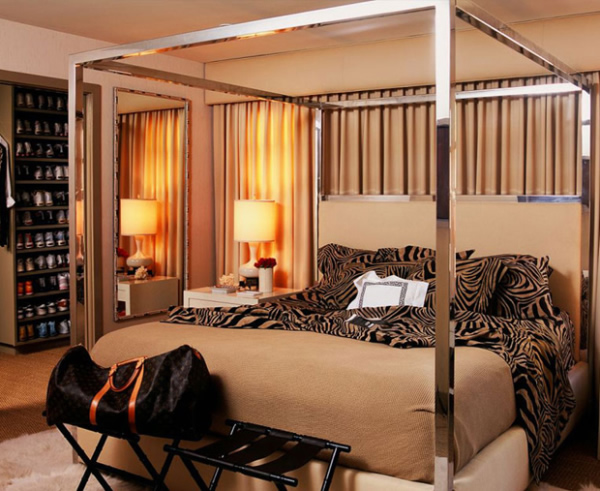
Canopy beds are romantic, theatrical, and unapologetically space-hungry. They do not pretend to be storage hacks or minimalist space savers. They claim the room: four posts or a frame overhead, fabric or open structure, and a sense that sleep happens inside a small architecture of its own. This collection gathers canopy designs that show how varied that idea can be—from airy and modern to draped and traditional.
If you are considering one, look past the fantasy postcard and ask practical questions: ceiling height, room width, how much fabric you want to clean, and whether the bed should feel like a hideaway or like a sculptural outline.
Why a canopy still works
Historically, canopies offered privacy and warmth in large, drafty rooms. Today they offer atmosphere. Fabric softens sound. Posts create vertical lines that make ceilings feel intentional. Even an open metal frame without curtains can define a sleeping zone in a studio or loft where walls are scarce.
Emotionally, canopies signal pause. A bed that looks enclosed invites slower evenings: reading, low lamps, textiles you actually enjoy touching. That is useful in homes where the bedroom also hosts laundry piles and laptop glow. The structure gently argues for rest.
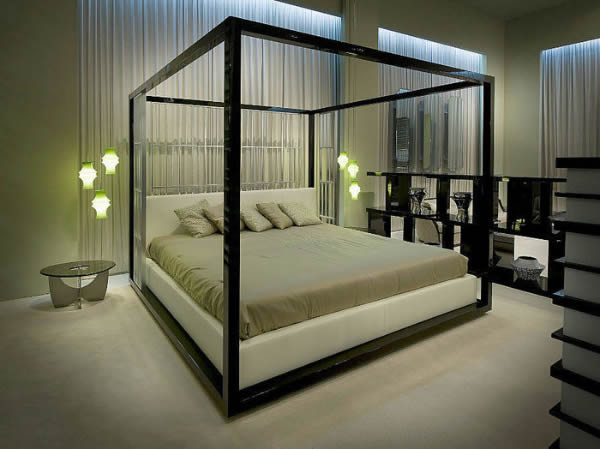
Open frames versus full drapery
An open canopy—posts and rails with little or no fabric—reads modern and graphic. It works in smaller rooms because it adds height without adding visual bulk. Black metal, pale wood, and slim profiles keep the silhouette light. Style with crisp bedding and minimal clutter so the frame remains the statement.
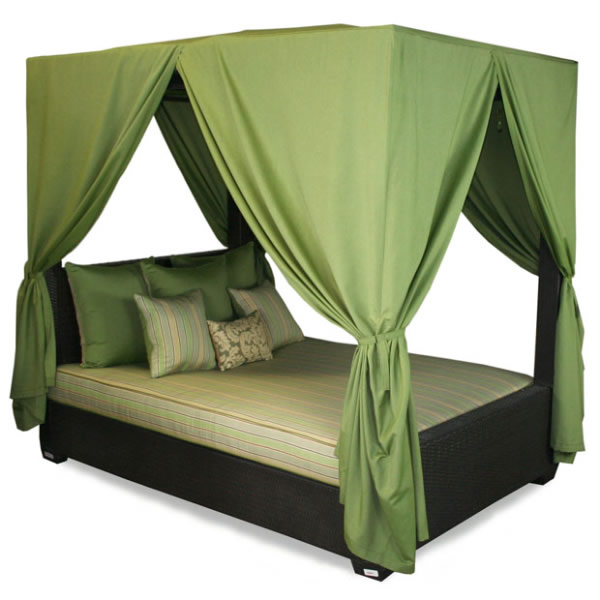
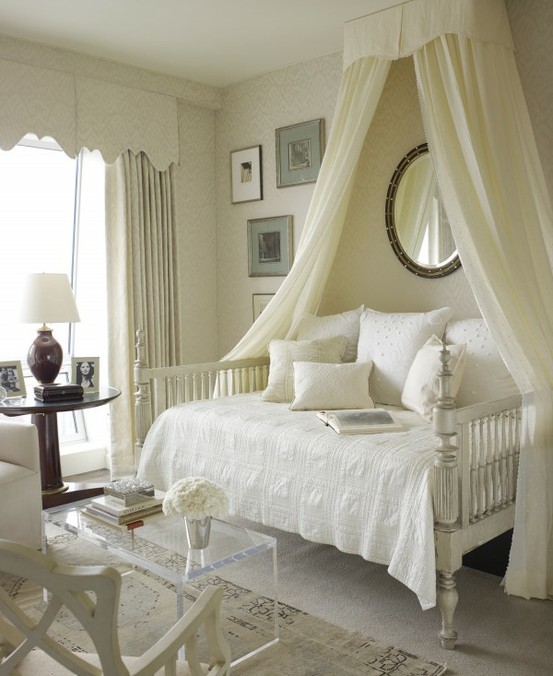
Full drapery is the classic romance move. Sheer panels catch daylight and move with air. Heavier textiles create a cocoon and help with light blocking if you also use proper shades. You can compromise: curtains only at the head, or panels tied back most days and closed when you want privacy. Hardware quality matters; cheap rods that sag will undermine an otherwise beautiful bed.
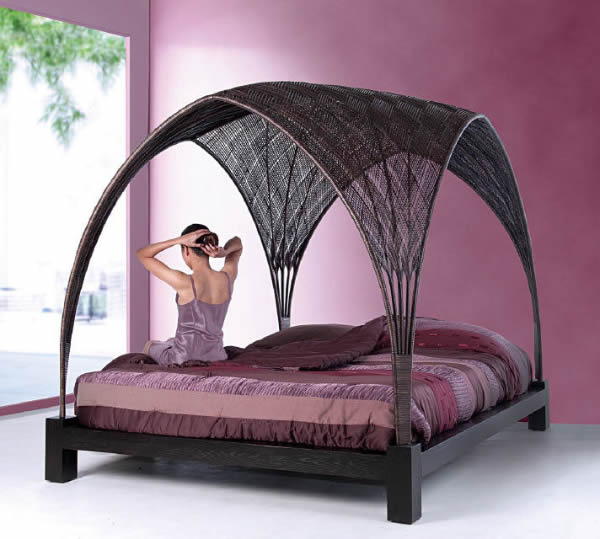
Scale, ceiling height, and clearance
Measure before you fall in love with a photo. Posts need vertical room; thick crown molding and low ceilings fight tall frames. Leave walking space on both sides if you can—canopies already dominate the footprint, and cramped side tables make the room feel jammed. In tight rooms, a canopy that matches mattress width closely looks cleaner than an oversized pavilion shape.
Think about doors, closets, and ceiling fans. Curtains that brush a fan are unsafe; posts that block a closet door are daily annoyances. If the bedroom is also a workspace, consider whether the canopy will make video calls feel like you are broadcasting from a stage set—and whether you mind that.
Materials and finishes
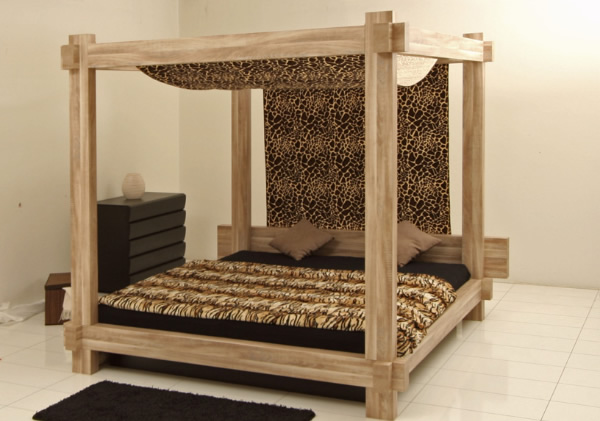
Wood canopies feel warm and traditional, especially in walnut, oak, or painted finishes. Metal frames lean industrial or hotel-modern depending on color and thickness. Upholstered posts and padded headboards blur the line between bed and furniture sculpture. Mixed materials—wood posts with metal rails, for example—can bridge styles when the rest of the room is already eclectic.
Finish choice should talk to existing hardware and flooring. A high-gloss black frame beside rustic plank floors can look intentional if other black accents repeat; otherwise it may feel imported from another apartment. Matte finishes hide fingerprints better on metal. Natural wood wants consistent care against dryness and scratches.
Styling the bed as a room centerpiece
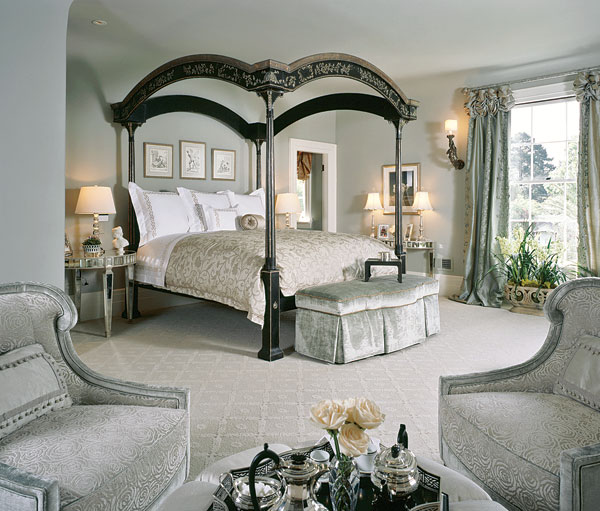
Once the frame is in place, bedding does the fine work. Layer textures: percale or linen sheets, a quilt or coverlet, and pillows in related tones rather than a rainbow of throw pillows. Too many competing patterns under a canopy can look restless. Let one textile lead—stripe, botanical, or solid—and keep companions quieter.
Lighting matters more with overhead structure. Wall sconces free nightstands. A pendant centered over the bed can look dramatic but needs careful height so you do not hit your head when sitting up. String lights are popular in photos; in real rooms they can look temporary unless the cord management is tidy. Prefer dimmable sources so evening light stays soft.
Rugs help anchor a canopy visually. A rug that stops awkwardly under only the foot of the bed can make the posts feel stranded. Larger coverage under the front legs usually looks more settled. Keep pathways clear; canopies already ask for attention, so clutter around the base undercuts the calm they promise.
Fabric choices that behave in daily life
Sheer cotton and linen blends wash more easily than heavy synthetics that hold dust. If allergies are a concern, choose fabrics you can launder and avoid dense canopy tops that become dust shelves. Darker drapes hide stains better but absorb light; pale sheers brighten a room and show every mark. Tiebacks, magnetic holds, or simple knots keep panels usable instead of permanently decorative.
In humid climates, prioritize breathable textiles and airflow. In cold climates, heavier side panels can add a psychological sense of warmth even when the thermostat does the real work. Never block smoke detectors or sprinklers with canopy fabric, and keep candles well away from hanging cloth.
Matching the canopy to the rest of the room
A canopy bed rarely succeeds as the only ambitious object in a chaotic room. Edit nearby furniture so the bed remains the hierarchy peak: one good dresser, restrained art, fewer competing tall pieces. In children’s rooms, canopies can feel playful with lighter fabrics; in primary suites, deeper colors and tailored panels feel more adult.
Color strategy is simple. If walls are busy, keep the canopy quiet. If walls are plain, the frame or drapery can carry contrast. Echo one metal or wood tone elsewhere—lamp bases, mirror frame, chair legs—so the bed feels related to the architecture rather than dropped in from a catalog.
Buying and DIY notes
Ready-made canopy beds vary widely in stability. Shake-test in the store if you can; flimsy posts telegraph every move. Check mattress and box-spring compatibility, and confirm assembly needs two people. Ceiling-mounted canopy kits exist for rooms where floor posts will not work; install only into solid structure, not decorative plaster alone, and follow load ratings carefully.
DIY four-poster builds can be beautiful when joinery and bracing are honest. They can also wobble. If you are not confident in structural work, buy a tested frame and spend your creativity on textiles and styling instead. Either path, measure doorways for delivery—canopy packages are often larger than standard bed boxes.
When you compare the designs in this gallery, notice which ones feel like furniture and which feel like rooms-within-rooms. Choose the version that matches how you actually sleep: open air and silhouette, or enclosed quiet. The right canopy does not merely fill space. It organizes it around rest.

Comments
Continue reading
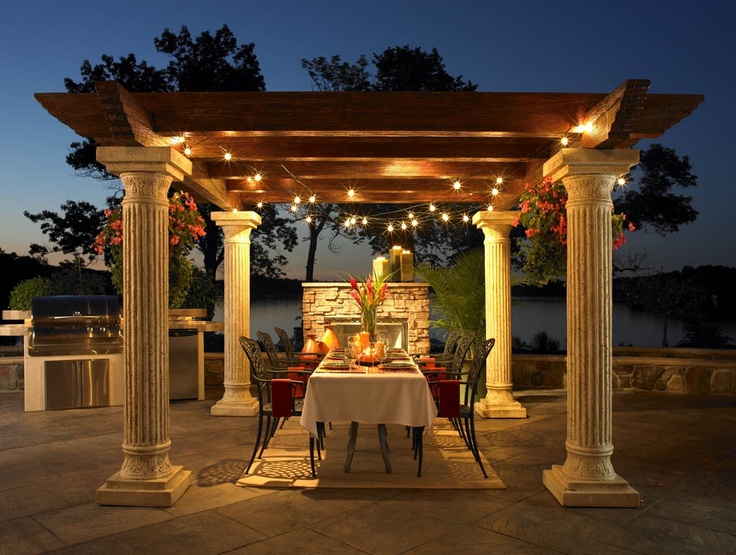
13 Outdoor Pergola Design Ideas for Backyards, Patios, and Gardens
Thirteen outdoor pergola ideas—from vine-covered walkways and poolside shade to modern dark frames and dining pavilions—to help you plan a backyard structure that fits your home.
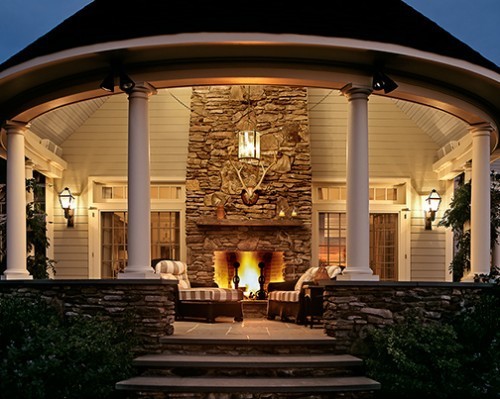
Fabulous Fireplace Ideas: Modern, Classic & Rustic Hearths
From flush modern surrounds to classic mantels and textured stone, fireplace ideas that help you choose materials, proportion, and styling for your home.
Fairy-Tale Canopy Beds: Sheer Coronas, Forest Frames, and Gilded Drapery
A romantic bedroom collection spanning ivory sheer daybeds, branch-like metal canopies, and French silk drapes—plus fabric, height, and practical hanging notes.