
Mario Moreno’s Wildlife Silhouettes: African Animals Against the Sky
Johannesburg photographer Mario Moreno’s series “Silhouettes” turns African wildlife into dark, readable outlines against dawn and dusk color.
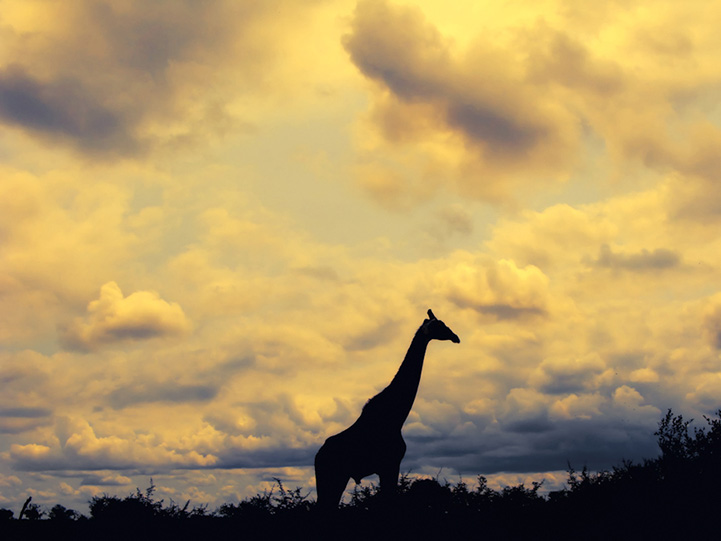
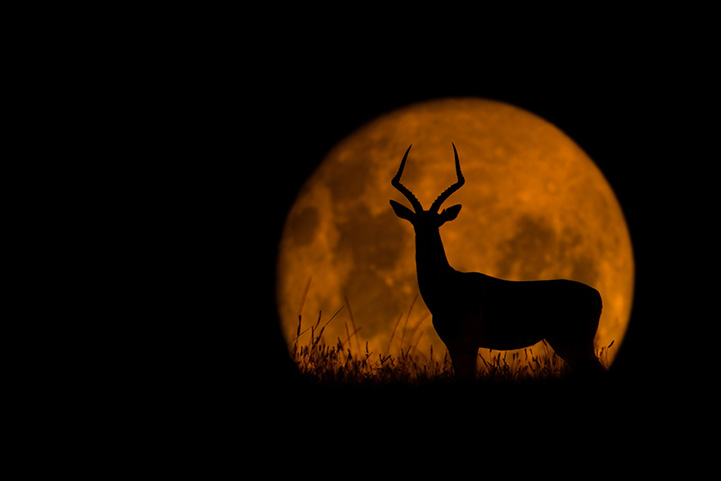
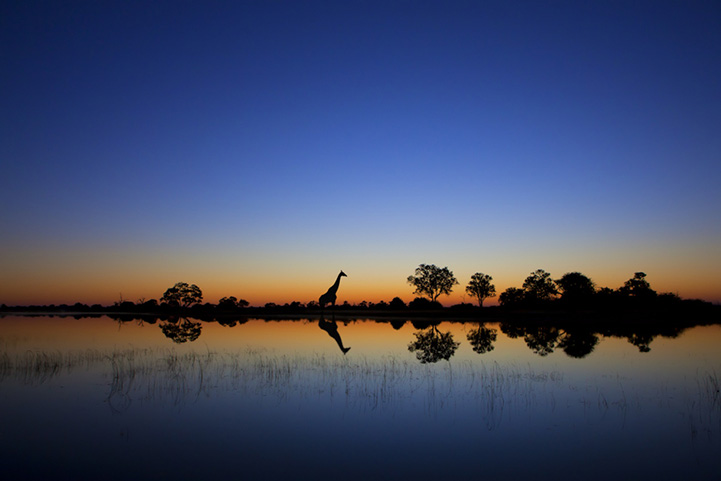
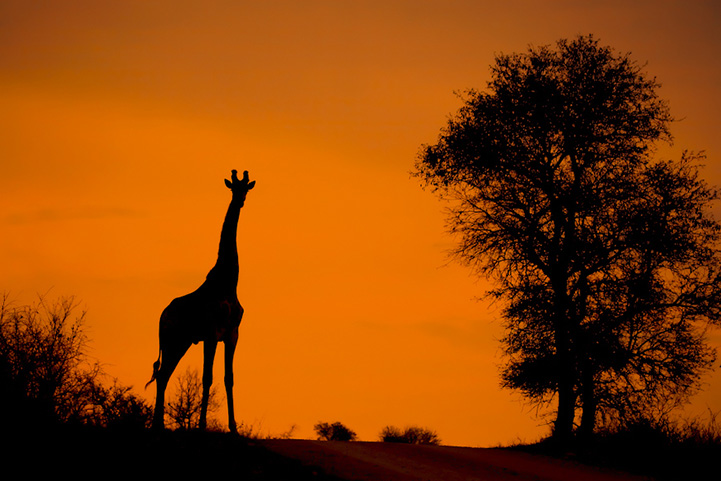
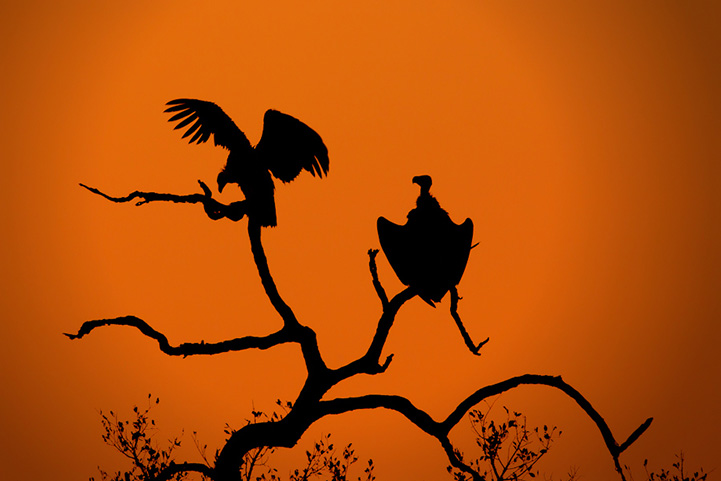
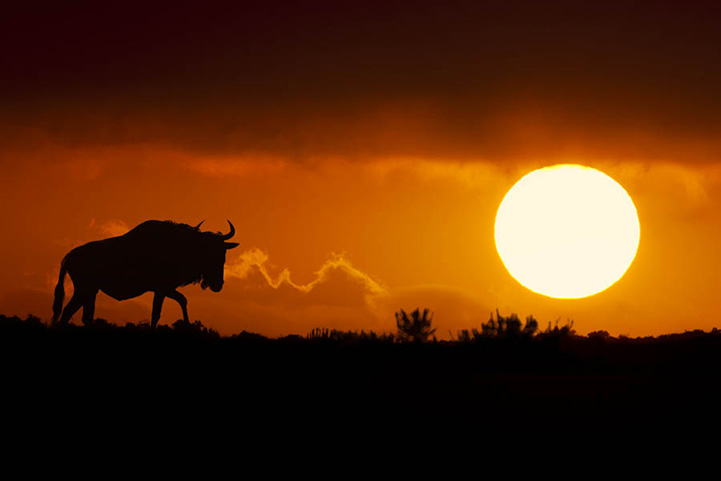
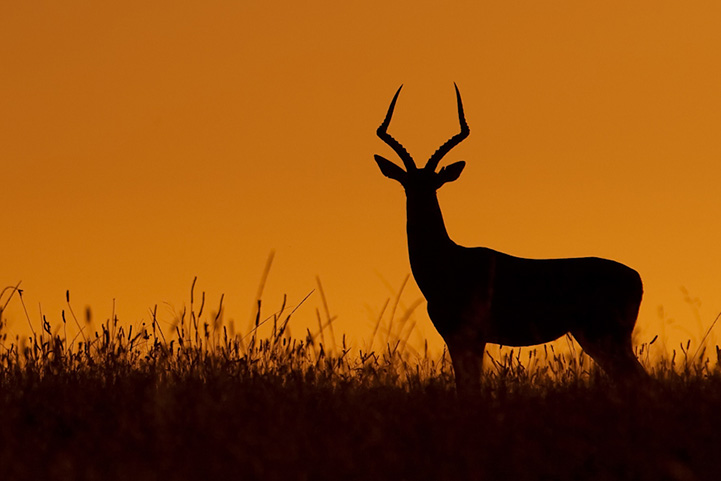
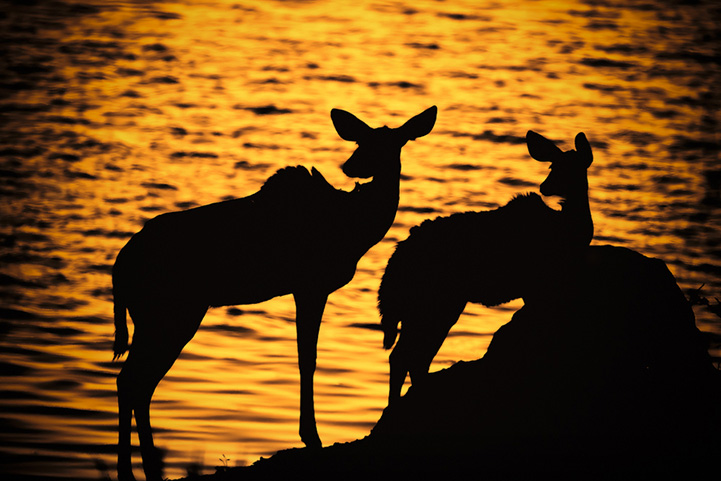
Mario Moreno’s wildlife photographs do not ask you to count whiskers. They ask you to recognize a living shape against fire-colored air. Working from Johannesburg, the photographer built a series titled “Silhouettes,” in which African animals become dark figures on dawn and dusk skies. Horns, wings, necks, and strides carry the identification. Fur texture and eye catchlights step aside. What remains is outline, color, and the feeling that the day is ending—or beginning—around creatures that still own the horizon.
That choice sounds minimal until you sit with the pictures. Minimalism in wildlife photography is hard. Brush merges with legs. Clouds bleach. The wrong exposure turns a majestic animal into a muddy smudge. Moreno’s frames stay clean: subjects separated from clutter, skies allowed to keep their gradient, gestures clear enough that you can read alertness, travel, or stillness without a facial close-up. In a culture of ultra-sharp safari portraits, “Silhouettes” speaks another dialect—graphic, patient, and oddly intimate.
Johannesburg as a working base
Johannesburg is not a postcard watering hole, but it is a practical home for a photographer whose subjects live across southern African landscapes. Proximity means return trips, failed evenings, and second chances when weather finally cooperates. Silhouette projects are rarely one-luck miracles. They accumulate from mornings spent waiting for an animal to crest a ridge and evenings spent watching color thicken behind a herd that will not quite clear the scrub.
Regional light helps. Low sun stretches long, and skies can move from pale gold to deep copper quickly. Moreno uses that atmosphere as a studio wall. The animals become architecture against it—masses of black that still feel alive because posture remains readable. African wildlife photography has long balanced field-guide clarity with romantic spectacle. This series tips toward poetry while keeping species recognition intact. You know what you are seeing. You are simply seeing it as a sign written on the sky.
Place also shapes ethics and logistics. Roads, reserves, guides, and seasonal patterns determine what can be attempted without reckless pressure on animals. Strong silhouettes still require enough distance for a clean shape and enough respect to leave behavior undisturbed. The aesthetic does not excuse bad fieldwork. It does, however, prove that spectacle need not always mean a face filling the frame.
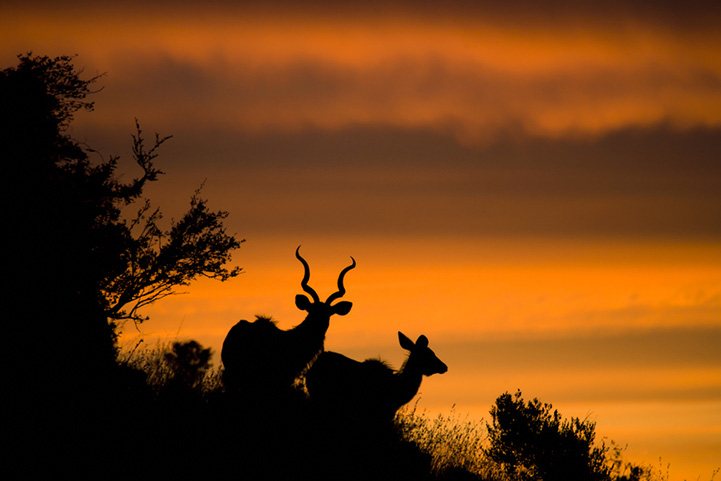
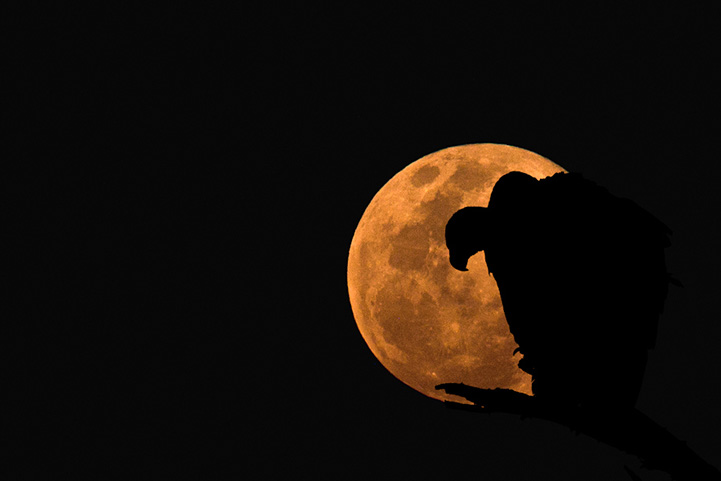
The craft behind a dark outline
Expose for the sky first. If you meter to lift shadow detail in the animal, the background often blows out and the drama collapses. Spot-meter a bright band of sky, lock exposure, recompose, and accept near-black subjects. Slight underexposure can protect cloud highlights and deepen color. The goal is a believable atmospheric wash—warm near the sun, cooler at the edges—behind a crisp form.
Separation decides success. A giraffe neck lost in a tree is not a silhouette; it is a confusion. Photographers wait for open ground, ridgelines, flight paths, or moments when animals step clear of bush. Low angles can lift subjects against sky; higher positions can isolate a line of bodies on a plain. Moreno’s best images feel solved before the shutter: position and timing do the editing that software cannot fake convincingly.
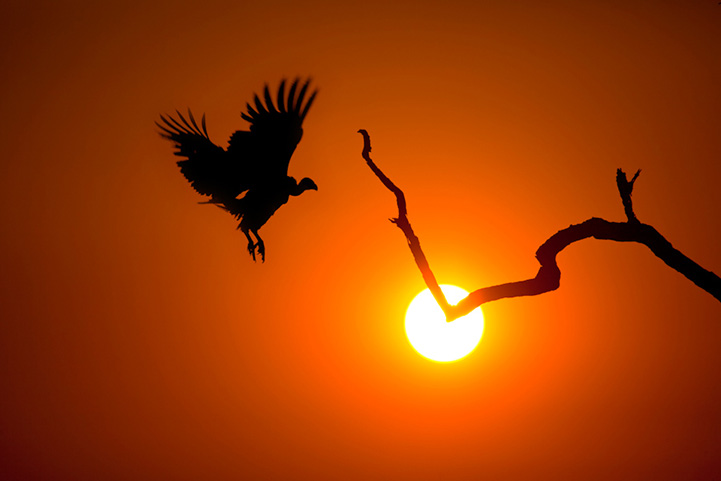
Gesture finishes the sentence. A static lump in profile is weaker than a shape that shows intent—heads down grazing, a sentinel pause, wings opening, a procession mid-stride. Body language survives the loss of facial detail. That survival is why silhouette wildlife can feel closer than expected. You are reading the same cues you use when watching distant figures at the edge of evening, when faces are gone and posture still tells the story.
Lenses help by compressing space and isolating subjects, but gear is secondary to decisions. Manual exposure or locked metering, careful focus on the edge of the animal, and the discipline to walk away from almost-good frames matter more than any brand badge. Post-processing can deepen blacks and tune color; it cannot invent a clean gap between legs that never existed.
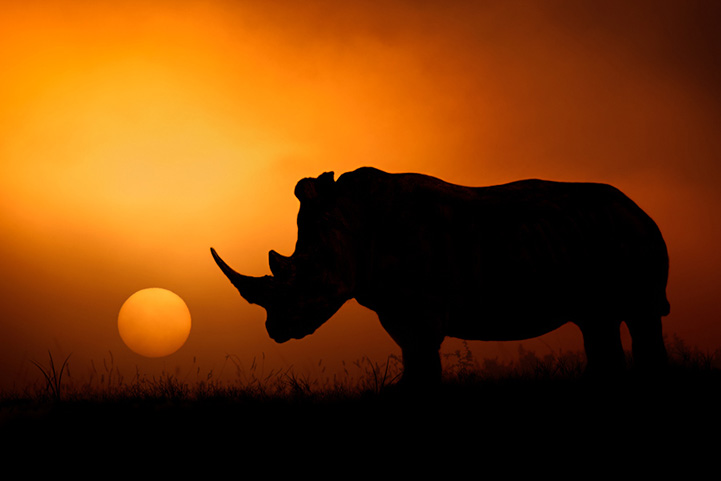
Series logic: one rule, many moods
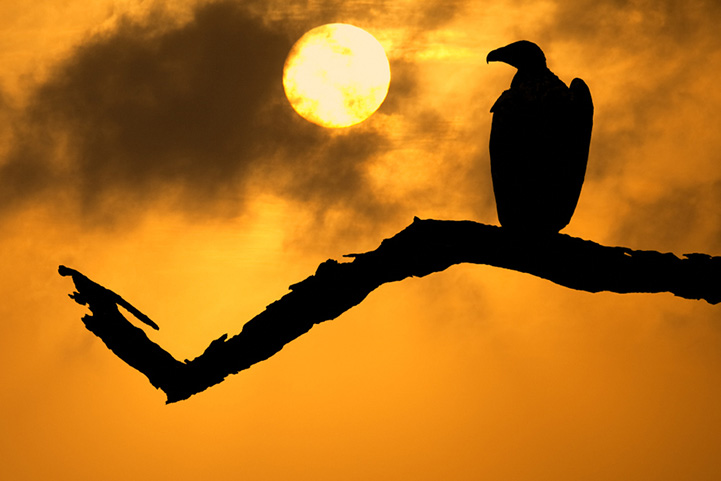
Across the set, Moreno varies scale and density while keeping the grammar stable. Some pictures give a single animal monumental weight. Others build pattern—repeated horns, overlapping bodies, a cadence of legs that turns the horizon into a stage. Birds write calligraphy with wingspans. Larger mammals offer mass and patience. Color shifts from frame to frame, but the contract with the viewer does not: dark subject, luminous sky, little else.
That contract is what makes “Silhouettes” a series rather than a folder of accidents. Plenty of photographers capture an unintentional backlight and move on. Treating the technique as a titled project raises the bar. Edges must be cleaner. Spacing must breathe. Skies must earn their keep. Compromises with tangled brush become less acceptable. The work coheres because the rule is visible.
Mood still ranges widely under that rule. One image can feel ceremonial and still; another can feel restless, as if migration were compressed into a few dark marks. Viewers bring their own weather to the looking. The photographs leave room for that. They do not narrate every emotion in a caption. They trust outline and atmosphere to be enough.
How to look, and what to practice
Begin with the sky. Is the brightest area serving the subject or stealing attention? Then trace the outline: gaps between legs, the angle of a neck, negative space that keeps shapes from clotting into one blob. Ask whether the animal’s posture implies a verb—watch, walk, feed, take flight. Finally, notice your own response. Peaceful? Urgent? Melancholy? Silhouette technique can hold all of those without changing its basic recipe.
Makers who want to learn from Mario Moreno do not need an immediate safari. Practice locally: birds against late light, dogs on a hill, horses on a field edge. Train exposure discipline and separation hunting. Use a longer lens when it helps compress subject against clear sky. Check histograms so highlights survive. In editing, deepen blacks with care; crush them too far and you erase the last hint of form that keeps a silhouette legible.
Borrow standards more than presets. Commit to the graphic idea for a whole outing. Wait for clean edges. Let color carry emotion while the animal remains a dark, dignified sign. If the bush wins, do not force the frame. The series mindset is selective, not desperate.
Why outline still matters
Detail-driven wildlife images will always have an audience, and they should. There is wonder in texture and eye contact. Moreno’s “Silhouettes” simply defends another wonder: recognition at a distance, animals as living glyphs on the day’s hinge between light and dark. Johannesburg anchors the practice; open sky supplies the backdrop; patience does more work than any filter.
After looking, you may find ordinary evenings altered—checking whether a shape will clear the horizon, whether the color behind it is worth standing still for. That habit of attention is a fair thing for a photo series to leave in a viewer. These pictures do not compete by volume. They wait until the outline is enough, then stop.
Keep that stopping point in mind when the next bright safari image scrolls past. Sometimes the most memorable wildlife photograph is the one that refuses to show everything—and still makes the animal unmistakable.

Comments
Continue reading
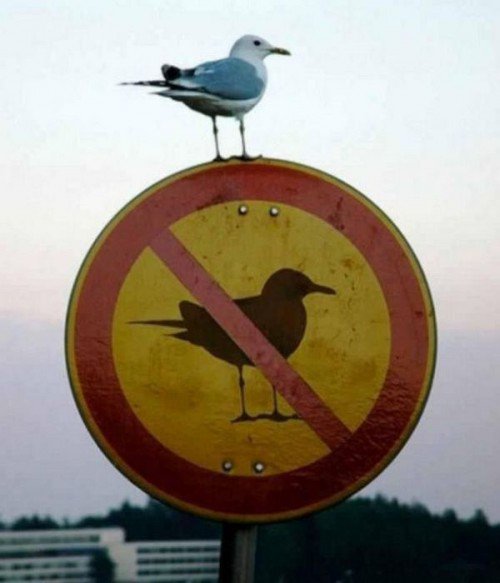
Funny Animal Signs That Warn People (While Animals Ignore Them)
From a seagull on a no-birds disc to classic zoo and park ironies—why animal warning signs get funny, and what the rules are still for.
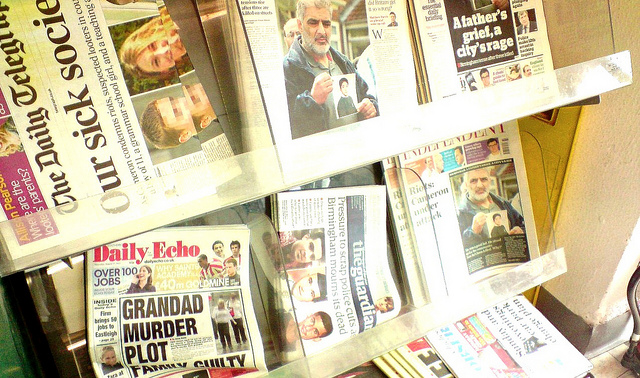
How to Find Local Amenities on Vacation: Mechanics, Haircuts & More
Locate trustworthy local services and everyday spots while traveling or settling in—using publications, reviews, map apps, neighbor tips, and low-pressure exploration.
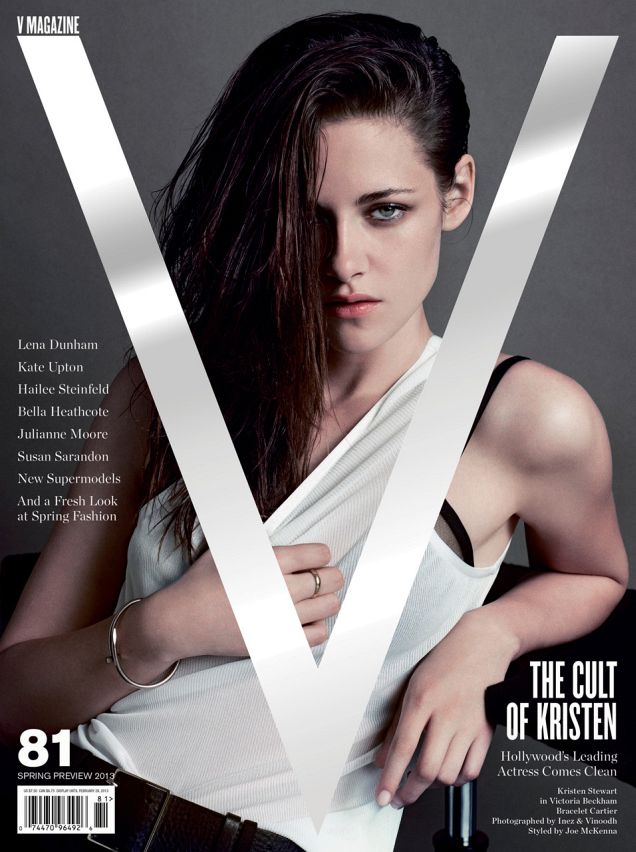
Kristen Stewart for V Magazine, Spring Preview 2013
V81’s Wild at Heart cover story—Kristen Stewart shot by Inez & Vinoodh, styled by Joe McKenna, in pale minimal spring glamour.