
Amazing Animal Photos #1: Timing, Light, and the Right Moment
A craft essay on animal photography’s decisive moments—behavior, light, ethics, and habits—continuing the weekly-series spirit when the original gallery files are gone.
Some animal photographs feel inevitable, as if the creature posed on cue. Most of the good ones are the opposite: a fraction of a second when weather, behavior, and attention briefly agree. This first installment in a weekly series was originally a gallery of those agreements—shots caught at the right moment rather than arranged into one. The pictures themselves are no longer embedded here, but the idea that made the set worth collecting still is: timing as craft, not luck dressed up as magic.
Wildlife and animal photography share a vocabulary with sports photography and street work. You anticipate. You pre-focus. You accept that many frames will be almosts. Then, occasionally, wings open, dust lifts, eye contact locks, or a leap clears the horizon exactly where the composition needs it. What follows is a field guide to that kind of seeing—how “incredible shots of animals” usually get made when nobody can ask the subject to hold still.
The decisive moment, with fur and feathers
Henri Cartier-Bresson’s phrase gets borrowed constantly, and for animals it needs a biological footnote. A decisive moment is not only geometric balance. It is often a behavioral peak: the strike of a predator, the lift-off of a heron, the split second a dog’s ears flip from curiosity to alarm. Photographers who chase those peaks study patterns. Shorebirds run the tide line in rhythms. Domestic cats telegraph a pounce with a stilling of the tail. Horses gather themselves before a jump. Knowing the telegraph is half the exposure.
The other half is technical readiness. Shutter speeds that freeze wingbeats, apertures that keep an eye sharp while backgrounds melt, autofocus modes that track erratically moving subjects—these are not gear vanity. They are how you stay present when the moment arrives. A beautiful almost-photo of a leaping fox is still an almost. The series that inspired many early web roundups celebrated the frames where almost became yes.
Light that animals do not schedule
Golden hour flatters everything, including wildlife, but animals keep their own clocks. Midday harshness can ruin a portrait and perfect a desert lizard’s texture. Overcast light can save feather detail that would otherwise blow to white. Backlight turns translucent ears and dusty fur into rim-lit sculpture. The “right moment” is therefore a conspiracy between behavior and illumination. Waiting for a lion to stand is useless if the stand happens in mud-dull shade with no separation from the bush behind it.
Working photographers learn to move their feet as much as their dials. A step left can place a bright catchlight in an eye. A lower angle can lift a subject off a confusing ground plane. Higher ground can compress a herd into a graphic pattern. None of that requires exotic locations. City pigeons against wet asphalt at dusk can out-sing a mediocre safari snapshot if the light and gesture align.
Ethics sit inside the craft
Incredible animal photos lose their wonder when the method harms the animal. Baiting predators for drama, crowding nests, playing distress calls without purpose, or chasing exhausted subjects for one more wing-spread are shortcuts that show up later as stress in the frame—even if casual viewers cannot name why the picture feels wrong. Distance, long lenses, and patience are not only courtesies. They are aesthetic tools. Undisturbed behavior looks different from provoked behavior. Ears, posture, and spacing tell the truth.
Domestic and captive animals change the contract but not the responsibility. A working dog, a barn horse, a shelter cat—all deserve sessions that do not confuse fear with “expression.” The best pet photographs often happen after the camera has been boring for a while. Novelty fades; the animal returns to itself; then the real gesture appears.
Reading bodies instead of faces alone
Humans over-index on eyes. Animals offer whole-body sentences. A hunting crouch, a play-bow, a threat yawn, a dust bath, a mid-air twist after a missed landing—these are readable even in silhouette. Photographers who only wait for “cute face toward camera” miss half the literature. Side light on muscle, mud on paws, water shedding from a flanks mid-shake: texture and physics carry emotion as surely as a catchlight.
Gesture also creates humor without mockery. Animals are funny when their intentions are clear and their physics are honest—a too-ambitious jump, a solemn stare interrupted by a sneeze, a flock that turns as one. The right moment can be comic and still respectful. The line is whether the animal remains a subject with agency or becomes a prop for human punchlines.
Habitats as characters
Great animal pictures rarely float the creature on nothing. Grass, snow, surf, bark, and sky are co-authors. A fox in deep snow is a different story from a fox on asphalt. A whale’s back against open ocean is scale; a whale’s back against a tourist boat is politics. Backgrounds decide whether the image is nature lyric, urban ecology, or documentary confrontation.
Simplification helps. Busy twigs through an antler, bright trash in a shoreline, a horizon cutting a neck—these are the quiet failures that separate album fillers from keepers. Sometimes the right moment includes waiting for a wave of companions to clear the frame. Negative space around a single bird can feel louder than a crowded flock.
Series thinking: why weekly collections worked
Early photo blogs loved recurring animal roundups because variety teaches. One week might emphasize motion blur used intentionally; another, frozen droplets; another, intimate eye-level portraits of farm animals. Viewers learn by contrast. A single heroic image inspires; a curated set of right-moment frames trains the eye to notice what “right” looks like across species.
That educational aftertaste is why such galleries linger in memory even when individual filenames vanish. You remember the feeling of timing: the sense that life briefly arranged itself for a rectangle. You also remember that arrangement is partly earned—by someone who stayed longer, moved quieter, or simply refused to leave when the light was only almost good.
Practical habits that create luck
Luck favors the prepared, and preparation is dull on paper. Arrive early. Learn local quiet hours. Carry spare batteries in a warm pocket in cold weather. Practice tracking flight on ordinary gulls before you meet something rare. Shoot bursts ethically—enough to catch a peak, not so many you stop seeing. Review with ruthless honesty: delete the near-misses that only flatter your effort, keep the frames that still surprise you a week later.
Also practice without a trophy mindset. Not every outing yields a hero image. Outings that yield better anticipation are still wins. The weekly-series spirit was never only about astonishment; it was about returning to looking. Animals will keep offering moments. The question is whether you will be ready when they do—and whether you will recognize the moment as something shared, not taken.
What remains when the gallery is gone
Even without the original embedded photographs, the assignment of this series holds: celebrate animal pictures that hinge on timing, clarity, and respect. Look at the next dog mid-yawn, the next crow turning a found object, the next deer freezing at the edge of a road, and ask what would make the frame inevitable. Lower your angle. Watch the light on the eye. Wait one breath longer than feels comfortable.
The right moment is rarely announced. It arrives like weather. Photographers who treat animals as collaborators in time—never as guaranteed spectacle—are the ones who fill collections worth a weekly return. This installment stands as that reminder: keep watching, keep still when stillness helps, move when moving helps, and let the animal finish the sentence before you press the shutter.
Somewhere a wing is about to open. The craft is being there with a clear rectangle and a quiet enough mind to notice.

Comments
Continue reading
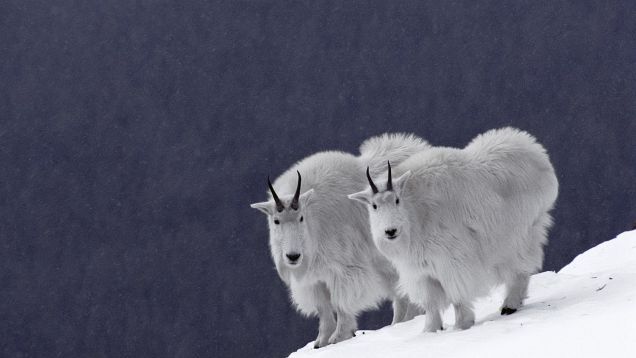
Amazing Animal Photos #2: Thirteen Frames of Timing and Temperament
From mountain goats and polar sparring to flamingo strides and elephant family lines—thirteen animal photographs that hinge on contact, motion, and stillness.
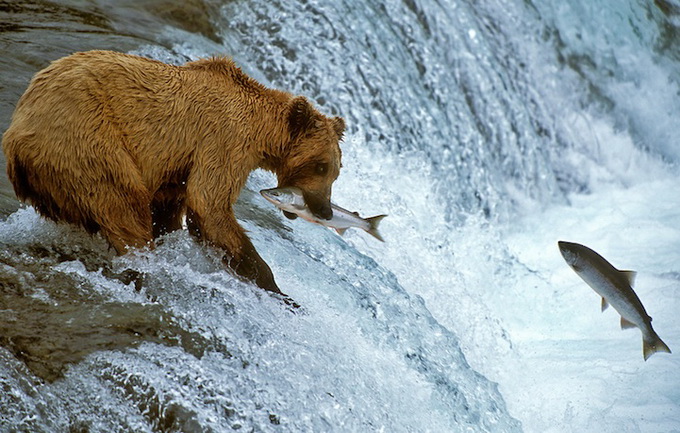
15 Perfectly Timed Animal Photos: Predator, Prey, and the Decisive Second
Fifteen wildlife frames—from salmon-run bears to ospreys, puffins, and savanna hunts—where shutter timing freezes predator and prey in one readable instant.
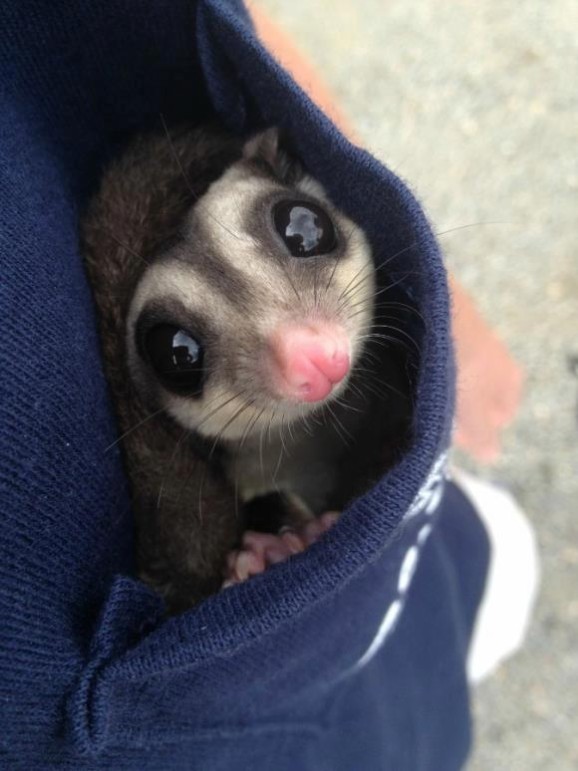
Irresistible Adorables, Part 1: A First Round of Animal Cuties
The opening gallery in a four-part cute-animal series—sugar gliders, patient dogs, comedy cats, a chipmunk heist, and a few wilder guests from late 2012.