
6 Tips for Visiting Art Galleries in Vancouver
Research shows, artist context, a companion, hours and transit, gallery materials, and house rules—six practical tips before you visit Vancouver galleries.
Walking into a Vancouver art gallery for the first time can feel exciting and a little intimidating—especially if you are not an artist and you are not sure how long to stand in front of a painting. That hesitation is common. Viewing exhibitions is still one of the best weekend or holiday activities in the city, and many spaces keep general admission free or low-cost. The difference between a rushed, awkward visit and a memorable one is usually planning: what is on view, who made it, how you will get there, and what the room rules allow.
These six tips are geared toward art galleries in Vancouver, but they travel well to museums and temporary exhibitions elsewhere. Use them as a checklist before you go, then leave room to be surprised once you are in the room.
1. Research what will be on view
Vancouver’s gallery calendar moves quickly. Commercial spaces, artist-run centres, public galleries, and pop-up shows rotate exhibitions on schedules that can shift with install days, openings, and special events. A space you loved last month may be between shows this weekend. Spending twenty minutes online before you leave is not overkill; it is how you avoid arriving to a closed door or an exhibition that does not match what you hoped to see.
Start with the gallery’s own site or newsletter for current exhibitions and hours. City arts listings and neighbourhood guides can help you cluster visits—Granville Island, downtown, Mount Pleasant, and the North Shore often reward a planned route more than a random walk. Choose shows that align with your interests when you can: photography, ceramics, Indigenous contemporary work, painting, design, or emerging artists. Interest does not require expertise. It only requires honesty about what you want to spend an afternoon looking at.
If you are traveling with limited time, prioritize one or two exhibitions and leave buffer for a coffee nearby rather than racing six venues. Depth beats a blurry checklist. Note opening receptions if you want conversation and crowds; note quieter weekday hours if you want slower looking.
2. Learn a little about the artists and the work
Not every painting or installation explains itself in the first glance. Many works carry history, process, or cultural context that wall text only sketches. A short look at an artist’s biography, recent projects, and the themes of the current show gives you a better entry point once you are standing in front of the piece.
You do not need a lecture’s worth of notes. Read the exhibition description, skim a short bio, and glance at one or two earlier works if images are available. Ask simple questions while you look: What materials am I seeing? What scale is the artist using? How does this room change how the work feels? What might the title be doing? Background reading makes those questions easier to answer without turning the visit into homework.
This habit helps in museums and galleries alike. When a work feels “difficult,” resistance is often a sign that the piece is asking for time, not that you have failed as a viewer. A few minutes of pre-planning can turn confusion into curiosity—and curiosity is the skill galleries reward.
3. Bring a friend with a different eye
Gallery visits are excellent solo, but a companion changes the pace in useful ways. Tag along with a friend who draws, paints, photographs, or simply likes different kinds of art than you do. Divergent taste is an asset. They will stop at works you would have walked past; you will defend pieces they dismiss; both of you leave with a sharper sense of preference.
Talk in low voices, and give each other silent stretches. Agree on a rough time budget so one person is not waiting at the exit while the other reads every label. If you disagree about a work, that disagreement is part of the visit—not a problem to solve. Vancouver’s gallery culture is generally welcoming to quiet conversation; dramatic debates belong outside on the sidewalk.
If you cannot bring a friend, bring a notebook. Writing one sentence per room forces attention in the same way a companion’s question does.
4. Map location, hours, and transportation
It does not matter whether you know Vancouver well or you are visiting for a few days: map the plan before you step out. Write the gallery name, address, hours, and transit or parking notes in your phone calendar or a paper notepad. Cluster stops by neighbourhood so you are not zigzagging across the city between short shows.
Many galleries close Mondays and Tuesdays for installs, private events, or staff days—patterns vary, so never assume a seven-day schedule. Holiday hours and “by appointment” policies are common in smaller commercial spaces. Confirm the date you intend to go, especially for openings that may start in the evening rather than midday.
Transportation matters as much as taste. Check transit schedules, ferry or bus connections if you are heading to the North Shore or further out, and traffic patterns if you are driving. Rain is a Vancouver constant; pack a compact umbrella and shoes that handle wet sidewalks so weather does not cut the visit short. Arrive with a buffer before closing—rushing the last gallery room is how good shows feel unfinished.
5. Use the materials the gallery offers
Entering many Vancouver galleries costs little or nothing. Brochures, room sheets, maps, and pamphlets at the desk are part of that welcome. Take them. They often carry artist statements, checklists of works, and context that wall labels cannot fit. Free or low-cost audio tours appear at some public institutions; when they are available, they can deepen a first visit without requiring art-history training.
The story behind a work—the process, the place, the problem the artist was solving—frequently changes how the finished piece reads. Materials from the gallery are the fastest legitimate shortcut to that story. Read standing still rather than walking and reading at once; you will see more when your eyes are not split between the page and the frame.
If staff are free and the room is quiet, a short question is fine: Is there a recommended order for the rooms? Is photography allowed today? Are any works especially fragile? Courtesy goes further than expertise.
6. Know the house rules before you enter
Every gallery has rules meant to protect the work and other visitors. Knowing them in advance prevents awkward corrections mid-visit. Photography policies vary: some Vancouver spaces forbid photos in exhibition rooms; others allow photos without flash because flash can damage sensitive materials and distract everyone nearby. When in doubt, ask at the desk and follow posted signs.
Touching is almost never appropriate unless a work is explicitly interactive. Oils from hands damage surfaces; proximity alarms exist for a reason. Bags are another frequent restriction—many galleries ask you to check large backpacks or leave them at the front so nothing swings into a sculpture. Food, drink, and pens near works are usually discouraged; pencils for sketching may be welcome where pens are not.
Rules are not there to make you feel unwelcome. They are how shared collections and commercial inventories survive another season of visitors. Arriving aware of photo, touch, and bag policies makes the visit smoother for you and quieter for everyone else in the room.
Putting the six tips together
A strong Vancouver gallery afternoon looks simple from the outside: you researched the show, skimmed the artist, confirmed hours, arrived on time, read the room sheet, and respected the rules. Inside that simplicity is attention—time spent looking instead of guessing. Bring a friend when you can, leave room for one spontaneous stop, and treat free materials as part of the exhibition rather than optional clutter.
If a painting still resists you after all that, that is allowed. Stand longer, move closer and farther, then step outside and talk about it. Galleries in this city reward people who show up prepared and stay curious, not people who pretend to understand everything on first glance.

Comments
Continue reading
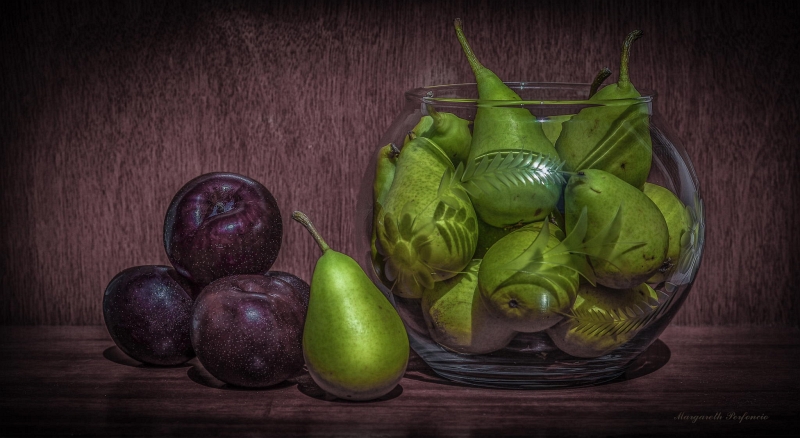
Still-Life Photography by Margareth Perfoncio
São Paulo photographer Margareth Perfoncio’s still lifes of food and flowers—Old Master light, dark wood, and tables that feel inevitable.

Meaningful Love Quotes for Inspiration (and Ink)
Meaningful love quotes that still feel true — short lines for tattoos, gifts, and everyday reminders, with placement and wording tips.

Christina Hess’s Animals From History: Costumed Pets as Playful Portraits
Illustrator Christina Hess reimagines historical icons as ornate animal portraits—Elvis Petme and friends—mixing puns, costume detail, and soft history lessons.