
5 Ways to Wear Dance Clothes Outside the Studio
From tulle-and-flats dress-up to denim brunch layers and a real training kit—five practical ways to wear leotards, skirts, and dance-ready pieces every day.
Dancewear exists to do a job: support the body, show line, move sweat away from skin, and let a teacher see what a joint is actually doing. That practical DNA is exactly why studio pieces keep drifting into everyday fashion. Ballet-inspired layers read graceful on the street; hip-hop warm-ups read athletic and easy; ballroom’s drama still shapes evening silhouettes even when no one is counting bars.
You do not need a company contract to borrow the wardrobe. You need pieces that already fit how you move—leotards, soft skirts, leggings, supportive bras, shoes that forgive a full day—and a sense of when to dress them up, tone them down, or leave them honest for a workout. Below are five reliable ways to wear dance clothes outside the studio, built for real errands, dates, brunches, and training days rather than costume cosplay.
1. Soft dress-up: leotard, tulle, and flats
Start with a leotard that feels like a second skin rather than a costume. Three-quarter sleeves give a finished neckline and take the edge off bare shoulders if you are heading somewhere quieter than a club. Pair it with a tulle or soft rehearsal skirt that hits mid-thigh to just above the knee—enough float to feel special, not so much volume that you fight subway seats.
Ballet flats (or soft leather flats with a similar profile) keep the look grounded. A thin chain or small pearl studs are enough jewelry; the fabric already does the talking. Makeup can stay luminous and light—skin first, soft cheek, restrained eye—so you do not tip into recital glam. Hair in a low bun or twisted knot finishes the line the way a dancer’s bun finishes the neck.
Wear this to a gallery afternoon, a lunch that wants a little ceremony, or any day you want to feel composed without a full dress. The trick is fabric quality: opaque enough for daylight, smooth enough under a light cardigan if the air conditioning drops. If the leotard has a low back, bring a light wrap so the outfit still works when plans change.
Fit notes matter more than brand names. A leotard that rides or digs will undermine the grace you are after. Try sitting, reaching, and walking stairs before you commit the look to a long day. Dance clothes punish poor fit faster than ordinary separates because there is nowhere for excess fabric to hide.
2. Evening elevation: mesh, shimmer, and a fuller skirt
Date night and late dinners ask for more intention. Choose a leotard with a considered detail—mesh paneling, a deeper neckline you still feel steady in, or a quiet shimmer woven into the fabric rather than glued-on flash. Understatement reads expensive; costume sparkle reads like Halloween.
Layer a fuller tulle or soft tutu-length skirt that clears the knee enough to walk. Heels raise the posture the way pointe shoes raise a dancer’s center—pick a height you can actually stand in for hours. A small clutch keeps hands free; soft evening makeup and hair that stays out of your face complete the shift from studio practice to night out.
This is the closest street fashion gets to “princess” without renting a ballgown. It also asks for confidence in coverage and lighting. Check the leotard in daylight and under warm indoor bulbs; mesh that looked solid in a dressing room can turn transparent in a restaurant. Flesh-tone underlayers designed for dancewear solve that problem without adding bulk.
If heels are not your friend, a sleek ankle boot with a modest lift still sharpens the leg line. The outfit’s romance comes from proportion—fitted top, volume at the skirt, clean shoes—not from suffering through the night.
3. Brunch and hangouts: tank leotard under denim
Weekend ease loves a tank-style or spaghetti-strap leotard under an open denim shirt, cropped cardigan, or soft overshirt. The leotard replaces a camisole with better support and a smoother line. Short cutoffs or relaxed denim shorts keep the mood casual; high-tops or ankle boots finish it for a backyard, a market, or a casual game day.
Hair can stay down or in a ponytail. Makeup can be your everyday face. The point is comfort that still looks chosen: dance fabric against familiar denim, athletic ease without looking like you forgot to change after class.
In cooler weather, swap shorts for vintage-wash jeans and keep the open layer so the leotard peeks rather than dominates. In heat, drop the overshirt once you are outdoors and let the leotard work like a bodysuit—many modern cuts are designed exactly for that crossover.
Mind the snap closures and gussets. Dance leotards are built for movement and bathroom logistics in studios; on a brunch patio you still want hardware that stays flat under denim and does not dig when you sit for a long meal. A bodysuit cut with softer everyday seams can be a cousin to true dancewear if your studio piece feels too technical for hours of hanging out.
4. Everywhere casual: boat-neck leotard, denim vest, jeans
For school days, friend visits, errands that turn into drinks, build a uniform: boat-neck leotard with three-quarter sleeves, denim vest, skinny or straight jeans, and shoes that match the day’s weather—flats, sneakers, or boots. An alternate path swaps jeans for a short denim skirt with opaque tights when you want more polish.
This combination travels because nothing in it shouts “costume.” The leotard behaves like a sleek knit top; the vest adds structure; denim keeps it social and familiar. Loose, easy hair and daytime makeup keep the tone friendly rather than formal.
Layering is your friend in transitional seasons. A light trench or chore coat over the vest turns the same base into a city uniform. In summer, skip the vest and add a linen overshirt you can tie at the waist when indoor cold hits.
Color strategy helps. A black or deep jewel leotard under medium denim is nearly foolproof. Bright studio colors can work if the rest of the outfit stays quiet—one vivid body, muted layers. Patterns on both leotard and vest usually fight; pick one place for interest.
Shoes decide the message. Clean white sneakers read errands and campus. Soft ballet flats lean prettier. Boots push the look toward evening without changing the clothes. Keep a spare pair in mind if your day spans walking and sitting in equal measure—dance people already know feet are part of the costume.
5. Training day: sports bra, loose tank, capri leggings
Not every dance-adjacent day is about looking choreographed. Capri or cropped leggings, a supportive sports bra, a loose tank with generous armholes, and high-top or running sneakers are the honest workout uniform that still photographs like style when you grab coffee after the park.
Hair up, makeup optional, earbuds in: this is function first. Choose leggings with a waistband that stays put through lunges and a bra that actually matches your impact level. Dance training teaches the same lesson fashion sometimes forgets—if the garment fails mid-movement, nothing about it is chic.
The loose tank is not sloppiness; it is temperature control and modesty while you work. Wide armholes help heat escape and keep fabric from binding during reaches. If you walk from studio to street, a zip hoodie or track jacket restores public polish in ten seconds.
Footwear deserves the budget line. Dance sneakers, court shoes, or solid runners protect ankles and knees the way performance shoes protect a show. Fashion high-tops with no support will punish a long training block. Save the pretty pair for the brunch look; wear the pair that lets you finish the set.
Putting it together without looking costumed
Dance clothes enter everyday life best when one studio piece leads and the rest of the outfit speaks street. A leotard plus ordinary denim reads intentional. A full recital tutu plus stage makeup for grocery shopping reads like a bit. Edit for context: where you are going, how long you will sit, how much you will walk, and whether you need pockets (add a bag or a jacket that has them).
Care extends the crossover. Wash delicate leotards as the fiber asks, reshape tulle, and retire any piece that has gone sheer or loose at the seams. Studio gear that has worked hard for years may be perfect for rehearsal and wrong for daylight fashion—opacity and finish matter more on the sidewalk than under stage lights.
Borrow the feeling dancers chase—ease, line, confidence—more than you borrow the entire costume rack. Five formulas are enough to start: soft dress-up, evening shimmer, denim hangout, everyday boat-neck uniform, and true training kit. Once those sit in your closet, you will invent the sixth look without a checklist, because the clothes already know how to move.

Comments
Continue reading

Funny Animal Signs That Warn People (While Animals Ignore Them)
From a seagull on a no-birds disc to classic zoo and park ironies—why animal warning signs get funny, and what the rules are still for.

How to Find Local Amenities on Vacation: Mechanics, Haircuts & More
Locate trustworthy local services and everyday spots while traveling or settling in—using publications, reviews, map apps, neighbor tips, and low-pressure exploration.
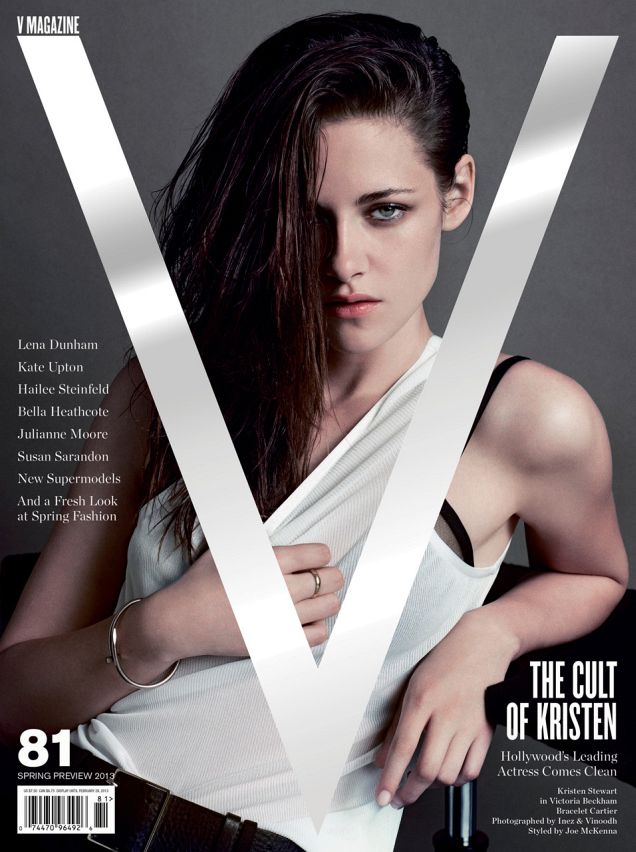
Kristen Stewart for V Magazine, Spring Preview 2013
V81’s Wild at Heart cover story—Kristen Stewart shot by Inez & Vinoodh, styled by Joe McKenna, in pale minimal spring glamour.