
5 Practical Tips to Keep Writing Toward Masterpiece-Level Work
Inspiration lists, public feedback, distraction control, learning from failure, and weekly targets—habits that help writers stay productive when motivation fades.
Most writers do not quit because they lack talent. They quit because the gap between the work they imagined and the draft on the page feels humiliating, and nobody taught them how to stay inside that gap long enough for craft to catch up. Ambition without a method turns into self-doubt; self-doubt turns into silence. The question is rarely “Am I a writer?” It is “What practices keep me producing when inspiration is thin?”
A masterpiece is not a single lightning strike. It is usually the late result of habits that look ordinary from the outside: remembering why you began, testing work in public, protecting attention, treating failure as data, and setting targets small enough to finish. The five tips below are not magic formulas. They are durable ways to keep writing when motivation alone is not enough.
1. Keep a list of inspirations
Halfway through a chapter, many writers stall. The idea that felt inevitable yesterday suddenly looks thin. Doubt arrives with a familiar script: maybe this story does not matter; maybe someone else already wrote it better; maybe you should wait until you feel ready. An inspiration list interrupts that spiral by returning you to the original charge—the reason writing claimed a place in your life at all.
Build the list as a living document, not a motivational poster. Include books that rearranged how you see sentences. Include scenes that still move you years later. Include personal moments: a conversation you never forgot, a landscape that changed your pace, a question you cannot stop asking. Ambition, goals, and a vision of the future belong here too, but so do concrete sensory details. Vague pep talk fades. Specific memory travels.
Use the list when you start a session, not only when you are already stuck. Read three items before you open the draft. Ask which one still feels unfinished in you. Often the answer points toward voice, theme, or tone more clearly than a blank page ever will. When the draft goes cold mid-project, return to the list again and ask a harder question: which inspiration did this piece begin from, and have you drifted away from it? Drift is common. Correction is a craft skill.
Do not treat the list as proof that you must produce greatness today. Treat it as evidence that your attention has a history. Writers who remember why they started are better at restarting after a bad morning. The list will not write the page for you. It will remind you that quitting is not the only honest response to difficulty.
2. Start a blog—or another public practice—for feedback
Private notebooks teach fluency. Public practice teaches judgment. Many writers have no reliable way to learn how their sentences land with other minds. They revise in a closed loop of preference and anxiety. A blog, newsletter, workshop series, or regular essay practice breaks that loop by putting finished pieces in front of readers who are not obligated to be kind or impressed.
Feedback does not have to mean viral comments or harsh forums. It can mean a small audience that returns, a writing group that marks where attention slips, or analytics that show which openings hold people and which lose them. Honest response—positive or not—gives you information about clarity, pacing, and appeal that self-editing cannot invent. Over time you learn which habits readers reward and which cleverness they skip.
Public writing also trains finishability. A blog post has edges. It must end. That constraint teaches structure faster than endless “someday novel” files. You practice titles, openings, transitions, and closings under mild pressure. You learn to ship imperfect work and improve the next one instead of polishing one draft into oblivion. Extra income, if it appears, can help—but the main return is experience. A good writer seeks feedback not as applause, but as a map of what still needs work.
Protect yourself while you practice. Choose venues that match your temperament. Moderate comments if needed. Separate useful critique from noise. The goal is not to harden into indifference; it is to develop a steadier ear for what the work is doing outside your head.
3. Get rid of distractions—on purpose, not forever
Ideas do not fail only for lack of originality. They fail when attention never stays long enough for language to thicken. House chores, phone alerts, messages, and the open browser tab all compete for the same scarce resource: uninterrupted minutes in which thought can become sentences. Life requires those other tasks. Writing requires intervals when they are not winning.
Protect a writing window the way you would protect an appointment you cannot casually cancel. Choose a time of day when your mind is usable, not heroic. Tell the people who need to know. Put snacks nearby if hunger derails you. Silence notifications. Turn off Wi-Fi if the internet is your main escape hatch—or use tools that block the worst sites for a set period. The first sessions will feel awkward. That awkwardness is withdrawal from stimulation, not proof that the method is wrong.
Distraction management is also environmental design. A clear desk, a consistent chair, a document already open to yesterday’s last line—small frictions removed so starting costs less willpower. Some writers need silence; others need café noise. Experiment, then standardize what works. Consistency beats intensity. One protected hour most days outperforms a rare eight-hour binge followed by weeks of avoidance.
Remember the point: you are not trying to become a monk. You are trying to give unfinished thoughts a chance to become readable prose. Masterpieces are rarely written in the gaps between pings. They are written in stretches where the page is allowed to be the loudest thing in the room.
4. Embrace failures as revision fuel
Improvement depends on accepting that early drafts are supposed to be incomplete. Bestsellers and celebrated essays are almost never first versions that arrived polished. They are works that survived criticism, rereading, cutting, and rethinking. When someone points out a weak scene or a muddy argument, the useful response is curiosity before defense. What exactly failed for them? Where did the text lose control?
Failure is not a verdict on your identity. It is information about a particular attempt. A rejected submission can reveal a mismatch of market, timing, or craft. A workshop note can expose a habit you could not see alone—overwriting, under-explaining, or trusting cleverness more than clarity. Embrace the lesson without romanticizing pain. You do not need to enjoy rejection. You do need a practice for converting it into the next revision pass.
Keep a short failure log if it helps: what you tried, what response you got, what you will change. Over months, patterns appear. Maybe your openings are strong and your endings soft. Maybe dialogue carries you while description stalls. Those patterns are gold. They turn vague shame into a syllabus. Writers who refuse failure often refuse growth; writers who study it keep climbing.
5. Keep weekly goals and targets
Procrastination thrives on vague ambition. “Write my book” is too large to start on Tuesday morning. Weekly targets shrink the work into units you can finish and feel. Word-count goals, scene goals, revision hours, or a set number of published posts—choose measures that match the project. Completing a weekly target produces a concrete satisfaction that motivation alone cannot fake. That satisfaction makes next week easier to begin.
Make the targets realistic enough to survive ordinary life. An aggressive quota that collapses every busy week teaches you to abandon plans. A modest quota you meet consistently teaches reliability. Increase difficulty after the habit holds, not before. Track progress somewhere visible: a calendar, a notebook, a simple spreadsheet. Seeing completed weeks accumulate is itself a form of inspiration.
Weekly goals also create natural review points. Did the target serve the work, or only produce empty pages? Adjust. Some weeks prioritize drafting; others prioritize cutting. The structure remains: decide, do, assess. Positive targets tend to produce steadier results because they replace hope with schedule. You stop waiting to feel like a writer and start behaving like one on a calendar you control.
Putting the five together
These practices reinforce one another. An inspiration list feeds the emotional reason to sit down. A public practice gives the work somewhere to go. Distraction control makes the sitting productive. Embracing failure keeps criticism from ending the career. Weekly targets keep the machine running when mood is flat. None of them guarantees a masterpiece. Together they make masterpieces more likely by keeping you in motion long enough for skill and luck to meet.
Writing remains hard. That hardness is not a personal defect; it is the nature of turning private thought into shared language. Keep the list close. Put work where readers can answer. Guard your hours. Learn from what fails. Finish something every week. The page will still resist you—but you will have more ways to answer back than hope alone ever offered.

Comments
Continue reading
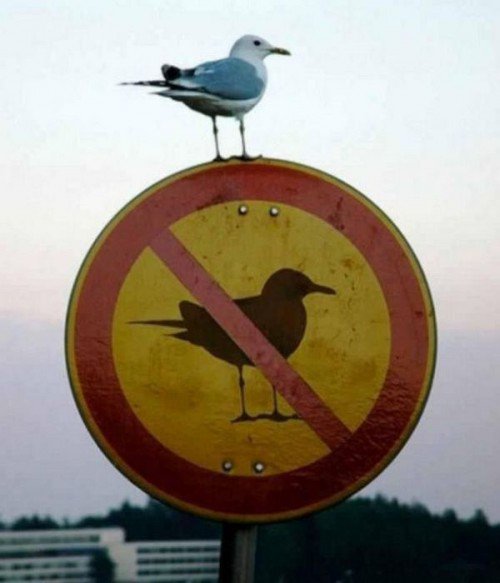
Funny Animal Signs That Warn People (While Animals Ignore Them)
From a seagull on a no-birds disc to classic zoo and park ironies—why animal warning signs get funny, and what the rules are still for.

How to Find Local Amenities on Vacation: Mechanics, Haircuts & More
Locate trustworthy local services and everyday spots while traveling or settling in—using publications, reviews, map apps, neighbor tips, and low-pressure exploration.

Kristen Stewart for V Magazine, Spring Preview 2013
V81’s Wild at Heart cover story—Kristen Stewart shot by Inez & Vinoodh, styled by Joe McKenna, in pale minimal spring glamour.