
4 Smart Home Updates While You Redecorate: Kitchen, Appliances, Bedroom, Living Room
Refresh your home while redecorating with four high-impact updates: kitchen cosmetics, appliances that match real use, bedroom textiles and ceilings, and a living room built around the sofa.
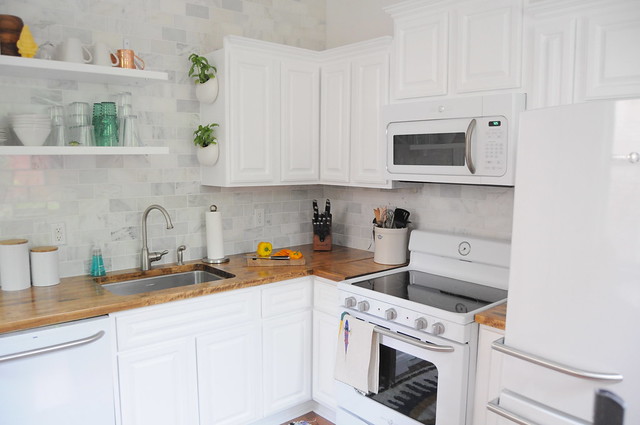
Redecorating is more than swapping throw pillows. It is a chance to decide what still works, what quietly frustrates you every day, and which upgrades will make the house feel current without forcing a full gut renovation. The smartest projects start with a plan: a budget per room, a short list of priorities, and permission to finish one space before opening the next. Unlimited money is rare; clear sequencing is not.
Four areas repay that discipline especially well when you are already in “refresh mode”: the kitchen, the appliances that support daily life, the bedroom, and the living room. Tackle them with the same order of thinking—function first, then finish—and the house begins to look intentional rather than patched.
1. Tasteful kitchens without a full gut job
A kitchen remodel can be as modest as new hardware or as ambitious as relocating plumbing and replacing every cabinet. Industry snapshots have long put average full remodel costs in the low five figures—numbers that climb fast when layout changes are involved—so it helps to separate “want” from “must.” Cabinetry and plumbing moves are usually the budget killers. If those are out of reach this year, you can still change how the room reads.
Painting solid wood or paintable cabinet boxes is one of the highest-impact, lowest-disruption moves available. Choose a durable finish meant for high-touch surfaces, prep carefully, and plan for several days of limited cooking rather than a weekend miracle. New pulls and knobs finish the illusion: modern bar pulls can pull a dated oak box into the present; softer knobs can warm a stark white kitchen. Either way, hardware is cheap insurance compared with custom doors.
Countertops and backsplashes do the other half of the visual work. A clean slab or a well-chosen laminate can erase years of wear; a simple subway or vertical stack backsplash can hide tired wall paint and give the eye a crisp edge. Keep color stories short—one dominant cabinet color, one counter tone, one backsplash pattern—so the room feels edited rather than busy. If you cook every day, protect the investment with good lighting over prep zones and a trash or recycling plan that does not fight the new layout.
Before you buy anything permanent, empty the counters and live with the bare room for a week. Clutter often masquerades as a design problem. Once the surfaces are clear, it becomes obvious whether you need new stone or simply better storage and a calmer palette.
2. Appliance upgrades that match how you actually live
Redecorating invites appliance catalogs into the conversation, and that is fine—as long as function leads the shopping list. A connected refrigerator that sends grocery alerts is clever if you will use it and can absorb the price. It is a distraction if the real pain point is a weak dishwasher, an unreliable oven, or a laundry pair that rattles through every cycle. Rank appliances by hours of weekly use and by how often they fail you. Replace the bottlenecks first.
Kitchen ranges are a common status purchase. A six-burner pro-style cooktop looks impressive in a showroom; it is excess if most weeknight meals are skillet-and-sheet-pan cooking for two. Match burner count, oven capacity, and cleaning expectations to your real habits. The same honesty applies to refrigerators: measure the niche, confirm door swing clearances, and decide whether you need French doors, a bottom freezer, or simply quieter operation and better organization inside.
Do not stop at the kitchen. HVAC that cannot keep rooms comfortable undermines every pretty paint job. Laundry machines that leak or shred clothes make a refreshed mudroom feel unfinished. When you are already budgeting for décor, set aside a line for systems that support the rooms you are styling. Energy efficiency, parts availability, and service in your area matter more than a glossy demo video. If cash is tight, repair or refurbish where it is rational, and save the full replacement for the appliance that will change daily life the most.
Timing upgrades with a redecoration also reduces chaos. New flooring or paint is easier before a heavy range arrives. Cabinet painters appreciate knowing whether panel-ready appliances will hide or whether stainless will stay visible. Coordinate delivery windows so the room is not half finished when the truck shows up.
3. Blissful bedrooms: linens first, then the fifth wall
Bedrooms respond quickly to soft goods. A new duvet, quilt, or layered comforter set can reset the mood in an afternoon: cooler neutrals for calm, deeper tones for cocooning, crisp whites when you want hotel clarity. Invest in sheets you will actually wash often, and keep spare sets so the “new look” does not collapse the first busy week. Pillows and a rug underfoot finish the comfort layer without requiring a furniture truck.
When you are ready to go beyond textiles, look up. The ceiling—sometimes called the fifth wall—is underused in most homes. Simple paint in a shade related to the walls can soften a boxy room. Wallpaper on the ceiling creates drama without crowding nightstands. Molding, a painted border, or rustic beams (real or carefully installed faux) add architecture where the floor plan cannot grow. Stencils work if you want pattern without committing a full roll of paper. Whatever you choose, keep the scale calm: bedrooms reward rest more than spectacle.
Lighting and blackout control matter as much as color. A dimmable bedside pair, a soft overhead wash, and curtains that actually block street glare turn a styled bed into a place you want to stay. If the mattress or foundation is failing, address that before buying statement headboards; comfort is the core of a bedroom upgrade, and no duvet hides a broken night’s sleep.
Storage should stay quiet. Closed dressers, a bench with hidden space, or under-bed drawers keep surfaces clear so the new textiles and ceiling details can do their job. A redecorated bedroom that still overflows with laundry baskets will never feel finished.
4. Living room tips that start with the sofa
Design advice that has endured for a reason: start with the largest piece. In most living rooms that piece is the sofa. Styles range from traditional rolled arms to clean contemporary lines to midcentury silhouettes with tapered legs. Choose the shape that matches how you sit—upright for conversation, deep for sprawling movie nights—and then pick fabric for real life: pets, kids, and dark coffee all vote. Measure the room and every doorway or stair turn before you fall in love online. A beautiful sofa that cannot enter the house is an expensive story, not a solution.
Area rugs anchor seating groups, but size is non-negotiable. A rug that floats like a postage stamp under the coffee table makes the room feel scattered. Aim for front legs of major seating on the rug at minimum, and leave a consistent border of floor around the edges so the space looks framed rather than cramped. Pattern can hide wear; solid textures can calm busy upholstery. Either way, vacuum paths and pad thickness affect how the room feels underfoot every day.
Furniture jammed against every wall is a common “make it bigger” mistake that usually does the opposite. Pull pieces a few inches forward, create a conversation cluster, and leave walking lanes that feel natural. Negative space is part of the design. Mirrors help when used with intention: opposite a window they bounce light; at the end of a sightline they deepen perspective. One well-placed mirror beats a gallery of tiny reflective clutter.
Finish the room with lighting layers—overhead, task, and a lamp or two for evening—and with art or a plant that gives the eye a resting place. If the television dominates, balance it with a console, books, or a textile so the wall is not a black rectangle. Living rooms that succeed after a redecoration usually feel easy to enter and easy to leave: nothing fights the doorway, nothing blocks the sofa, and the rug quietly holds the conversation together.
Putting the four updates to work
Work room by room. Set a hard budget for kitchen cosmetics, appliances, bedroom textiles and ceiling work, and living-room furniture plus rug. Do the messy or dusty jobs first within each space, then soft goods, then styling. Keep receipts and sample chips in one folder so later purchases stay consistent. When temptation appears—another accent chair, a trendy gadget—ask whether it solves a daily friction or only fills a cart.
Redecorating should leave you with rooms that fit how you cook, sleep, and gather, not a showroom you are afraid to use. Plan, spend where use is heaviest, edit what you already own, and let the kitchen, appliances, bedroom, and living room each get a clear win. The house will feel updated because the decisions were, not because every surface was replaced at once.

Comments
Continue reading

Funny Animal Signs That Warn People (While Animals Ignore Them)
From a seagull on a no-birds disc to classic zoo and park ironies—why animal warning signs get funny, and what the rules are still for.

How to Find Local Amenities on Vacation: Mechanics, Haircuts & More
Locate trustworthy local services and everyday spots while traveling or settling in—using publications, reviews, map apps, neighbor tips, and low-pressure exploration.

Kristen Stewart for V Magazine, Spring Preview 2013
V81’s Wild at Heart cover story—Kristen Stewart shot by Inez & Vinoodh, styled by Joe McKenna, in pale minimal spring glamour.