
Lifestyle Curiosities Digest: Animals, Kitchen Hacks, Craft, Food, Fashion, and Miniatures
An eclectic browse through cute animal photos, finger taekwondo jokes, kitchen lifehacks, patchwork, world breakfasts, magazine portraits, pencil sketches, and miniature food scenes.
Some pages on an old magazine site were never meant to be single-topic essays. They were mixed trays: a little humor, a little craft, a celebrity cover, a plate of breakfast, a photograph that makes you stop scrolling. This one gathered that kind of assortment—cute animals, finger-scale taekwondo jokes, kitchen shortcuts, patchwork sewing, world breakfasts, fashion editorial, pencil drawing, and miniature food scenes. What follows keeps that eclectic brief and walks through each strand as a small curiosity worth lingering on.
Think of it as a weekend browse rather than a thesis. Each section stands alone. Together they sketch the tone of a lifestyle digest that never took itself too seriously.
Incredibly cute animal photos
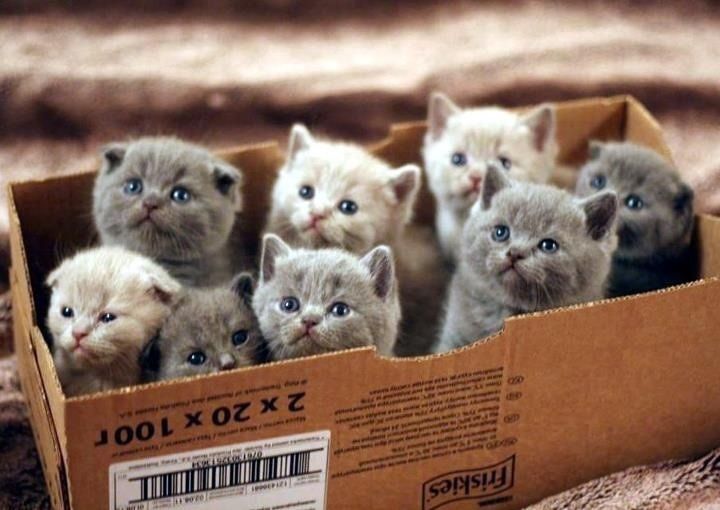
Animal photography works when it catches personality before polish. A box of kittens looking up at once is comedy and softness in the same frame: round faces, mixed coats, the slight chaos of too many bodies in too little cardboard. Soft indoor light and a shallow background keep attention on eyes and fur. The best “cute” images are not staged into stiffness; they wait for curiosity—heads tilted, paws overlapping, one kitten mid-blink.
If you shoot pets at home, get low to their eye level, use natural window light, and fill the frame enough that whiskers and texture read. Food-brand boxes and blankets are fine props when they are already part of the animal’s world; the charm is familiarity, not a studio set.
Finger taekwondo and tiny physical comedy
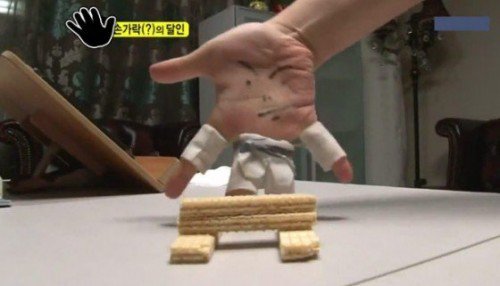
Finger taekwondo is the kind of joke that needs almost nothing: a palm drawn into a face, miniature gi fabric wrapped around fingers, and a stack of wafer cookies posing as boards to break. The humor lands because the scale is sincere. The hand becomes a stubborn little fighter. The living-room sofa in the background reminds you this is play, not a sports documentary.
Projects like this belong to a long tradition of finger theater and desk-toy storytelling. They are also oddly good photography subjects. Hard side light throws sharp shadows from the “legs.” A low camera angle sells the cookie boards as architecture. If you try it, keep the face drawing simple—angry brows and a straight mouth read better at thumbnail size than elaborate shading that smears.
Clever kitchen lifehacks
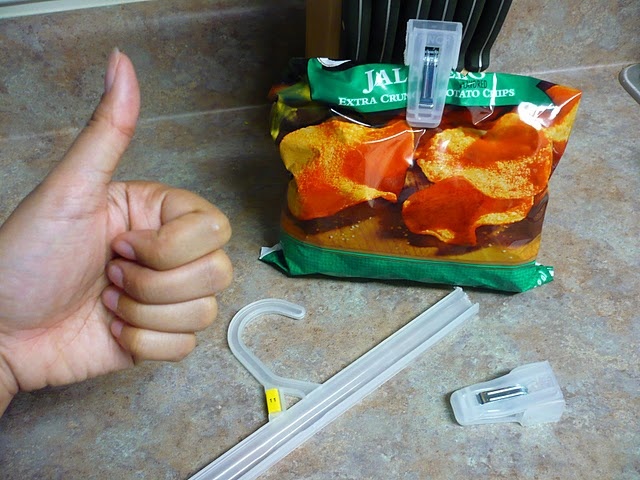
Kitchen lifehacks earn a place when they solve a daily annoyance with something you already own. Clip hangers are a classic example: the plastic clips that once held pants can clamp a folded chip bag shut without hunting for a dedicated bag clip. The “before” hanger and the “after” sealed bag tell the story in one countertop frame. A thumbs-up in the shot is optional theater; the useful idea is the clip itself.
Good kitchen shortcuts share traits: they are washable or wipeable, they do not introduce food-safety problems, and they do not require a specialty purchase that recreates clutter. Other cousins of this idea include jar lids as spoon rests, muffin tins as condiment caddies for parties, and binder clips as chip seals when hanger clips are scarce. Photograph hacks in real kitchens—knife blocks, speckled counters, ordinary light—so readers believe they could do it tonight.
Easy DIY patchwork
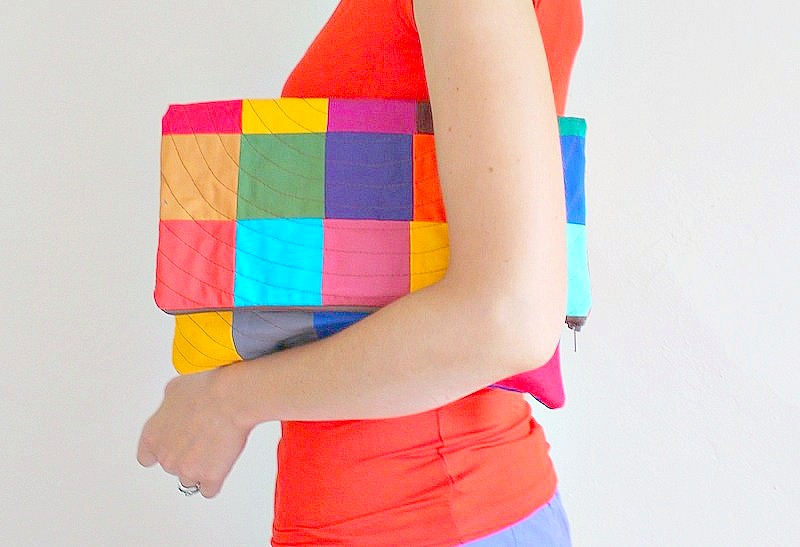
Patchwork turns fabric leftovers into something with intention. A clutch built from a grid of bright rectangles—yellow, magenta, turquoise, orange, grey—shows how scrap color can look designed rather than random when the pieces share similar scale and the stitching lines stay consistent. Quilting curves across the surface add texture you can see even in a still photo.
Beginners do well with small accessories before quilts: pouches, coasters, tote panels. Cut rectangles with a rotary cutter for cleaner seams, press every seam, and choose a sturdy lining so the bag holds shape. Upcycled clothing, thrifted sheets, and leftover quilting cotton all qualify. The point is not perfectionist matching; it is rhythm—warm next to cool, light next to dark—so the eye moves across the grid without getting stuck.
Breakfasts from around the world
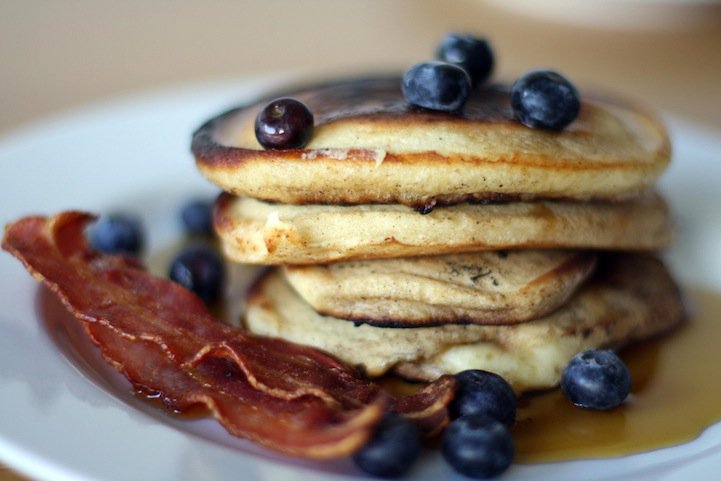
Breakfast is culture on a plate before the day negotiates anything harder. A stack of thick pancakes with maple syrup, blueberries, and a strip of crisp bacon is only one regional dialect—North American diner comfort in soft morning light—but it stands in for a larger idea: morning food carries identity. Elsewhere the first meal might be miso soup and rice, flatbreads with cheese and herbs, congee, ful medames, or buttered toast and strong tea.
Food photography for breakfast favors side light, a simple plate, and restraint with props. Let syrup catch a highlight. Keep the background quiet so steam, fruit bloom, and charred pancake edges stay the subject. If you collect breakfasts while traveling, photograph them as found rather than restyled into identical flat lays; the odd cup, paper napkin, or local ceramic is part of the story.
Celebrity editorial style: Nicole Kidman and magazine covers
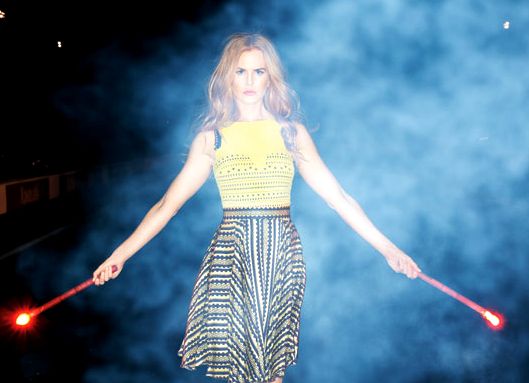
Fashion magazines freeze a season’s mood in a few frames. A Harper’s Bazaar cover era look—glamour lighting, precise hair, clothes chosen for silhouette as much as trend—shows how celebrity portraiture differs from candid lifestyle snaps. The face is the product, but wardrobe and color grade do the selling. Studying older editorials is still useful for anyone interested in portrait lighting: broad soft sources, careful catchlights, and backgrounds that do not compete.
You do not need a fashion budget to borrow the lessons. Notice how a single strong color in clothing can organize a frame. Notice how negative space around a subject creates prestige. Notice how restraint in expression can feel more expensive than a forced smile. Celebrity covers are commercial art; reading them that way keeps the curiosity sharp without sliding into gossip.
Amazing pencil sketches
Pencil remains one of the most honest drawing tools: graphite shows every hesitation and every confident curve. Strong sketches usually share a clear light source, patient layering from light to dark, and edges that vary—some sharp, some lost—so forms do not look like coloring-book outlines. Portraits in pencil reward careful proportion first; texture in hair and fabric comes after the big shapes sit correctly.
For viewers, the pleasure is seeing labor made visible. Cross-hatching, soft blends with a stump, and erased highlights all leave traces. If you are learning, draw from life or from your own photographs rather than tracing, and compare early construction lines to finished tone. A sketch that keeps a little of its underdrawing often feels more alive than one polished into plastic smoothness.

Little people on delicious food settings
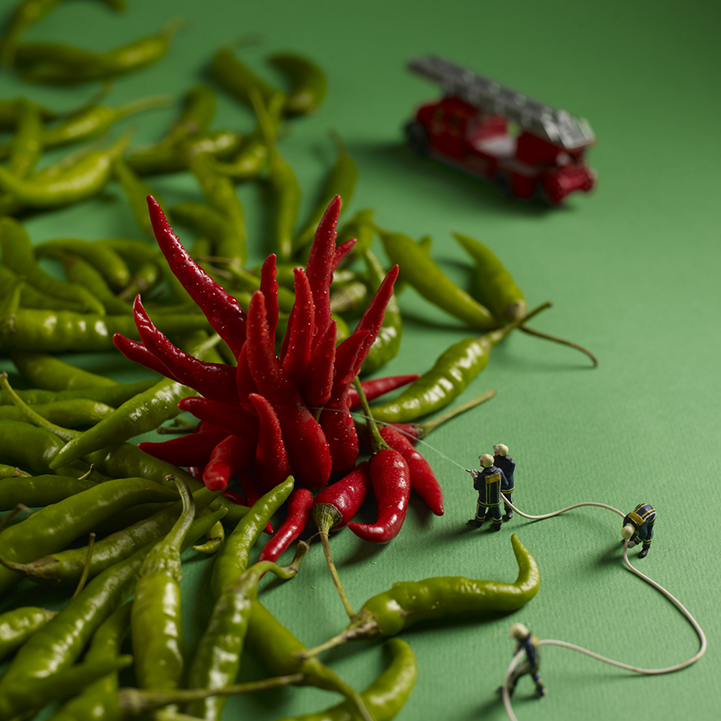
Miniature figurine photography turns groceries into landscapes. Tiny firefighters aiming a thread “hose” at a leaping cluster of red chilies—surrounded by a field of green peppers, with a toy truck soft in the background—is a joke about heat that also works as careful set design. Scale contrast is the engine: real food stays enormous; plastic people stay fragile and busy.
These scenes reward patience more than gear. Use a macro-capable lens or a phone that focuses close, stop down enough for the key figures to stay sharp, and keep the background simple so the story reads instantly. Fresh produce photographs better than tired vegetables. A single clear gag—fire, skiing down cheese, camping under mushrooms—beats a crowded tableau with no punchline.
Why a mixed tray still works
Not every page needs a single thesis. A digest that jumps from kittens to kitchen clips to pancake stacks mirrors how people actually wander through curiosity: one laugh, one useful tip, one beautiful plate, one image that makes you want to draw again. The through-line is attention—looking closely at ordinary materials until they become entertainment, craft, or comfort.
If you take anything practical from this assortment, let it be permission to keep a wide aperture on daily life. Photograph the animals in your house. Stage a ridiculous finger comedy on the table. Clip the chip bag with whatever actually works. Sew the scrap that was about to become trash. Cook a breakfast that tastes like somewhere you miss. Study a magazine portrait for its light. Sharpen a pencil. Build a tiny story on a cutting board. The oddly numbered pages of the old web were full of exactly that kind of restless looking—and that restlessness is still good company.

Comments
Continue reading
Funny Animal Signs That Warn People (While Animals Ignore Them)
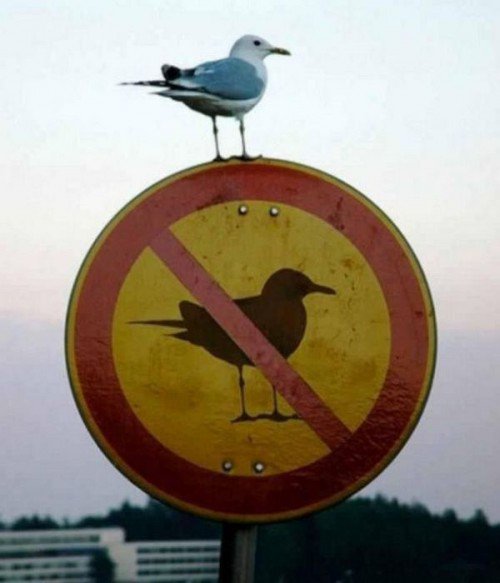
From a seagull on a no-birds disc to classic zoo and park ironies—why animal warning signs get funny, and what the rules are still for.
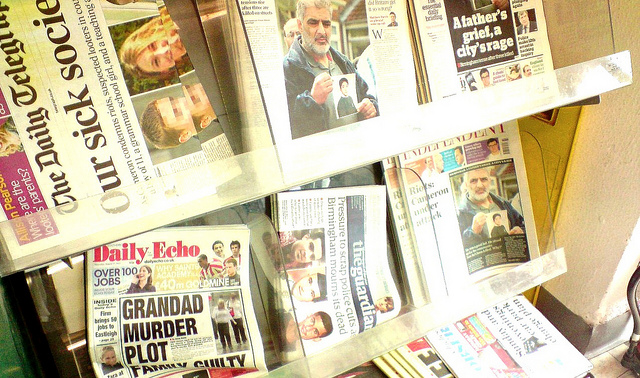
How to Find Local Amenities on Vacation: Mechanics, Haircuts & More
Locate trustworthy local services and everyday spots while traveling or settling in—using publications, reviews, map apps, neighbor tips, and low-pressure exploration.

Kristen Stewart for V Magazine, Spring Preview 2013
V81’s Wild at Heart cover story—Kristen Stewart shot by Inez & Vinoodh, styled by Joe McKenna, in pale minimal spring glamour.