
3 Reasons to Hire an Event Planner for Your Next Big Event
Why a professional event planner helps with a major gathering: saving time on vendor meetings, lowering planning stress, and delivering a room that looks and flows intentionally.
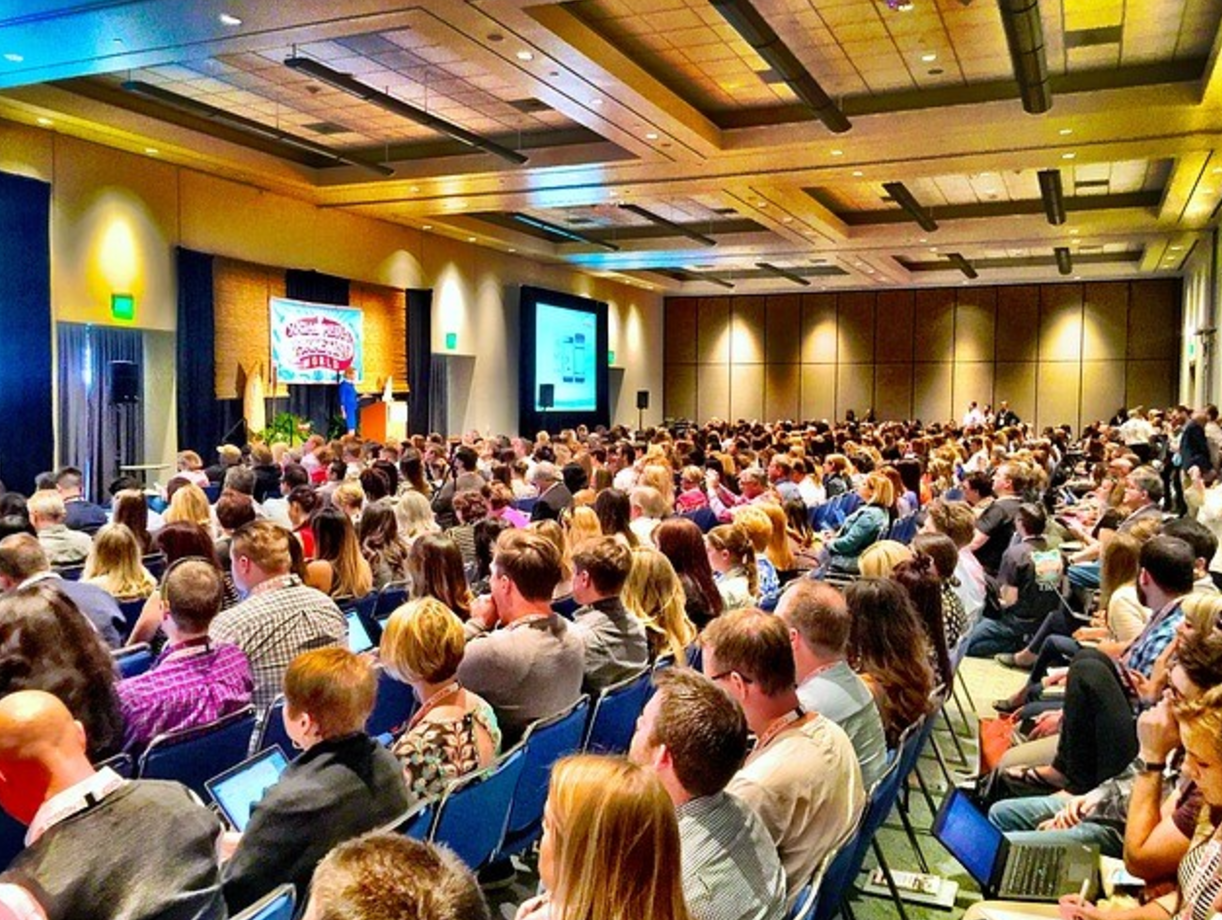
If you are about to host your first major event—a corporate gathering, a fundraising night, a milestone celebration—the to-do list can feel like a second job. Hiring an event planner may sound like an extra cost you cannot justify. The opposite is often true: a capable planner protects time, reduces expensive last-minute fixes, and raises the odds that the room actually works for guests. Three reasons matter most in practice: time, stress, and presentation.
A planner is not mandatory for every dinner party. The case grows when the audience is real, the stakes are public, and coordination spans venues, vendors, and a program that must start on time.
1. An event planner saves calendar time that hosts cannot fake
Large events generate meetings. Venues want walkthroughs. Caterers need counts and dietary detail. Audiovisual teams ask about power, screens, and speaker cues. Décor vendors measure entrances. Internal stakeholders argue over seating politics. Each conversation contains information only the person running logistics can use well. If you attend all of them yourself, your primary work—or your ability to be present as a host—shrinks week by week.
A planner can take those meetings, capture requirements, and translate them into a run of show. They already know which questions prevent day-of surprises: load-in windows, union rules, rain plans, accessibility routes, and who signs for deliveries. You remain for decisions that need your authority—budget ceilings, brand constraints, VIP lists—while they own the operational thread.
Time saved is not abstract. It is evenings you do not spend rebuilding spreadsheets after conflicting vendor emails. It is mornings you are not chasing a floor plan that never arrived. When your role is leadership, fundraising, or hosting family, outsourcing coordination is how the event stays on your calendar without consuming it.
Corporate events amplify the problem. Departments send representatives who each believe their preference is non-negotiable. A planner turns that noise into a single production document. Without one, you become the human API between people who do not share tools, language, or incentives. That is a full-time role disguised as “just helping with the party.”
If you are already behind on your ordinary responsibilities because planning ate the week, that is evidence, not weakness. Bring in a professional before the backlog becomes irreversible.
2. Planning stress drops when ownership is clear

First-time producers underestimate how many small failures stack into anxiety. A missing microphone, a late floral delivery, a seating chart that ignores accessibility, a speaker who needs a different clicker—each item is manageable alone and crushing in combination. Stress rises because responsibility feels unlimited while experience is thin.
A professional team absorbs that load by design. They build checklists, backup contacts, and timelines that assume something will slip. You still care about the outcome; you no longer carry every contingency alone. For corporate hosts, that separation also keeps internal politics from turning every napkin color into a committee spiral.
Stress is not only emotional; it is cognitive. Decision fatigue makes people approve bad quotes just to end the email thread. Planners reduce the number of open loops you must hold in your head. They present options with tradeoffs instead of infinite catalogs. That structure is how “minimizing client stress from concept to fruition” works in real productions—not as a slogan, but as a workflow.
If planning already interferes with sleep, focus, or health, treat that as a project signal. Hiring help is how you return the event to something with an owner and a plan, instead of a worry that follows you into unrelated meetings.
Intimate social events are not immune. Weddings-adjacent celebrations, reunions, and milestone parties still involve vendors, timing, and guest experience. Scale changes the budget; it does not erase coordination. A planner sized to the event can still be the difference between a host who enjoys the night and a host who only supervises it.
3. The room looks and feels intentional—not merely decorated
Guests judge an event in seconds. Sightlines, comfort, flow from entrance to seating, whether the stage reads clearly, whether tables feel cramped, whether lighting flatters faces without washing out a screen—these details decide whether people relax into the purpose of the night. Amateurs often focus on one showpiece: a backdrop, a cake, a slide deck. Professionals obsess over the unglamorous architecture of the room.
Chair angles, aisle width, buffet traffic, restroom wayfinding, cable paths, and décor that survives real movement are not Pinterest afterthoughts. They are why a space feels coherent. Planners have seen which ideas photograph well and which collapse under a hundred attendees. They know how to leave breathing room so service staff can work without colliding with guests. That craft is difficult to improvise from mood boards the week before.
Hiring for aesthetics is not vanity. A coherent room supports fundraising, product storytelling, or a personal milestone because guests can inhabit the experience instead of negotiating the furniture. When details fail, hosts feel it as embarrassment; guests feel it as friction. Preventing friction is part of what you pay for.
This is also where “gorgeous” meets practical. Beautiful lighting that blinds the speaker is not beautiful. Centerpieces that block conversation are not elegant. A planner’s eye is trained on both image and use. That dual standard is hard to maintain when you are also the person answering vendor texts at midnight.
What else a planner quietly protects
Beyond the three headline reasons, experienced planners help with venue fit, vendor vetting, and staffing so you are not learning procurement under deadline. Comparable quotes, clear exclusions, and on-site ownership reduce rush fees and “we will just make it work” improvisation. Ask early how they price—flat fee, percentage, or hybrid—what is excluded, and who is present the day of. A good fit feels like shared standards, not a high-pressure sales pitch.
They also translate vague goals into measurable plans: guest count ranges, program timing, accessibility needs, and brand constraints. Clarity makes vendors accountable. When something goes wrong—and something always does—the planner’s job is the recovery path, not a blank stare at the host.
For a small, low-stakes gathering you may not need a firm. For a night with a real audience, brand, or memory on the line, hire for coordination, calm, and craft—especially the first time failure would be public.

Comments
Continue reading

Funny Animal Signs That Warn People (While Animals Ignore Them)
From a seagull on a no-birds disc to classic zoo and park ironies—why animal warning signs get funny, and what the rules are still for.
How to Find Local Amenities on Vacation: Mechanics, Haircuts & More
Locate trustworthy local services and everyday spots while traveling or settling in—using publications, reviews, map apps, neighbor tips, and low-pressure exploration.

Kristen Stewart for V Magazine, Spring Preview 2013
V81’s Wild at Heart cover story—Kristen Stewart shot by Inez & Vinoodh, styled by Joe McKenna, in pale minimal spring glamour.