
26 Handmade Valentine Card Ideas You Can Make at Home
From origami hearts to papercut lace, printables, stamps, and doily wraps—twenty-six Valentine card directions with enough method to start tonight.
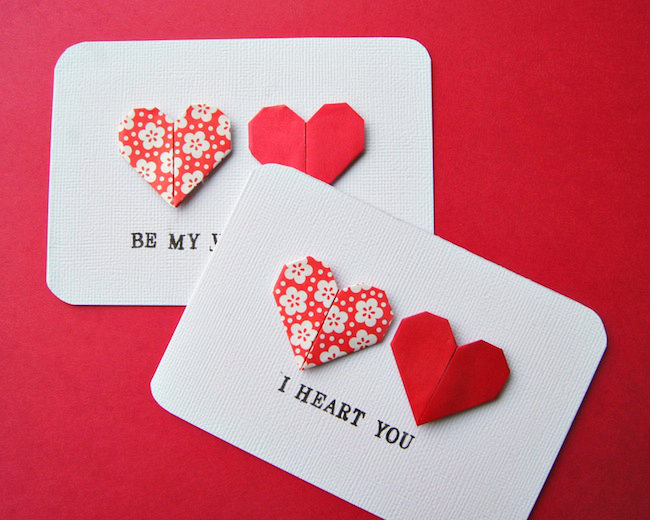
A handmade Valentine’s Day card still beats a last-minute drugstore pick when you want the gift to feel specific. Paper, glue, scissors, and a short note can carry more meaning than a printed slogan—especially if the design matches how you and your person actually talk to each other. The twenty-six directions below cover printables, origami, collage, stamps, doilies, photo inserts, and a few interactive formats. Use the image as a visual cue for mixed styles; build each card with supplies you already have or can buy in one craft-store trip.
1. Classic layered heart card
Cut a folded blank from heavy cardstock. Layer a smaller heart in a contrasting color on the front, then a tiny heart or initial on top. Keep edges clean with a sharp craft knife or punch. Write inside in ink that matches one of the paper colors so the whole piece feels planned rather than pieced.
2. Takeout-box Valentine
Fold a mini takeout-style carton from patterned paper, fill it with a folded note or a few chocolates, and stamp a heart on the lid. The “card” becomes a tiny gift. Score folds carefully so the box sits square on a table or desk.
3. Cupcake-liner bouquet card
Glue flattened cupcake liners into flower shapes on a vertical card, add paper stems, and write a short line under the bouquet. Soft pastels read sweet; bold red liners read playful. Flatten liners under a heavy book first so glue holds.
4. Chevron heart panel
Paint or washi-tape a chevron pattern across a card front, then cut a heart window through a second panel and glue it on top so the pattern shows through. The graphic look suits partners who prefer clean design over lace and glitter.
5. Free-printable fill-in card
Print a simple border and “To / From” lines on cream paper, trim to size, and mount on a colored base. Leave a generous blank for handwriting. Printables save time when you need several cards for classmates, coworkers, or kids’ parties.
6. Minimal handmade stock card
One folded sheet, one stamped heart, one short sentence. No glitter, no layers. This style works when the message matters more than decoration—and when you are making a stack of cards in one evening.
7. Quote-panel Valentine
Typeset or hand-letter a short love-adjacent quote on the front (choose something you both recognize, not a generic greeting). Keep typography large and margins wide. Inside, add your own line so the card does not feel borrowed.
8. Mixed-style sampler set
Make a small set of differently styled minis—stripe, polka, kraft, floral—and tuck them into one envelope or ribbon bundle. Useful when you want options, or when one envelope is meant for a family.
9. Origami heart face card
Fold an origami heart from a square of paper and glue it flat to a blank. Choose paper thin enough to crease sharply. A single precise fold often looks more intentional than three messy embellishments.
10. Origami heart envelope
Fold a heart that opens into a pocket for a note or photo strip. Seal with a wax dab or a small sticker. Recipients tend to keep these longer than flat cards because the structure itself feels like a keepsake.
11. Red-and-white graphic duo
Limit the palette to red and white: blocks, stripes, or a bold heart silhouette. High contrast photographs well and reads clearly from across a room if you display cards on a mantel.
12. Polaroid-frame photo card
Cut a white “instant photo” frame, insert a small print or photocopy of a shared moment, and write a caption on the border. Mount on cardstock. Privacy tip: use a crop that feels intimate without being something you would not want seen on a fridge.
13. Papercut lace card
Draw a simple motif, cut negative spaces with a craft knife over a cutting mat, and back the cut panel with a contrasting sheet. Work slowly; one clean papercut beats a complicated design that tears. Practice on scrap first.
14. Hand-stamped motif card
Stamp hearts, arrows, or a small word with pigment ink. Stamp off on scrap paper first for even pressure. Layer a second lighter stamp in a corner for depth. Stamps make multiples consistent when you are writing to more than one person.
15. Soft watercolor wash card
Wet the front panel lightly and drop diluted red or pink watercolor for a loose wash. Dry flat, then add a small drawn heart or short phrase in fine liner. Messy edges are part of the charm; protect the table with scrap paper.
16. Framed geometric heart
Build a heart from triangles or diamonds of colored paper inside a drawn or washi frame. Geometry feels modern and sits well on desks that already lean minimal. Glue from the center outward so pieces stay aligned.
17. Truth-or-dare interactive card
Print or write gentle “truth” and “dare” prompts on slips tucked into pockets or under flaps—keep them affectionate, not embarrassing. Interactive cards turn February 14 into a shared evening instead of a thirty-second open-and-read.
18. Doily envelope wrap
Wrap a flat card in a paper doily, fold the lace edges around like a sleeve, and seal with twine or a heart sticker. The doily becomes both packaging and decoration. Choose sturdy doilies so they do not tear in the mail.
19. Doily heart appliqué
Cut a heart from a doily or glue a whole small doily as a lace medallion on solid cardstock. Soft, vintage, and fast. Pair with a handwritten note in a darker ink so lace does not swallow the message.
20. Pixel pop-up card
Cut a grid of small squares that fold forward into a blocky heart when the card opens. Score carefully; pop-ups fail when folds are soft. Test the mechanism once before decorating the front.
21. Woven paper heart
Cut two contrasting sheets into strips or heart halves and weave them together for a classic Scandinavian-style woven heart. Use as a hanging ornament-card hybrid or glue flat to a blank. Even weaving looks better than rushed weaving.
22. Kid-friendly stamped set
Let children stamp and color simple hearts on card fronts while you handle folding and addressing. Keep ink washable and messages short. These cards are imperfect on purpose—and often the ones people keep.
23. Printable character or theme cards
Print a themed set (animals, tiny icons, soft illustrations), cut to size, and add a personal line. Themes help when you are making classroom Valentines and need volume without reinventing each design.
24. Ephemera collage Valentine
Collage ticket stubs, map scraps, old book pages, and a heart cutout onto a sturdy base. Glue thin layers so the card still closes in an envelope. Collage works best when every scrap points to a shared memory.
25. Embroidered paper card
Punch a simple stitch pattern through cardstock and sew with embroidery floss—outline a heart or monogram. Tape thread ends on the back. The tactile finish feels slower and more intentional than stickers alone.
26. Homemade mixed-media finale
Combine two techniques you liked above—stamp plus washi, watercolor plus photo, doily plus geometric heart—and stop before the front looks crowded. One focal point, one supporting texture, and a clear inside message is enough.
Materials that make cards last
Use cardstock for bases so cards stand on a shelf. Acid-free adhesives help if someone keeps the piece for years. Avoid perfume sprays that bleed ink. If mailing, measure thickness; bulky pop-ups and boxes may need hand-cancel postage and a larger envelope.
Write the note before you seal anything fancy. The design is the invitation; the sentence inside is the reason. Date the card lightly in a corner if you want future-you to remember which February it was. Store extras flat in a folder so next year’s batch starts with a head start instead of a blank craft table.
Pick one style that matches your skill and one evening’s energy. A finished simple card given on time will always outrank an ambitious design that never leaves the cutting mat.

Comments
Continue reading
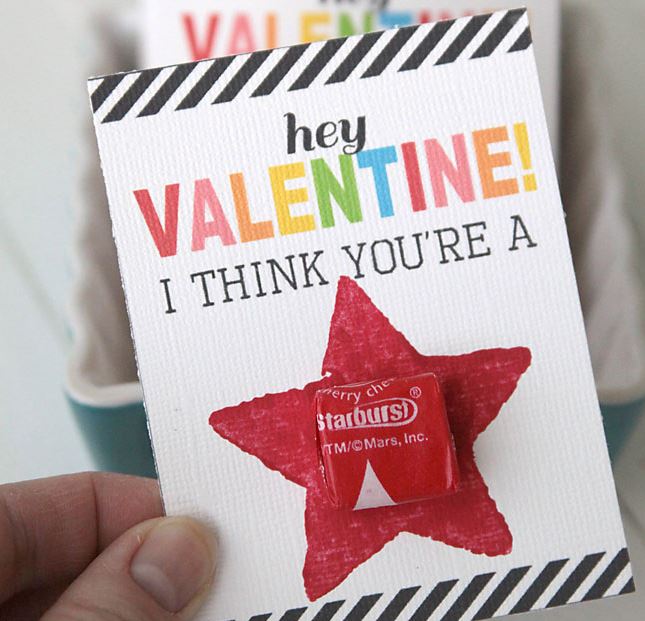
30 Free Valentine Printable Ideas for Cards, Tags, and Classroom Favors
Thirty printable Valentine ideas—cards, treat toppers, tags, and classroom favors—you can cut, color, and personalize without scrambling for last-minute store kits.
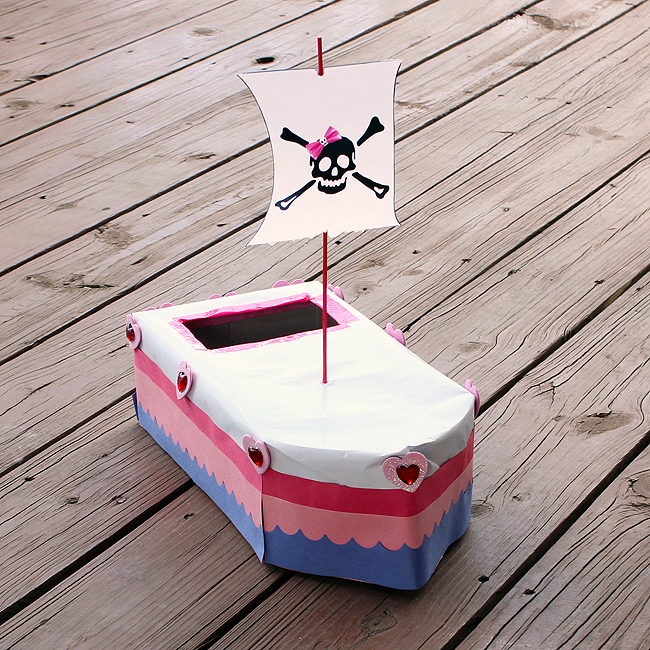
DIY Valentine’s Day Crafts for Kids: Cards, Mailboxes, and Sensory Makes
Age-friendly Valentine crafts for kids—mailboxes, heart stamps, suncatchers, treat holders, stick puppets, and play dough—with adult-handled scissors, glue guns, and crystal safety.
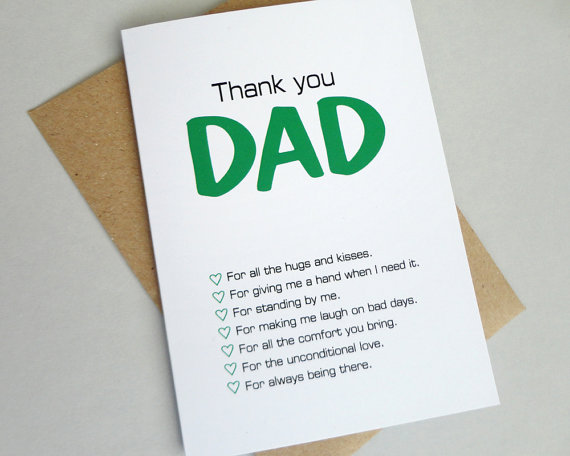
25 Inspiring Father’s Day Card Ideas to Make or Write
Twenty-five Father’s Day card ideas—photo covers, humor, kids’ art, letters, pop-ups, coupons, timelines, and quiet thank-yous—that sound like you, not a store slogan.