
Chic Women’s Coats: Silhouettes That Finish a Winter Outfit
A wardrobe-first look at chic women’s coats—lengths, fabrics, colors, fit checks, and how to wear outerwear so the whole outfit looks decided.
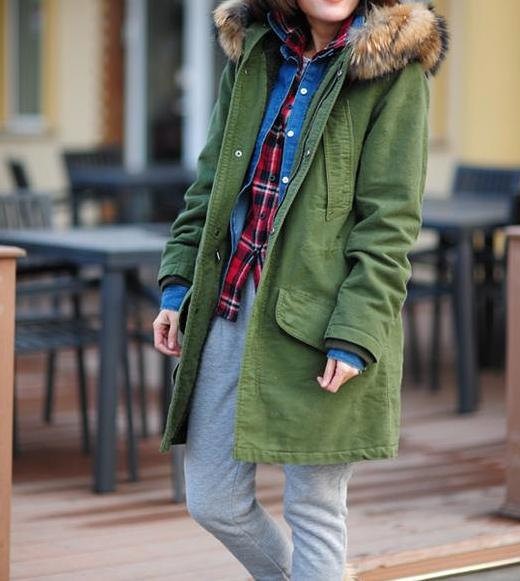
A coat is the first sentence of a winter outfit. Before anyone notices your shoes or bag, they register silhouette, length, and whether the outer layer looks deliberate. Chic women’s coats are less about chasing every seasonal flourish and more about choosing a shape that edits everything underneath — soft dresses, sharp trousers, weekend knits — into one clear line against cold air and gray light.
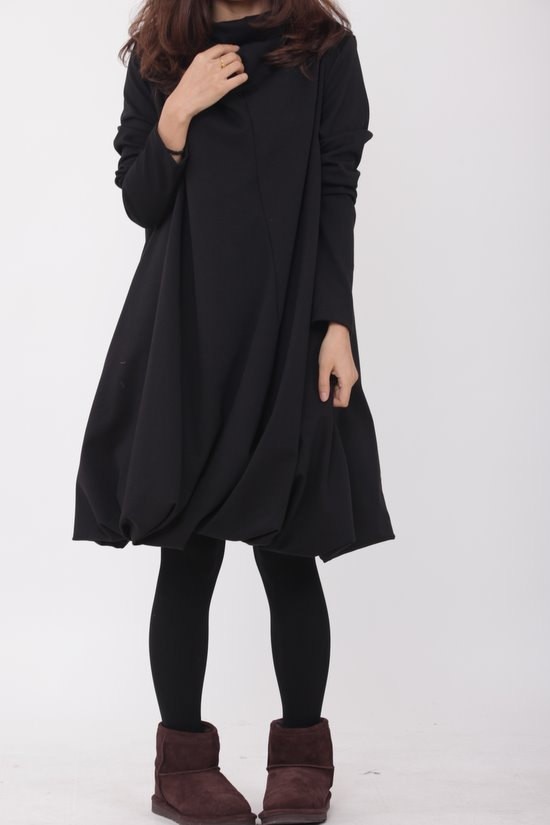
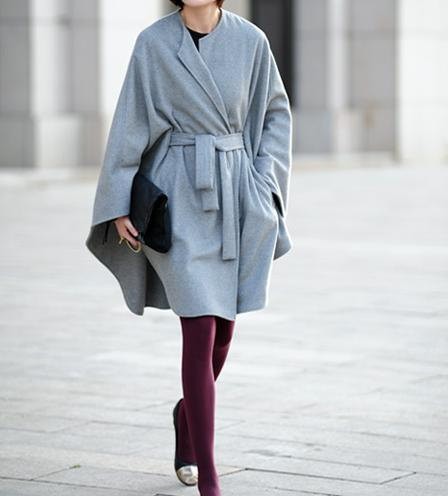
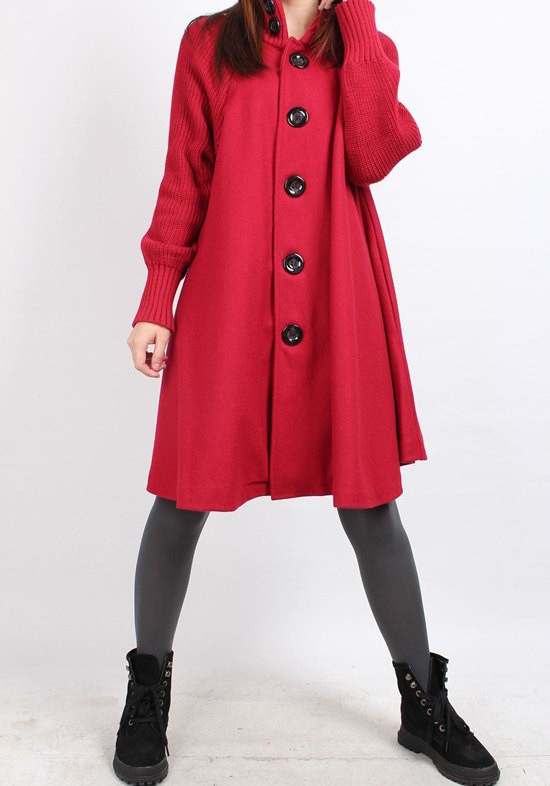
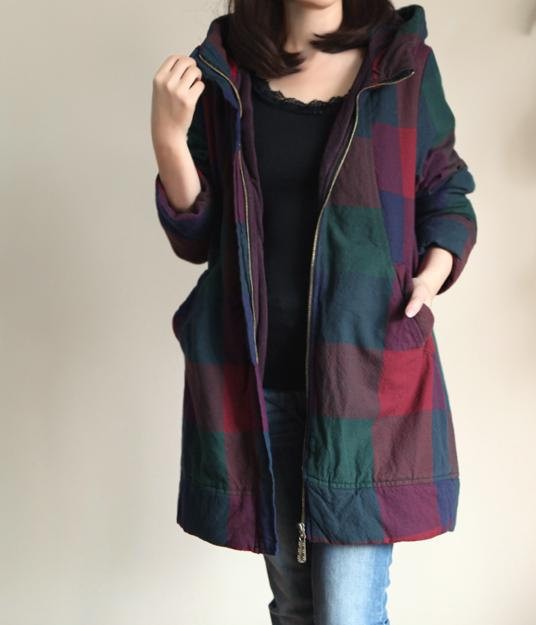
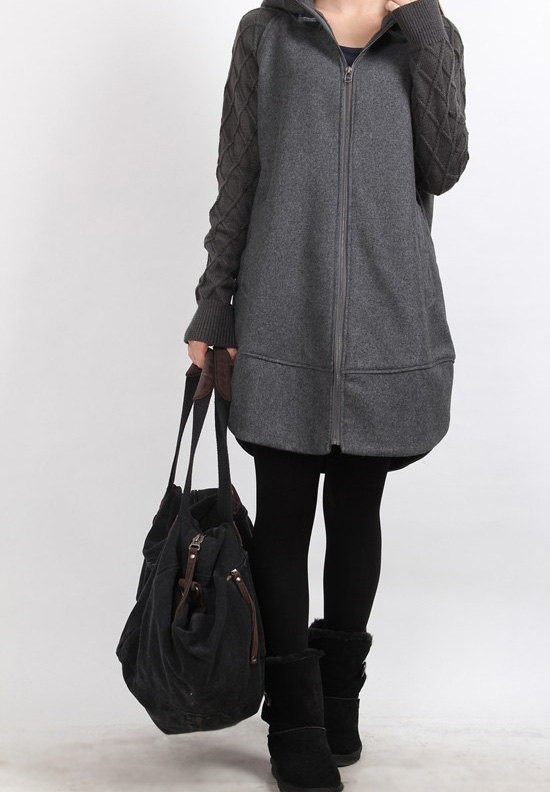
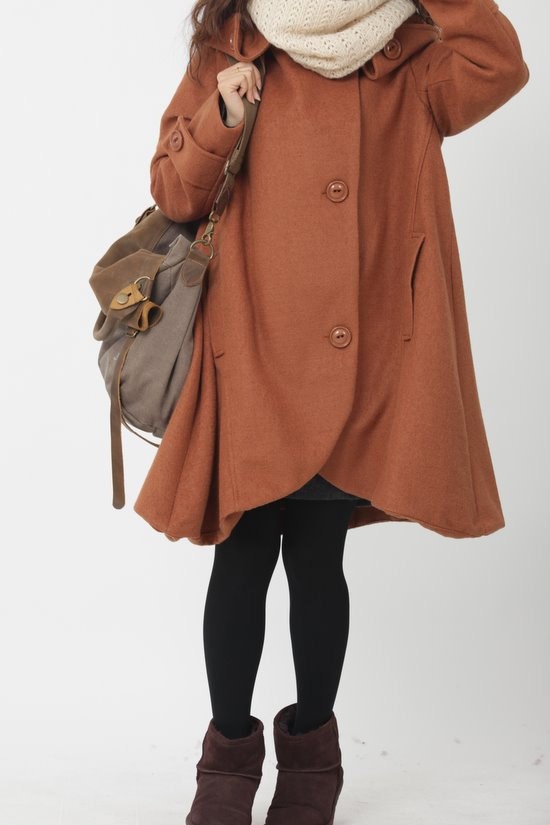
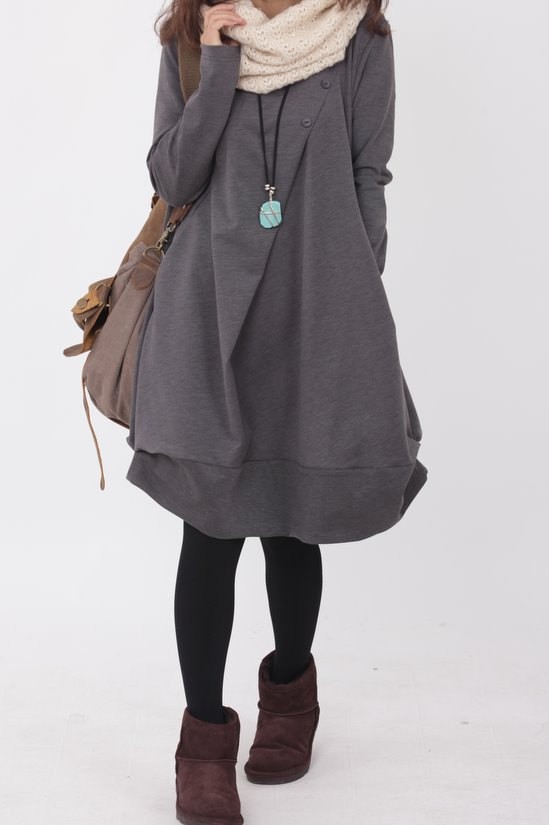
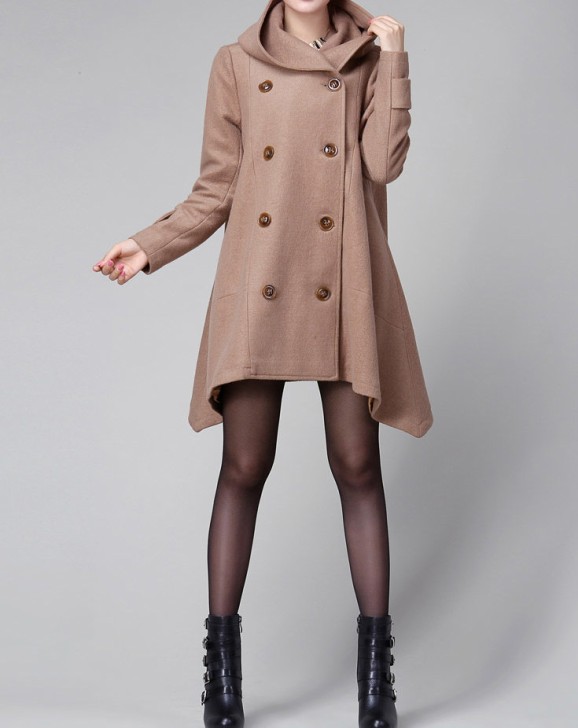
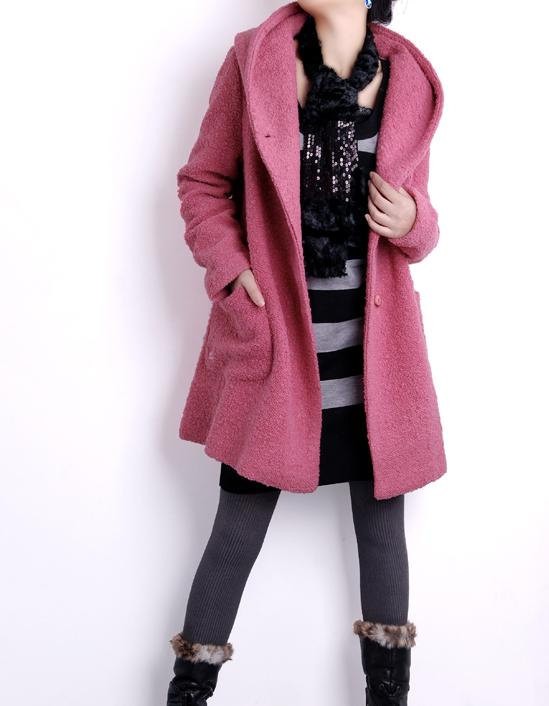
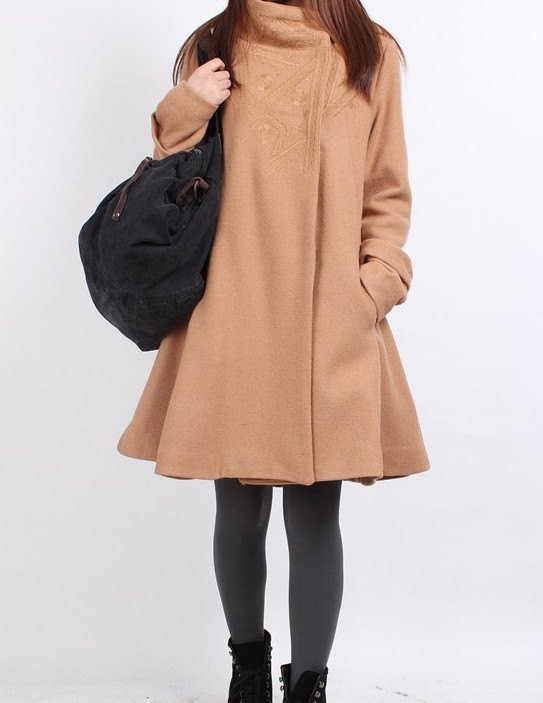
The gallery below collects winter outerwear moods that still read as wardrobe architecture: clean collars, considered belts, quiet luxury fabrics, and proportions that photograph as intention rather than bulk. Use the images as a silhouette study. Notice where the waist sits, how much cloth hangs from the shoulder, and whether the coat seems to finish the body or swallow it.
Start with silhouette, not trend labels
Most flattering coats fall into a few families. A classic single-breasted wool coat with a notched collar is the everyday workhorse — the piece you reach for without thinking. A double-breasted version adds formality and visual weight through the torso; it can look powerful with slim trousers and slightly heavy with too many layers underneath. A wrap or belted coat draws the waist and softens tailored pieces. A cocoon or rounded-shoulder style hides bulk and feels modern when the fabric has enough body to hold a curve. A long lean Chesterfield or column coat elongates; a cropped jacket sharpens high-waisted trousers and skirts.
Length is a lifestyle decision as much as a style one. Knee-length covers dresses in cold weather without swallowing your stride. Midi and maxi lengths look dramatic over slim pants and boots but need room to move on stairs, in cars, and on crowded transit. Cropped coats demand warmer layers beneath and stronger bottom halves — they are chic when intentional, chilly when accidental.
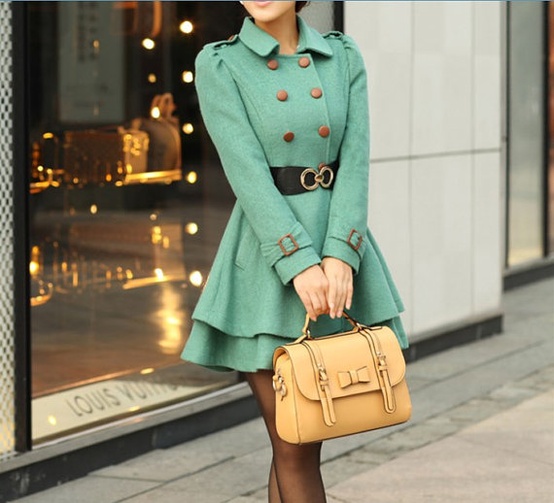
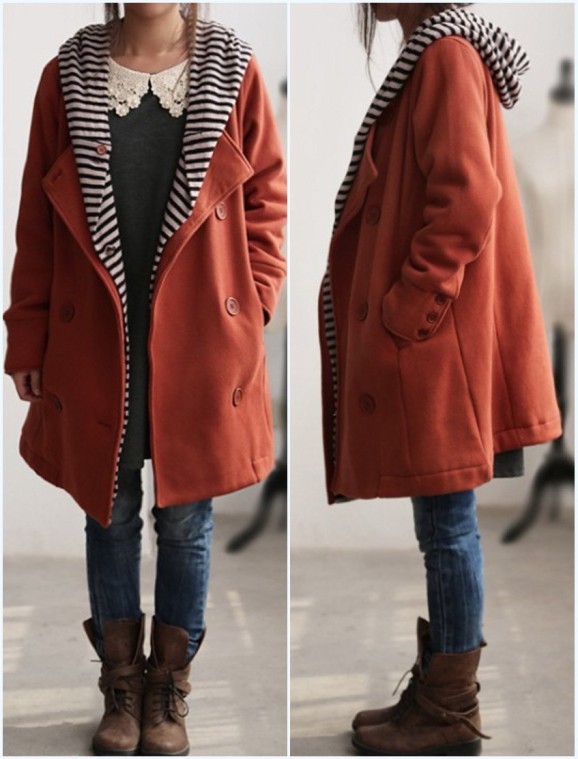
Fabric and finish do the quiet work
Wool and wool blends remain the backbone of chic cold-weather coats because they hold shape and take a press. Cashmere and cashmere blends read softer and more luxurious but need careful hanging and protection from moths. Felted textures look substantial in photographs and hide minor wear. Smooth coatings and subtle sheens push a coat toward evening. Matte finishes feel more daytime and editorial — often the better choice if you want the coat to work Monday through Sunday.
Lining quality changes how a coat lives day to day. A smooth lining lets sweaters slide on without fighting sleeves. Functional pockets that do not distort the hip line matter more than decorative flaps you never use. Buttons should feel secure; a weak closure ruins an otherwise elegant front. Check the collar stand in a mirror: if it collapses or stands away from the neck, the cut is fighting your posture.
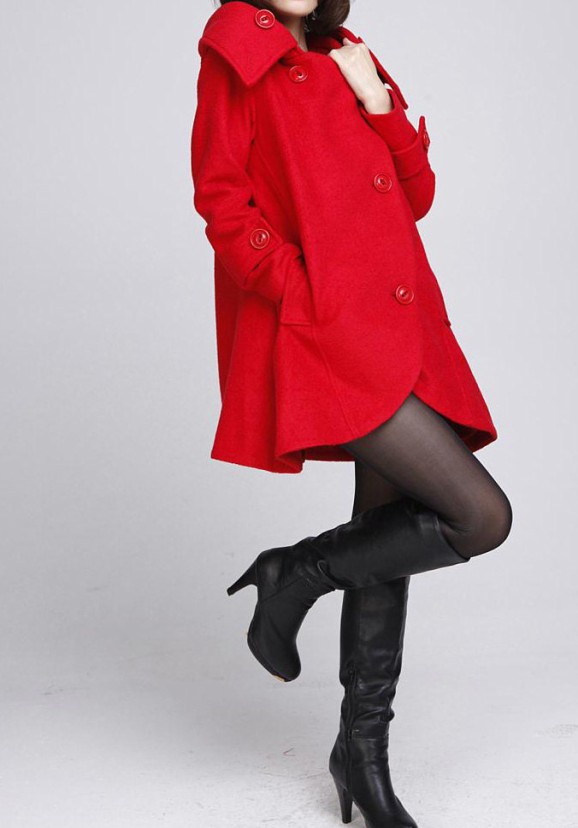
Color that behaves like a neutral
Black, camel, navy, charcoal, and deep brown do the most wardrobe work across winters. Camel brightens cold-weather skin tones and pairs with denim as easily as with black. Navy is often more forgiving than black in daylight and looks less severe in photographs. Gray bridges casual and formal. Burgundy, forest, and soft blush can still feel chic if the cut is classic and the accessories stay calm — one colored coat is usually enough for a small closet.
Patterned coats — subtle checks, herringbone, soft plaids — act like texture from a distance. They reward simple under-layers: a turtleneck, dark trousers, clean boots. Loud pattern plus loud scarf plus statement bag usually collapses into noise. If you love pattern, let the coat be the only busy surface.
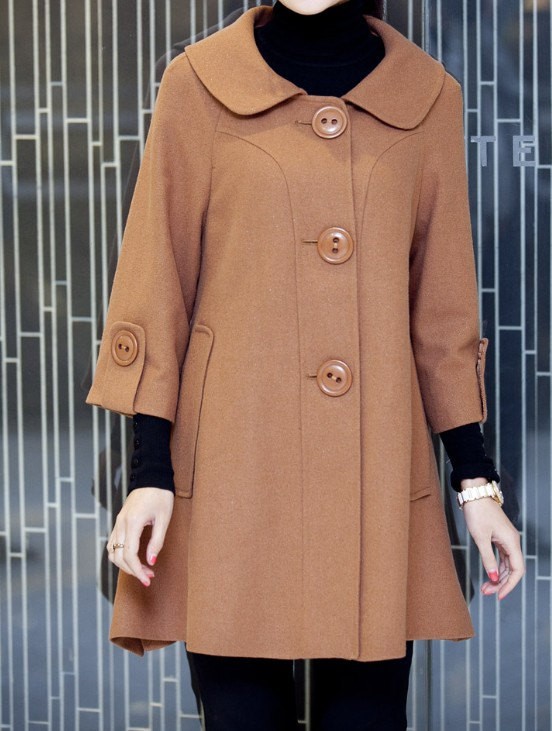
How to wear a coat so it looks intentional
Think in volumes. A voluminous coat wants a closer dress or slim pant underneath. A fitted coat can handle a soft knit dress or a light layer of bulk. Hemlines should relate: a coat that ends awkwardly mid-thigh over a longer dress can chop the body; either match lengths closely or create a clear step between coat hem and dress hem.
Footwear anchors the silhouette. Ankle boots sharpen cropped coats. Knee boots under longer coats keep the line continuous. Heeled pumps can elevate a wool coat for evening if the coat itself is polished enough. Scarves should either disappear into the collar story or become a deliberate color block — not an afterthought knot fighting the lapel. Gloves in a related neutral finish the hand the way a hat finishes the head; mismatched novelty gloves can undercut an otherwise sharp coat.
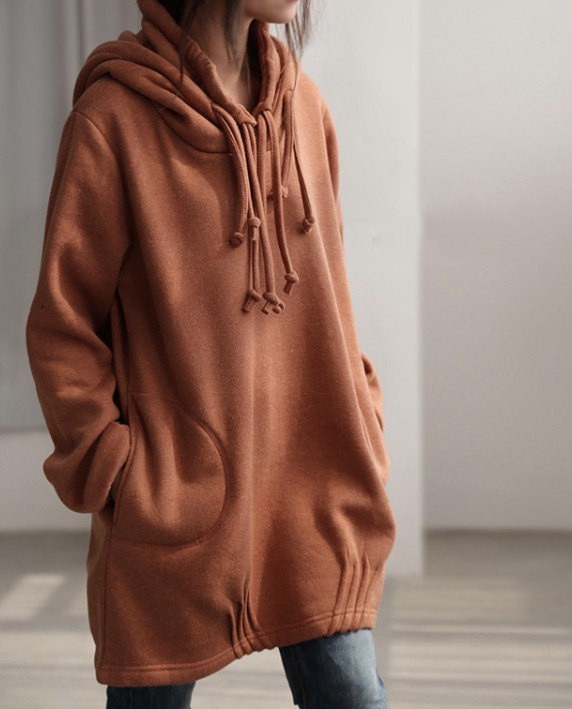
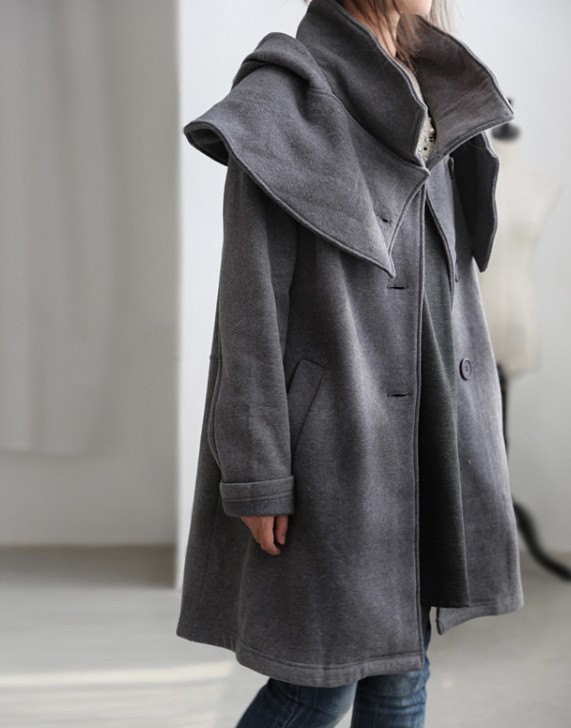
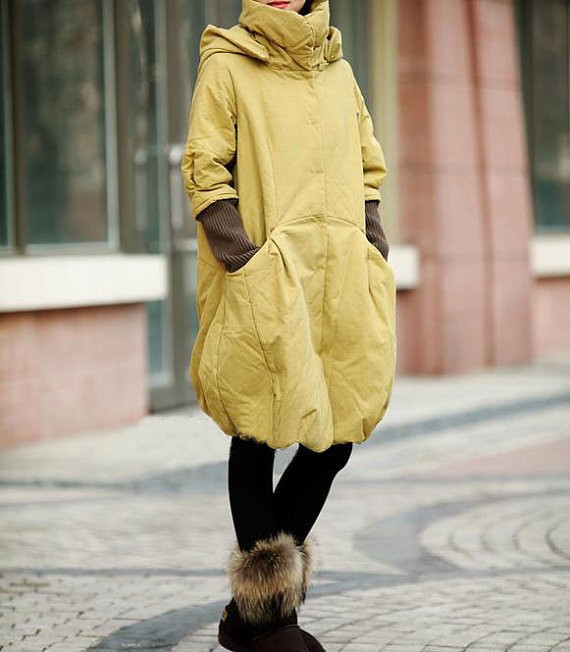
- Office formula: navy wool coat, gray trousers, white shirt, leather loafers or low boots.
- Weekend formula: camel wrap coat, straight jeans, knit turtleneck, white sneakers or ankle boots.
- Evening formula: long black column coat, simple dress, minimal jewelry, heeled boots.
- Travel formula: soft belted coat with deep pockets, dark denim, scarf that doubles as a plane layer.
Fit checks before you commit
Button or belt the coat over the thickest sweater you actually wear in winter. Raise your arms. Sit down. Check that shoulder seams sit at the shoulder, not halfway down the arm unless the style is deliberately dropped. Sleeves should reveal a hint of shirt cuff if you like that tailored finish, or fully cover the wrist if you prefer a cleaner modern line.
Look at the back in a mirror. Drag lines across the shoulders or a collar that stands away from the neck usually mean the wrong size or cut. A beautiful fabric cannot fix a broken collar. Walk up a few steps if you can; some long coats look cinematic standing still and dangerous on stairs.
Care extends the investment. Hang coats on shaped hangers so shoulders keep their architecture. Brush wool after wet days. Air the garment before stuffing it into a crowded closet. Spot-clean promptly; full cleaning too often can strip life from good fabric, but neglect leaves winter stains permanent.
If you are building a small coat wardrobe rather than collecting every mood board, prioritize one dark tailored coat and one lighter neutral — camel or soft gray — in complementary lengths. Those two covers will do more chic work across winters than five almost-identical black jackets. Choose the shape that makes your other clothes look decided the moment you put it on; that decision is what “chic” actually means in cold weather.

Comments
Continue reading
Women’s Hats, 1913–1915
A historical look at women’s millinery from 1913 to 1915—when Edwardian picture hats narrowed toward wartime angles—told through a gallery of period portraits.
15 Unique Shoe Designs That Treat Footwear Like Sculpture
Fifteen experimental shoes—from origami heels and slingshot wood to keyboard-key boots and continuous-band mules—where concept outruns convention.
Stunning Female Celebrity Photos: A Craft Gallery
A period-aware gallery essay on staged celebrity portraiture—light schools, wardrobe quotation, and designed intimacy from the supermodel era into the early 2000s.