
Best Pictures of the Year 2012: An AFP Roundup
A 2012 photojournalism gallery—Sandy’s taxis, Jamphel Yeshi, Enterprise over NYC, and other AFP year-end frames kept in their historical year.
At the end of 2012, wire services and picture desks published their annual culls—galleries meant to hold a year still long enough to look at it. Agence France-Presse’s “Pictures of the Year” selections were among the most circulated online: conflict and weather, sport and spectacle, human-interest frames that cut through the scroll. What follows is a slice of that 2012 photojournalism moment—the events and dates the shutters actually caught that year.
Editors building those lists faced an unusually dense calendar. London hosted the Olympics; the United States voted in a presidential rematch; Syria’s war deepened; Gaza flared in November; Atlantic coasts counted losses after Hurricane Sandy; Pacific storms and European freezes filled separate weather desks. AFP photographers filed thousands of frames a day across politics, conflict, sport, and feature work. A year-end gallery could never be complete. It could only be honest about tension: which single images still carried the weight of weeks of coverage?
Water, fleets, and the home under siege
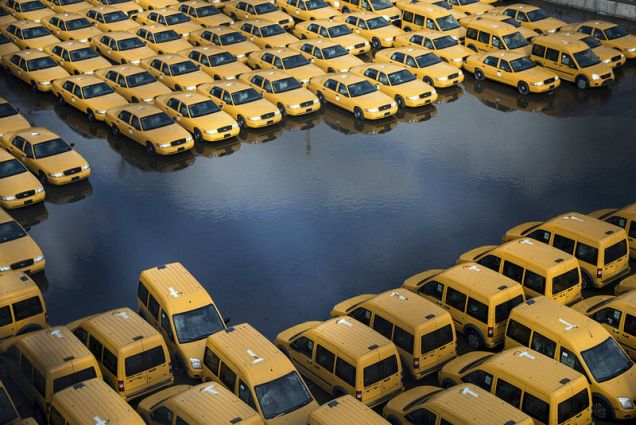
Hurricane Sandy’s October surge left one of the year’s most instantly legible images: rows of yellow New York–area taxis and vans standing in a flooded Hoboken depot, water pooling into a dark mirror between the ranks. From above, the fleet looks almost orderly; the flood makes the order absurd. Infrastructure, color, and climate met in a single frame that needed little caption to travel. It became a shorthand for how quickly a dense metro region could be rearranged by water.
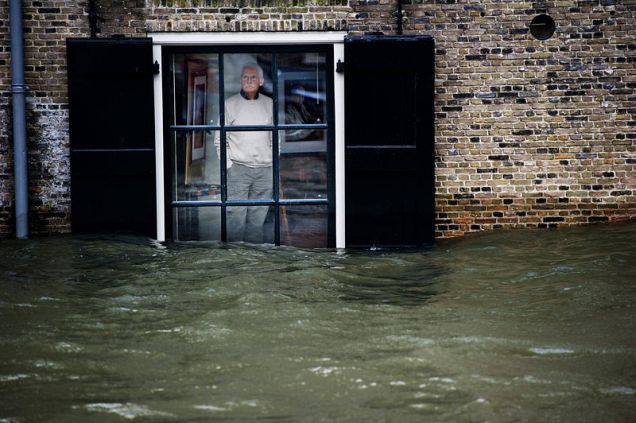
Flood water at a window sill turns a brick house into an island. An older man stands behind the panes, shutters open, looking sideways while murky water claims the exterior wall. Domestic stillness inside disaster—whether from Sandy’s reach or another 2012 inundation—gave editors a human-scale counterpoint to aerial fleet shots. Where the taxi lot is systemic, the window portrait is personal: someone deciding whether to leave, watch, or wait.
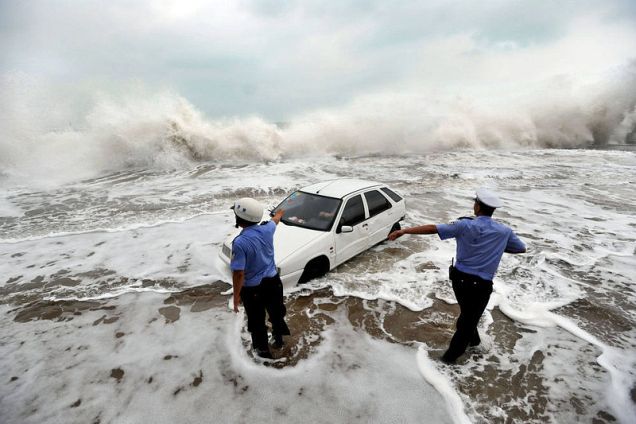
Storm surge elsewhere: police or responders in light uniforms standing knee-deep beside a white hatchback as a wall of foam and wave explodes behind them—widely associated with Typhoon Haikui’s assault on coastal China in August 2012. The car is already lost to the water; the men are still negotiating the edge. Action photography of weather peaked that year from Atlantic to Pacific, and year-end lists rarely chose only one ocean.
Protest, camps, and the cost of looking
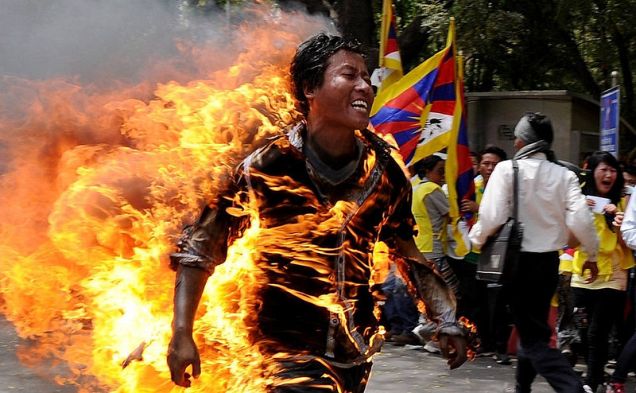
March 2012 brought one of the year’s most searing protest images: Tibetan exile Jamphel Yeshi engulfed in flames during a demonstration in New Delhi timed against a Chinese leadership visit. Smoke, Tibetan flags, and bystanders freeze around a body in motion. Editors who ran it knew they were publishing pain as politics; the photograph entered multiple year-end shortlists because it refused to be glanced past. It remains difficult to view without asking what a news photograph owes the person inside it.
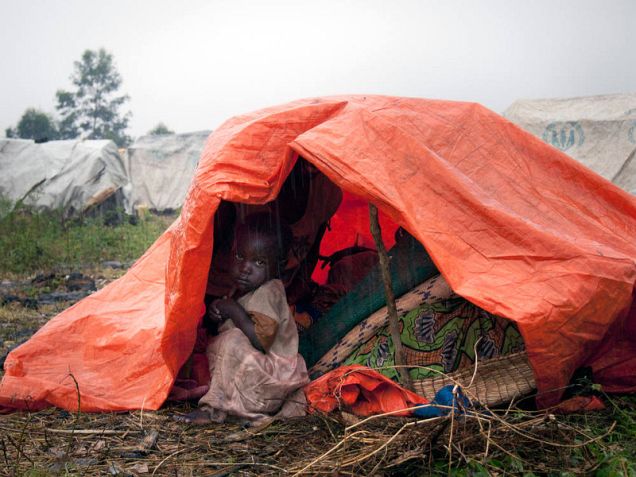
Displacement remained a constant subject for agency photographers throughout 2012. A child under a bright orange tarp in a camp landscape—UNHCR markings visible on neighboring shelters—compresses policy debate into a single seated figure. Soft overcast light and makeshift materials do the editorial work: vulnerability without needing a speech. Beside the fire of protest, the quiet of a shelter can be just as accusing.
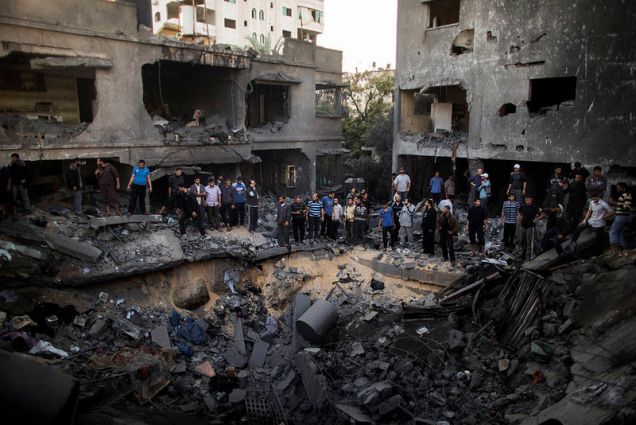
November’s Gaza conflict returned cratered courtyards and blown facades to front pages. Residents standing at a pit’s rim, dust-muted buildings opened like broken cabinets—the aftermath grammar of urban war. AFP and peer agencies filed relentlessly; year-end editors had to choose which single hole in the ground could stand for weeks of coverage. The people at the rim are not posed; they are measuring loss with their eyes.
Labor, ice, and desert scale
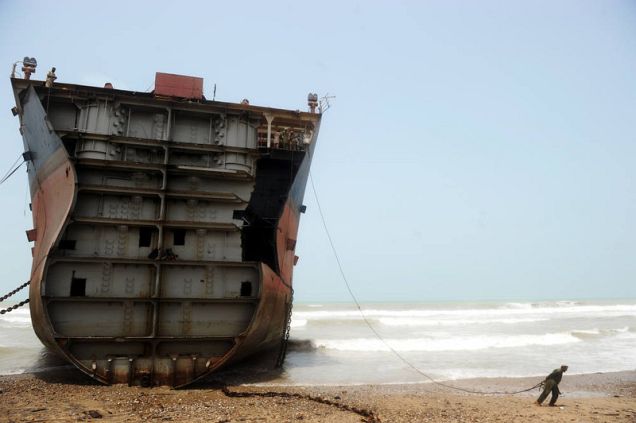
Labor and industry returned in quieter epics: a ship-breaking beach where a single worker leans into a cable beneath a gutted hull. Rust bands, hanging chains, and human scale against steel make an old story feel newly photographed. Year-end galleries used frames like this to widen “news” beyond capitals and campaigns—to the beaches where vessels die and people earn wages that rarely make headlines until a camera arrives.
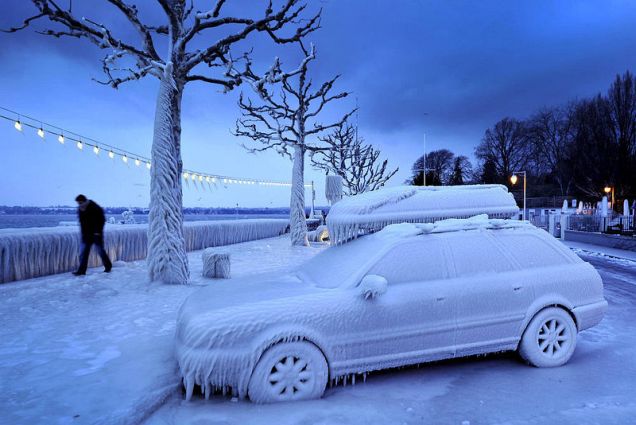
Europe’s deep freeze produced sculpture from spray. Along Lake Geneva at Versoix, Switzerland, in February 2012, wind-driven ice sheathed cars, trees, and railings until a waterfront promenade looked fictional. A lone walker and a string of warm lights cut the blue monochrome. Nature’s abstract here needed no conflict caption—only the date—and it traveled widely because it looked like a movie still made by weather.
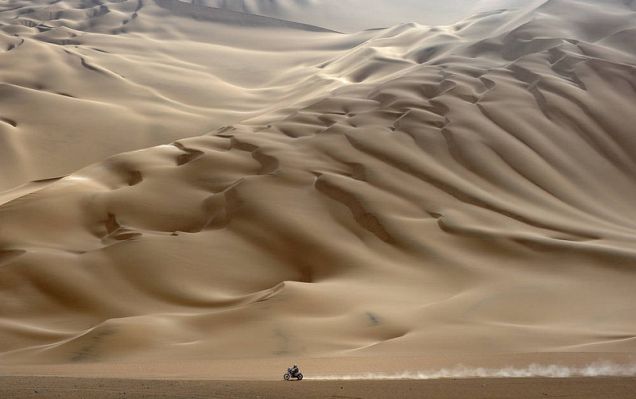
Desert endurance photography—motorcyclist as speck beneath wind-carved dunes—echoed the Dakar and long-haul rally tradition that agencies filed beside hard news. Side light turns sand into abstract ridges; the rider’s dust trail is the only proof of motion. In a year of cities underwater, empty dunes offered a different sublime: risk chosen rather than endured.
Spectacle, wonder, and a shuttle over Manhattan
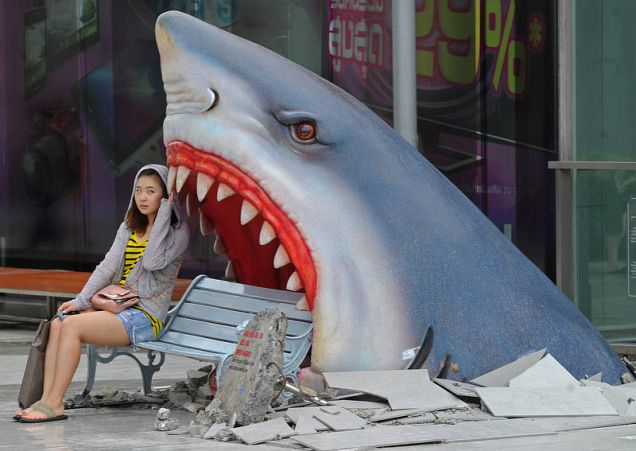
Not every 2012 standout was catastrophe. Street-level surrealism had its own viral currency: a sculpted great white seeming to bite through pavement into a park bench while a passerby sits a few feet away, unimpressed. Public art and deadpan reaction photos shared the year’s feeds with harder news—a reminder that “best of” lists always mixed wit with weight, and that agency photographers also chase the odd frame that makes a city pause.
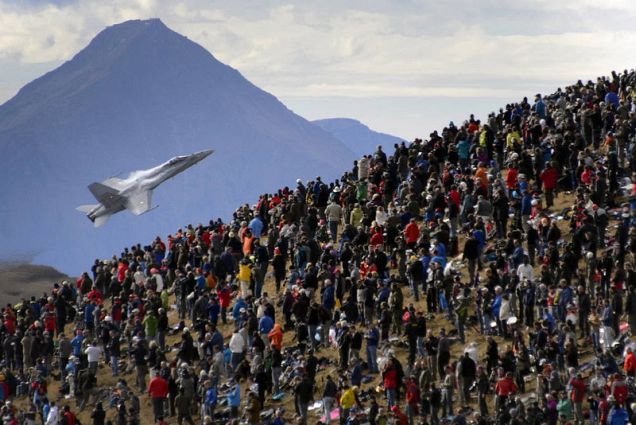
Spectacle had other registers. A fighter jet banking past a hillside packed with spectators—Alpine air-show energy against a peaked mountain—shows how 2012 picture desks still prized scale and timing in peacetime crowds. The tiny figures on the slope measure the machine; the mountain measures both. Loud engines, quiet composition.
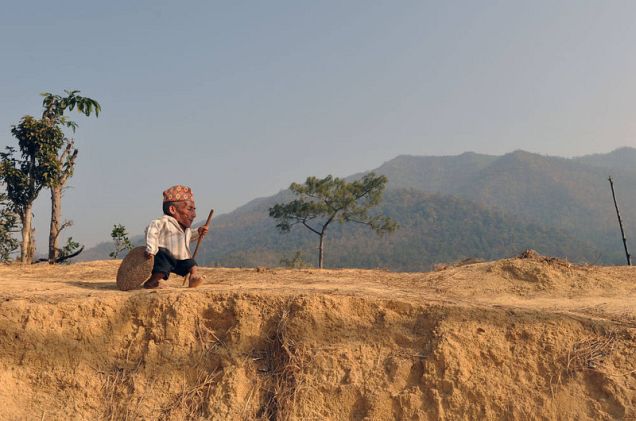
Human-interest headlines had a precise 2012 emblem in Chandra Bahadur Dangi of Nepal, recognized that year by Guinness World Records as the shortest adult man on record. Photographed walking a dirt path in traditional attire against mountain haze, he became a global wire subject far from conflict zones—proof that year-end reels always reserved space for wonder, and that a single figure in landscape can still stop a scroll.
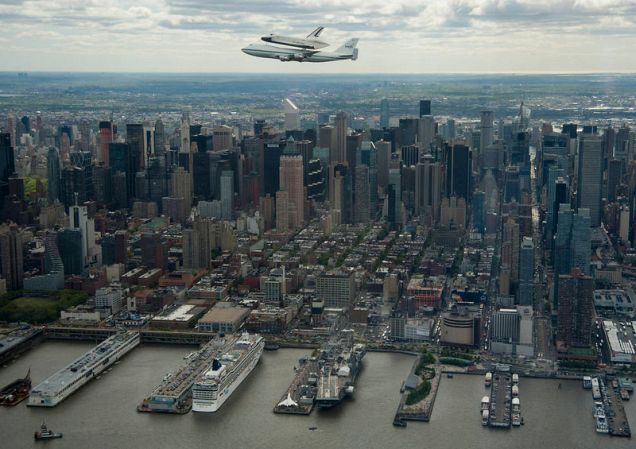
And then a farewell that felt like science fiction over a real city: Space Shuttle Enterprise riding NASA’s 747 carrier over Manhattan on April 27, 2012, on its way to the Intrepid Sea, Air & Space Museum. Cruise ships, piers, and the Hudson sit below; the piggyback pair cross a skyline that had waited for a shuttle silhouette. Among AFP’s broader 2012 mix—Olympics triumphs, election-night portraits, Adele’s Grammy night, Syrian and other war coverage—this flyover was pure civic spectacle, a soft landing for a hard year of pictures.
What year-end photo galleries do, at their best, is refuse a single mood. 2012 held Sandy’s yellow taxis and Geneva’s ice cars, a burning protest and a shuttle on a jumbo jet, a child under orange plastic and a jet past an Alpine crowd. Looking back from any later calendar does not update the frames; it only tests which ones still stop the eye. Which of these 2012 pictures do you still remember without scrolling back up?

Comments
Continue reading
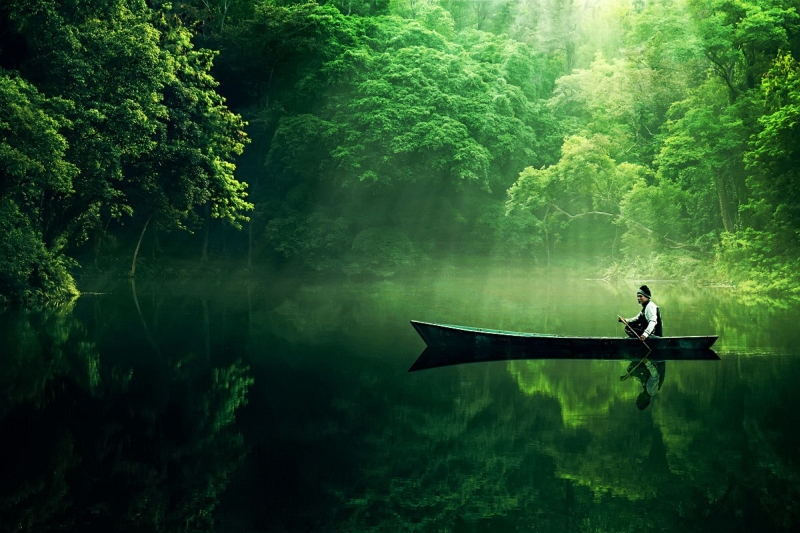
Dramatic Photo Art by Sukron Ma’mun (Ipoenk Graphic)
Cirebon, Indonesia photographer Sukron Ma’mun uses theatrical natural light to frame village life, play, and place in lyrical photo art.

Bird’s-Eye Views: Florian Beaudenon’s Instant Life
Paris photographer Florian Beaudenon’s Instant Life series captures people in their rooms from above—intimate, collaborative overhead portraits of everyday joy.
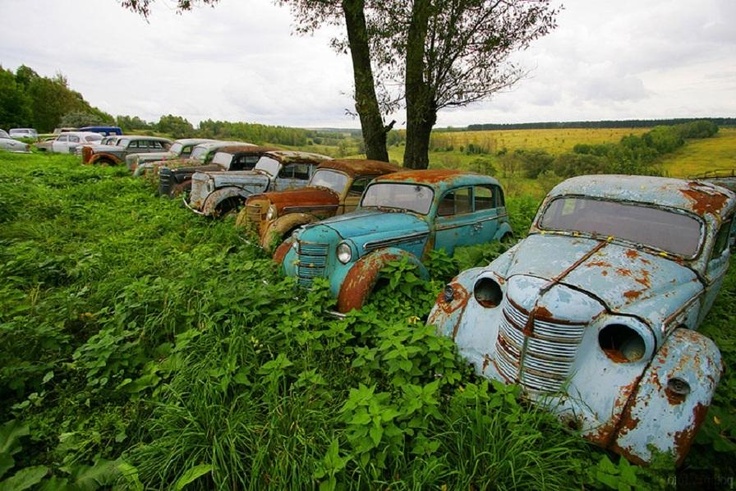
Abandoned Cars Reclaimed by Nature: Rust, Growth, and Quiet Ruin
When neglected vehicles are left outdoors long enough, rust, moss, and trees rewrite them into strange still lifes—sad, photogenic, and slowly returning to the ground.