
Sony World Photography Awards 2013: Shortlists, Winners, and Gallery
A historical look at the 2013 Sony World Photography Awards—record entries, February shortlists, Somerset House, Andrea Gjestvang’s L’Iris d’Or, and the season’s images.
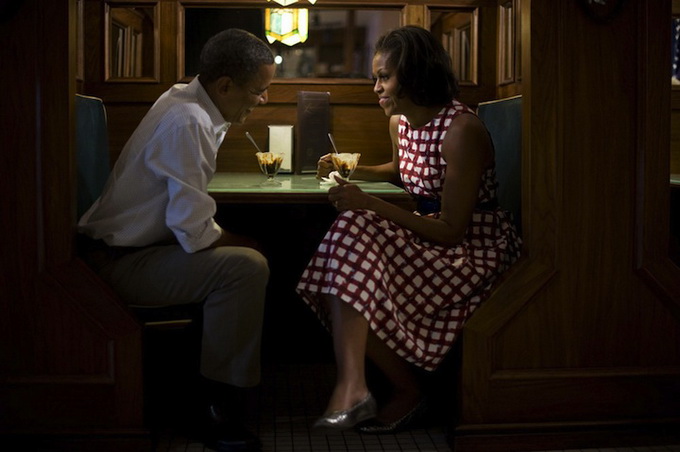
In early 2013, the World Photography Organisation released the shortlists for the Sony World Photography Awards—an annual survey of contemporary photography that had just drawn more than 122,000 submissions from 170 countries, then a record for the competition. The Professional, Open, and Youth competitions together sketched a year of conflict, campaign politics, quiet documentary work, landscape study, and experimental still life. This page looks back at that 2013 cycle as history: how the February shortlists were framed, what the London exhibition promised, which category winners defined the April ceremony, and how the accompanying gallery still circulates pictures from that awards season.
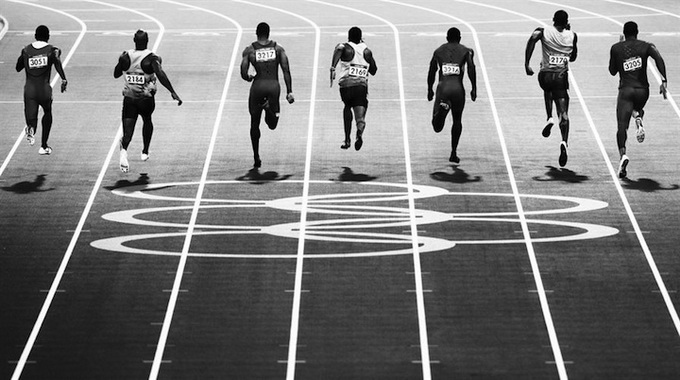
A shortlist as a map of 2012 seen in 2013
When the shortlists landed in February 2013, organizers described them as a cross-section of recent visual life: haunting frames from the Syrian conflict, coverage around the Obama presidential campaign, intimate studies such as cinema-goers in Kabul, and lighter work from wildlife and street observation. The Honorary Jury for the Professional competition was chaired by Catherine Chermayeff, then Director of Special Projects at Magnum Photos. Her public comments from that judging week emphasized how overwhelming the volume felt at first—and how, by the end of three intensive days, jurors found surprising strength across categories after argument, comparison, and the slow work of building consensus shortlists.
Familiar names returned alongside newer ones. Photographers such as Javier Arcenillas (Spain), Robin Hammond (New Zealand), and Paolo Pellegrin (Italy) appeared again in the awards conversation, while figures including Ed Kashi (USA) and Andrea Gjestvang (Norway) were highlighted among the talents drawing fresh attention. Astrid Merget, Creative Director of the World Photography Organisation at the time, framed the shortlist as evidence of the Organisation’s core brief: locating strong international contemporary photography and putting it in front of a global audience rather than treating awards season as a closed professional club.
That framing mattered because 2013 arrived in a media environment already accelerating image circulation online. A shortlist from the World Photography Organisation still functioned as an editorial filter: not the only filter, but one with institutional weight, exhibition real estate, and a ceremony that could move a series from specialist conversation into broader press galleries.
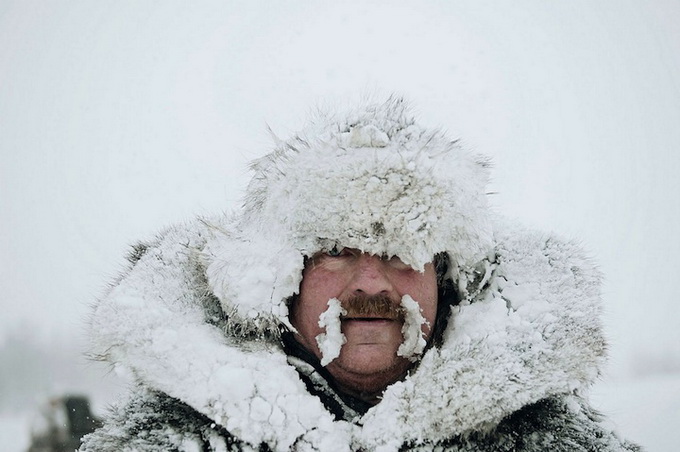
London, Somerset House, and the public chapter
Shortlisting was never only an online honor. The 2013 Sony World Photography Awards Exhibition at Somerset House in London, scheduled from 26 April to 12 May, was designed to put shortlisted work into physical rooms where viewers could slow down. For many visitors, that exhibition was the first chance to see Professional series presented as coherent bodies of work rather than as single viral frames detached from sequence and caption.
The awards ceremony itself, held in London on 25 April 2013, closed the competitive arc that the February shortlists had opened. Category winners in the Professional competition arrived from a broad geographic spread—France, Italy, Sweden, Ukraine, Russia, Denmark, Croatia, Japan, Norway, Australia, Peru, Israel, and more—each collecting recognition in fields that ranged from Architecture and Landscape to Current Affairs, Fashion, Sport, and Still Life. Winners typically received Sony imaging equipment alongside the category title, a reminder that the awards also operated as a branded partnership with a camera company while remaining administratively rooted in the World Photography Organisation’s selection process.

Andrea Gjestvang and L’Iris d’Or
The defining headline of the 2013 Professional competition was the selection of Norwegian photographer Andrea Gjestvang as L’Iris d’Or / Photographer of the Year. Then thirty-two, Gjestvang received the title and a $25,000 prize after the jury unanimously backed her series One Day in History: portraits of young people who survived the July 2011 massacre on Utøya, outside Oslo. She also took first place in the Professional People category. Jury chair Catherine Chermayeff described the work as quiet, thoughtful, and powerful—an assessment that matched how the series was discussed in contemporary coverage: less about spectacle than about dignity and lasting presence.
Gjestvang’s win sat inside a broader Professional field that rewarded very different photographic temperaments in the same season. Fabrice Fouillet (France) won Architecture; Myriam Meloni (Italy) Arts and Culture; Christian Åslund (Sweden) Campaign; Roman Pyatkovka (Ukraine) Conceptual; Valerio Bispuri (Italy) Contemporary Issues; Ilya Pitalev (Russia) Current Affairs; Klaus Thymann (Denmark) Fashion; Nenad Saljic (Croatia) Landscape; Alice Caputo (Italy) Lifestyle; Satoru Kondo (Japan) Nature & Wildlife; Jens Juul (Denmark) Portraiture; Adam Pretty (Australia) Sport; Vanessa Colareta (Peru) Still Life; and Gali Tibbon (Israel) Travel. Read as a list, those names are a roster. Read as a program, they show how the 2013 awards tried to hold documentary urgency and formal experimentation in the same institutional frame.
Second- and third-place mentions in several categories—among them names such as Paolo Pellegrin in Current Affairs conversations that year—reinforced that the Professional competition was judged as a field of bodies of work, not only as a single podium photograph.
Open competition and the wider field
The Open competition remained the populist counterweight: single images and accessible categories that still demanded craft. Among the 2013 Open winners were photographers such as Gilbert Yu (Hong Kong) in Arts & Culture, Manny Fajutag (Philippines) in Travel, Martina Biccheri (Italy) in Architecture, Nguyen Hoang Hiep (Vietnam) in Open Enhanced, and Yeow Kwang Yeo (Singapore) in Panoramic. Those results mattered for the awards’ public identity. They showed that the Sony World Photography Awards, even in a record-entry year, were not only a professional leaderboard.
Youth categories, likewise, kept a pipeline visible. In an awards culture that can fetishize the already famous, a structured youth strand is a reminder that institutions also shape what younger photographers learn to aim for—series thinking, editing discipline, and the difference between a striking single frame and a coherent project. The 2013 edition’s scale made that educational role harder and more necessary at once: more submissions meant more noise, and clearer shortlists meant more responsibility for what counted as exemplary.
Looking at the 2013 gallery now
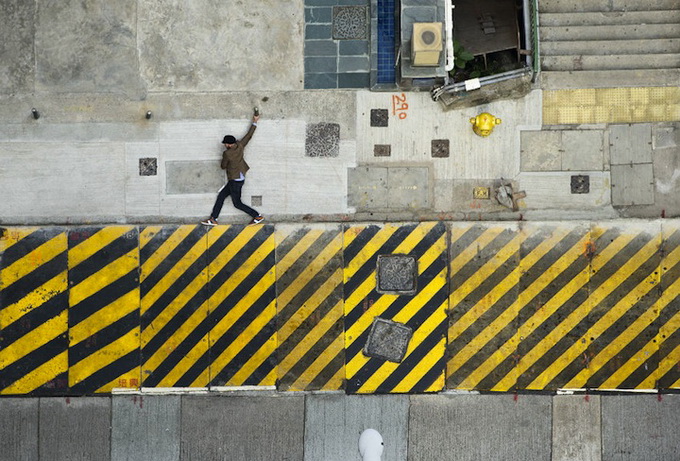
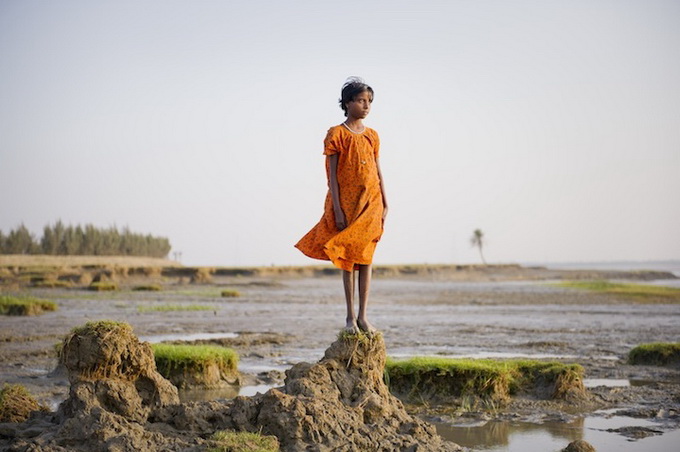
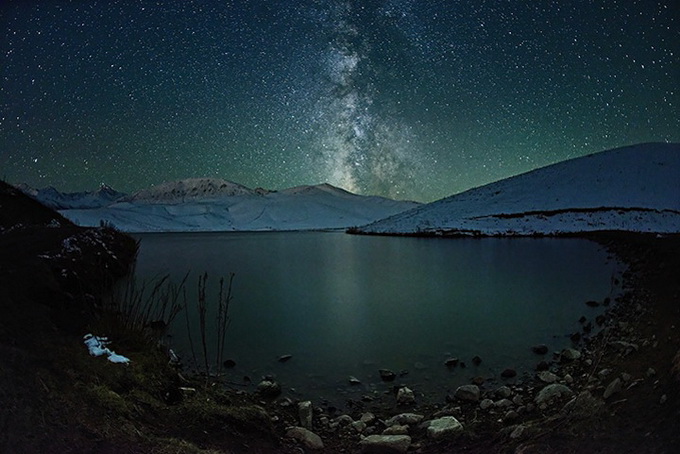
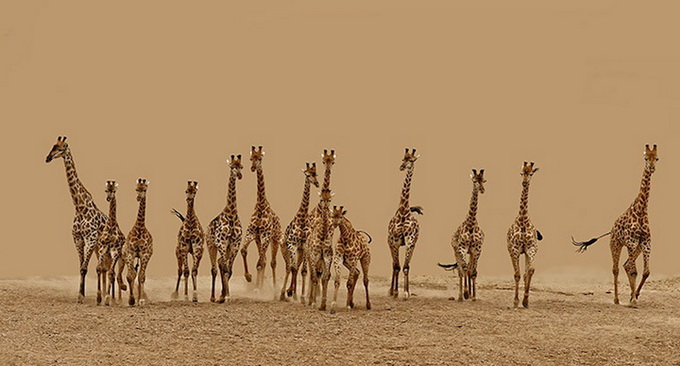
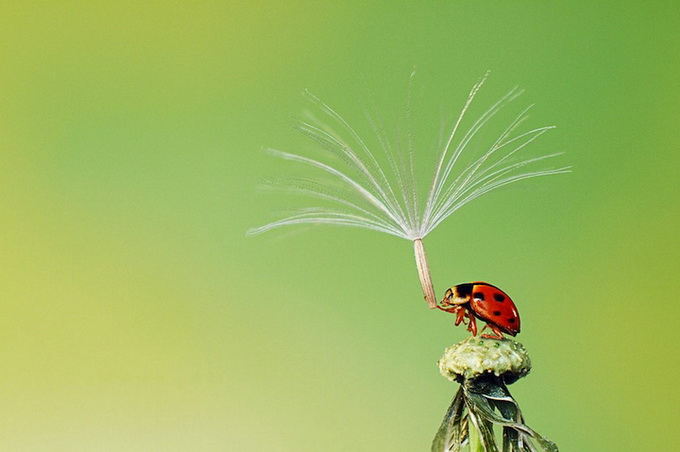
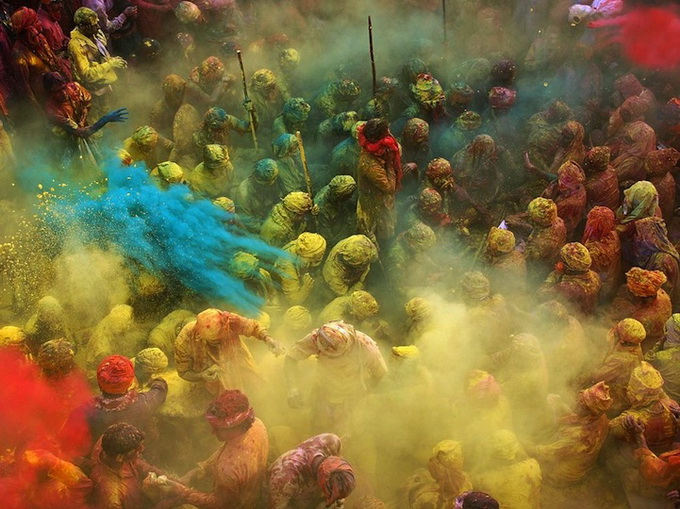
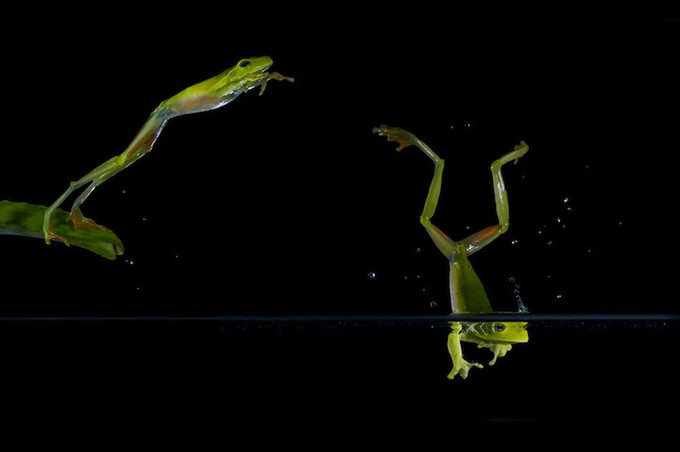
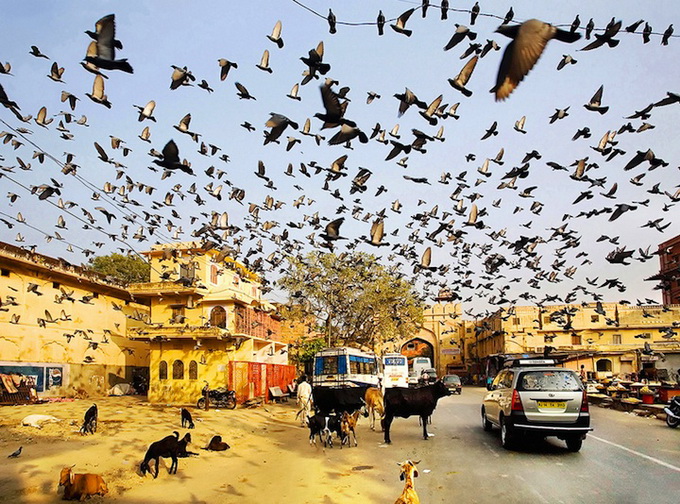
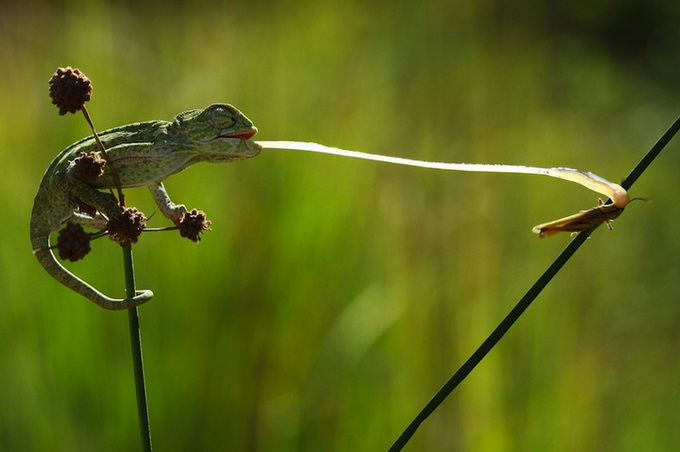
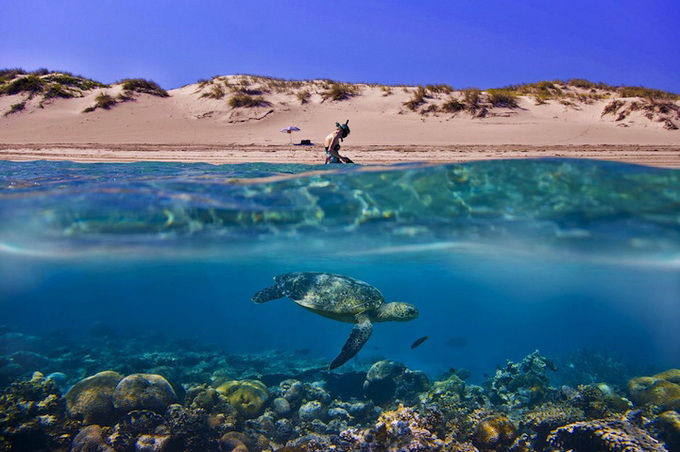
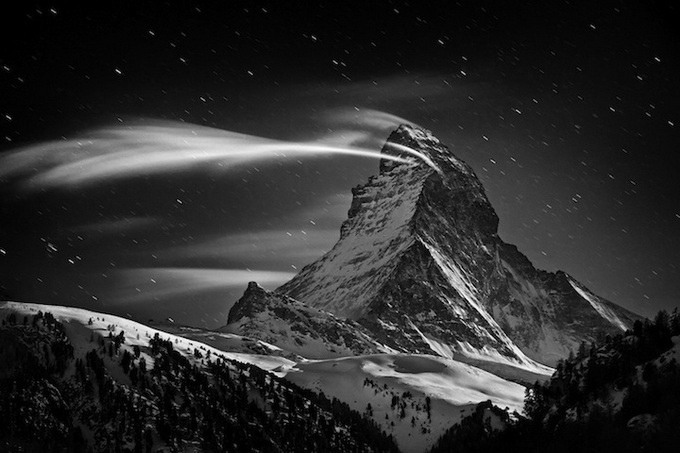
The images gathered with this page come from the visual conversation that surrounded the 2013 awards cycle—work that traveled through press galleries and roundups when the shortlists and winners were news. Viewing them years later, the mix still feels characteristic of that moment: reportage urgency beside formal play, portrait stillness beside environmental complexity, and the occasional landscape or conceptual construction that refuses easy captioning. One frame long associated with this cluster carries the informal label “The Yellow River,” a reminder that even inside a branded awards year, individual pictures keep their own geographies and titles.
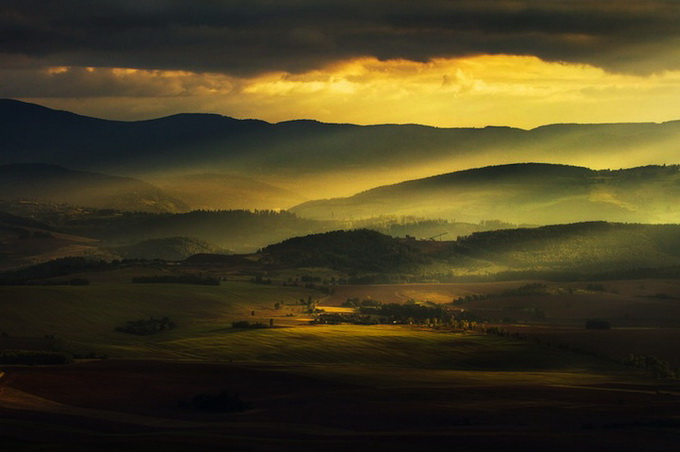
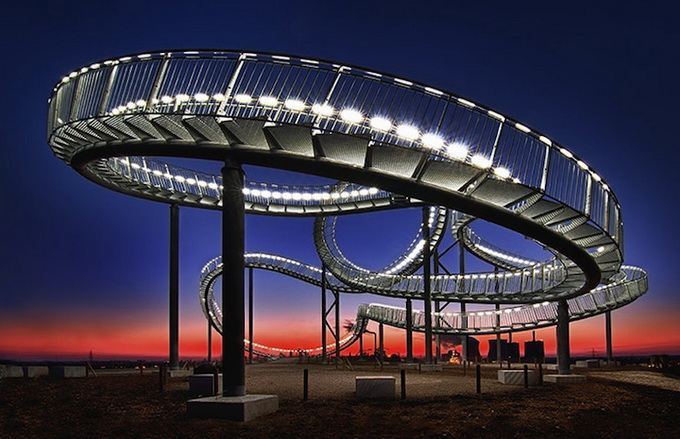
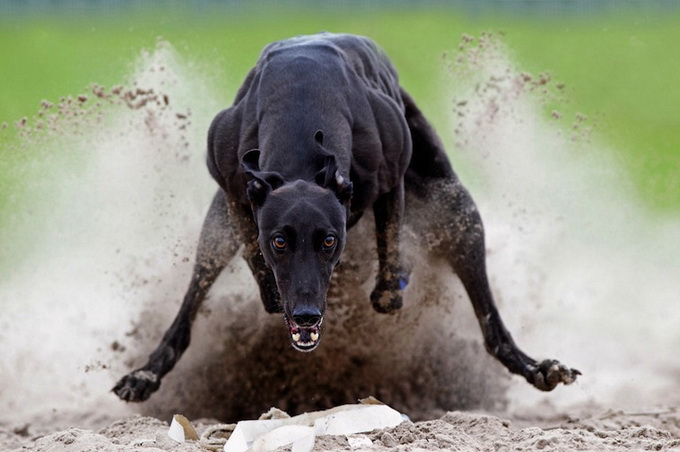
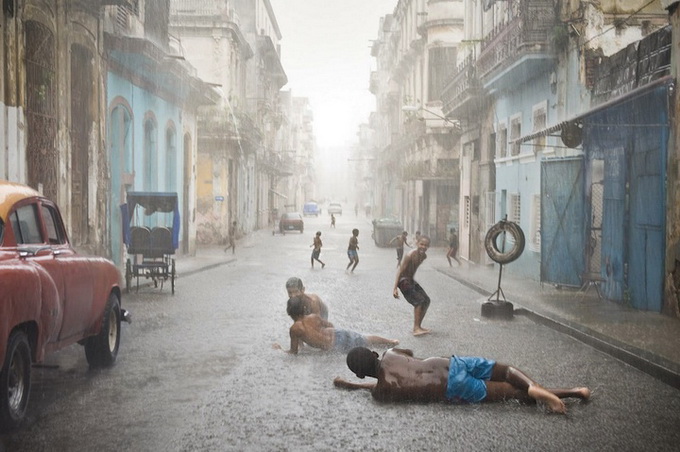
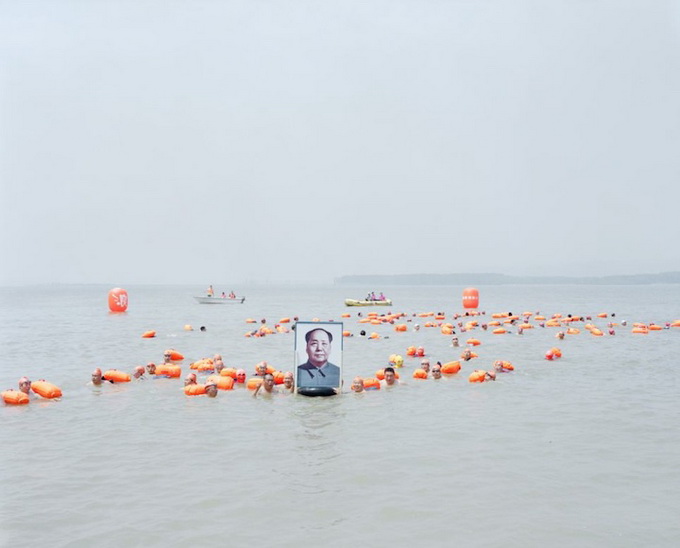
Historically, the 2013 Sony World Photography Awards sit at a clear point on the timeline: record entry numbers, a Magnum-linked professional jury chair, a Somerset House exhibition window in late April and early May, and a Photographer of the Year decision that favored patient portraiture over louder news aesthetics. The shortlists announced that February remain a useful archive of what the World Photography Organisation chose to amplify from a crowded global inbox—and the gallery here is one way those selections still circulate as pictures, not only as prize names on a ledger.

Comments
Continue reading
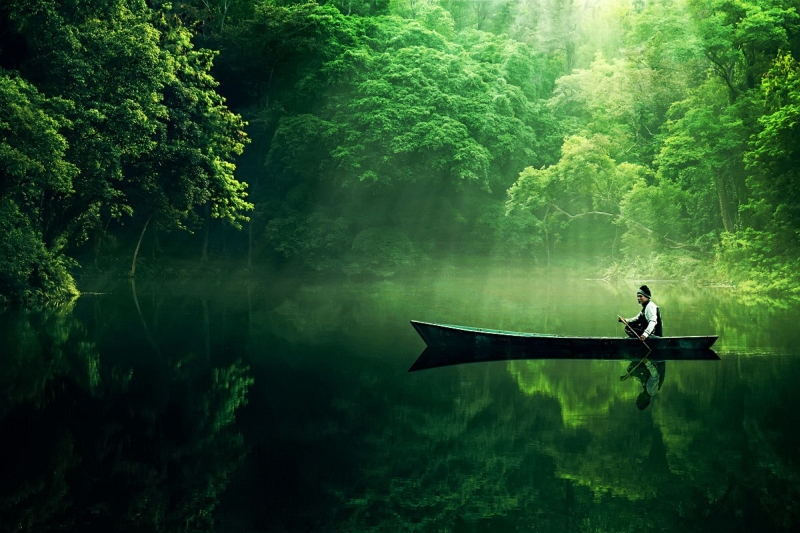
Dramatic Photo Art by Sukron Ma’mun (Ipoenk Graphic)
Cirebon, Indonesia photographer Sukron Ma’mun uses theatrical natural light to frame village life, play, and place in lyrical photo art.

Bird’s-Eye Views: Florian Beaudenon’s Instant Life
Paris photographer Florian Beaudenon’s Instant Life series captures people in their rooms from above—intimate, collaborative overhead portraits of everyday joy.
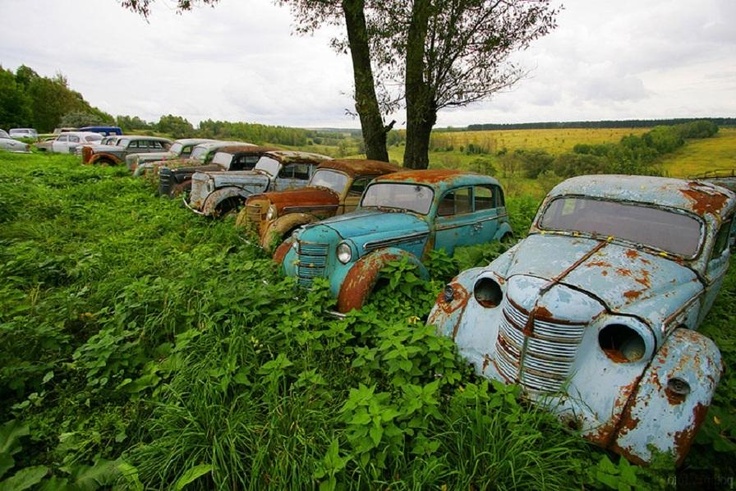
Abandoned Cars Reclaimed by Nature: Rust, Growth, and Quiet Ruin
When neglected vehicles are left outdoors long enough, rust, moss, and trees rewrite them into strange still lifes—sad, photogenic, and slowly returning to the ground.