
Cool Cat Tattoo Ideas: Styles, Placements, and Designs That Age Well
A practical guide to cat tattoo styles—from fine line and blackwork to portraits—plus placement tips, aging advice, and how to prep for the consult.
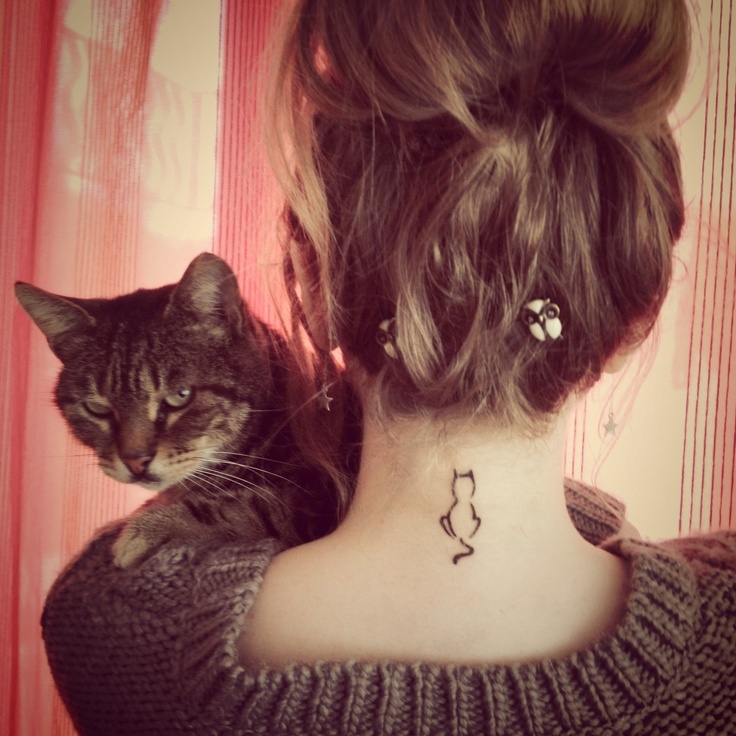
Cat tattoos sit in a sweet spot between cute and serious body art. A small outline behind the ear can read as private humor; a full-color portrait on the forearm can feel like a memorial. People choose cats because the animal carries personality—independence, mischief, quiet loyalty—without needing a long caption inked underneath. If you are browsing for ideas before a consult, treat this guide as a map of styles, placements, and decisions that hold up after the stencil dries.
The goal is not to copy a random flash sheet wholesale. It is to recognize what kind of cat image you want to live with: realistic, cartoon, geometric, traditional, or somewhere between. Cats age well as motifs because the silhouette is instantly readable at almost any size. That readability is what makes them forgiving on smaller canvases and striking on larger ones.
Why cats work so well as tattoos
A cat’s profile—rounded skull, pointed ears, curved spine—translates cleanly into line. Even a few confident strokes can suggest “cat” without filling every whisker. That economy matters when you want something small that still looks intentional from a short distance. Dogs, birds, and florals can do the same job, but cats also carry cultural shorthand: curiosity, night energy, domestic softness, slight chaos. Clients often want one of those feelings more than a photorealistic pet portrait.
Memorial tattoos are common. When someone wants a specific cat, bring clear photos from multiple angles. Artists can still stylize—blackwork silhouette with a collar mark, watercolor wash over a realistic face, or a simplified head that keeps the eyes and ear set that made the animal yours. Specificity lives in proportions and expression more than in every strand of fur.
Playful designs work too. A sleepy loaf, a mid-leap stretch, a paw reaching for yarn, or a tiny devil-angel pair can be light without looking accidental. Humor in tattoos lands best when the drawing quality is strong. A joke executed with shaky linework just looks unfinished.
Styles that suit feline designs
Fine line and single-needle. Delicate outlines, whisker detail, and small faces suit wrists, ribs, ankles, and the back of the arm. Fine line cats look elegant when the artist keeps negative space clean. Ask about touch-up expectations; ultra-fine work can soften faster in high-friction zones.
Traditional and neo-traditional. Bold black outlines, limited palettes, and decorative framing (roses, daggers, moons) give a cat the same punch as a classic swallow or panther. Neo-traditional versions push richer color and more dimensional shading while keeping the strong contour that ages gracefully.
Blackwork and silhouette. Solid black cats, geometric fillers, and ornamental patterns inside a cat shape read sharply for decades if the saturation is solid. Silhouettes are excellent when you want symbolism without a face that must match a pet exactly.
Realism and portraiture. Fur texture, eye color, and catchlights need room and a specialist. Realism below a certain size collapses into mud. If you want a portrait, plan placement with enough flat skin and budget for an artist whose healed portfolio shows animal work, not only human faces.
Watercolor and illustrative. Soft washes behind a crisp line drawing can feel painterly. The risk is faded pigment leaving a ghost of color around a still-dark outline. Choose artists who seal edges thoughtfully and who show healed examples, not only fresh photos.
Geometric and abstract. Triangles, circles, and constellation-like dots arranged into a cat form suit people who want modern minimalism. These designs photograph cleanly and pair well with other geometric pieces later.
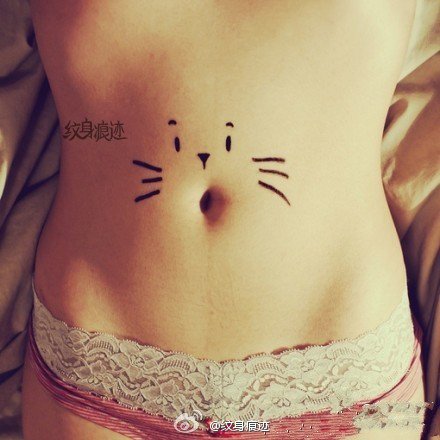
Placement ideas that match scale
Forearm and outer arm. Easy to show or cover with sleeves; good for medium portraits and traditional pieces. Vertical compositions follow the arm’s length nicely—sitting cat, stretched spine, stacked moon-and-cat motifs.
Inner biceps and upper arm. Slightly more private; works for bolder color or larger blackwork. Muscle movement can warp very rigid geometric grids, so leave a little design flexibility.
Shoulder and collarbone. Strong for silhouettes and small faces that peek from tank tops. Curved bones need a stencil that respects anatomy; ask the artist to freehand adjustments on the day.
Ribs and side torso. Dramatic for larger illustrative cats, but the session hurts more and healing needs careful clothing choices. Not ideal for a first tattoo unless you already know your pain tolerance.
Ankle, foot, and behind the ear. Tiny outline cats thrive here. Expect more frequent touch-ups on feet and ankles because of shoes and friction. Behind-the-ear pieces should stay simple; hair products and shaving habits affect healing.
Hand and finger. High-visibility, higher fade risk. Only commit if you accept maintenance and workplace visibility. A tiny paw print or outline head is more realistic than dense fur realism on a finger.
Think about how the tattoo will sit when you move. A cat that looks balanced with the arm hanging may tilt oddly when you type or drive. Good artists check posture before they commit the stencil.
Design choices that age better
Contrast beats clutter. Dense fur rendered in mid-greys without strong black structure can blur into a soft blob over years. Even in soft styles, keep a readable silhouette. Eyes should be large enough to stay eyes after natural ink spread. Whiskers should be sparse and intentional; a forest of hairlines disappears.
Color is optional. Black-and-grey cats often look more timeless, while orange, calico, and tuxedo markings can be personal. If you use color, pick pigments your artist trusts for longevity and avoid packing every hue into a tiny face.
Lettering under a cat—names, dates, short phrases—should be planned as part of the composition, not glued on afterward. Script that is too thin will blur. Block letters with breathing room last longer.
Matching tattoos for friends or partners can share a motif (two cats facing each other, sun and moon cats) without requiring identical copies. Identical twinsies look charming at first and awkward when one piece heals differently or one person adds to their sleeve later.
Preparing for the appointment
Collect references that show style, not only subject. One photo of your cat plus three tattoo examples in the style you want helps more than twenty random Pinterest saves. Note what you dislike as clearly as what you love—“no heavy traditional outlines,” “no watercolor splash,” “keep it under eight centimeters.”
Sleep, eat, and hydrate before the session. Avoid alcohol. Wear clothes that expose the area without constant tugging. For ribs or hips, bring a snack and plan a slower day afterward.
Ask practical questions: how the artist will handle white highlights, whether a second session is likely for portraits, and what aftercare products they recommend. Clear aftercare—gentle washing, thin ointment or fragrance-free lotion as directed, no soaking, sun protection once healed—matters more than any lucky charm.
Budget honestly. Cheap cat tattoos often fail in the same places: muddy eyes, broken lines, and proportions that look like a different animal. Paying for a specialist in illustrative or animal work is usually cheaper than a cover-up later.
Motif variations worth considering
- Single-line continuous cat that never lifts the “pen”
- Cat and moon pairing for a night-sky mood
- Cat skeleton or x-ray style for darker aesthetics
- Japanese-inspired maneki-neko with restrained detail
- Abstract face reduced to eyes and ears only
- Cat emerging from flowers, smoke, or geometric frames
- Tiny matching paw prints as connectors in a larger sleeve
- Black cat with a single colored accent (collar, eyes, yarn)
Any of these can be scaled from charm-size to centerpiece. What matters is coherence with the rest of your skin: if your other tattoos are bold traditional, a hyper-delicate single-needle cat may fight the collection unless you plan the contrast on purpose.
Aftercare and long-term care
Follow the studio’s written instructions over generic internet advice when they conflict. Keep the piece clean, avoid picking scabs, and stay out of pools and baths until the skin reseals. Once healed, sunscreen is the real longevity product—UV fades color and softens black faster than almost anything else.
If a line opens or an area looks under-saturated after healing, schedule a touch-up with the same artist when they recommend it. Do not panic in week one when the tattoo looks cloudy under peeling skin; judge it after it settles.
Years later, a cat tattoo should still read as a cat across a room. If you are choosing between a clever micro-detail and a stronger silhouette, favor the silhouette. Cleverness that only shows under a phone macro rarely survives time, laundry friction, and summer sun.
Bring your shortlist of styles and placements to the consult, point to what feels like you, and let the artist adapt it to your body. The best cool cat tattoo is the one that still looks intentional when the trend cycle has moved on—and when the only audience left is you, catching it in a mirror on an ordinary morning.

Comments
Continue reading
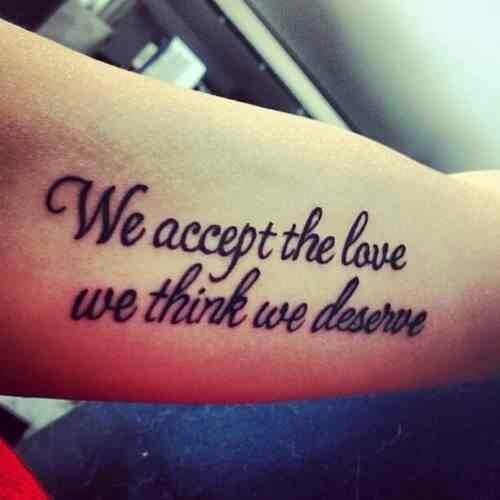
Meaningful Love Quotes for Inspiration (and Ink)
Meaningful love quotes that still feel true — short lines for tattoos, gifts, and everyday reminders, with placement and wording tips.
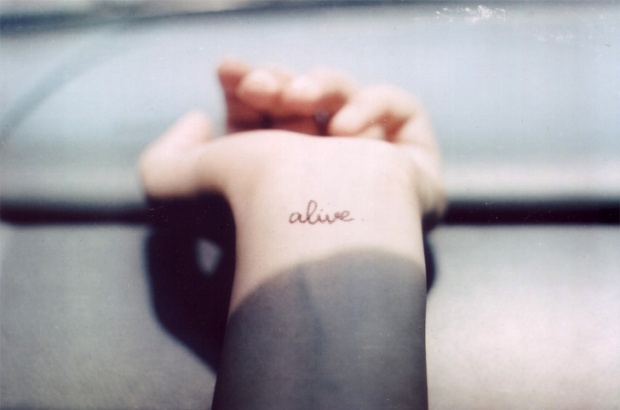
40 One-Word Tattoo Ideas: Placement, Type, and Meaning
A gallery of single-word tattoos—love, faith, strength, wanderlust, and more—with guidance on typography, body placement, and choosing a word that still fits years later.
16 Taurus Tattoo Ideas: Bulls, Glyphs, and Venus-Inspired Ink
Sixteen Taurus tattoo directions—from minimal glyphs and constellation maps to floral bulls and bold blackwork—plus placement and artist tips for lasting earth-sign ink.