
Kate Parker’s Children Photography of Ella and Alice
Kate Parker photographs daughters Ella and Alice daily—soft light, sisterhood, and a mother’s archive of childhood change before today’s fun turns boring.
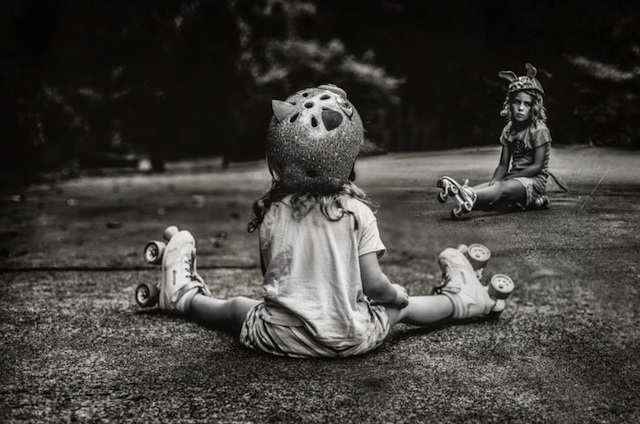
Kate Parker’s children photography grows out of ordinary days with her daughters, Ella and Alice, rather than out of formal studio bookings. By the time family-photography blogs were circulating her work widely around 2014, she had already been photographing the girls daily for years. Teeth vanish and return. A game that feels endless on Tuesday is dismissed as boring by Wednesday. Parker’s own explanation of the work is plain and demanding: she wants to be there with a camera when the change happens.
That daily habit is what makes this gallery different from a generic roundup of cute childhood pictures. Ella, then about eight, and Alice, then about five, are not anonymous weekend models hired for a concept. They are the continuing subjects of a mother who treats small hours as worth finishing into photographs. The sweetness in the frames is genuine; so is the discipline underneath it. Viewers who come for charm usually stay for the quieter evidence of attention.
Photographing change at the speed of childhood
Parker has described childhood’s tempo with unusual accuracy. What is awesome today becomes “booooring, mom” tomorrow. Lost teeth, new teeth, sudden seriousness, sudden silliness—these shifts do not wait for a booked hour with matching outfits. Daily shooting is her practical answer to that speed. It does not promise that every frame will be publishable. It promises that presence will compound. After three years of daily work, the archive becomes a study of temperament as much as a scrapbook of milestones.
Many parents discover too late that they photographed only birthdays, first days of school, and holidays. The in-between years feel strangely blank when the album is opened later. Parker’s method refuses that blankness. The camera is ordinary equipment in the house, which changes how children behave in front of it. Ella and Alice are used to being seen. That comfort shows in the work: less stiff posing for a stranger, more absorption in their own games, more willingness to ignore the lens until a true expression arrives on its own schedule.
Gratitude is part of Parker’s framing of the project. She has said she is thankful for those images—an attitude that keeps daily shooting from tipping into surveillance or performance pressure. The photographs celebrate the girls’ changing selves instead of trapping them inside one marketable “cute phase.” Even without an artist statement, viewers can feel the difference. The pictures look inhabited. They look like they belong to a household that kept looking.
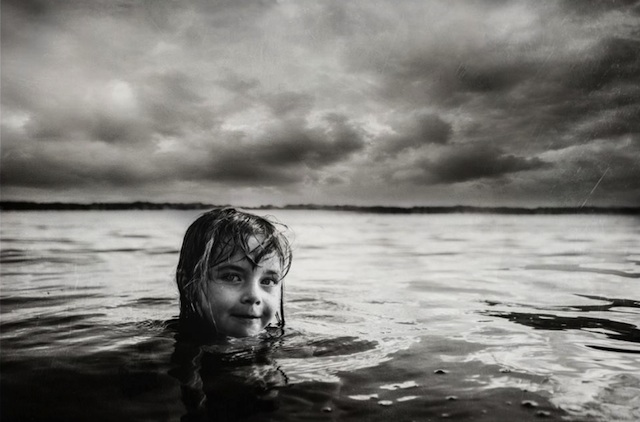

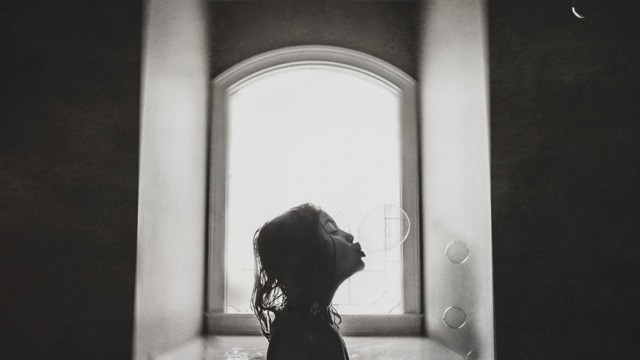
Look closely at how often the girls occupy the frame without performing for it. Hands are busy. Eyes track something off-camera. Bodies lean into play rather than into a photographer’s count of three. That is the visual signature of daily practice. A camera that appears only on special occasions tends to produce special-occasion faces. A camera that appears on ordinary afternoons tends to catch the faces a family actually remembers.
Sisterhood, light, and uncluttered attention
Across the set, Parker favors soft daylight, uncluttered domestic or outdoor edges, and compositions that leave room for gesture. Sisters appear together often enough that relationship itself becomes a theme: proximity, imitation, rivalry dissolving into play, the small negotiations of shared childhood. Solo frames matter too—one child absorbed in a task, a look held a half-second longer than a casual snapshot usually allows. The gallery breathes between those modes instead of forcing every picture into a matching style.
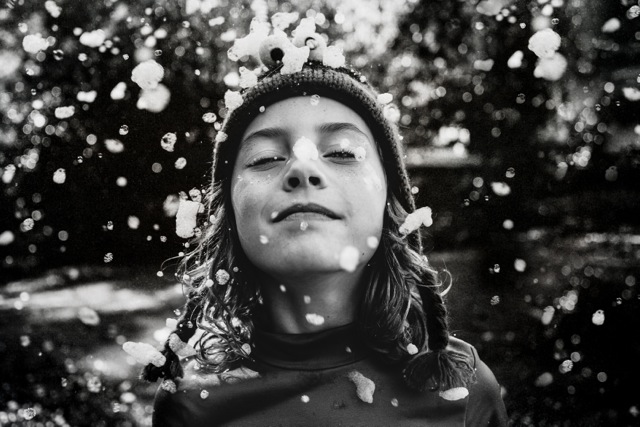
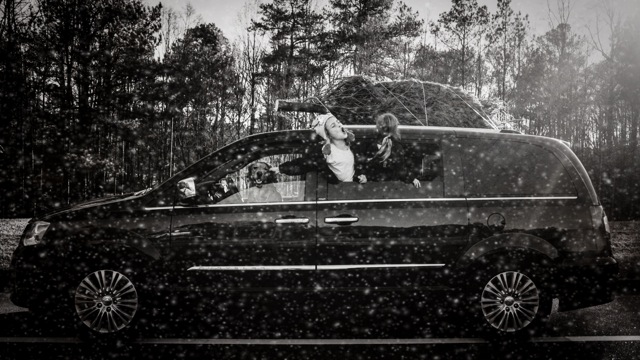
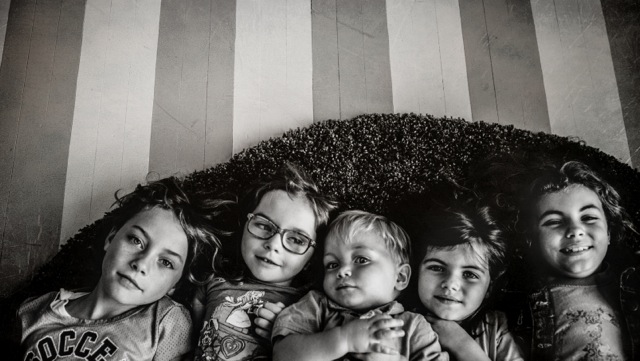

Clothing and props stay secondary. When a dress, toy, or outdoor setting appears, it supports the child rather than competing for attention. That hierarchy is a quiet lesson for anyone photographing their own family. Styling can help a picture, but attention is the scarce resource. Parker spends hers on faces, hands, and the tiny dramas of being five or eight on a particular afternoon. Color stays gentle. Nothing in the presentation screams for viral exaggeration. The pictures ask to be looked at the way family albums are looked at—slowly, with recognition rather than with a double-tap reflex.
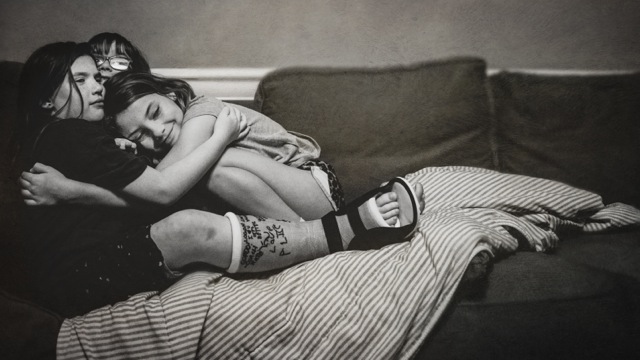

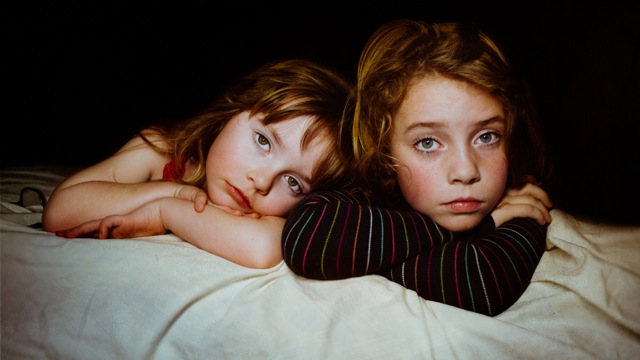
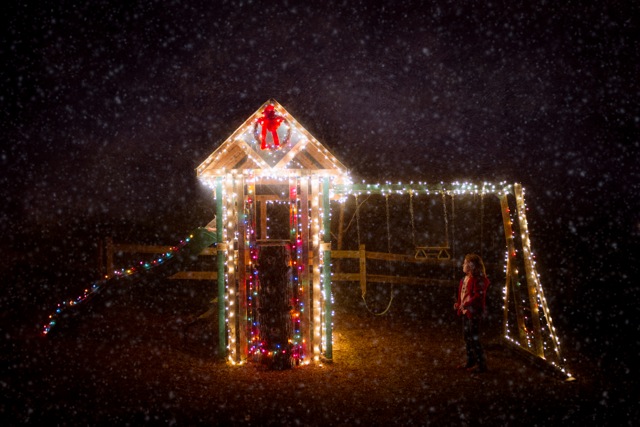
Technically, the stronger frames give children space to move inside the rectangle. Tight headshots appear, but so do wider moments where environment explains mood—a patch of grass, a doorway, a stretch of quiet wall. Natural light does most of the flattering work. Parker does not seem interested in heavy stylization that would date the pictures to a single editing trend. The longevity of the gallery depends on that restraint. Ella and Alice will keep growing; the photographs already treat growth as the subject.
Daily practice is not the same as a family session
It helps to distinguish Kate Parker’s project from the broader category of family photo ideas. A booked family session tries to gather everyone, choose outfits, and produce a set of keepers in one concentrated hour. That kind of shoot has its place—holidays, reunions, the annual record of who stands beside whom. Parker’s children photography is longitudinal instead. Keepers emerge from volume and familiarity. Ella and Alice grow inside the work; the gallery is a strip of time, not a single posed proof of togetherness.
That difference should change what a viewer borrows. Take Parker’s tenderness and her patience with real expression. Do not assume you must match her daily cadence to make meaningful pictures of your own children. Even a weekly habit of photographing kids at play—without forcing smiles on command—moves a household archive toward the same honesty. The camera becomes expected. Expected cameras catch better secrets. Forced cameras catch compliance.
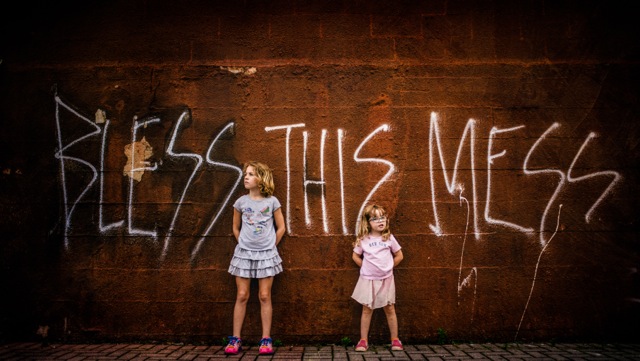
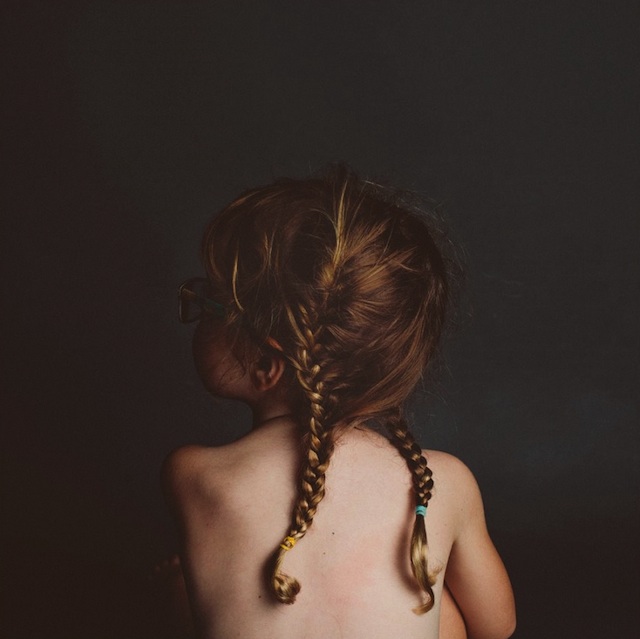
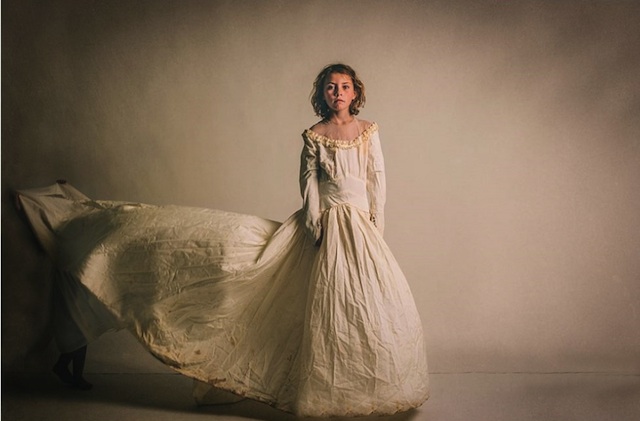
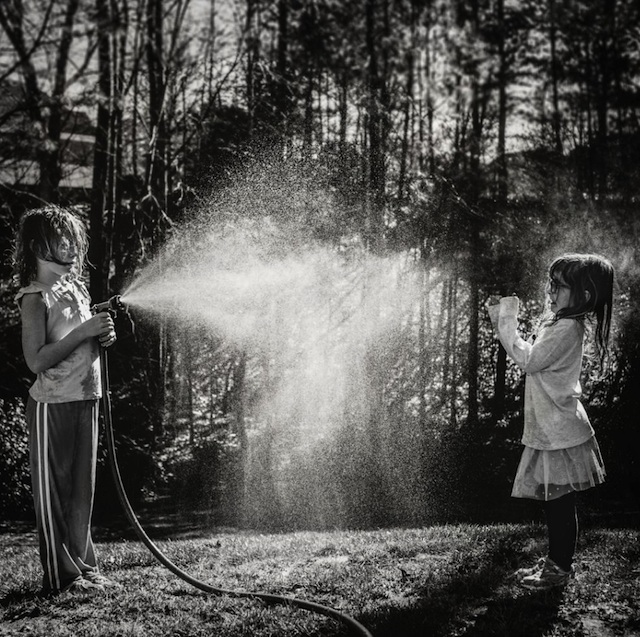
There is also an editorial reason to keep Parker’s name, and Ella’s and Alice’s names, attached to these pictures. Naming refuses the internet habit of turning children into interchangeable aesthetic props. These are specific people at specific ages, photographed by Kate Parker with a mother’s bias toward noticing. That bias is the project’s engine. Without it, daily shooting would become empty repetition. With it, repetition becomes a long study of two growing personalities—and of a photographer willing to meet them every day before the moment goes “booooring.”
If you leave with one portable habit, make it this: photograph the ordinary Tuesday, not only the dressed-up Saturday. Bring the camera out while the game is still fun, while the tooth is still wiggling, while the sisters are still negotiating who goes first. Kate Parker’s pictures of Ella and Alice exist because someone decided those fleeting states were worth a frame before they vanished.

Comments
Continue reading

Dramatic Photo Art by Sukron Ma’mun (Ipoenk Graphic)
Cirebon, Indonesia photographer Sukron Ma’mun uses theatrical natural light to frame village life, play, and place in lyrical photo art.

Bird’s-Eye Views: Florian Beaudenon’s Instant Life
Paris photographer Florian Beaudenon’s Instant Life series captures people in their rooms from above—intimate, collaborative overhead portraits of everyday joy.

Abandoned Cars Reclaimed by Nature: Rust, Growth, and Quiet Ruin
When neglected vehicles are left outdoors long enough, rust, moss, and trees rewrite them into strange still lifes—sad, photogenic, and slowly returning to the ground.