
Japan’s Sakura Season in Pictures: Bloom, Hanami, and Petalfall
Cherry blossom season across Japan—late March into April in many regions—captured in photographs, with notes on hanami etiquette and how to look at sakura with care.
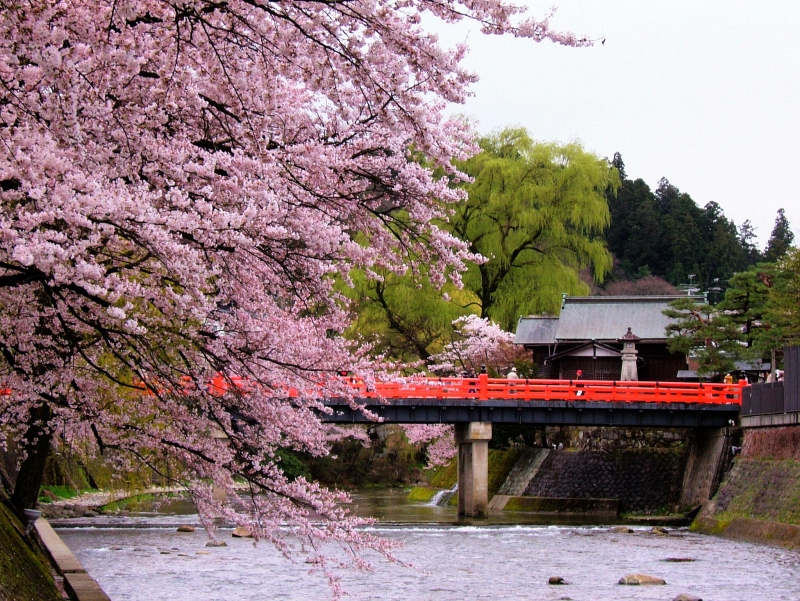
Sakura means cherry blossom—and, by extension, the brief season when Japan’s flowering cherries open, peak, and scatter. From late March into mid-April in many regions (earlier in Kyushu and parts of the south, later as you travel north toward Tohoku and Hokkaido), streets, temple grounds, riverbanks, and castle moats turn pale pink and white. The display is famous worldwide, yet locally it remains a seasonal practice with etiquette, weather anxiety, and a long cultural memory. This page gathers photographs from that season and offers a respectful way to look at them—and, if you travel, to witness bloom without treating Japan as a backdrop for a checklist.
Hanami, the custom of gathering to appreciate blossoms, stretches back centuries in poetry, painting, and public life. People picnic under trees, take family photos, write, and talk. They also track forecasts with unusual intensity, because a warm spell can rush petals off in a few windy days and a cold snap can delay the show. Sakura season is beautiful precisely because it refuses to wait for anyone’s itinerary. That refusal is part of why the images on this page feel urgent even when the photographer worked slowly.
How the season actually unfolds
Cherry blossoms are not a single national fireworks show timed to one weekend. Different cultivars flower on slightly different schedules. Some parks are famous for tunnels of bloom; others offer one magnificent tree that draws a neighborhood each year. City offices and meteorological services publish flowering declarations and full-bloom estimates that residents follow the way other places follow autumn leaf reports. Peak in Tokyo will not match peak in Kyoto, Osaka, or Sapporo on the same calendar date. Travelers who lock flights a year out sometimes meet green leaves or bare branches; flexibility and regional hopping help more than disappointment does.
Popular viewing areas draw crowds for good reason. In Osaka, the Mint Bureau’s blossom path, the banks of the Okawa River, and spacious parks such as Tsurumi Ryokuchi have long welcomed spring visitors. Similar scenes unfold from Ueno Park in Tokyo to Kyoto’s canals and castle towns across the country. Arrive early, keep walkways clear, and remember that residents commute through the same pink streets you came to admire. The season belongs to them first. A photograph that ignores the living city around the trees misses half the story.
Night illuminations add another chapter. Many parks and historic sites light trees after dark, turning petals into soft lanterns against water and stone. Daytime hanami is social and bright; night viewing is quieter and more photographic, though paths can still fill on weekends. Bring a small light for your own footing, not a blinding flash aimed at other people’s faces.
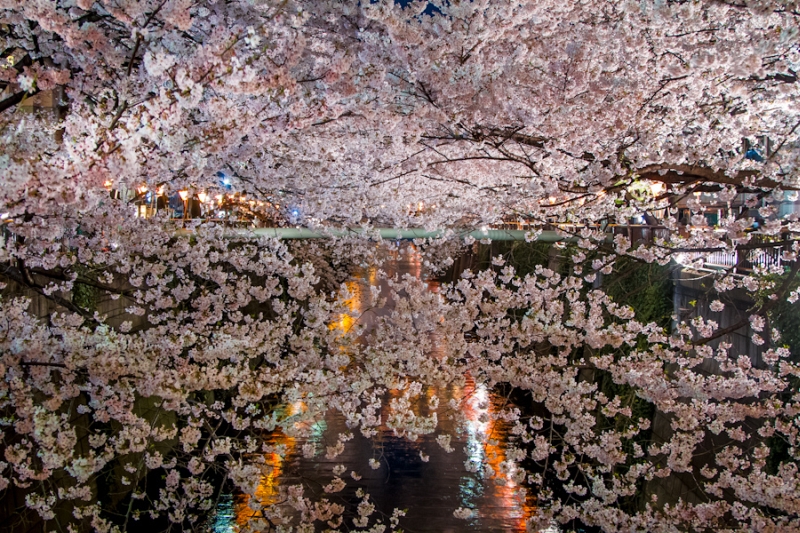 Photo courtesy: Shrouded
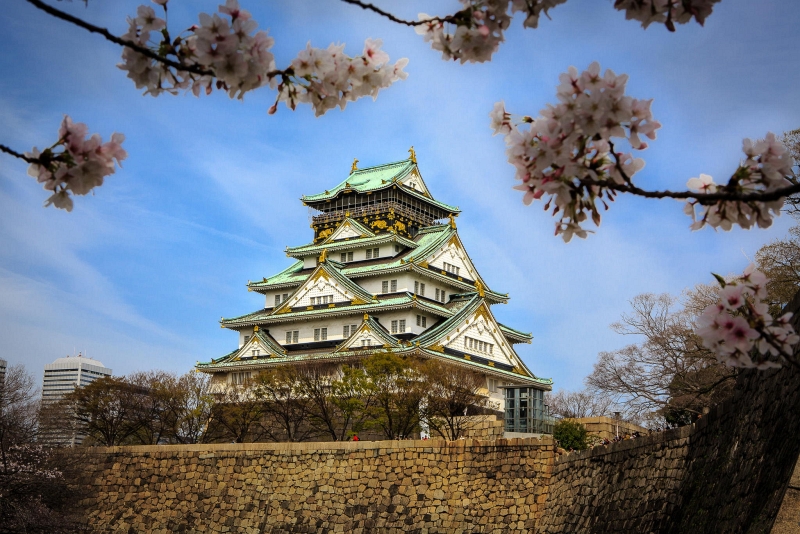 Photo courtesy: Huy Tonthat
What these photographs teach
The frames gathered here—made by photographers drawn to Japan in bloom—show how sakura rewards attention to weather and hour. Soft overcast light keeps petals from blowing out to pure white. Backlight turns translucent blossoms into small lanterns. Side light carves depth into canopies that can otherwise look like a flat pink ceiling. Night illuminations paint trees against dark water and stone, a different mood from daytime picnic sheets.
Composition often pairs permanence with fragility: a temple roof, a bridge railing, a castle wall holding still while petals move. Reflections in rivers double the canopy and forgive imperfect skies. Close crops reveal that “pink” is many tones at once—cream, rose, almost white at the edges. Wide shots show how thoroughly a city can wear spring, with power lines and apartment blocks included. That honesty matters. Sakura is not only wilderness beauty; it is urban weather.
When you look at a strong sakura photograph, ask three quiet questions: Where is the wind? Where is the light coming from? What human scale—path, bench, bicycle—keeps the tree from becoming pure abstraction? Those answers separate a postcard from a place. The credits under several images name photographers who treated that place as more than a color swatch.
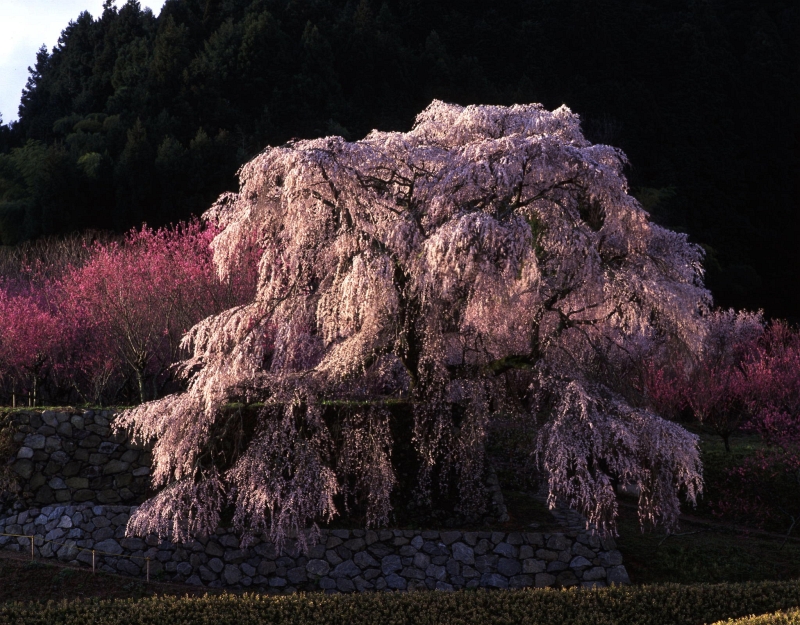
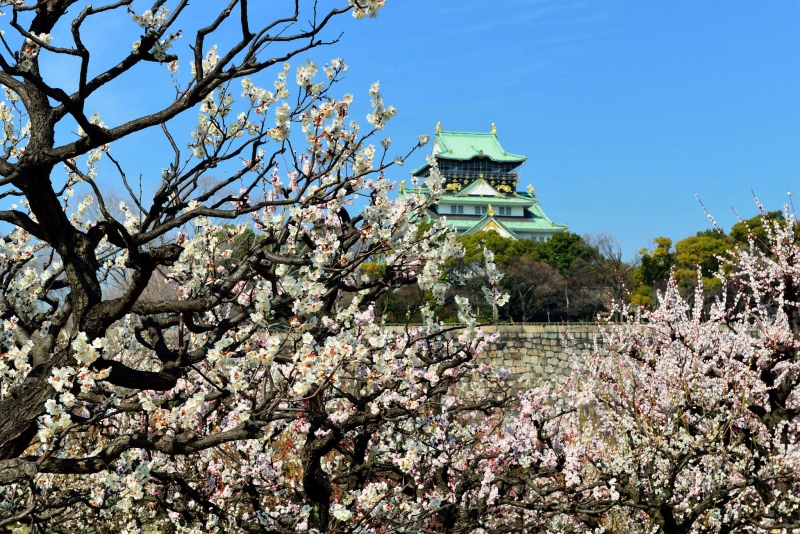
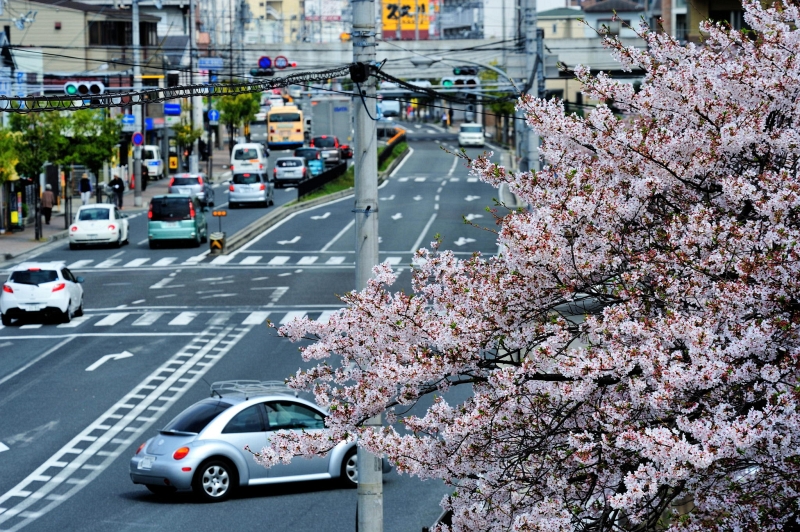
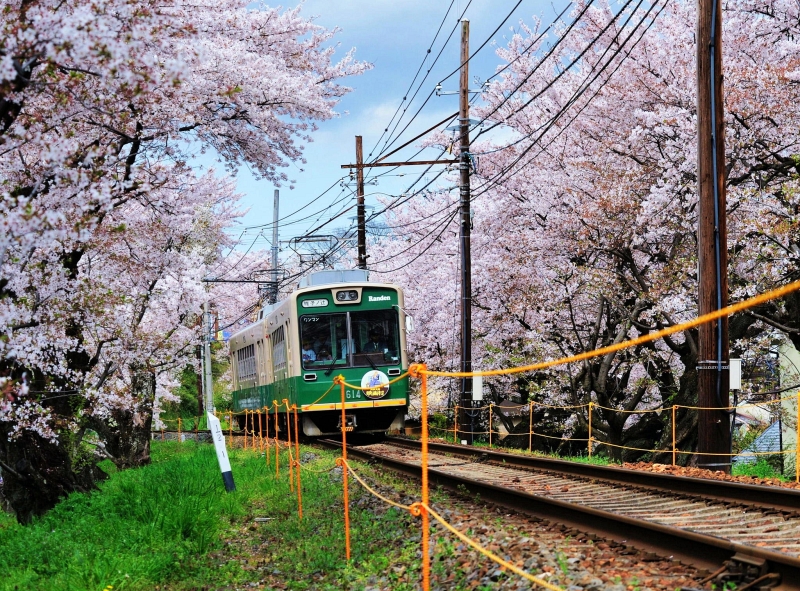
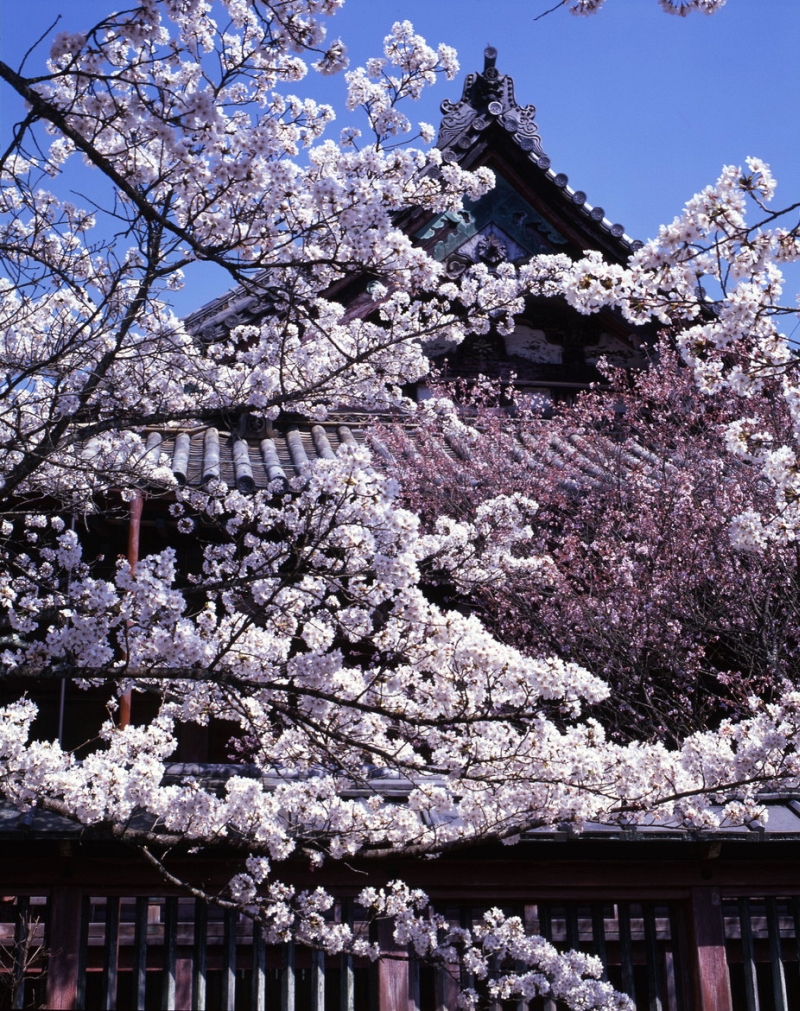
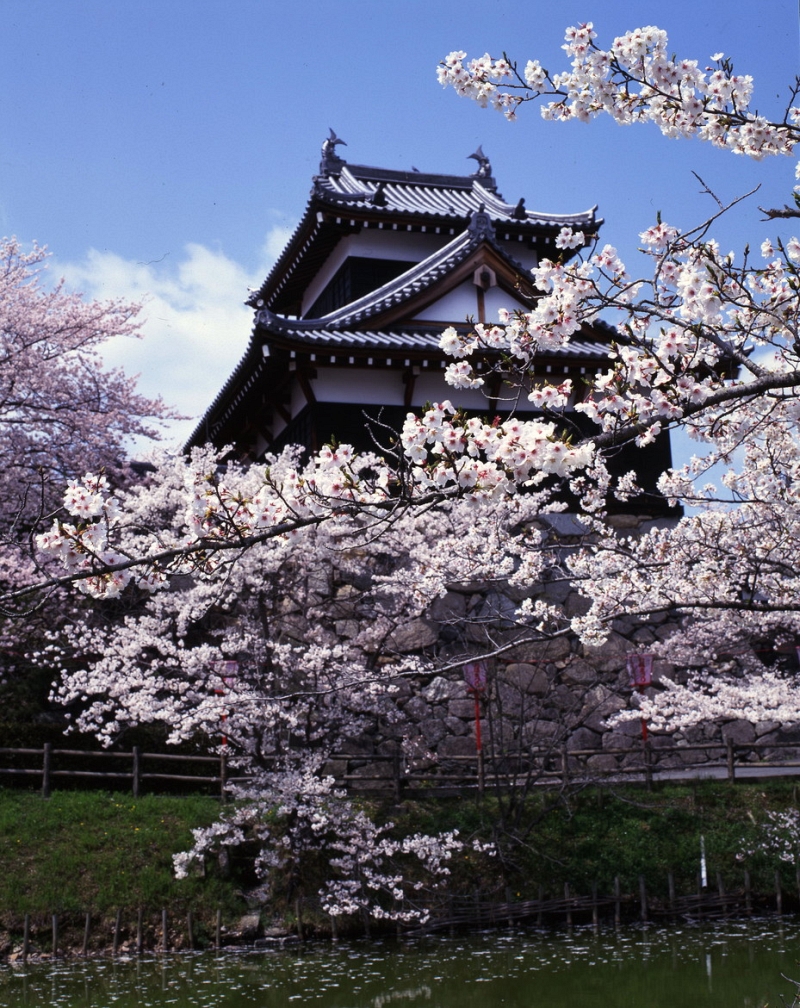 Photo courtesy: Kazumi Yokoyama
Hanami etiquette in brief
If you are fortunate enough to sit under the trees, a few norms keep the season kind for everyone:
- Do not shake branches or climb trees for a photograph.
- Carry out all trash; bins may be scarce during peak weekends.
- Keep music and voices considerate—many gatherings are multi-generational.
- Leave space on paths for cyclists, strollers, and people who live nearby.
- Follow local rules about alcohol, barbecues, and reserved picnic sheets in busy parks.
- Blue tarps and early morning claims on space are part of local practice in some cities; do not move or sit on someone else’s sheet.
Photographers should also watch for privacy. Full-face shots of strangers at picnic sheets are not automatically fair game. The blossoms are the subject; people under them are neighbors first. Drones are restricted or banned in many urban parks and historic sites—check rules before you assume the sky is yours. A longer lens from a path is often kinder than stepping into someone’s gathering for a wide angle.
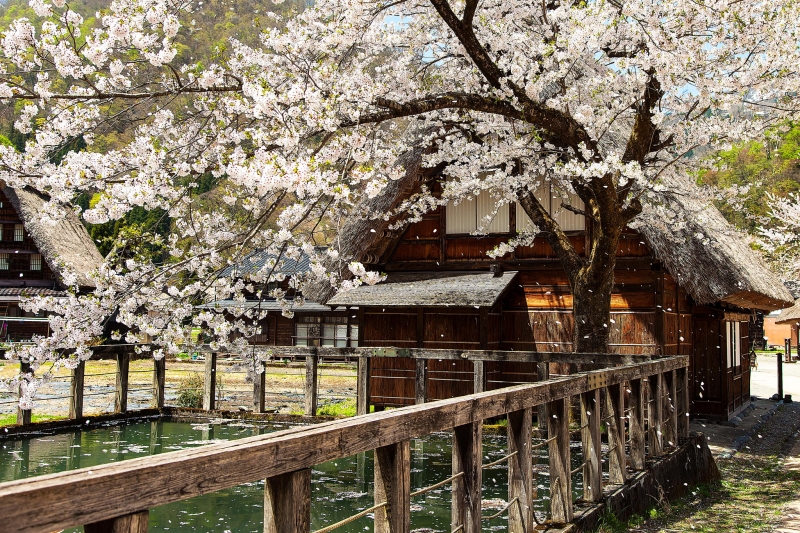
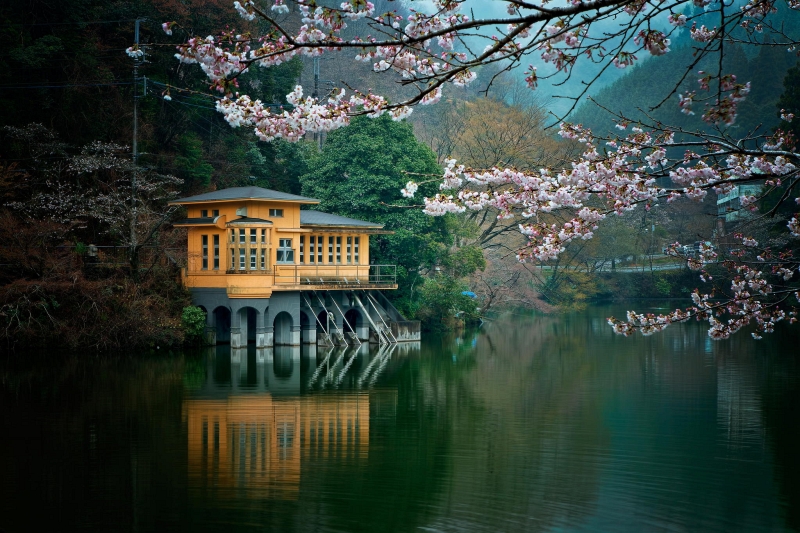
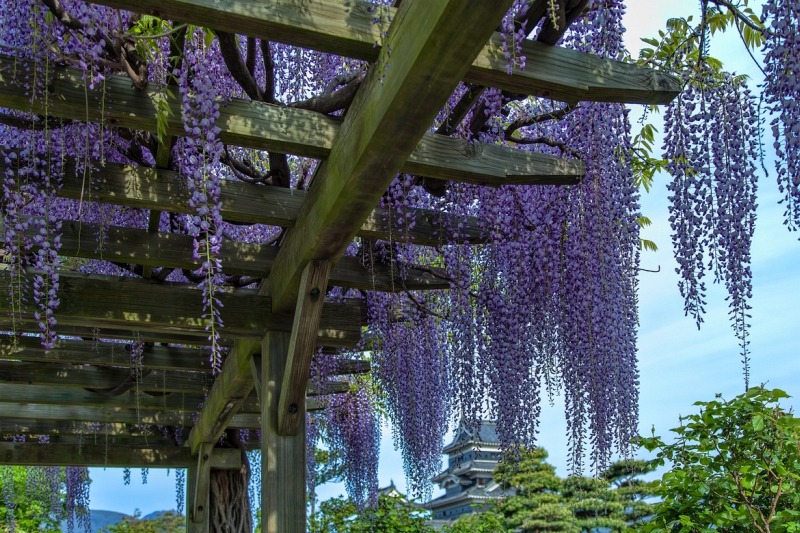
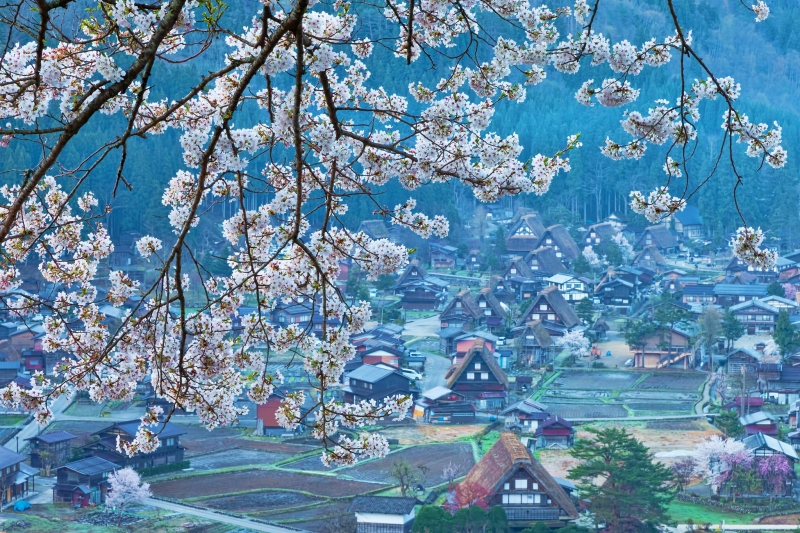
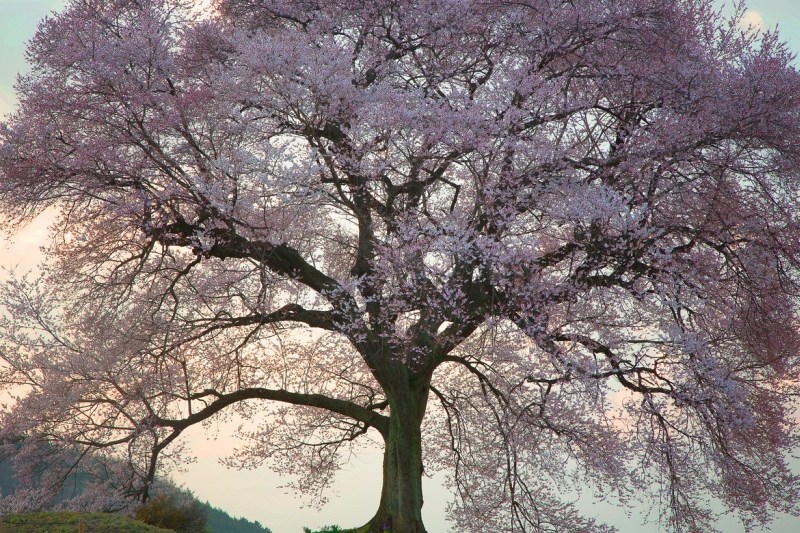 Photo courtesy: MIYAMOTO Y
Petalfall and the season’s second act
Full bloom is only half the story. When petals fall, rivers and sidewalks receive a soft weather of their own. Some photographers prefer this stage: motion, wind, and the slight melancholy that Japanese aesthetics have long associated with impermanence. You do not need to name every classical concept to feel it. Standing under a tree that was dense pink yesterday and open sky tomorrow is enough. Late blossom—when green leaves begin to share the branch—has its own quiet beauty and thinner crowds.
If you are planning a trip around sakura, treat bloom forecasts as guidance, not a guarantee. Build days that remain worthwhile in rain: museums, baths, noodle shops, covered shopping streets. Carry a light layer; spring in Japan can swing from mild to sharp. Most of all, leave room in the schedule to simply sit. Hanami at its best is not a race between viewpoints. It is shared attention under a canopy that will not last. The cameras on this page caught that attention; the rest is up to whoever stands under the next tree.
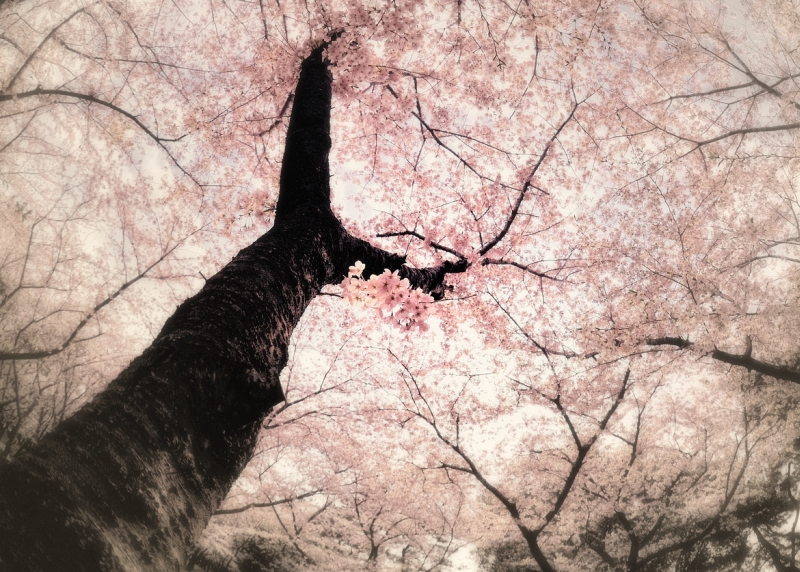
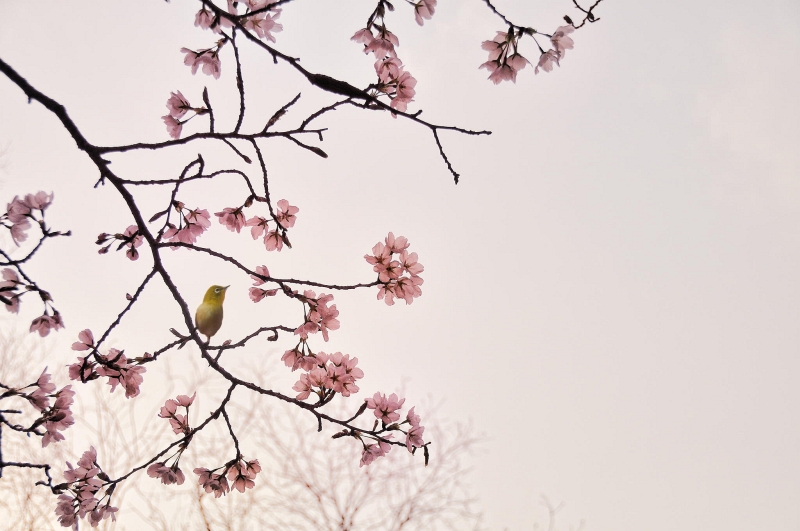 Photo courtesy: Y2 Hiro
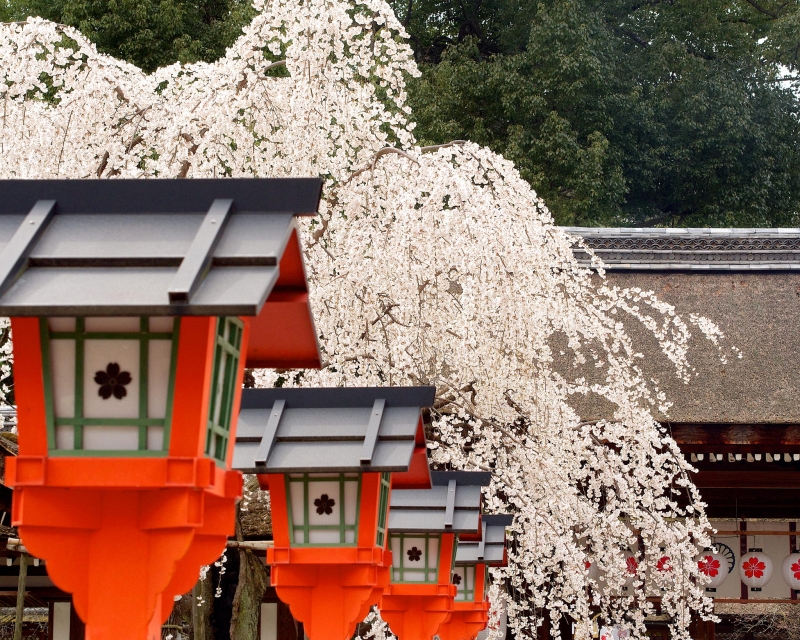
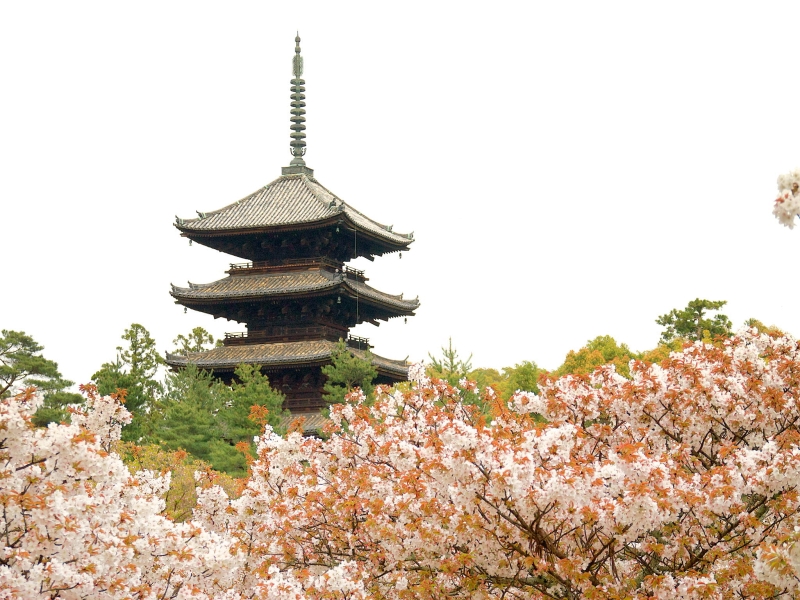
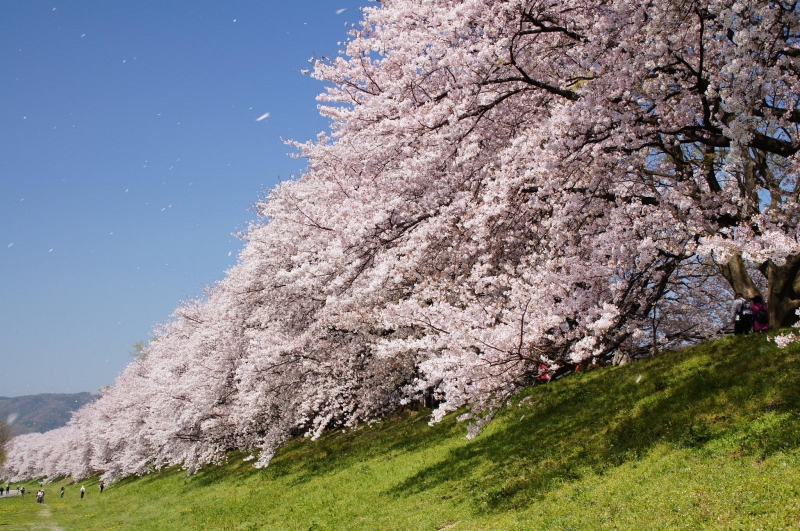 Photo courtesy: Yuya Horikawa
Look once more at a frame where blossoms fill the sky and another where a single branch interrupts architecture. Between those two scales sits the season’s real invitation: not to collect pink, but to notice how briefly a landscape can change—and how carefully people have learned to meet that change together.

Comments
Continue reading
Dramatic Photo Art by Sukron Ma’mun (Ipoenk Graphic)
Cirebon, Indonesia photographer Sukron Ma’mun uses theatrical natural light to frame village life, play, and place in lyrical photo art.

Bird’s-Eye Views: Florian Beaudenon’s Instant Life
Paris photographer Florian Beaudenon’s Instant Life series captures people in their rooms from above—intimate, collaborative overhead portraits of everyday joy.
Abandoned Cars Reclaimed by Nature: Rust, Growth, and Quiet Ruin
When neglected vehicles are left outdoors long enough, rust, moss, and trees rewrite them into strange still lifes—sad, photogenic, and slowly returning to the ground.