
Fine Art Photography by Oleg Oprisco: Surreal Portraits Built by Hand
Kyiv photographer Oleg Oprisco constructs dreamlike fine art portraits with handmade props, soft palettes, and film—surreal scenes that feel staged in the world before the shutter.
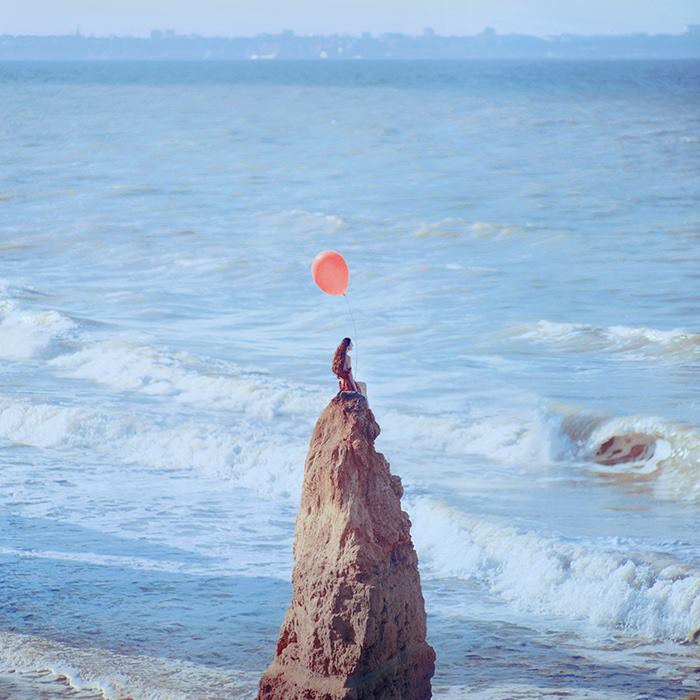
Oleg Oprisco builds photographs the way a stage designer builds a scene: props first, light second, shutter last. Based in Kyiv, Ukraine, he became widely known in the early 2010s for surreal fine art portraits that feel soft enough to be painted and strange enough to stay in the mind after the tab is closed. The muted palette—dusty blues, pale pinks, fogged greens—does half the storytelling. The other half is physical: handmade objects, carefully chosen locations, and solitary figures who seem to have wandered out of a dream rather than a casting call.
This gallery gathers a run of that work from the period when Oprisco’s images were circulating heavily on DeviantArt, Behance, and editorial roundups. The point is not celebrity trivia. It is how a photographer can make a single rectangle hold a whole narrative without needing a caption to explain the plot. Viewers who met these pictures then often assumed heavy digital invention. Looking closer, the wonder is usually constructed in front of the camera, then protected by a gentle scan and a restrained finish.
Surrealism made by hand
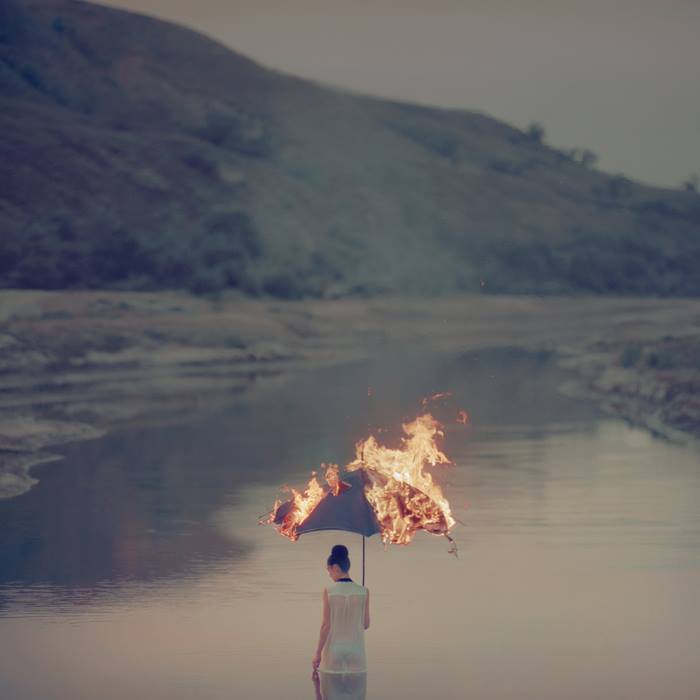
A common misunderstanding about dreamlike photography is that the wonder must be invented in software. Oleg Oprisco’s practice leans the other way. He constructs sets and props himself—oversized books, paper birds, fabric volumes, burning umbrellas rehearsed until the flame behaves—then photographs them on medium-format film with relatively simple cameras such as the Kiev 6C. The constraint is part of the method. Film limits how many chances you get; construction limits how casually you can “fix it later.” The result is a stillness that digital collage rarely fakes well: weight, shadow, and the slight imperfections of something that existed in front of the lens.
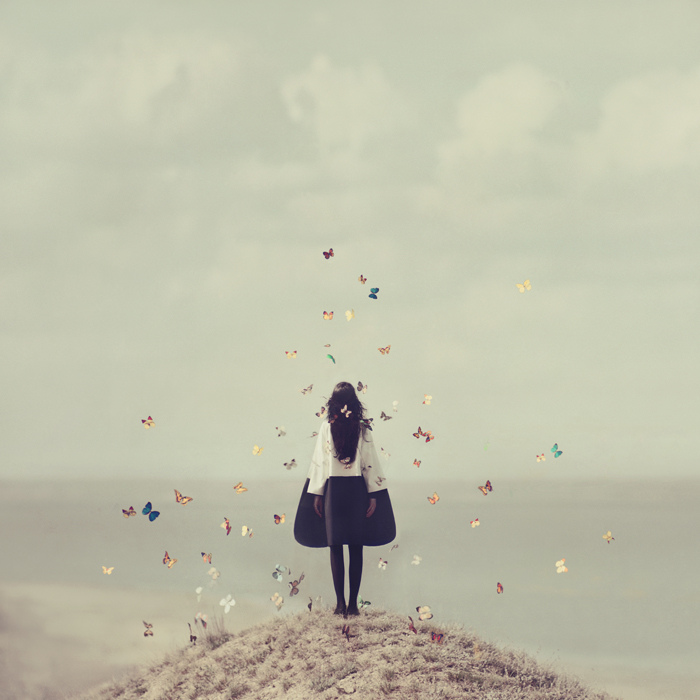
That handmade ethos also explains why the images feel intimate even when the concept is grand. A model standing in a field with an oversized brush, or opening a book that seems to release butterflies, reads as theater rather than stock surrealism. You believe the object because it had to be carried, balanced, and lit. You believe the atmosphere because fog, dawn, and overcast skies were chosen as collaborators, not as presets. Days of preparation can collapse into one exposure, which is why the photographs feel earned rather than assembled from a folder of stock skies.
Oprisco has talked about converting a large story into one photo, using props, location, clothing, color, and composition the way a writer uses chapters and turns. That metaphor is useful when you study the gallery. Ask what the chapter is about—freedom, loneliness, creation, danger, play—and notice how few symbols he needs to suggest it. Complexity comes from craft, not from crowding the frame.
Palette, fog, and the quiet figure
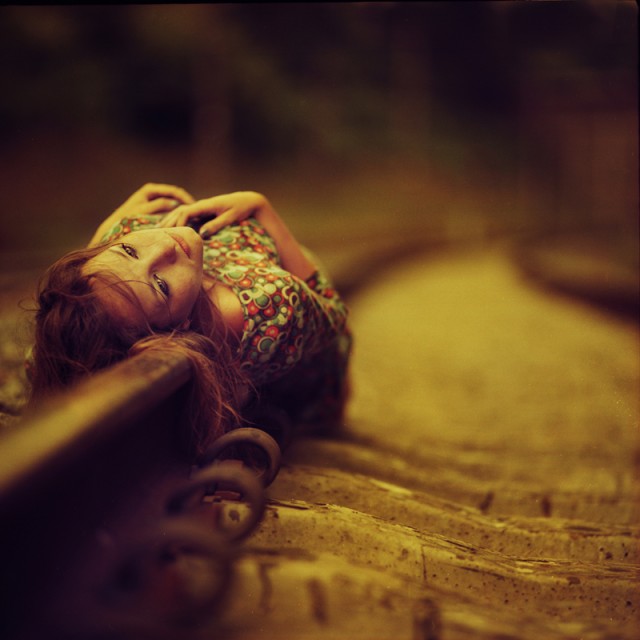
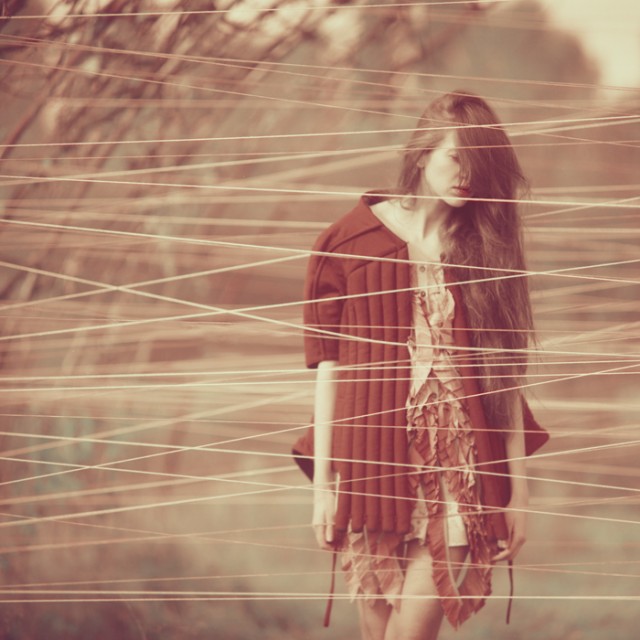
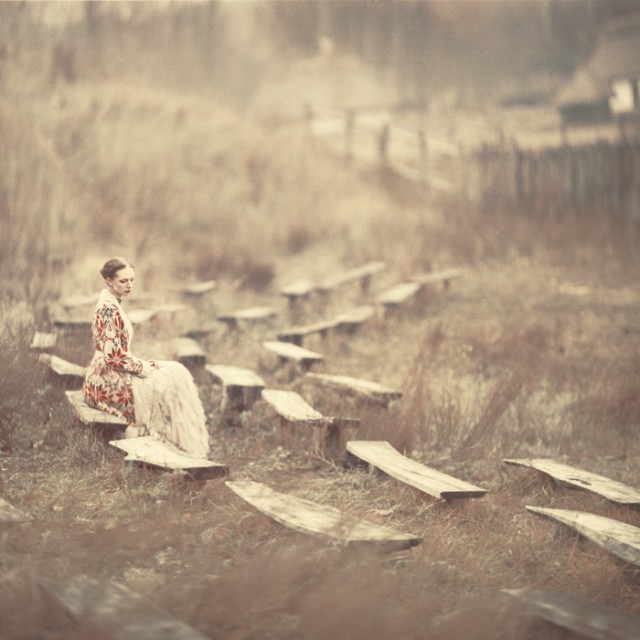
Color in Oprisco’s fine art photography is rarely loud. Soft, desaturated hues keep the eye on gesture and silhouette. Shallow depth of field turns backgrounds into painterly washes. Fog or mist often fills the middle distance, separating the subject from the world without cutting them off completely. That visual hush is why the work can feel melancholic even when the props are whimsical. Inspiration drawn from hazy cinematic atmospheres—filmmakers who treat weather as character—helps explain the preference for dawn, dusk, and diffused overcast rather than hard noon sun.
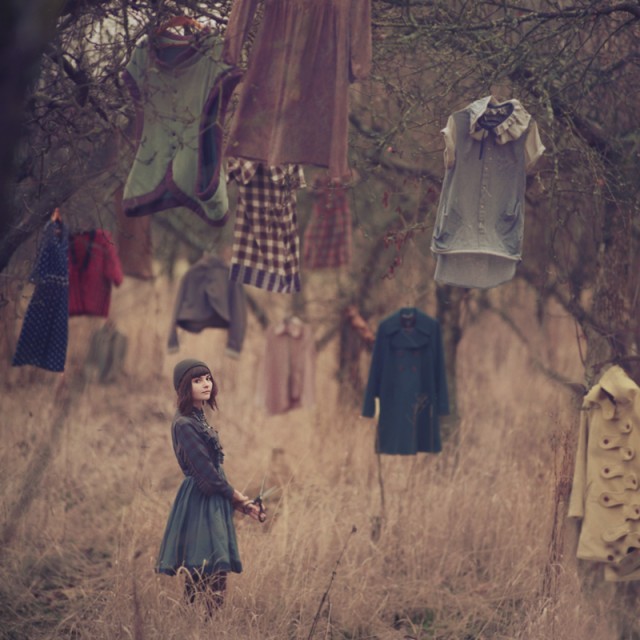
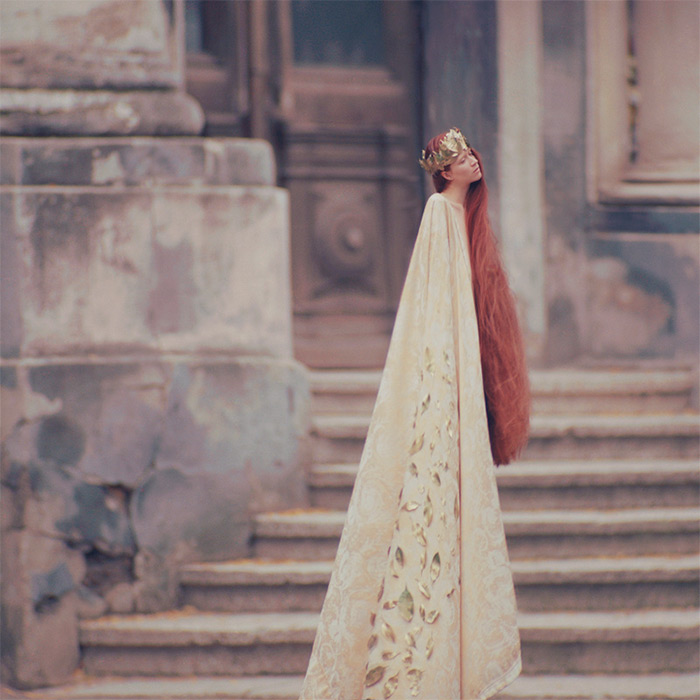
The recurring figure—often a solitary woman—acts as a hinge between the real body and the unreal setting. Clothing, hair, and posture are styled to match the concept, sometimes with garments Oprisco has made or adapted for the shoot. The face may be calm, distant, or slightly unsettled. Emotion is suggested more than performed. The photograph invites interpretation: fairy tale, allegory, private memory, or a mood without a name. Because the figure rarely competes with a busy crowd, the prop and the landscape get room to speak.
Look across the sequence and notice how often one strong object carries the concept. One oversized book, one strange action, one carefully placed horizon. If you removed that object, the picture would collapse into a pretty portrait. That dependence is a compliment to the design: the surreal element is load-bearing, not decorative frosting.
From Kyiv practice to wider attention
Oleg Oprisco’s public profile grew quickly after his conceptual portraits began circulating online around 2012–2013. Behance features and photography blogs amplified the work; DeviantArt traffic and curator picks introduced him to viewers who might never have opened a fine art monograph. The images traveled well because they were immediately readable as “story photographs” while remaining open-ended enough for each viewer to invent a different chapter. A soft surreal portrait needs no language barrier to circulate.
That moment matters historically. Pre-algorithm social platforms rewarded distinctive portfolios that could be shared as complete moods. Oprisco’s aesthetic fit the era’s hunger for images that felt cinematic without requiring a film crew. Yet the craft underneath was older than the platforms: film discipline, prop-making, and a preference for natural, gentle light. He came up through studio assistance and lab work before the viral cycle, which shows in the patience of the sets. The internet discovered a practice that was already built for print-scale stillness.
Later coverage continued to emphasize the same core: solitary figures, subdued tones, elaborately prepared scenes, and a refusal to let Photoshop do the heavy lifting of invention. Political and historical weather in Ukraine has also shadowed interpretations of darker motifs—empty clothes, shelters, unsettled calm—without reducing every image to allegory. The photographs remain open. That openness is part of why they still reward a slow scroll.
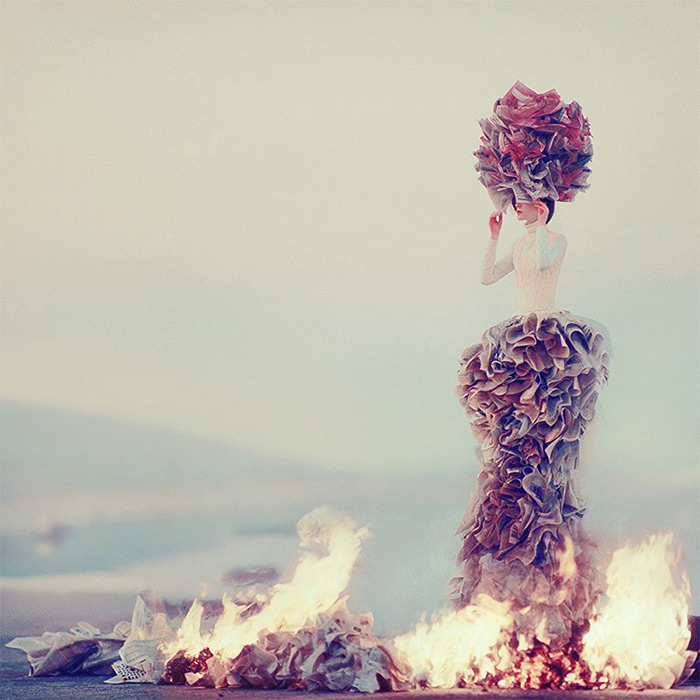
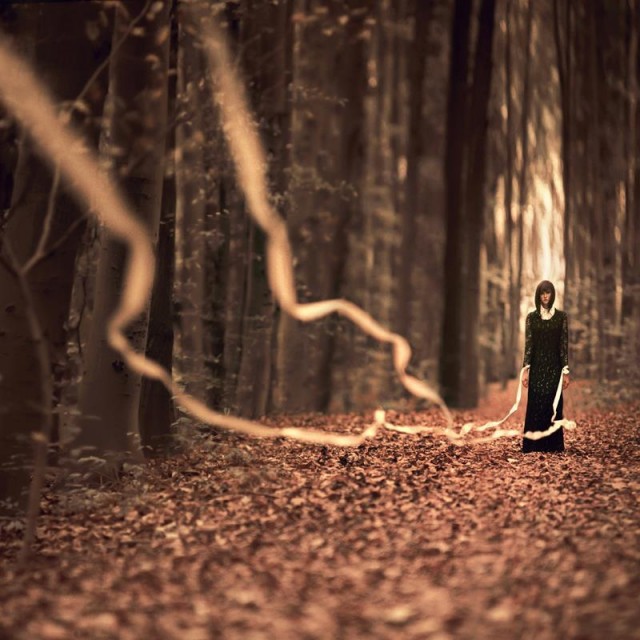
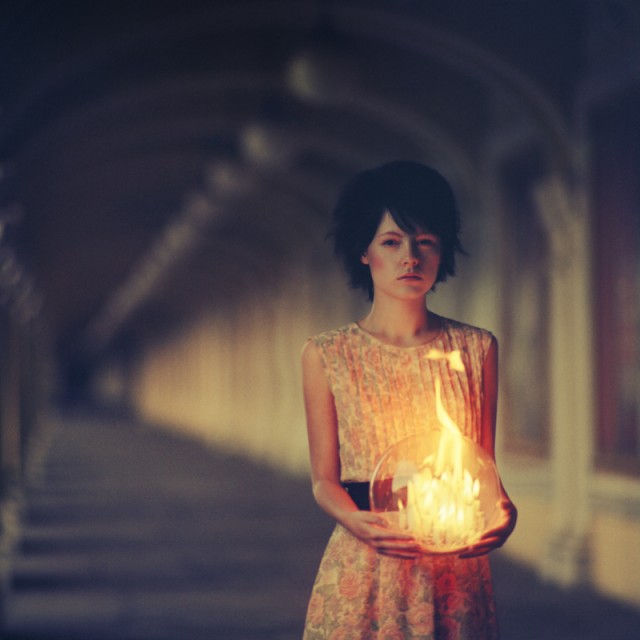
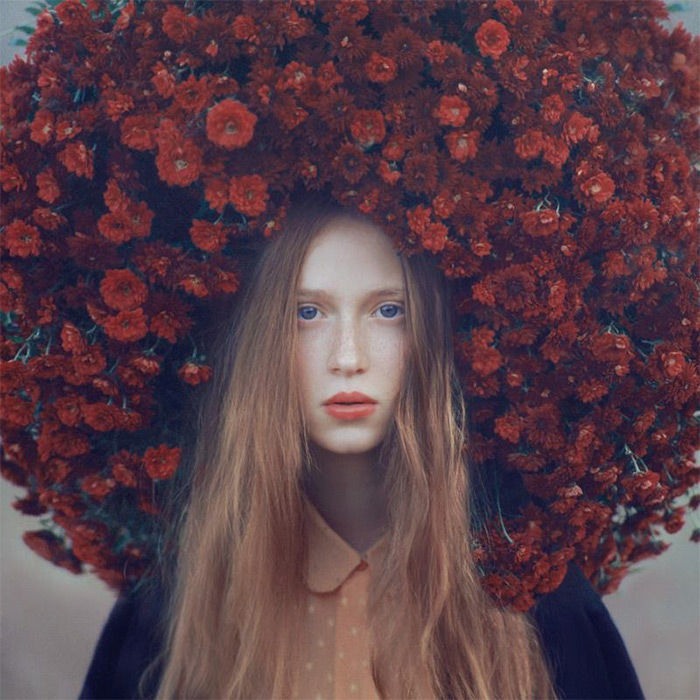
What “fine art” means in these frames
Calling the work fine art photography is not only a gallery label. It signals intent: the photograph is the finished artwork, not a document of an event. Posing, prop design, and color world are composed for the print and the screen as destinations. Commercial portraiture often flatters a client; Oprisco’s portraits flatter a concept. The model is a collaborator inside a fiction.
That does not make the work cold. Soft focus edges, tactile fabrics, and human scale keep empathy in play. You can feel weather on skin. You can imagine the weight of an oversized object. Fine art here is not abstraction for its own sake; it is storytelling with photographic materials. The film grain and the handmade seam are part of the truth claim: this dream occupied space.
Compare that approach with digital surreal collage and the difference becomes clear. Collage can invent freely; Oprisco’s method invents under gravity. Both can be beautiful. Only one asks you to believe a prop was carried into a field at dawn.
How to look at the gallery
Use these frames as a study set, not only as a scroll:
- Find the prop: What object carries the concept? Would the picture collapse without it?
- Track the light: Soft edge light and haze create the painterly surface. Hard noon sun is almost never the hero.
- Watch negative space: Empty field, fog, or sky often does more work than a busy background.
- Read the posture: Stillness, slight turn of the head, hands that hold or release—gesture is the dialogue.
- Notice restraint in post: Softening and tonal balance serve the film scan; the spectacle was already built on set.
Those habits transfer to anyone making conceptual portraits. You do not need Oprisco’s exact palette to learn from his economy. One strong idea, one supporting world, one figure who belongs inside it—then stop adding. If a second prop does not change the sentence of the image, leave it in the studio.
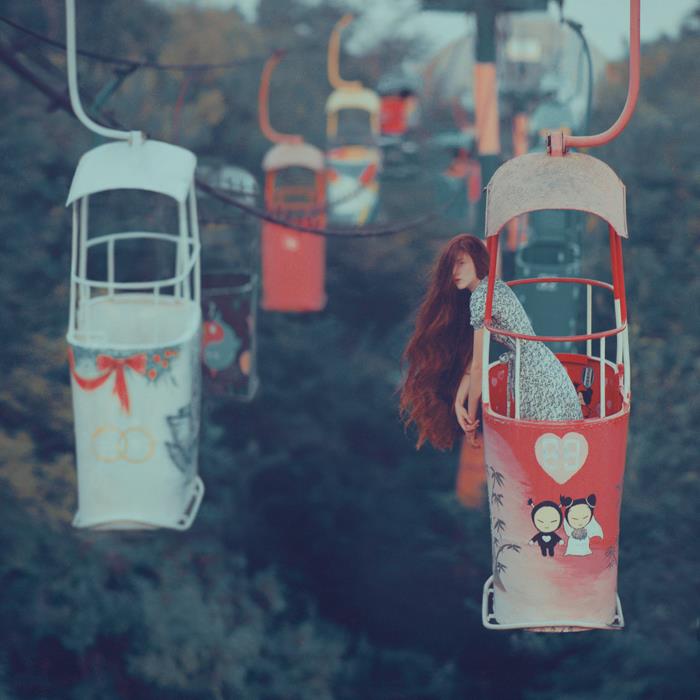
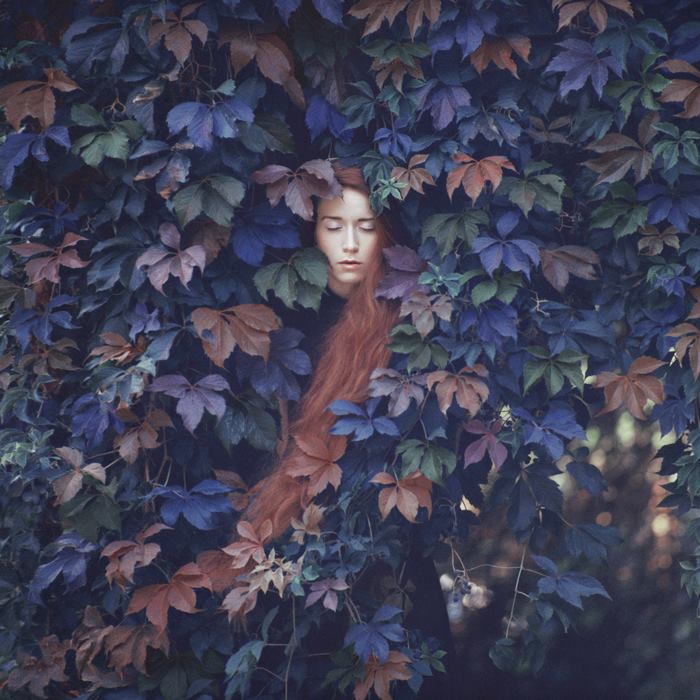
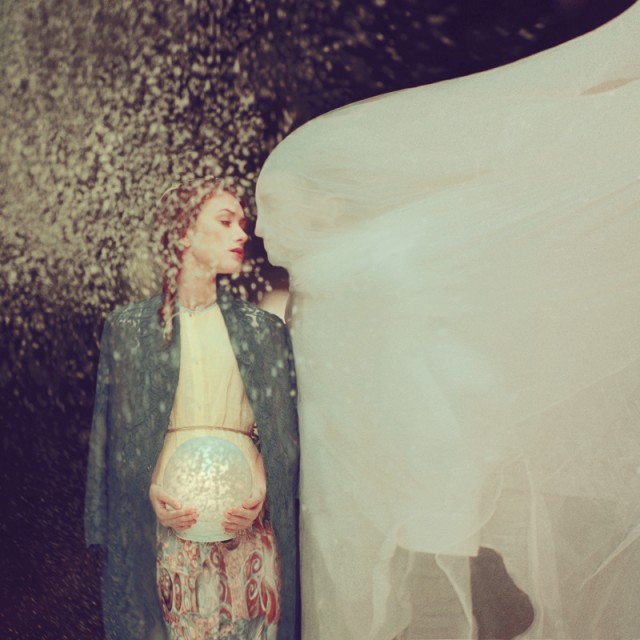
Pick one image and invent the hour before the shutter: which prop was finished last, how many times the model practiced the hold, whether the fog arrived or was waited for. That small reconstruction is a better takeaway than copying a color grade. Oleg Oprisco’s fine art photography works when the dream is engineered in the world first—and the photograph simply arrives to witness it.

Comments
Continue reading
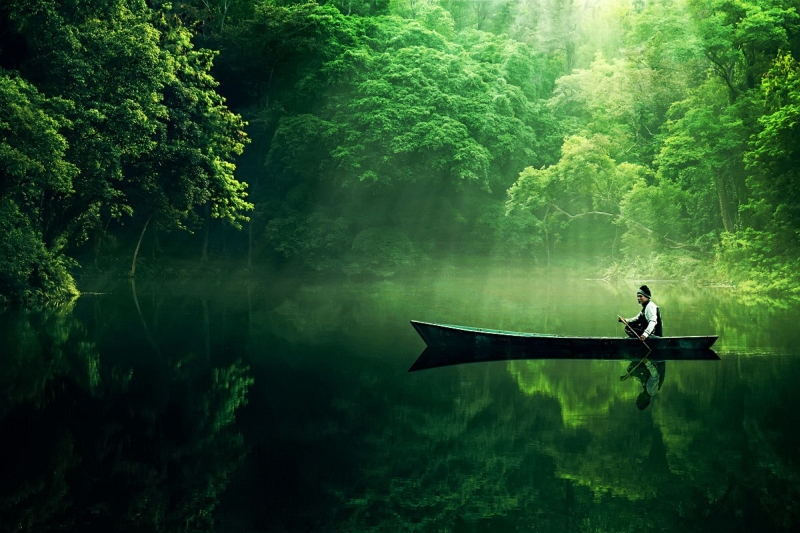
Dramatic Photo Art by Sukron Ma’mun (Ipoenk Graphic)
Cirebon, Indonesia photographer Sukron Ma’mun uses theatrical natural light to frame village life, play, and place in lyrical photo art.

Bird’s-Eye Views: Florian Beaudenon’s Instant Life
Paris photographer Florian Beaudenon’s Instant Life series captures people in their rooms from above—intimate, collaborative overhead portraits of everyday joy.
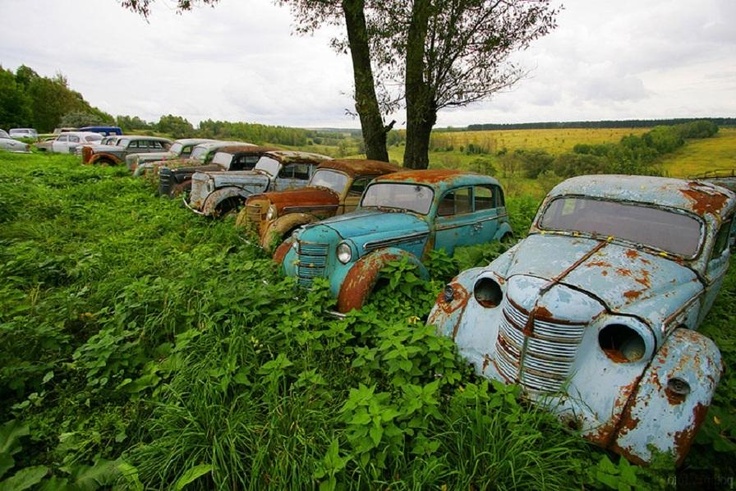
Abandoned Cars Reclaimed by Nature: Rust, Growth, and Quiet Ruin
When neglected vehicles are left outdoors long enough, rust, moss, and trees rewrite them into strange still lifes—sad, photogenic, and slowly returning to the ground.