
Hair Scarf Styles: Knots, Wraps, and Everyday Looks
How to choose fabric, size, and placement for hair scarves—plus headband folds, ponytail wraps, braid weaves, and fuller coverage styles illustrated in the gallery.
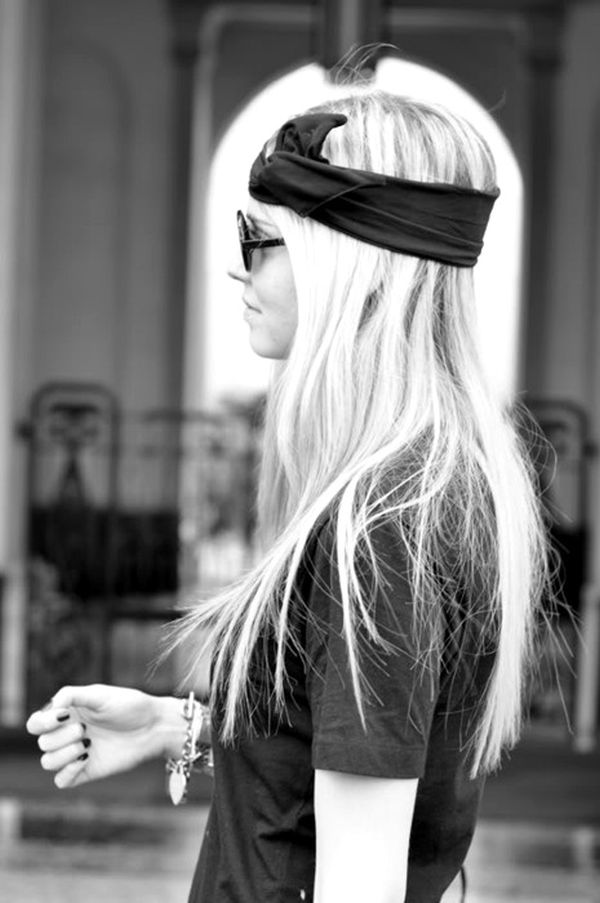
A scarf in the hair does more than fill an empty outfit. It adds color at eye level, holds flyaways on humid days, and turns a simple ponytail or loose waves into a finished look without a salon appointment. The styles below work with square, oblong, and triangular scarves as well as long soft rectangles. Fabric choice matters as much as the knot: silk and satin slide and shine; cotton and linen grip and look casual; lightweight wool or jersey stretches for sportier wraps.
Before you start, decide the job of the scarf. Is it the main accessory, a subtle hold for bangs, or full coverage for wind and sun? That decision steers width, opacity, and how much hair stays visible. Keep edges clean—fraying or makeup stains read louder on the head than on a handbag—and match scale to your face: a huge knot can overwhelm fine features, while a skinny ribbon can disappear on thick hair.
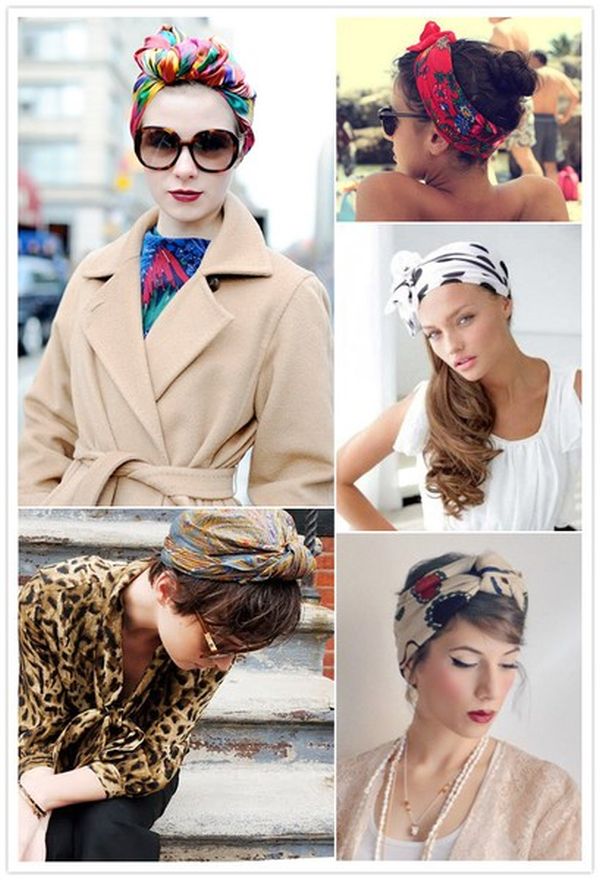
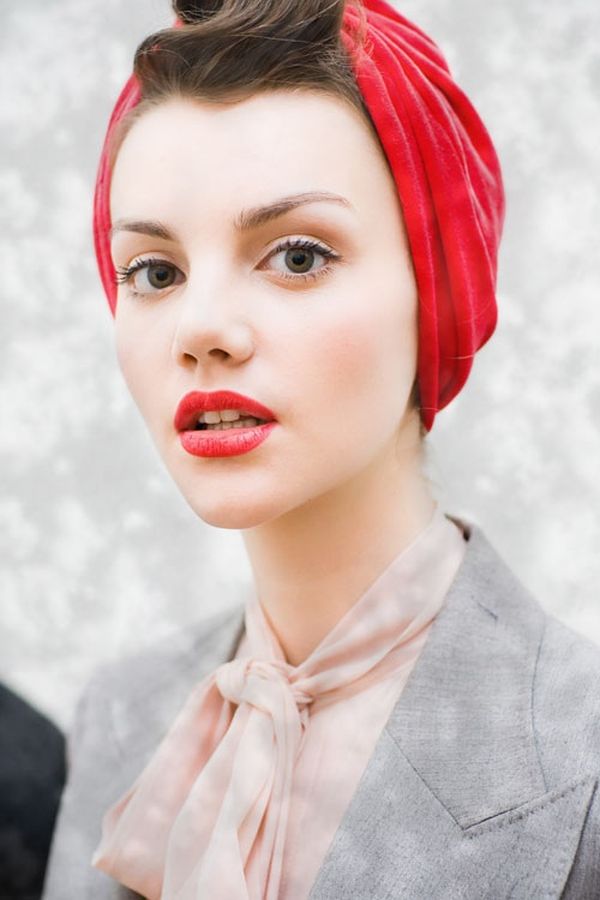
Choose fabric, size, and placement
Square scarves around 20–28 inches (about 50–70 cm) fold into triangles for classic headbands and bandeau wraps. Larger squares give more coverage for turbans and full wraps. Long rectangles (roughly 60–70 inches) suit low knots, braid weaves, and neck-to-hair transitions. If the scarf is too small, the knot pulls tight and leaves red marks; if it is too large and stiff, it balloons and slides forward.
Placement changes the silhouette. A scarf sitting at the hairline reads vintage and intentional. One pushed back behind the hairline softens the face and works with bangs. A low wrap at the nape feels athletic and keeps the forehead clear for glasses or sunscreen. Try the same knot in two positions before you decide the look “doesn’t work”—often the issue is height, not the style.
Color and pattern should either echo one item you already wear (lipstick, bag, shoe trim) or deliberately contrast a neutral outfit. Busy florals next to a busy print blouse fight for attention. Solids and small geometrics are easier on textured hair because they do not compete with curls and coils for visual noise.
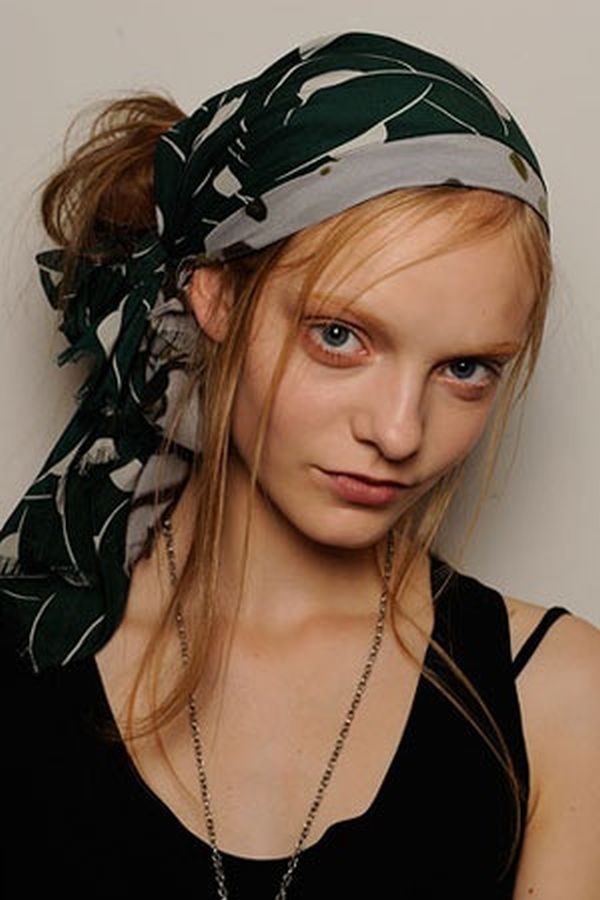
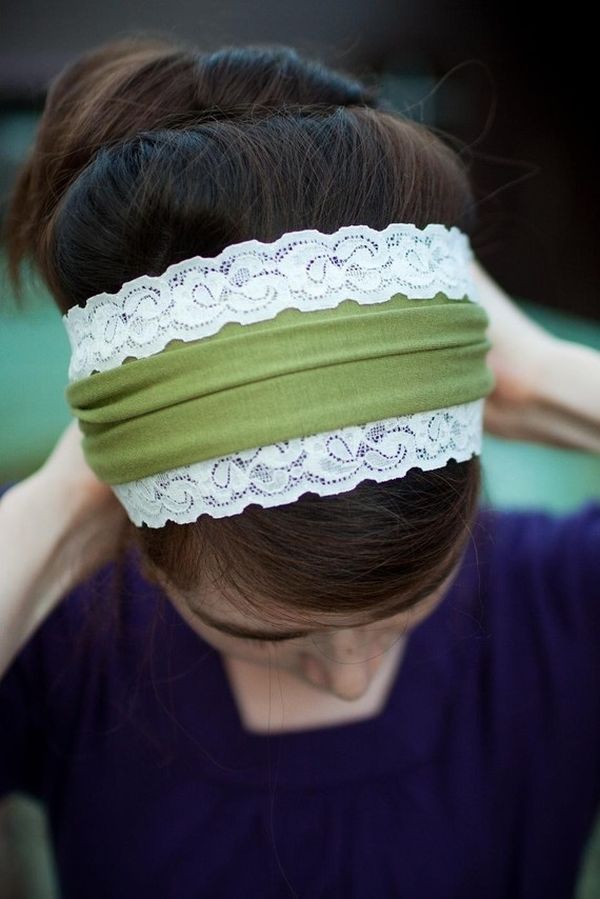
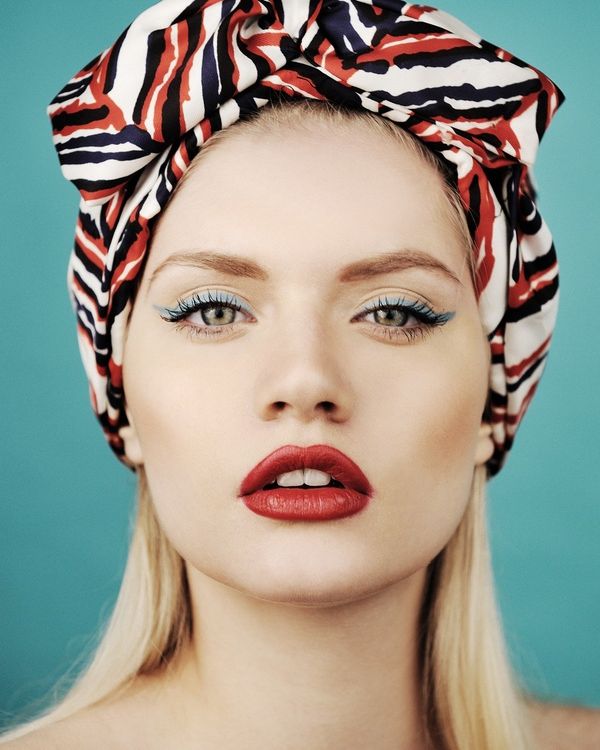
Headband fold and top knot accents
The folded headband is the fastest everyday option. Fold a square into a long band about two fingers wide, place it at the hairline or slightly back, and knot under the hair at the nape or on top for a bow. Smooth the band so it does not twist; a twisted band looks accidental. For slippery silk, a tiny clear elastic or two bobby pins crossed under the knot keeps the scarf from migrating by lunch.
For a top-of-head accent, pull hair into a high ponytail or bun first, then wrap a narrow scarf around the base like a ribbon and knot it tightly. Leave short tails for a playful look or tuck them under for cleaner lines. This works especially well when you want color without covering much hair—useful for thick curls that need airflow.
Side knots shift the balance of the face. Place the knot above one ear and let short ends fall forward, or tuck them back for asymmetry without length. Check the profile in a mirror: if the knot sits too far forward, it can look like a costume; one ear-width back usually reads more modern.
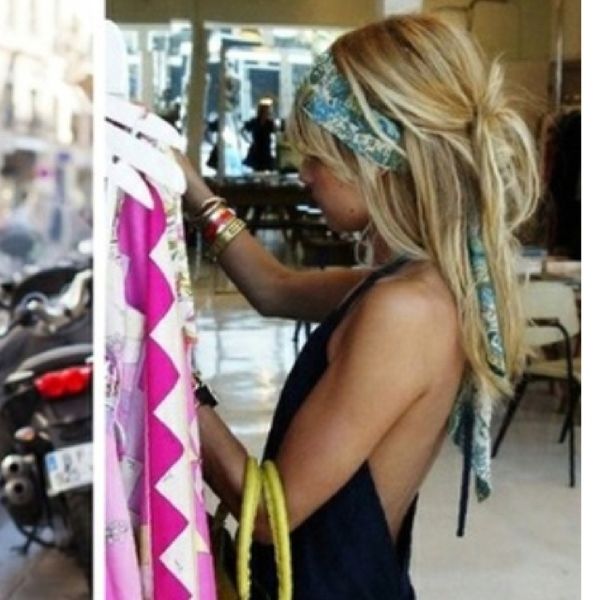
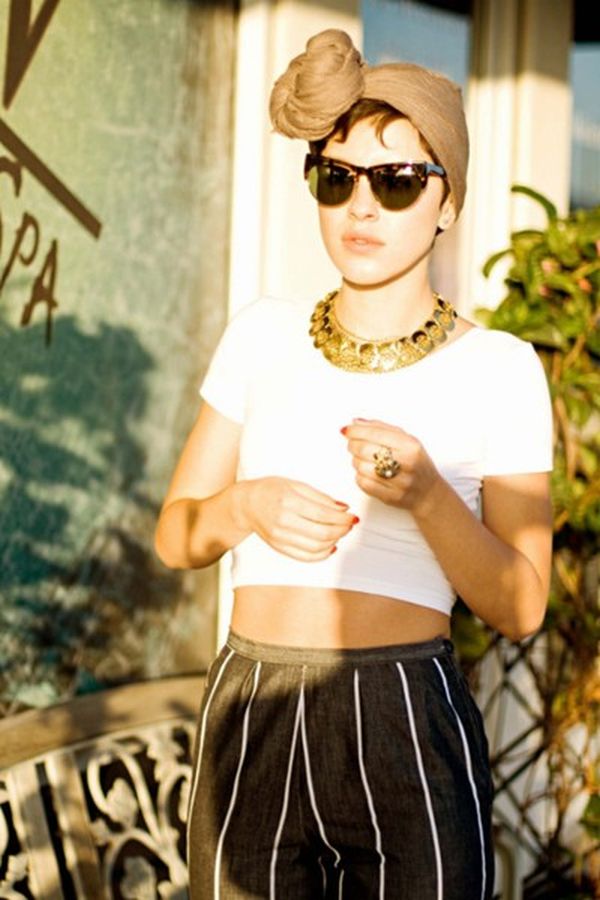
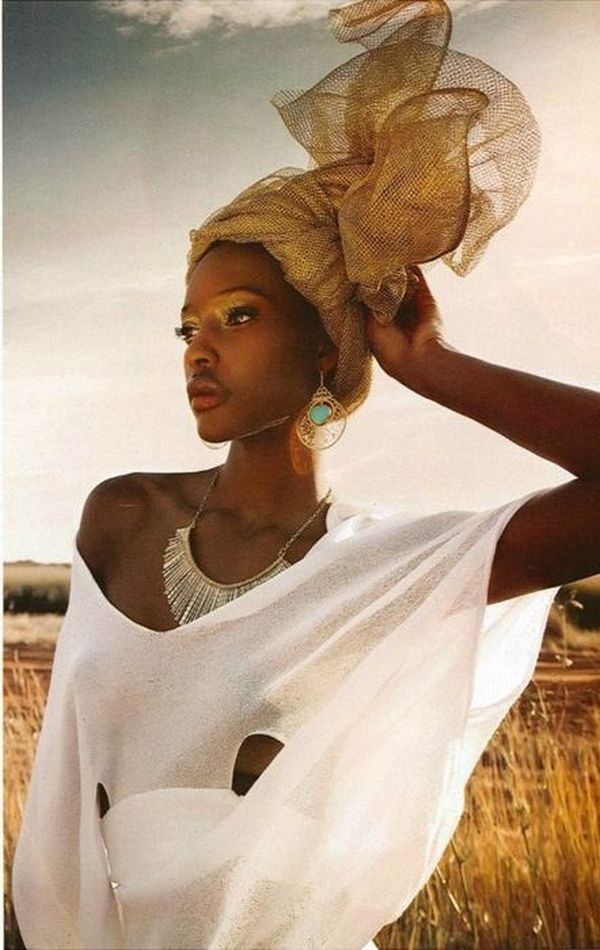
Low ponytail wraps and braid weaves
A low ponytail wrapped in a scarf feels polished for work or travel. Secure the ponytail first with an elastic that matches your hair, then wrap the scarf around the elastic so the hardware disappears. Cross the ends under the tail and knot once; a second knot can look bulky. If hair is fine, tease the crown lightly before wrapping so the scarf does not flatten the silhouette.
Braid weaves use the scarf as a third strand. Divide hair into two sections, treat the scarf as the third, and braid loosely so fabric stays visible. Secure the end with a small elastic, then wrap leftover scarf around it or leave a soft fringe. This style photographs well because the pattern travels down the length of the hair instead of sitting only at the crown.
For shorter hair that will not hold a long braid, weave the scarf only through the top section and leave the lower hair free, or wrap a bandeau and pin a small fake braid of fabric at the side. The goal is the same visual rhythm—fabric interrupting hair—without fighting length you do not have.
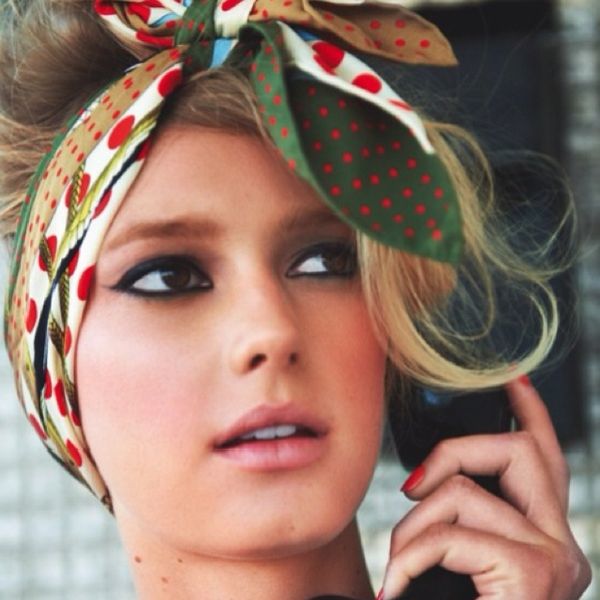
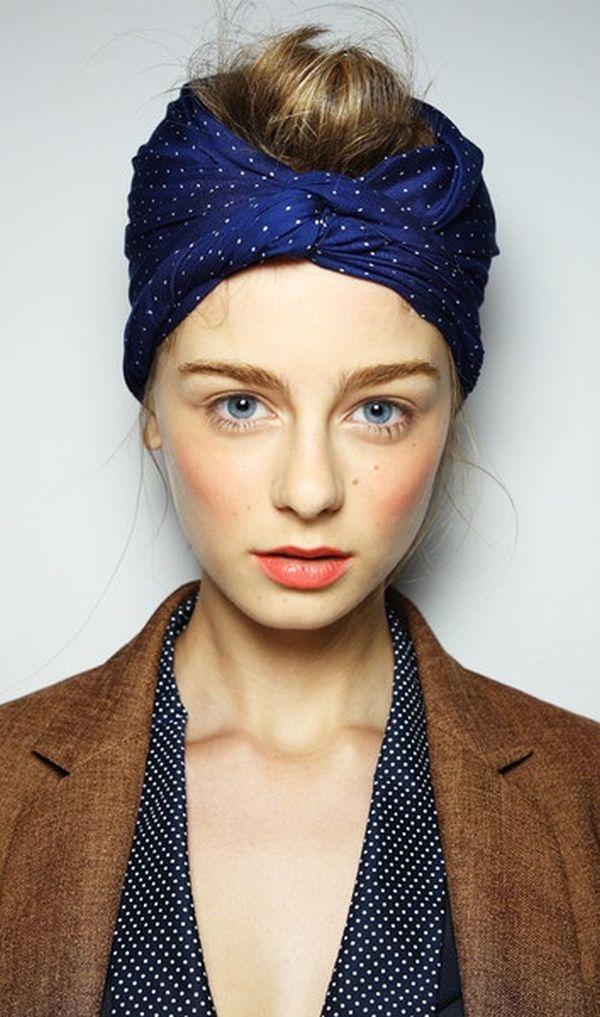
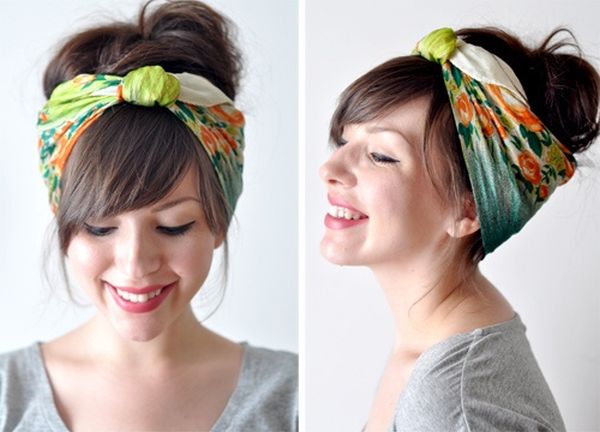
Fuller wraps, turban folds, and coverage
Fuller wraps and soft turban folds suit windy days, post-wash hair, or when you want the scarf to be the entire hairstyle. Start with hair smoothed or in a low bun so bulk sits where you want volume. Center a large square or long rectangle at the nape, bring ends forward, cross at the forehead or crown, and tuck or knot at the back. Adjust until both ears feel evenly covered or evenly exposed—uneven ear reveal is the detail that makes DIY turbans look unfinished.
Leave a soft volume pad at the crown if your face is long; keep the wrap flatter if you want width at the cheeks. Opaque cottons and lined scarves give cleaner edges than sheer chiffon, which can cling to hair products and look messy in photos. If you wear the wrap for sun protection, prioritize coverage at the part line and nape, where burns often start.
Respect personal and cultural contexts. Head covering can be fashion, practicality, or identity. This gallery focuses on styling mechanics—knots, folds, and proportion—so you can adapt techniques to your own wardrobe and comfort.
Hair type, hold, and comfort checks
Fine hair needs grip: matte cotton, a light texturizing spray at the roots, and pins under the knot. Thick or curly hair needs space: wider bands, looser wraps, and scarves that will not crush definition. Coily textures often look best when the scarf frames a defined shape rather than flattening the crown completely—leave intentional volume or a puff where it suits you.
Comfort is non-negotiable. If you feel a headache within twenty minutes, the band is too tight or the knot is pressing a nerve. Loosen, widen the fold, or switch to a stretch jersey. At night, remove structured knots; sleep wraps are a different technique with softer fabrics and less tension.
Finish with a quick checklist before you leave the house: knot secure from both profiles, no lipstick on the edge, earrings cleared of fabric, and one intentional color link to the rest of the outfit. If the scarf is doing all three jobs—hold, color, and coverage—you are done. If it only fights your hair, change fabric before you change the style.

Comments
Continue reading
15 Vintage Wedding Hairstyles: Finger Waves, Bouffants, and Birdcage Veils
Fifteen vintage bridal hair looks—from 1920s finger-wave faux bobs to 1960s bouffants, victory rolls, and Hollywood waves with birdcage veils.
Vintage Hairstyles by Decade—Waves, Rolls, Flips, and Wearable Volume
A practical tour of 1920s waves through seventies feathers: silhouettes, tools, and how to wear period hair without a full costume.
Elegant Updo Hairstyles: Braids, Buns, and Soft Coils
Polished updos that stay wearable—braided structure, low knots, texture tips, and how to match the silhouette to neckline and occasion without looking overdone.