
Fun Ideas for a Kids’ Basement Playroom
Turn a finished basement into a kids’ playroom with zones, storage, light—and safety notes on moisture, egress, stairs, and anchored furniture.
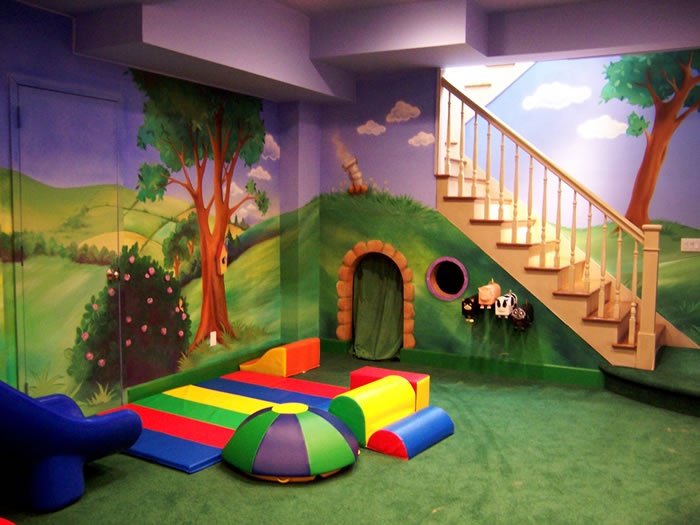
A basement playroom gives kids room to sprawl, build, and make noise without turning every upstairs space into a toy warehouse. Done well, it is not a dumping ground for leftover furniture. It is a planned zone with durable finishes, clear storage, enough light to feel welcoming, and safety built in from the first day. Finished basements already offer square footage; the work is making that footage healthy, flexible, and easy to reset after a chaotic afternoon. Parents often want the room for containment. Kids want it for freedom. Good design serves both without pretending a basement is just a spare bedroom underground.
Safety first: what makes basements different
Address basement realities before paint colors and teepee tents. A beautiful layout on an unhealthy slab will not stay beautiful, and it will not stay used.
- Moisture and air. Fix leaks, manage humidity, and choose flooring and rugs that tolerate occasional dampness. Musty air is a health issue, not a style. Dehumidifiers, exterior grading, and sealed walls matter more than décor. If water returns after every storm, solve drainage before ordering furniture.
- Egress. If the basement is a true living and play space, know local egress-window and exit rules. Kids need a clear path out in an emergency; cluttered stair bottoms are a hazard. Keep one route obvious even when a fort is mid-construction.
- Radon and carbon monoxide. Test for radon where recommended. Keep CO detection correct if fuel-burning appliances share the level. Detectors are not optional accessories for a room where children spend hours.
- Electrical. Use tamper-resistant outlets, keep cords out of toddler reach, and avoid overloaded strips under rugs. GFCI protection belongs anywhere moisture is possible. Extension-cord webs under beanbags are an invitation to trouble.
- Stairs. Add secure handrails, age-appropriate gates, and non-slip treads. Basement stairs are a frequent site of household injuries, especially when kids run with toys in both hands.
- Low ceilings and storage hazards. Pad or relocate ducts and sharp corners at kid head height. Lock chemicals, tools, and paint away from open play shelves. The mechanical corner is not a costume closet.
If the basement still floods, smells of mold, or lacks a safe exit path, pause the fun remodel until those problems are solved. A stylish playroom on a wet slab is a short-lived win.
Zones beat one giant toy pile
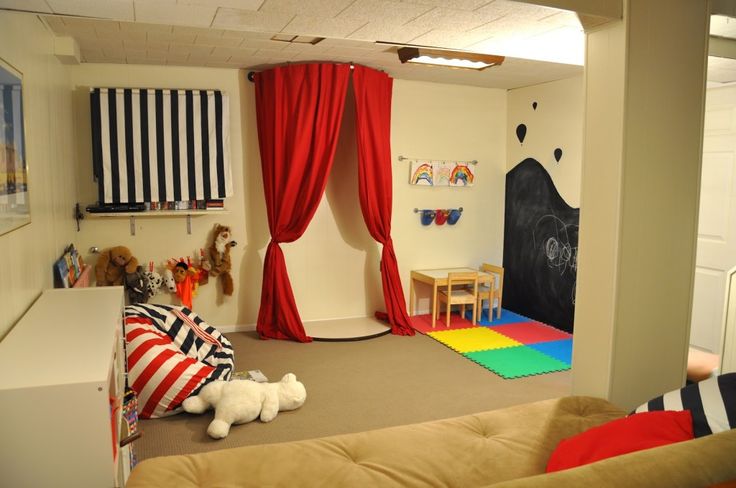
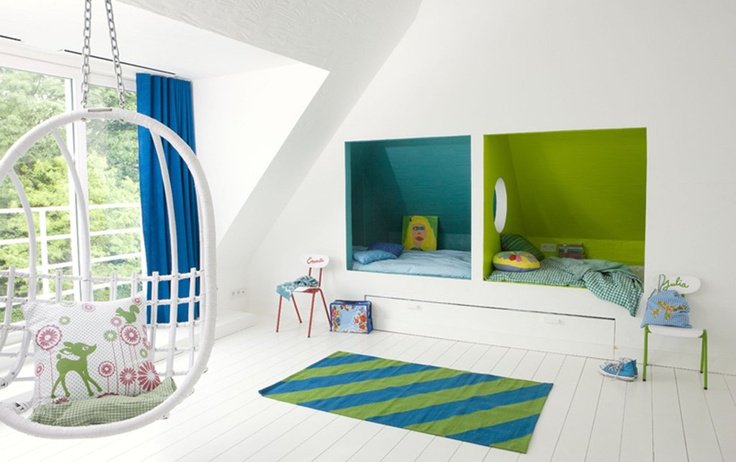
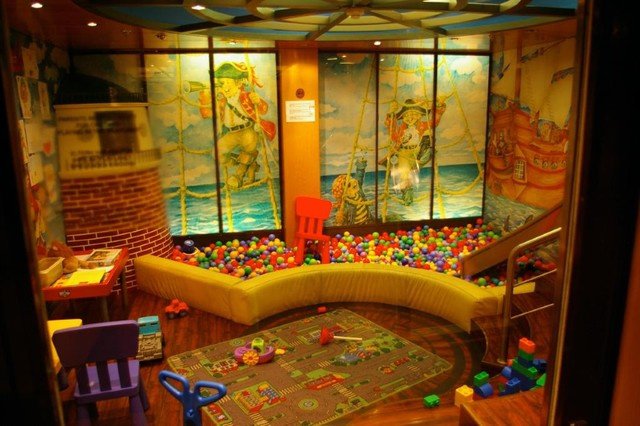
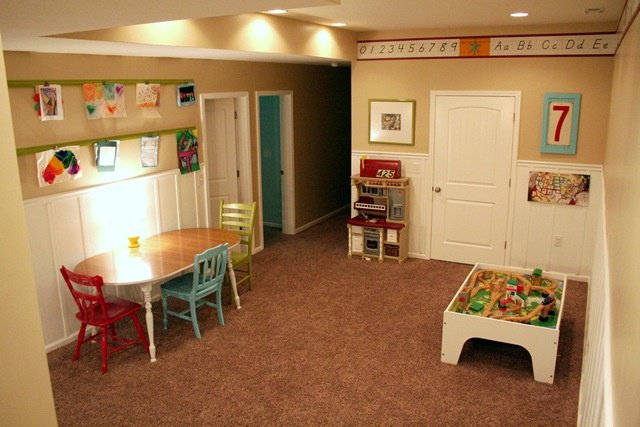
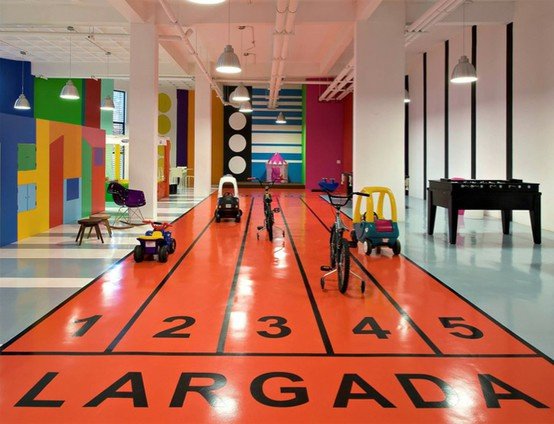
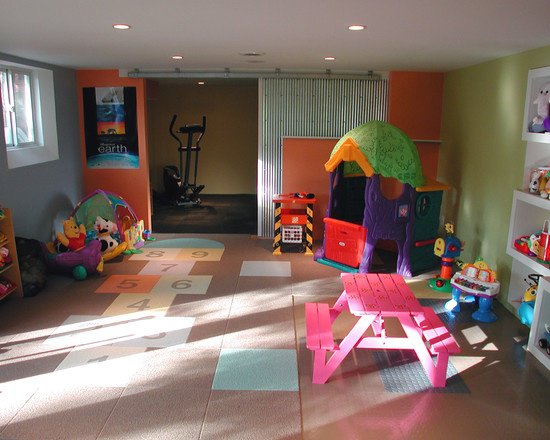
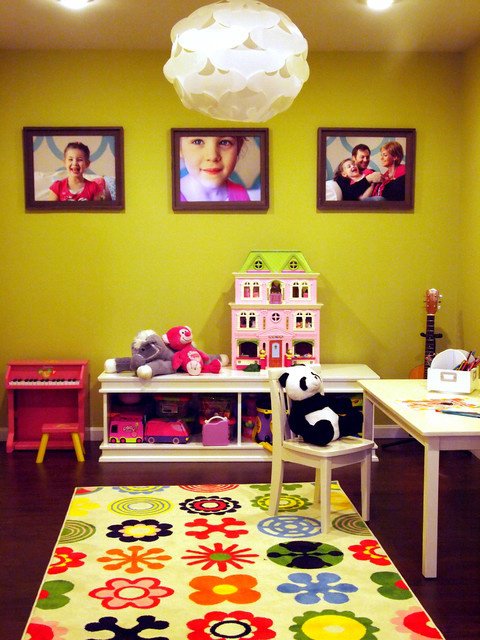
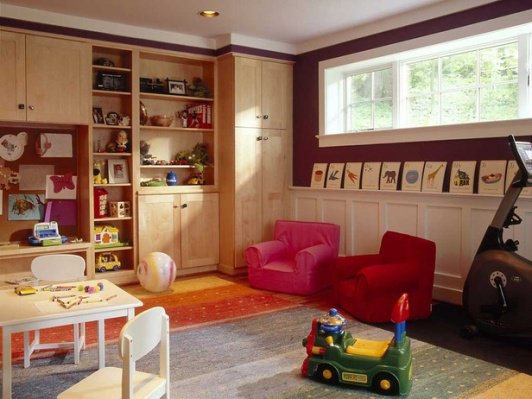
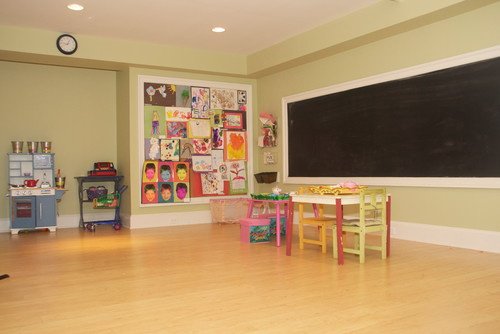
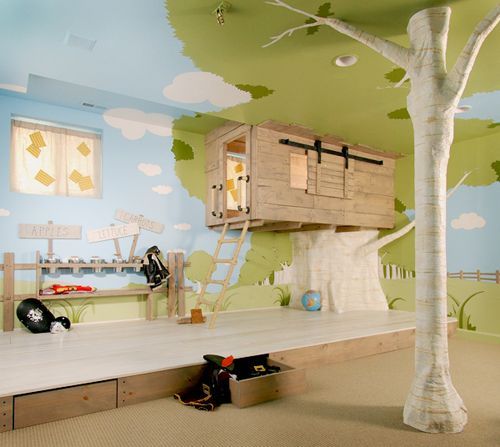
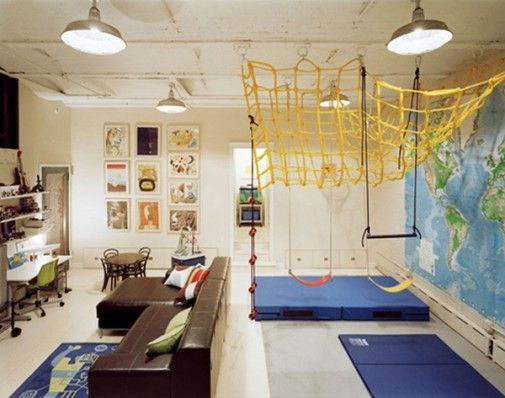
Divide the room by activity even without building walls. Try a soft reading corner with floor cushions and a low bookshelf; an open floor for building and movement; a table zone for crafts and homework; a media nook with clear time rules; and closed storage along one wall. Zoning teaches kids where things belong and lets adults clean without sorting the entire basement every night. It also reduces conflict: the block city does not have to compete with the quiet corner for the same square of carpet.
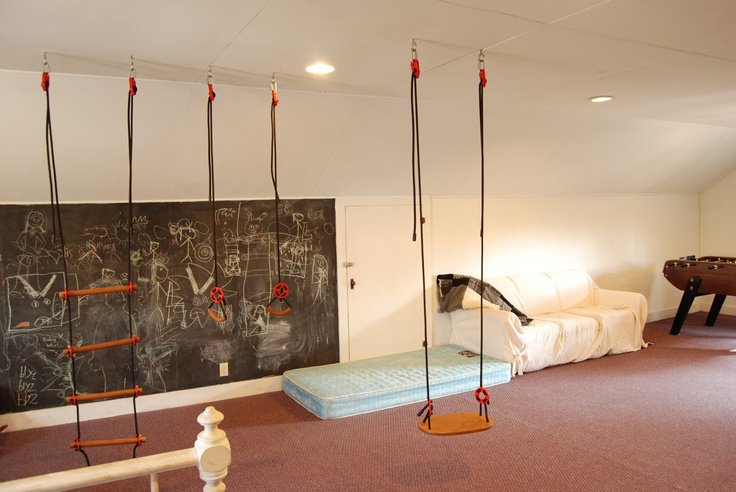
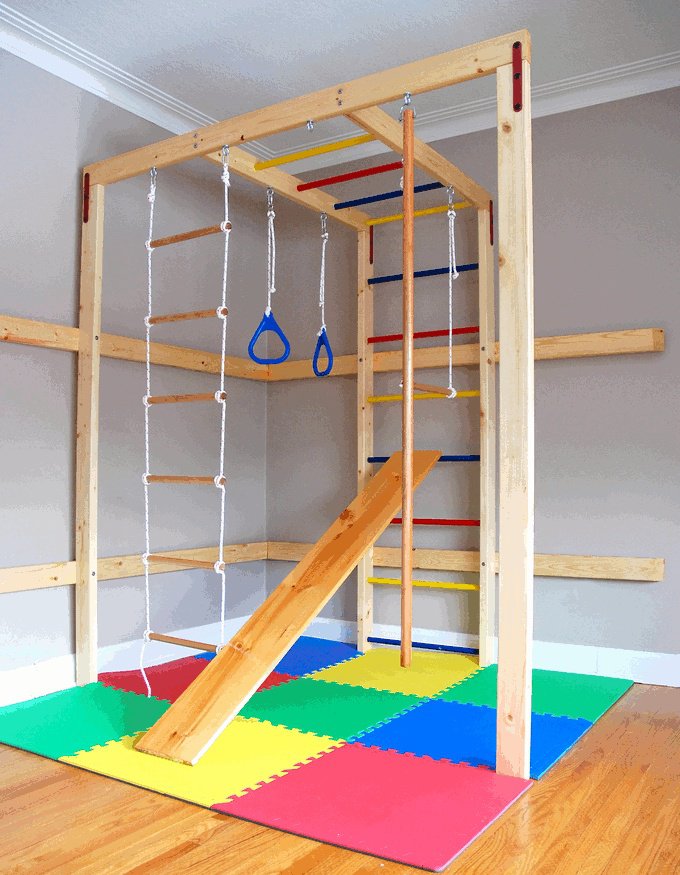
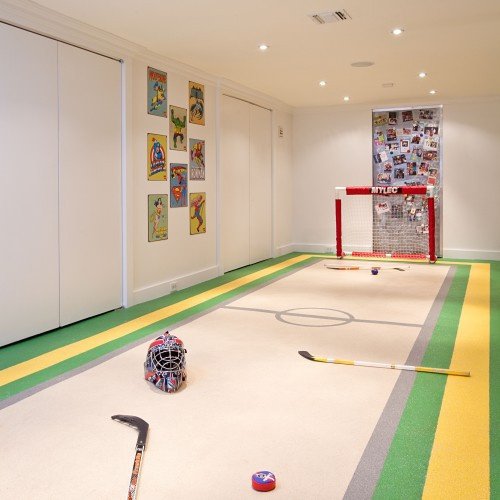
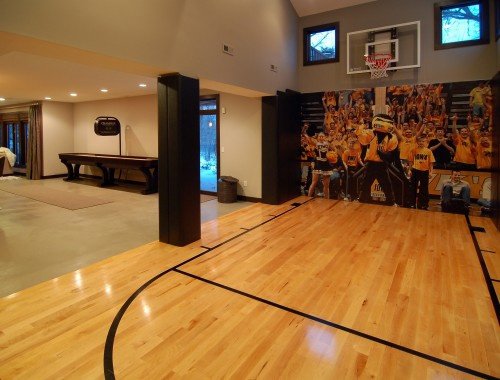
Protect a true empty center. Train sets, dance parties, and sleepovers all need clear floor. Push furniture to the walls whenever you can. If you add a mini trampoline, indoor swing, or climbing feature, treat it as equipment: rated gear, clear fall zones, soft landings, and age-appropriate rules—not decorative props. Equipment that looks casual still needs the same respect you would give outdoor play structures.
Light and color underground
Basements fight darkness. Layer light: bright overhead LEDs for cleanup and games, warmer lamps for calm corners, and task lights at craft tables. Mirrors and pale walls bounce whatever daylight comes from wells or high windows. Avoid a single dim fixture that makes the room feel like storage with toys. Good light also makes supervision easier; you can see what is happening without standing in the doorway like a guard.
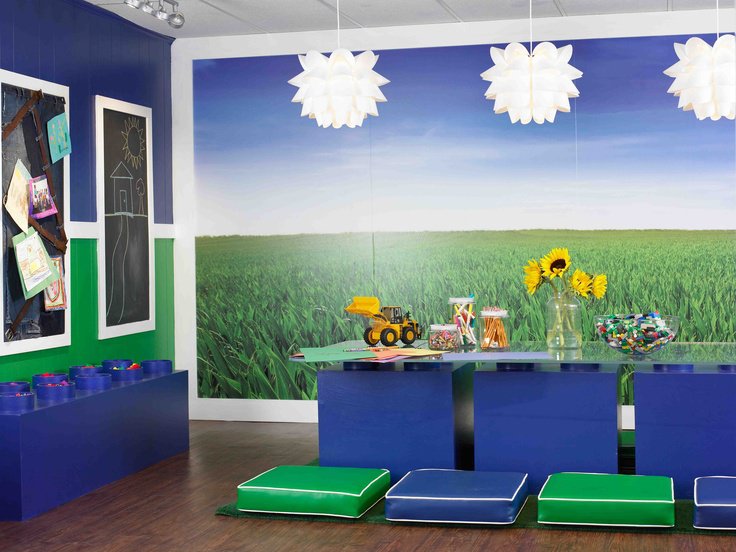
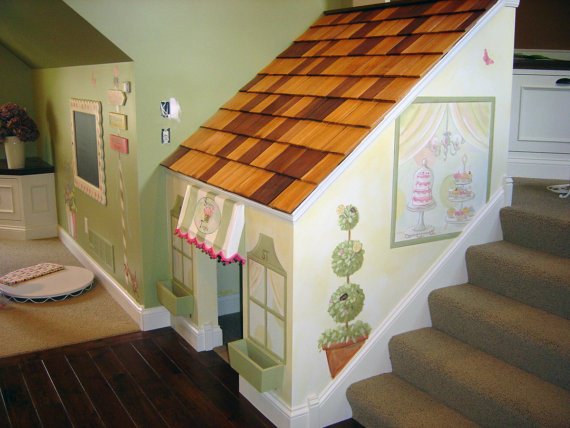
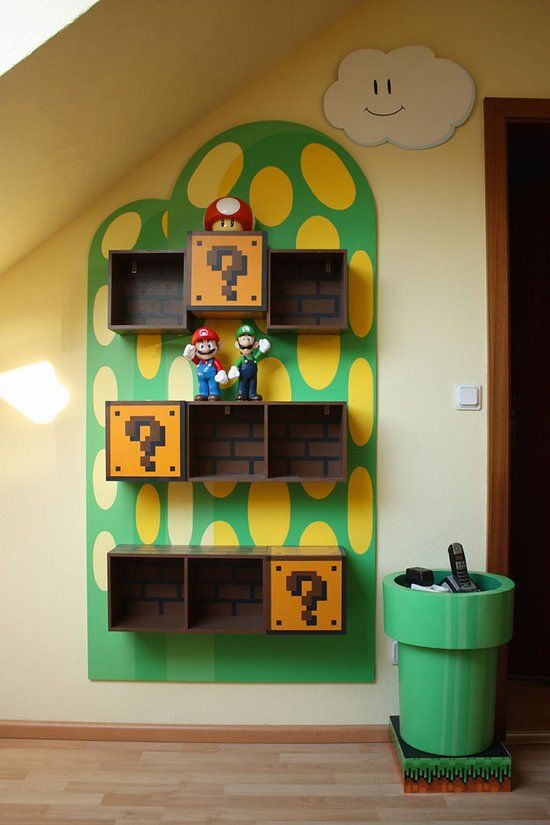
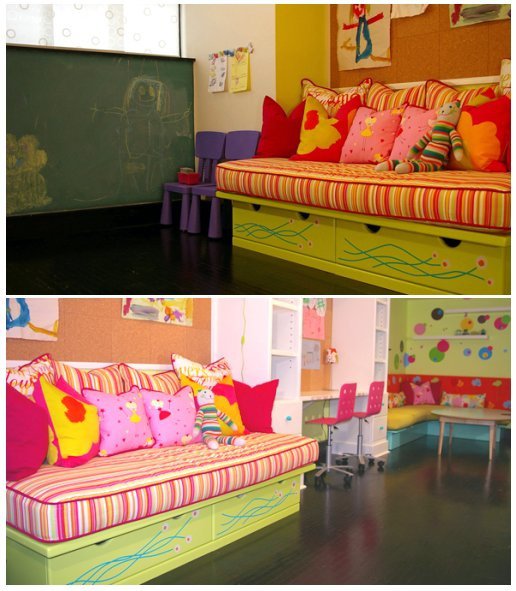
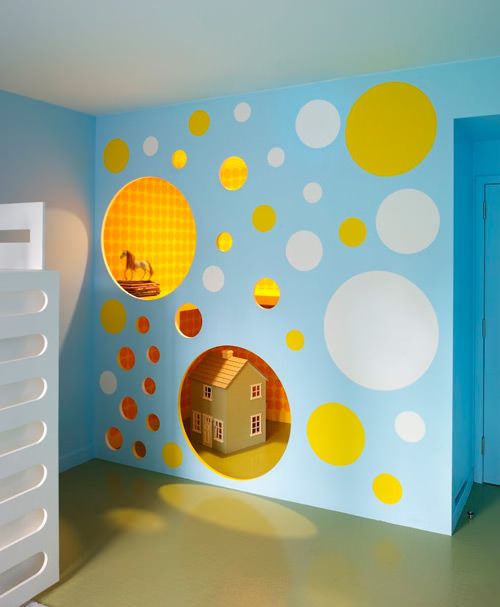
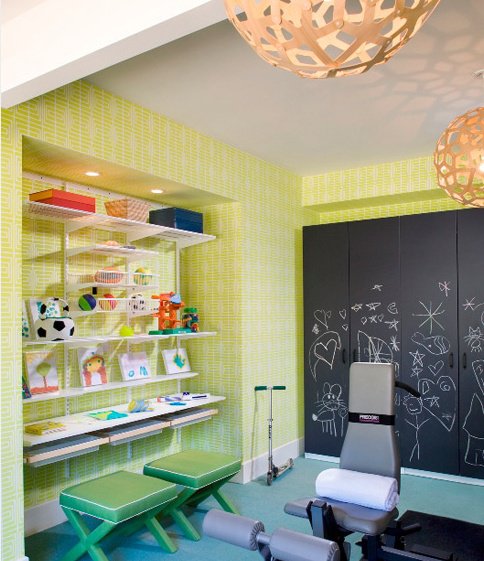
Use color to define zones without committing to a full thematic mural that will age out in two years. Rugs, bins, and one accent wall update easily. Chalkboard or whiteboard walls remain strong creativity tools; mount them at reachable height and keep dust and markers away from toddlers who still taste everything. Prefer washable finishes wherever little hands lean. A room that cleans in ten minutes will be used more than a room that looks perfect in photos and terrifying after snack time.
Storage kids will actually use
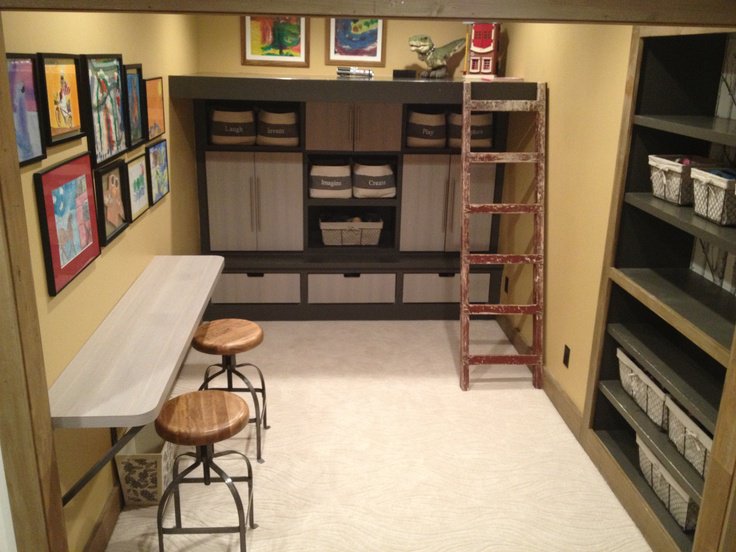
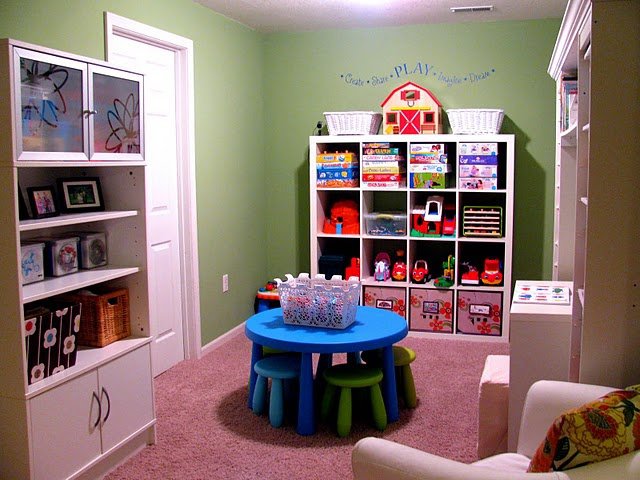
Open bins at kid height beat opaque adult systems they ignore. Label with words and pictures. Rotate toys so the floor does not permanently host everything you own. Give each child a personal cubby when sibling peace requires it. Sports gear, dress-up, and craft paper each need a home or they migrate into the mechanical closet. If cleanup requires adult strength or a step stool, it will not happen without a fight.
Long-wall built-ins maximize floor area. Rolling carts move art supplies to the table and back. A lockable cabinet for messy paints, small beads, and sharp tools keeps younger siblings safer while older kids still create. End-of-day reset works better when every category already has a labeled landing spot. Consider a “donate or attic” box that leaves the room monthly so the playroom does not become a museum of forgotten hobbies.
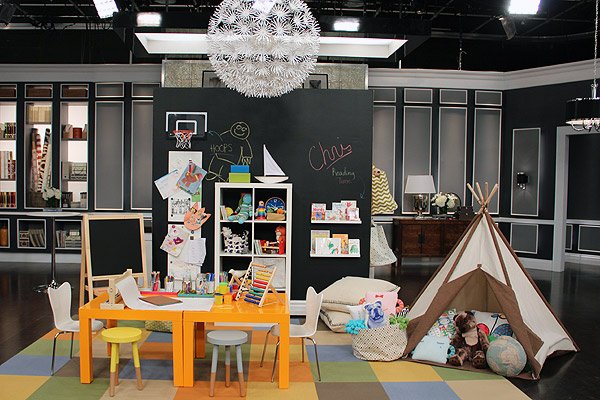
Furniture and finishes that survive play
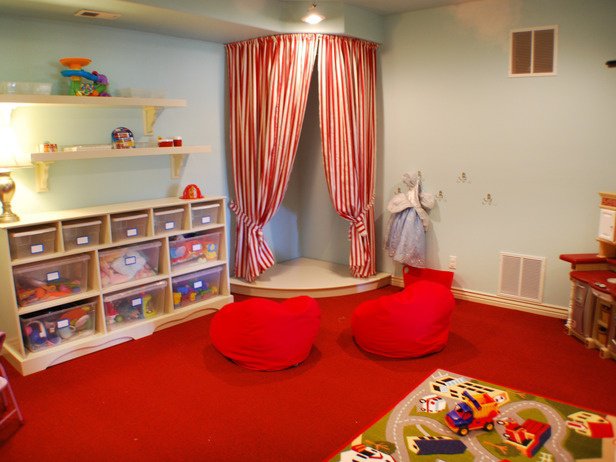
Choose wipeable sofas, performance fabrics, and rugs you can clean or replace without grief. Soft floor tiles or dense carpet over pad help knees and sound control—useful when the playroom sits under living spaces. Avoid glass-top tables and tippy bookcases; anchor tall furniture to studs. Beanbags and floor cushions are welcome until they block the stair path, so teach a reset habit before dinner. Comfort should never erase the exit route.
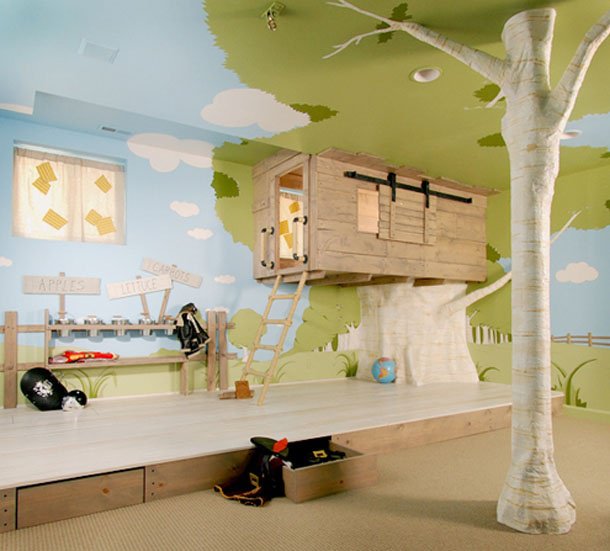
If you include a media wall, set volume norms early and keep controllers in a known bin. A small stage, puppet theater, or dress-up mirror can turn the basement into a creativity lab without expensive themed construction. Keep pathways wide enough for two kids carrying projects so the room does not become a collision course. Furniture that folds or stacks earns its place in a multi-age household.
Ideas that scale as kids grow
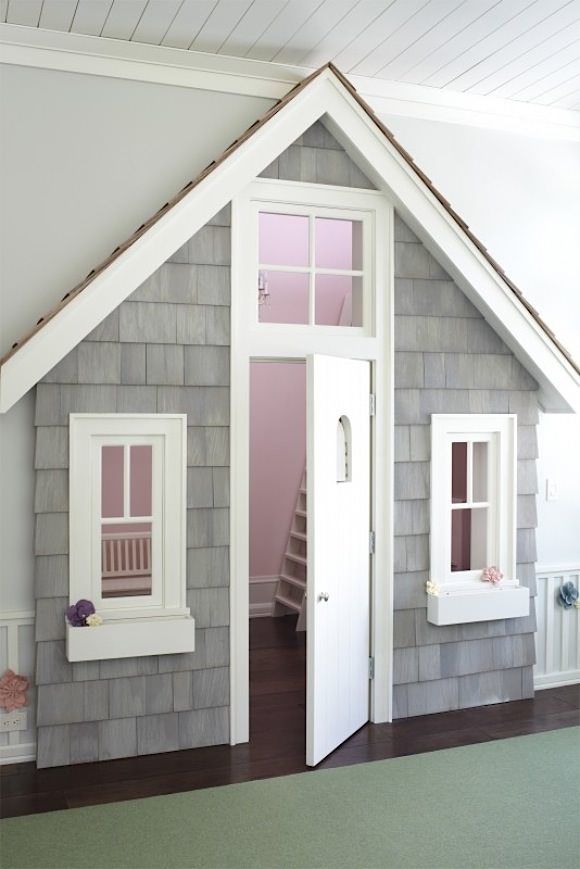
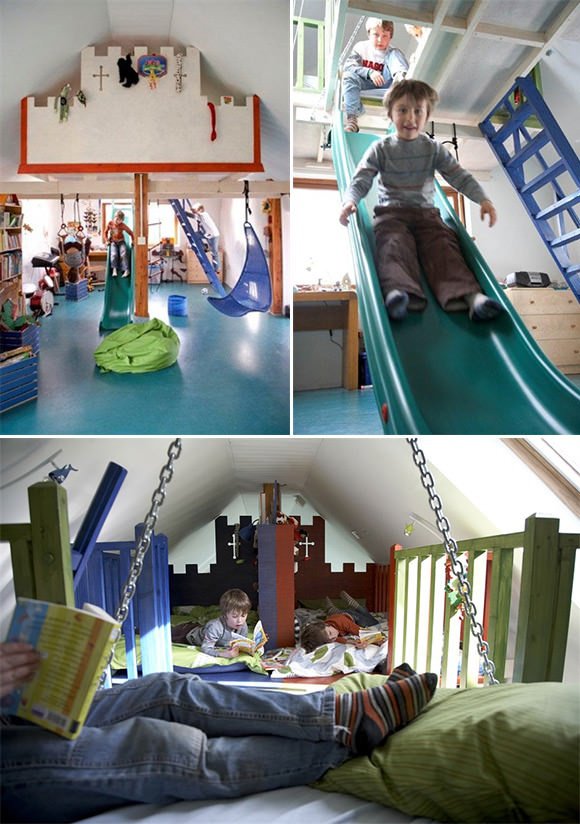
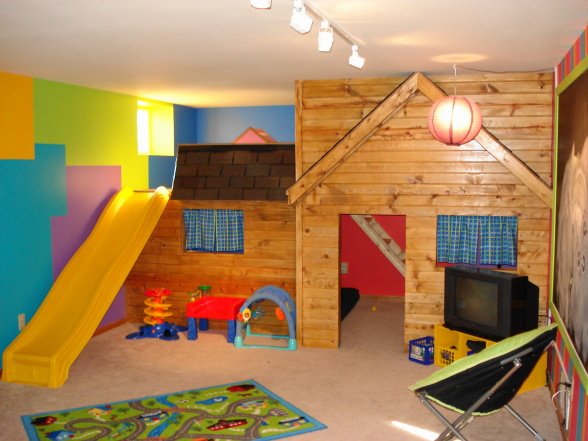
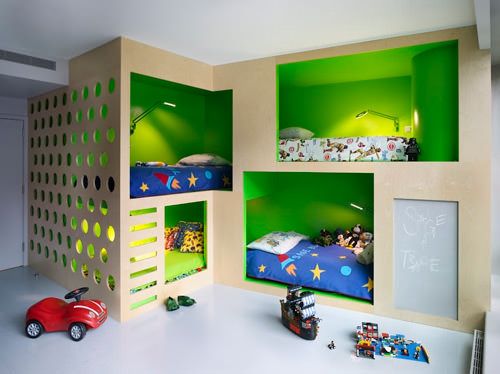
Toddlers need soft floors, enclosed play, and locked hazards. Elementary kids want building space, crafts, and friends over. Teens may convert part of the room into a hangout with better seating and less primary-color chaos. Plan lighting and storage so the room can evolve without a full gut remodel. A craft wall with pegboard, a building table with lids, or a reading loft with safe railings and code-aware construction can serve several ages if the infrastructure stays simple.
Budget for change. Buy fewer permanent theme pieces and more flexible surfaces: a big table, good light, bins that can hold trains today and board games later. The playroom that lasts is the one that can shed yesterday’s obsession without a contractor. Leave one wall or corner intentionally unfinished in spirit—ready for the next hobby—so the room never feels frozen in a single birthday theme.
Before the first playdate
Walk the room like an inspector, not a decorator. Is the air dry enough for a three-hour visit? Can everyone reach the stairs without climbing over a fort? Are tall shelves anchored, outlets covered, and chemicals locked? Does the lighting make faces readable for homework and games? Are trampolines, swings, and climbers installed to the same standard you would demand outdoors? Can a visiting adult understand the house rules in thirty seconds?
When those answers are yes, invite the chaos. Chalkboard walls, labeled bins, and an open floor will carry more creativity than any single themed mural. Give kids a basement kingdom, but make the kingdom’s foundation boringly safe—then let the play get interesting.

Comments
Continue reading
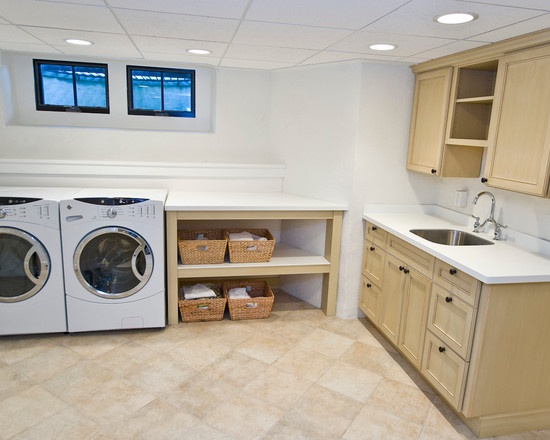
Basement Laundry Remodel Ideas
Practical basement laundry layouts, storage, surfaces, and budget-friendly upgrades that make wash day easier downstairs.
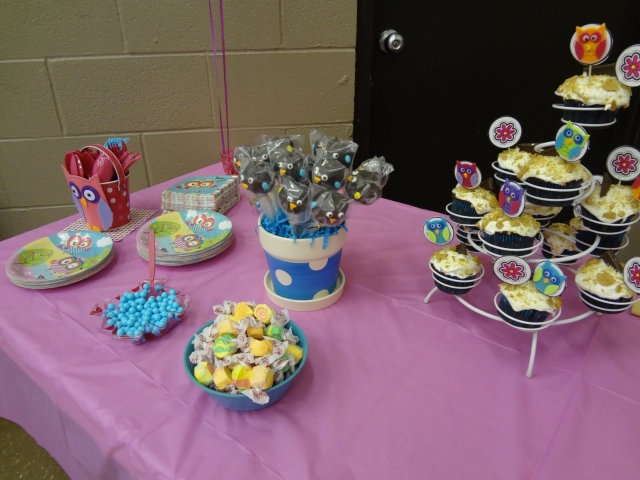
19 Kids Birthday Party Theme Ideas: From Owls to Robots
Nineteen kids’ birthday party themes—owl, spa, camping, Lego, mad science, rainbow, train, monster, and more—with practical tips for décor, crafts, and cake.
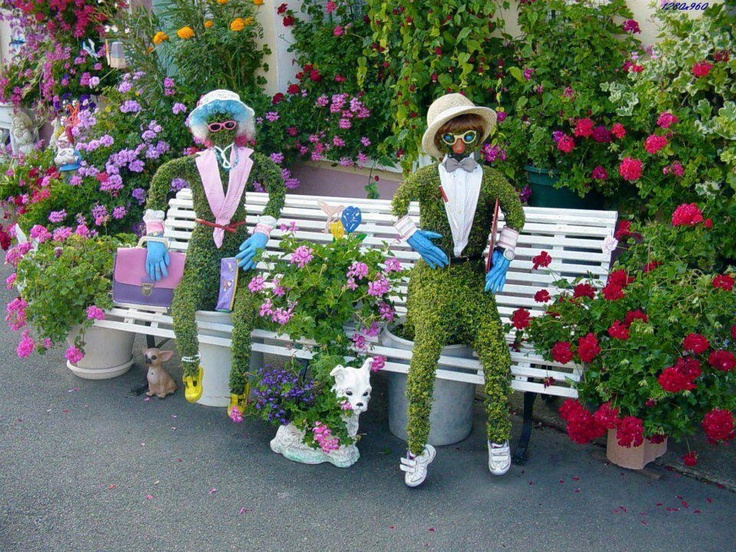
Garden Decoration Beyond Beds: Lace, Mosaiculture, and Upcycled Yard Art
From dressed topiary and floral cyclists to license-plate dragonflies and lace between trees—garden decorations that give a yard a voice.