
Escape Into Lissy Elle Laricchia’s Fantasy Photographs
Canadian photographer Lissy Elle Laricchia stages fairy-tale, Alice-inspired worlds where wonder becomes a brief, deliberate escape from ordinary life.
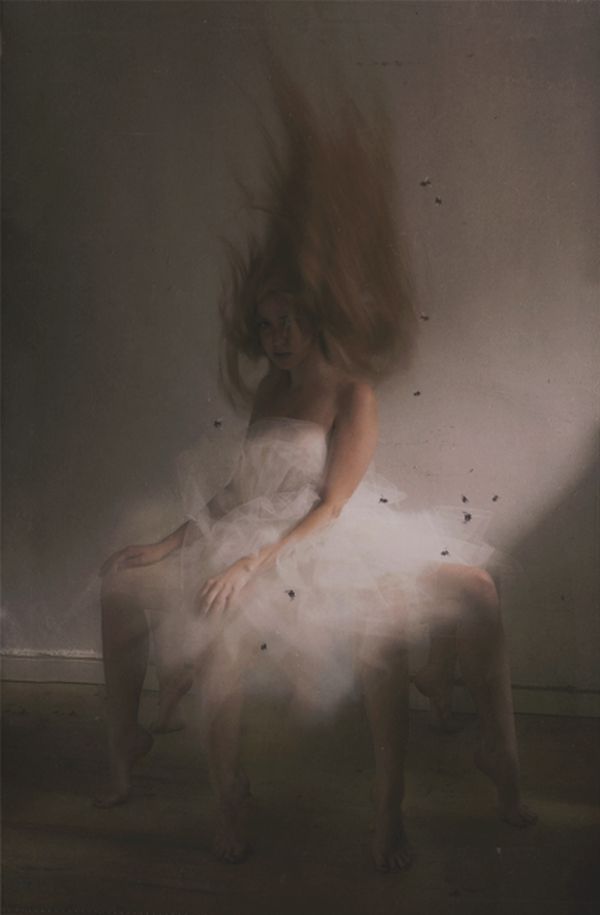
Lissy Elle Laricchia builds photographs the way some people build daydreams: on purpose, with props, weather, and a stubborn refusal to grow fully “sensible.” Born in rural Canada and, in the early 2010s when this gallery first circulated, still a very young photographer, she became known for fantastical fine-art images inspired by Alice in Wonderland, fairy tales, surrealism, and magical worlds. The work invites escape—not as denial of life, but as a brief return to wonder.
Her full name matters. Online roundups sometimes shortened her to a brand-like nickname; the person behind the pictures is Lissy Elle Laricchia. She has described discovering photography in adolescence as an escape from the trials of growing up and an excuse to keep going: rearrange a room, walk into abandoned places, invent a ballet of apples and fabric, forge a place in the world through art. That origin story shows in the frames. They feel handmade from longing and play rather than from trend checklists.
Wonder as method, not decoration
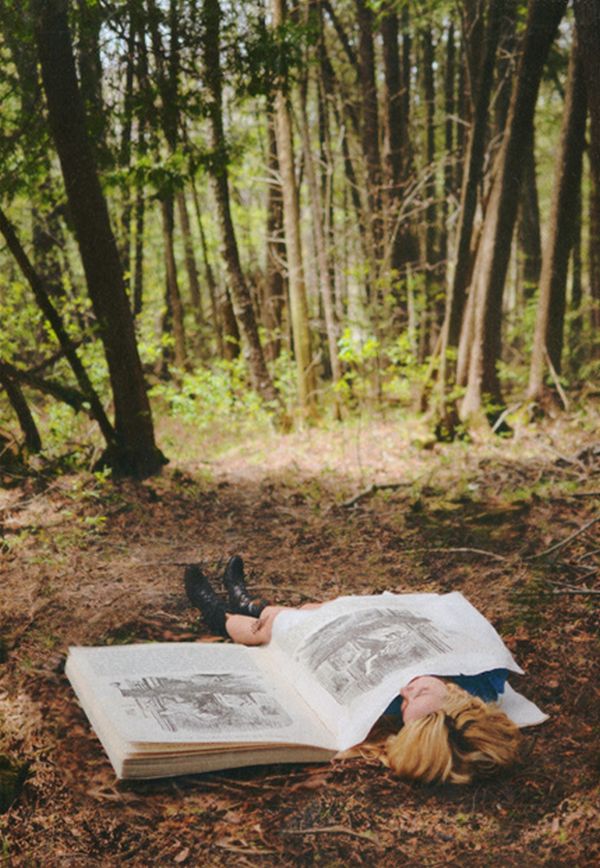
Plenty of “fantasy photography” piles on costume until the image becomes a cosplay catalog. Lissy Elle’s better pictures do something quieter. They treat childhood curiosity as a serious artistic stance. Fairy-tale references—rabbit holes, storybook characters, floating figures, woods that behave like characters—arrive as emotional architecture. The goal is less to illustrate a known plot than to reopen the feeling of being inside a story before adulthood taught you to close the book.
She has spoken about wanting people to retreat from the world and feel like a kid again, even for a moment: tiny little escapes. That phrase fits this gallery. The escapes are visual, temporary, and generous. You are not asked to decode a private diary. You are asked to remember how it felt when imagination was still a primary technology for surviving ordinary days. In an era that often treats whimsy as disposable content, her sincerity is a craft decision.
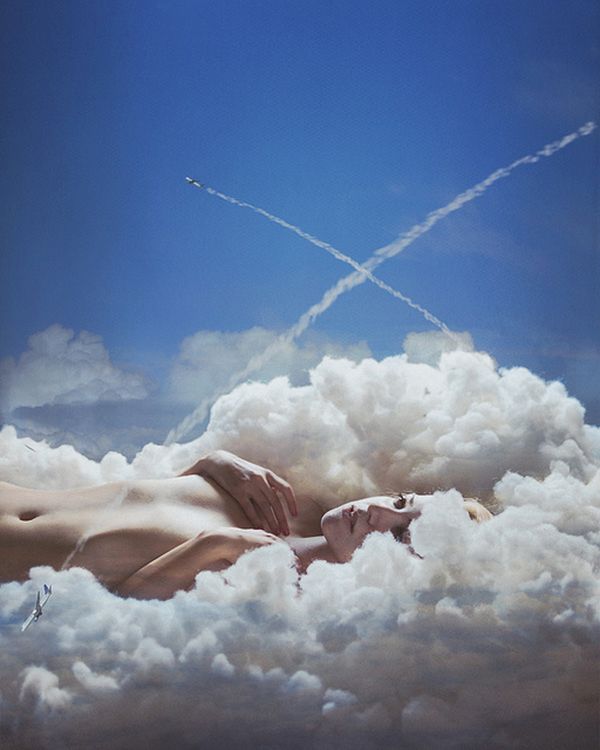
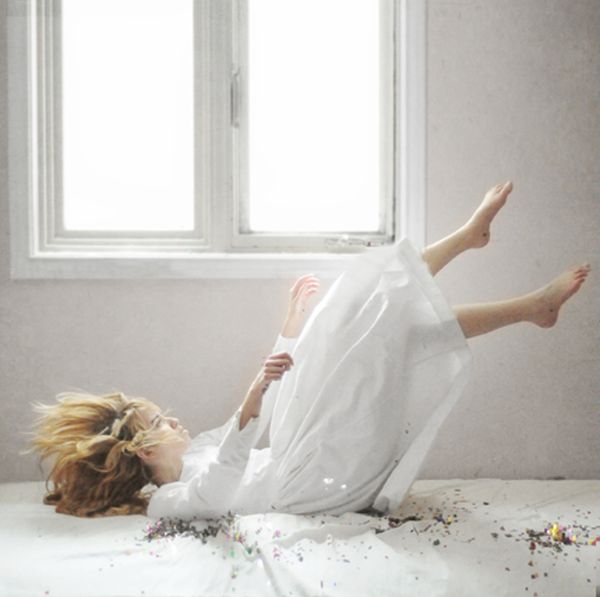
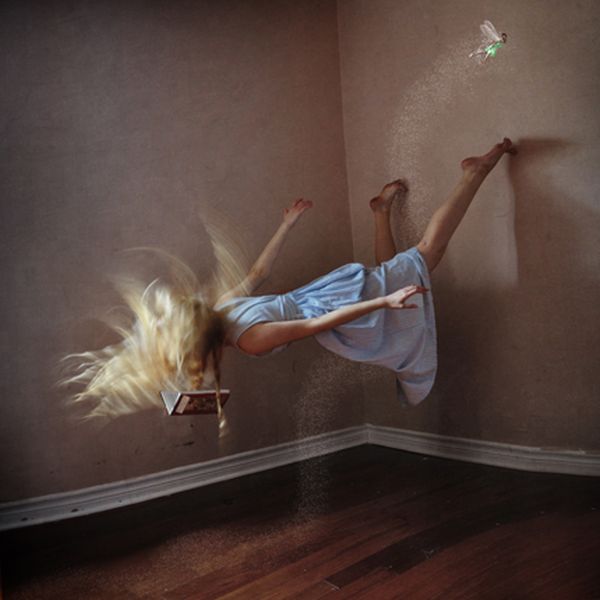
Alice in Wonderland is an especially useful key. Carroll’s story is already about scale, nonsense logic, and the porous border between waking and dream. Lissy Elle’s images often keep that porousness: bodies that float, rooms that tilt toward fiction, outdoor light that behaves like storybook weather. Surrealism here is soft-edged. It does not rely on shock collage. It relies on belief—yours and hers—that a photograph can host a second reality for a few seconds at a time. Soft surrealism is harder than it looks because it must stay tender without becoming syrupy.
Fairy tales, in her use of them, are not nostalgia props alone. They are tools for resizing fear and desire. A dragon becomes playable. A forest becomes a confidant. A floating body becomes a sentence about freedom or vulnerability, depending on the surrounding air. The fantasy is a translation layer between big feelings and shareable pictures.
Staging, self, and the rural-to-fantasy pipeline
Context helps. Growing up between cornfield and forest, as she has described her Canadian beginnings, gives the woodland and open-air frames a lived texture. Long walks and daydreaming are not marketing copy; they are source material. When later careers took her toward New York freelance work and wider exhibition, the early viral images still carried that rural-myth atmosphere: not polished city fantasy, but homemade enchantment. Homemade does not mean careless. It means the magic looks assembled by hands that care.
Many of her series treat literature as a physical force—characters pulled back into books, figures suspended between page and world. Even when this particular set does not spell out a titled series, the same grammar appears: narrative props, suspended motion, soft drama, a face or body caught mid-wonder. The photograph becomes a doorway. You do not need the caption to feel the hinge. Doorways are her specialty—thresholds where ordinary air thins and story air begins.
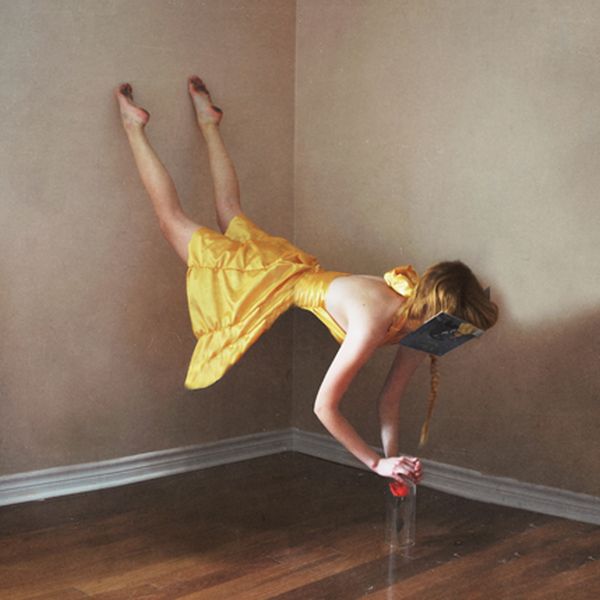
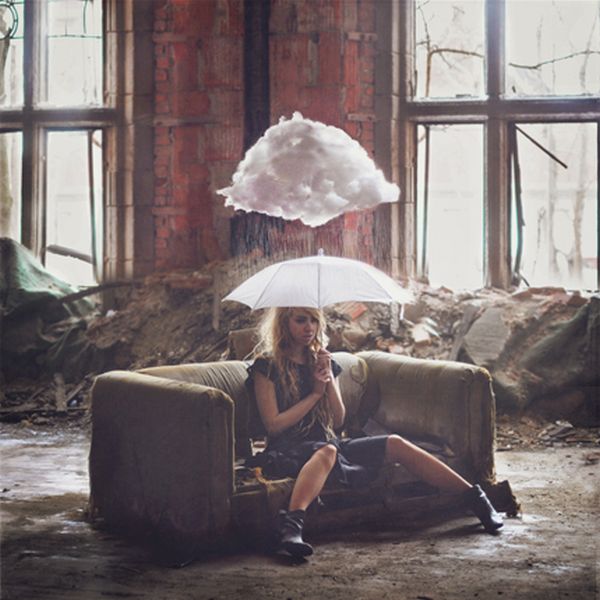
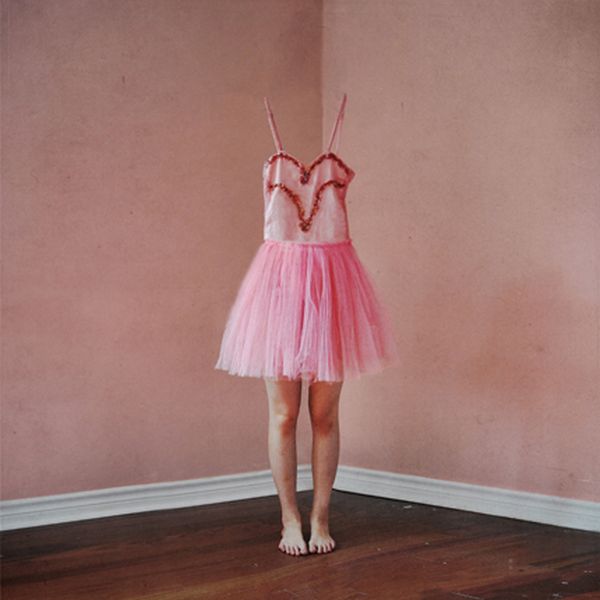
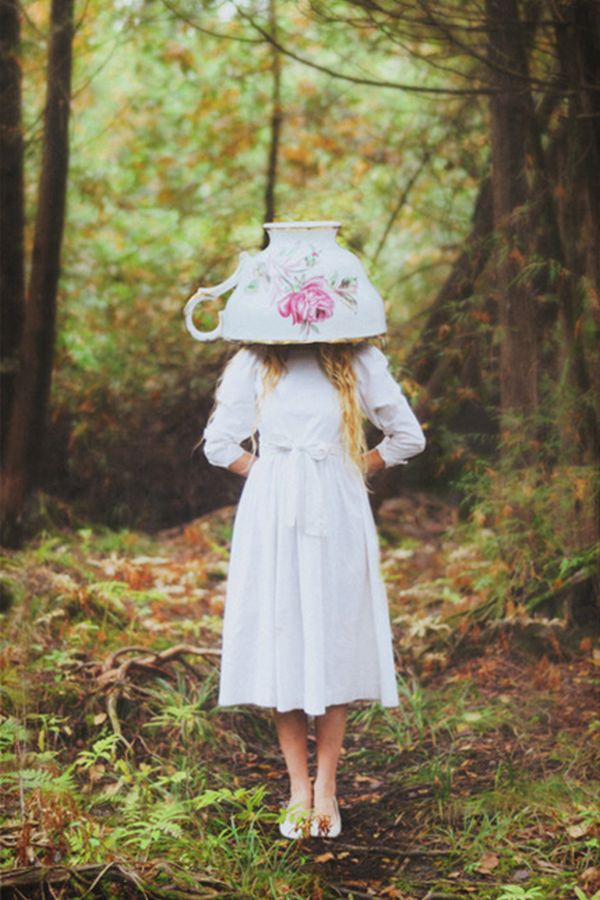
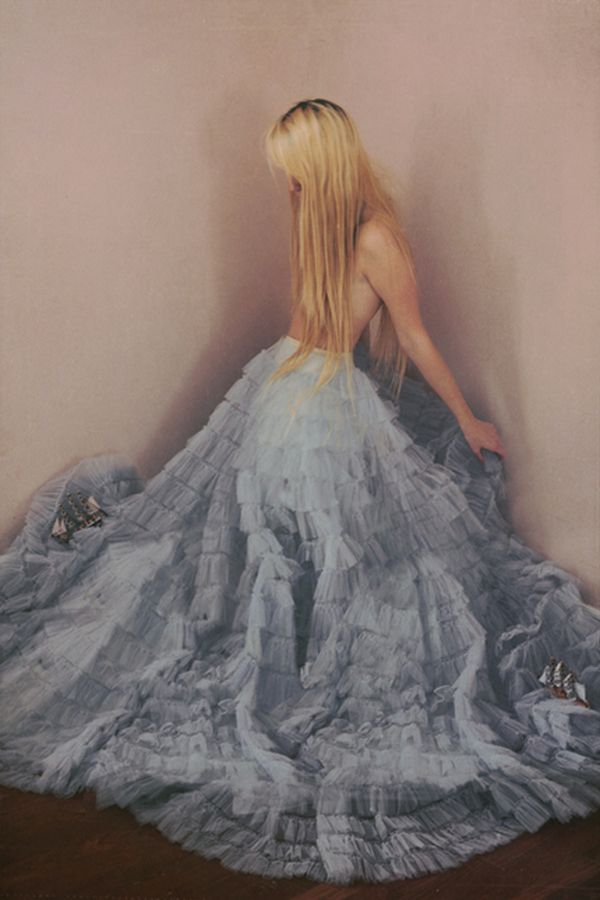
Technically, the pictures balance staging and atmosphere. Costume and prop matter, but so do color temperature, depth of field, and the decision to let a gesture remain slightly unfinished. Over-explained fantasy dies on contact. Lissy Elle’s stronger frames leave a question open: is the figure arriving or leaving? Is the magic protective or dangerous? Is the escape a holiday or a necessity? That ambiguity keeps the work from becoming greeting-card whimsy. Ambiguity, handled gently, is respect for the viewer’s imagination.
Self-portraiture and directed portraiture both appear across her wider practice. Whether or not a given frame is of the artist herself, the sensibility is consistent: the subject is less a model for fashion and more a protagonist for a miniature myth. Clothing, hair, and posture serve plot. They are not merely aesthetic upgrades to a blank figure.
Why these images still travel
In 2012, when this page appeared, the internet was especially hungry for photographic personality—young makers with clear visual signatures circulating on blogs, Flickr, and share culture. Lissy Elle’s signature was wonder with craft. The images looked shareable and also serious enough to hang. That double life—scroll-friendly surface, gallery-capable construction—helped her fantasy world travel far beyond a single feature.
What holds up is not novelty alone. Trends in floating figures and fairy-tale cosplay come and go. What remains is the sincerity of the invitation. She has said she wakes up wanting the curiosity of a small child because wasting that capacity feels like wasting life. Read against that intention, the photographs are less about looking “magical” and more about rehearsing a way of seeing. Escape, in this sense, is practice: a temporary exit that refreshes your ability to notice beauty when you return.
There is also a quiet toughness under the tulle and woodland light. Adolescence is not only sparkle; it is pressure, comparison, and the fear of becoming someone you do not recognize. Fantasy, for Lissy Elle, has been a way to stay intact. Viewers who feel that undertone tend to stay longer with the images. They are not only consuming cute surrealism; they are recognizing a survival strategy dressed as play.
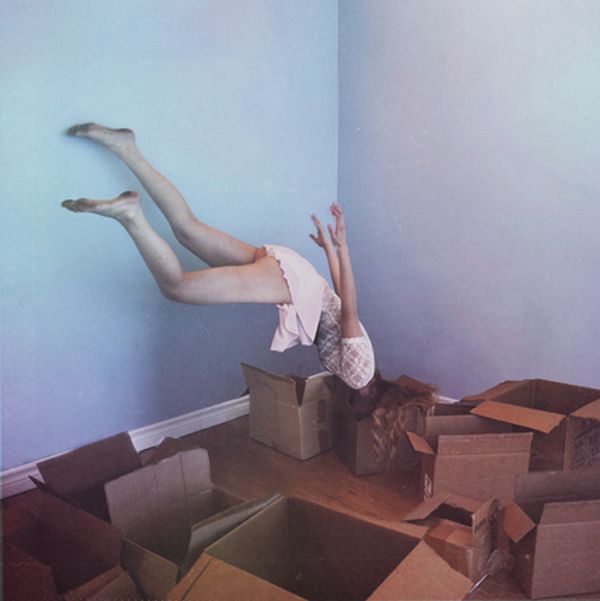
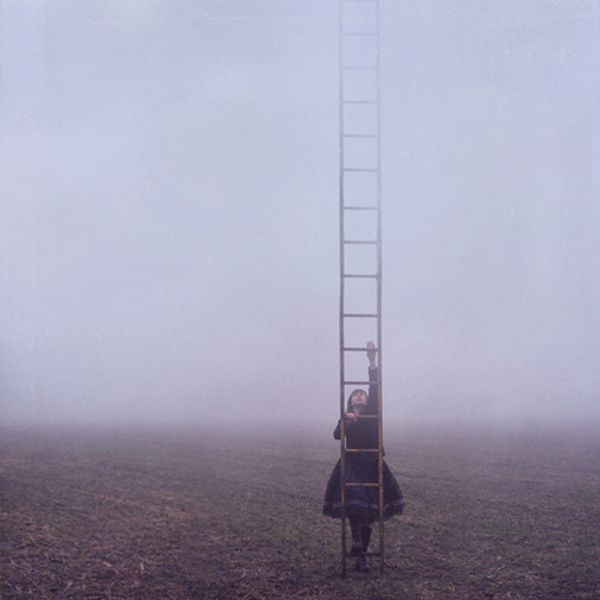
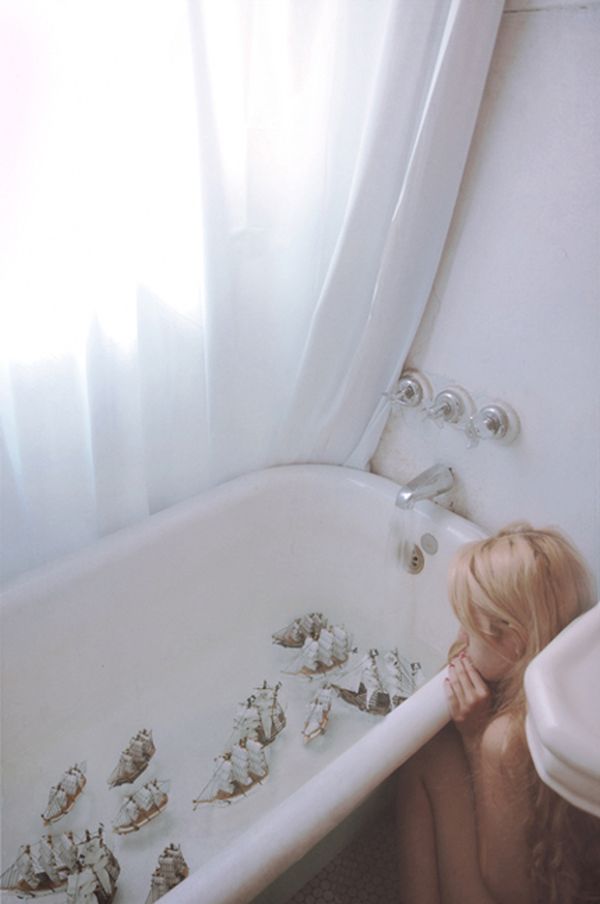
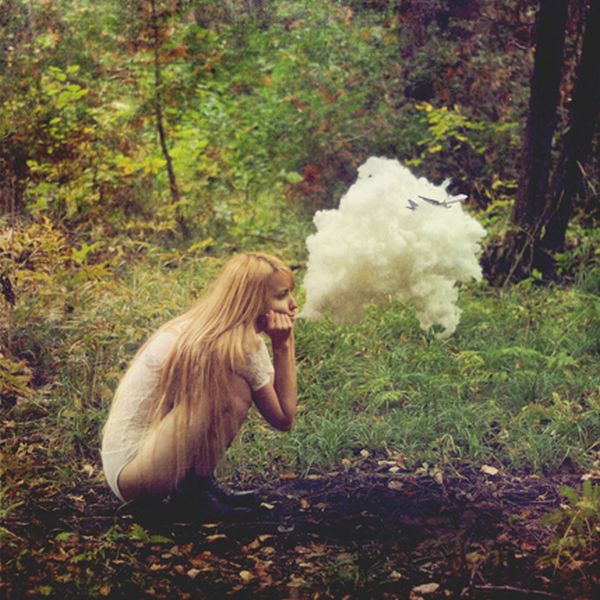
Compare her approach with harder digital surrealism that leans on glitch, horror, or glossy impossibility. Lissy Elle stays near visual storybook logic: clear figures, readable emotion, environments that feel entered rather than pasted. The surreal arrives as weather and physics bent by narrative need. That keeps the work accessible to viewers who do not follow fine-art photography and still interesting to those who do. Accessibility is not the enemy of depth when the feeling underneath is specific.
A way through the gallery
Move slowly. For each image, ask three questions before inventing a full plot:
- What emotion sits in the figure’s posture—curiosity, fear, delight, defiance, loneliness?
- Where does the “real” world end and the fairy-tale rule begin?
- If this were a page from a book you loved at twelve, what chapter mood would it belong to?
Those questions keep you from treating the set as interchangeable wallpaper. Lissy Elle’s fantasy world rewards attention to gesture and threshold. One frame may be pure play; the next may carry the ache that made play necessary. Both belong. If you photograph yourself, notice how often she uses the body as punctuation—an exclamation of lift, a comma of pause, a question mark of turned face.
When you leave the page, notice what follows you. Is it a color? A floating motion? A woodland edge? Escapes that work do not demand you live inside them. They change the aperture of ordinary sight for an hour. In that sense, Lissy Elle Laricchia’s photographs keep doing the job they were made for: briefly, sincerely, they hand you back a child’s permission to look at the world as if it might still surprise you. What would you invent if you trusted that permission for one afternoon?

Comments
Continue reading

Dramatic Photo Art by Sukron Ma’mun (Ipoenk Graphic)
Cirebon, Indonesia photographer Sukron Ma’mun uses theatrical natural light to frame village life, play, and place in lyrical photo art.

Bird’s-Eye Views: Florian Beaudenon’s Instant Life
Paris photographer Florian Beaudenon’s Instant Life series captures people in their rooms from above—intimate, collaborative overhead portraits of everyday joy.
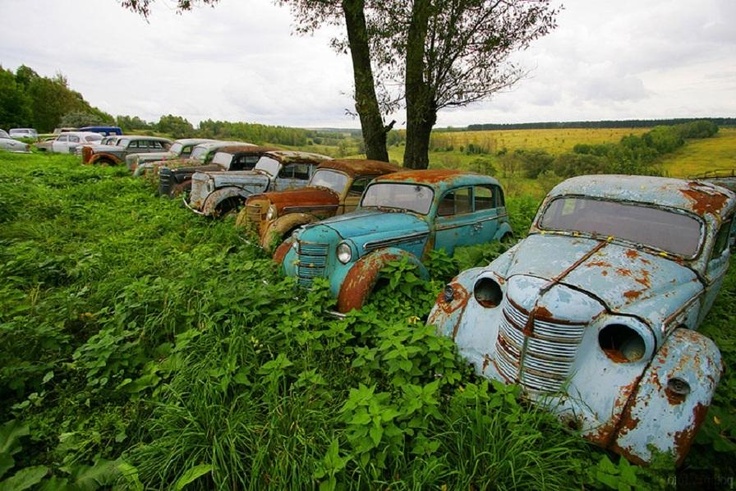
Abandoned Cars Reclaimed by Nature: Rust, Growth, and Quiet Ruin
When neglected vehicles are left outdoors long enough, rust, moss, and trees rewrite them into strange still lifes—sad, photogenic, and slowly returning to the ground.