
Drew Barrymore on the Cover of Lucky Magazine, May 2013
Peggy Sirota’s Lucky US May 2013 cover shoot and the interview themes of the moment—motherhood, Flower Beauty, and wearable style.
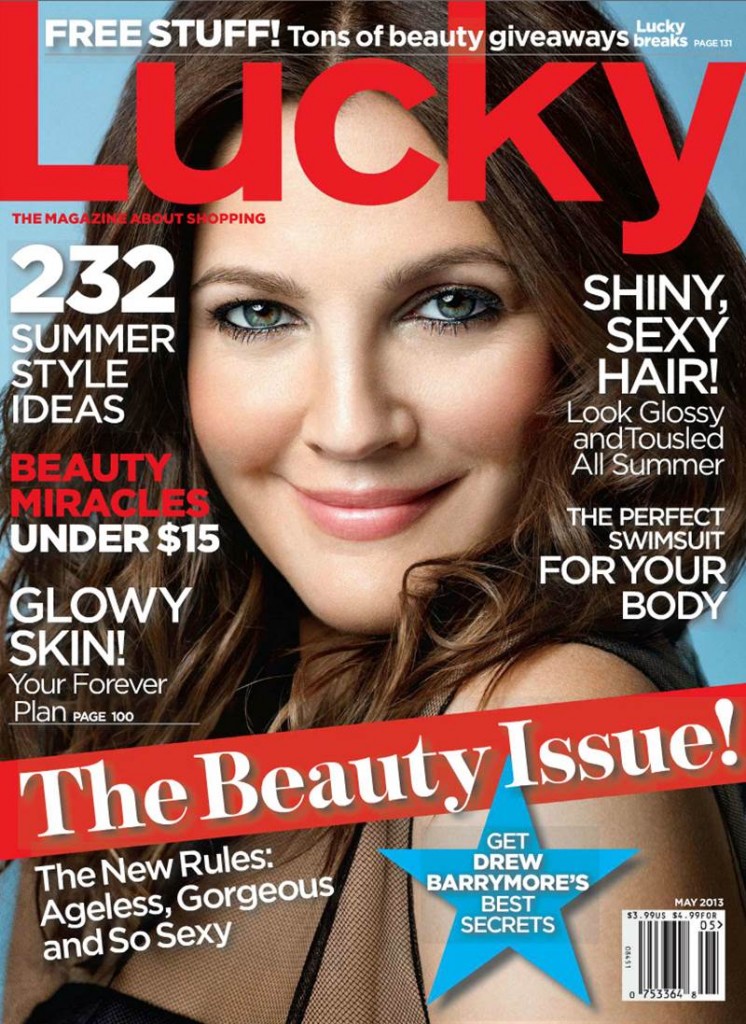
In May 2013, American actress Drew Barrymore appeared on the cover of Lucky magazine’s U.S. edition—a fashion-and-shopping title that, at the time, specialized in wearable style rather than distant haute couture fantasy. The issue arrived as Barrymore was widely discussed not only as a film star but as a new mother and an entrepreneur building Flower Beauty, her cosmetics line aimed at department-store quality at a more accessible price. The Lucky cover and editorial captured that moment: bright, approachable, and styled for a magazine whose readers wanted clothes and beauty they could actually imagine wearing.
What follows stays inside that May 2013 frame—the shoot, the interview themes that circulated with it, and how the pictures fit Barrymore’s public image then—not later career chapters or current gossip.
Lucky Magazine in 2013
Lucky occupied a particular niche in American fashion media. It mixed celebrity covers with shopping pages, trend reports, and beauty advice aimed at readers who treated magazines as practical style companions. A May cover was a high-visibility slot for spring and early summer fashion—lighter fabrics, brighter color stories, and beauty looks that photographed cleanly on newsstands.
Casting Barrymore made editorial sense. She had long balanced Hollywood visibility with a down-to-earth persona that fashion magazines liked to contrast with more remote red-carpet glamour. In spring 2013, that persona overlapped with motherhood and brand-building, giving the issue a human angle beyond clothes alone.
The cover shoot: photographer and mood
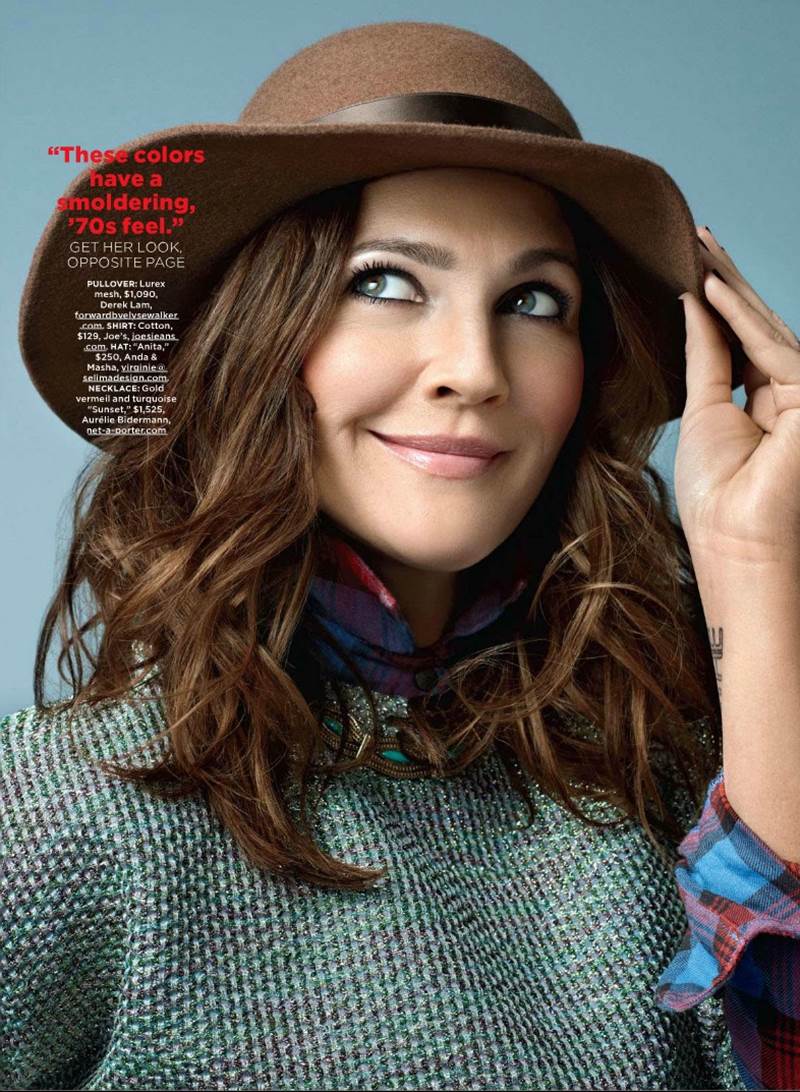
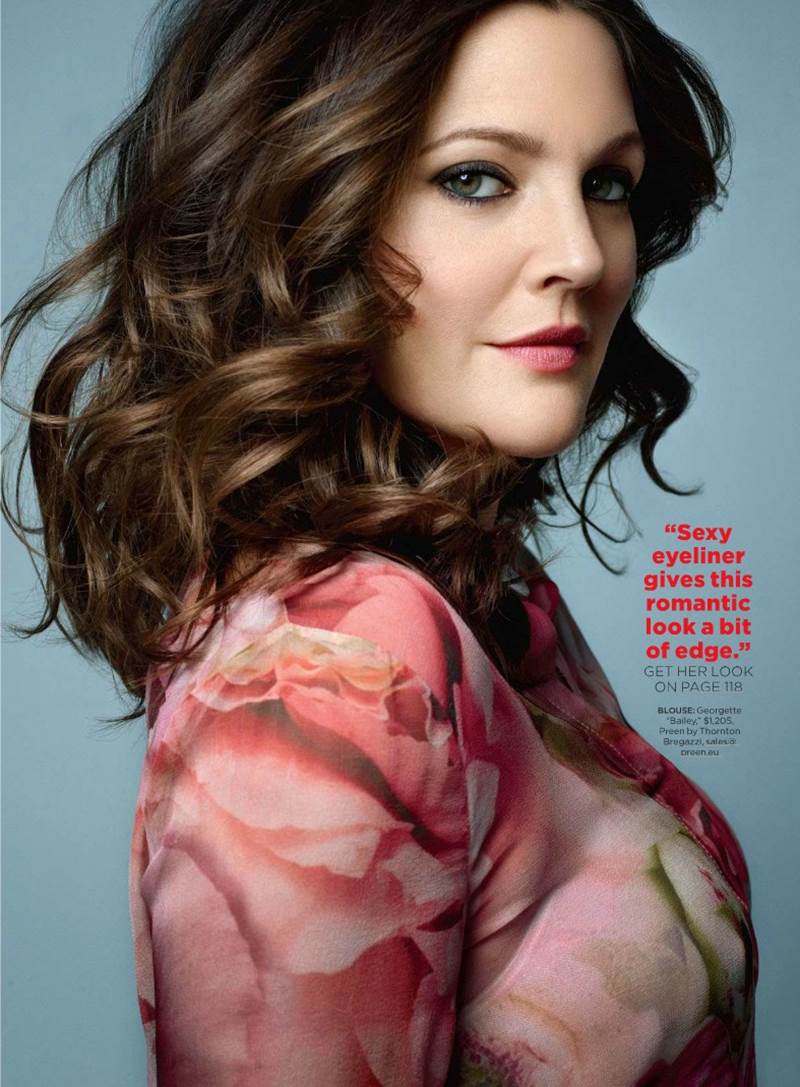
The May 2013 Lucky images were photographed by Peggy Sirota, known for celebrity portraiture that often feels playful rather than stiff. The published frames from the Barrymore sitting lean into warmth: soft light, flirty but not severe styling, and expressions that match the “happy glow” tone many fashion blogs noted when the cover first circulated online in April ahead of the issue’s wider availability.
Behind-the-scenes clips and stills shared at the time showed Barrymore engaging with clothes and makeup on set in a loose, collaborative way—less frozen statue, more energetic cover star. That energy mattered for Lucky’s brand. The magazine sold aspiration that still felt friendly; a rigid, icy portrait would have fought the editorial voice.
On the page, the looks read fun and feminine without tipping into costume. Hair and makeup supported an open, camera-ready face rather than heavy editorial artifice. For a shopping magazine, that clarity helps readers connect the celebrity image to products and trends featured elsewhere in the issue.
What the interview emphasized
Coverage around the May 2013 issue highlighted several recurring themes from Barrymore’s conversation with Lucky. She spoke about the transition into motherhood and the practical reality of balancing work with a new family rhythm. She discussed building Flower Beauty—developed while she was pregnant—and her aim to offer strong cosmetics quality through a mass retailer rather than only prestige counters.
She also framed ambition with a note of realism that many outlets quoted: the idea that you cannot do everything at once, that something may “fall off the table,” and that letting go can create room to do a few things well. In a magazine culture that often sold the myth of effortless multitasking, that line stood out as candid rather than branded perfection.
On fashion spending, she described a preference for investing in denim—names such as Rag & Bone and Current/Elliott came up in contemporaneous write-ups—paired with simple tops and a blazer, rather than chasing every luxury category. That detail fit Lucky’s shopping DNA: specific brands, wearable combinations, and a celebrity who still sounded like someone who gets dressed in ordinary clothes between events.
Beauty comments attached to the same period leaned personal. Barrymore had long worked with makeup on film sets and spoke about loving the creative side of cosmetics. The Flower Beauty launch gave those comments a business context: experience meeting a product line designed for a broad audience.
Why the images circulated widely
Fashion blogs and photo aggregators moved quickly on the Barrymore Lucky sitting. Cover “first looks” and full spreads were shared as soon as embargoes lifted, which was normal for major U.S. monthlies. Barrymore’s familiarity—decades in public view since childhood roles, then romantic comedies and producing—meant the images needed little introduction for casual readers.
The timing also helped. Spring 2013 placed the cover near conversations about her cosmetics brand and her evolving public role as a parent and founder. Magazines thrive on that overlap: a recognizable face, a seasonal wardrobe story, and a few quotable lines about life beyond the red carpet.
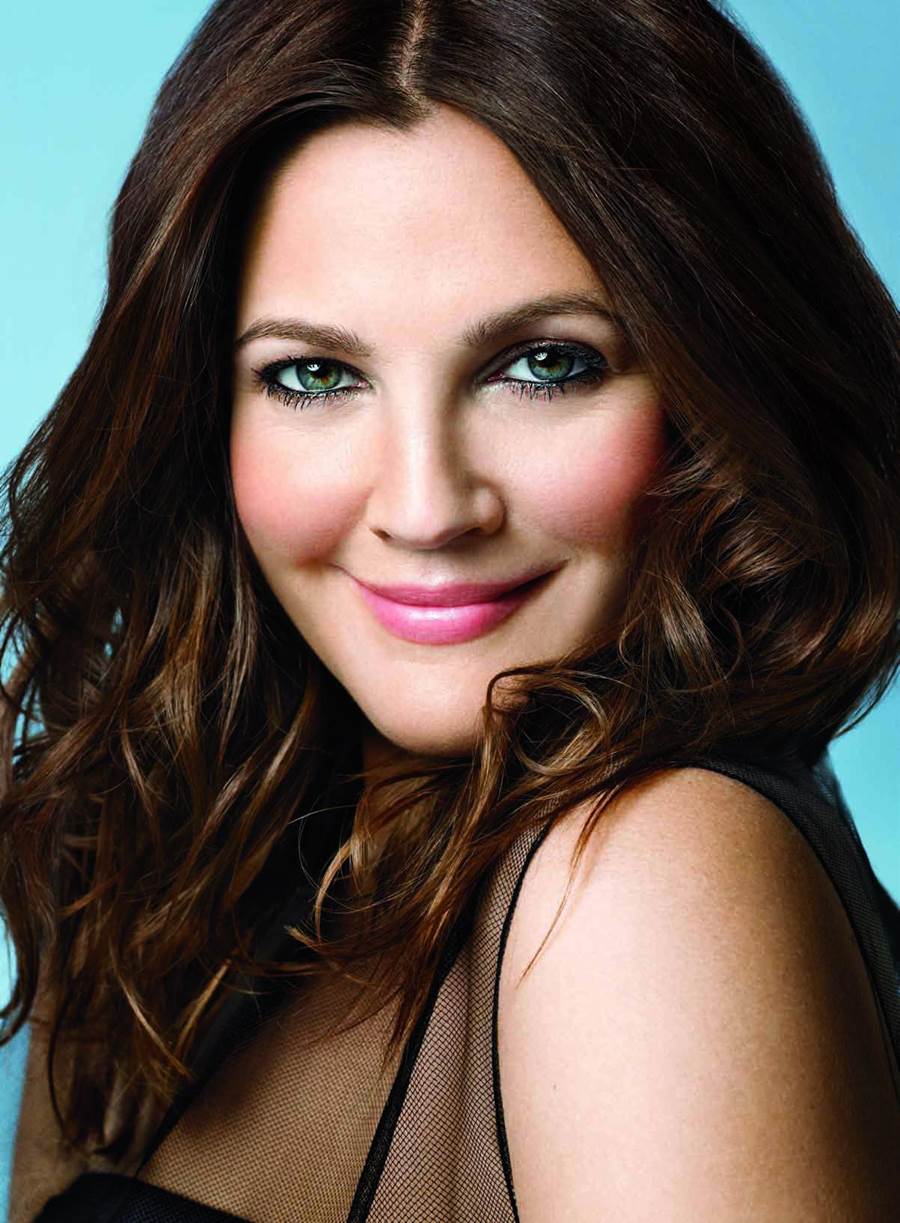
Visually, the spread offered variety within one personality—different outfits and poses that still felt like the same person. That makes a gallery easy to browse and a cover easy to remember on a crowded newsstand rack.
Reading the editorial as a time capsule
Seen from later years, magazine covers can blur into a continuous feed of celebrity images. The May 2013 Lucky feature is more useful if you keep its date attached. Flower Beauty was newly part of her public story. Lucky still operated as a print shopping bible in a media landscape that was already shifting toward digital, but the physical issue still mattered for fashion advertising and newsstand culture.
The photographs document a specific styling language of that season—colors, cuts, and beauty finishes that read as early-2010s magazine fashion rather than timeless museum dress. That is part of their interest. They are not generic “Drew Barrymore photos”; they are Drew Barrymore as Lucky cast her for May 2013.
For anyone revisiting the spread now, the most honest approach is the same one a careful reader would have used then: look at the clothes and light, notice the interview themes the magazine chose to highlight, and leave later headlines out of the frame. The cover was never meant to summarize a whole career. It was meant to sell a spring issue—and to present Barrymore, at that moment, as warm, stylish, and newly stretched across family and brand work.
If you linger on one quality in these pictures, make it the ease. Peggy Sirota’s camera caught a star who looks game for the clothes and comfortable being seen—exactly the tone Lucky wanted on a May cover in 2013.

Comments
Continue reading
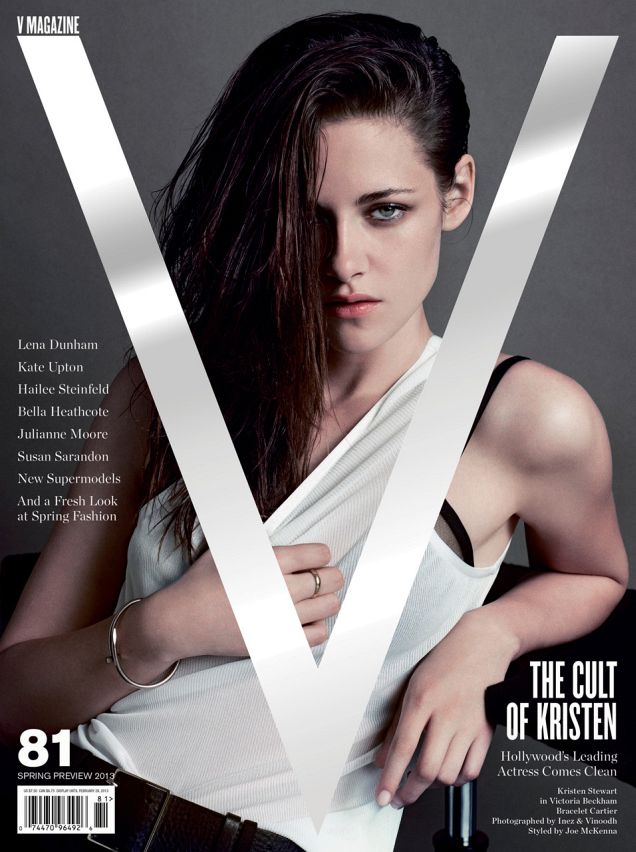
Kristen Stewart for V Magazine, Spring Preview 2013
V81’s Wild at Heart cover story—Kristen Stewart shot by Inez & Vinoodh, styled by Joe McKenna, in pale minimal spring glamour.
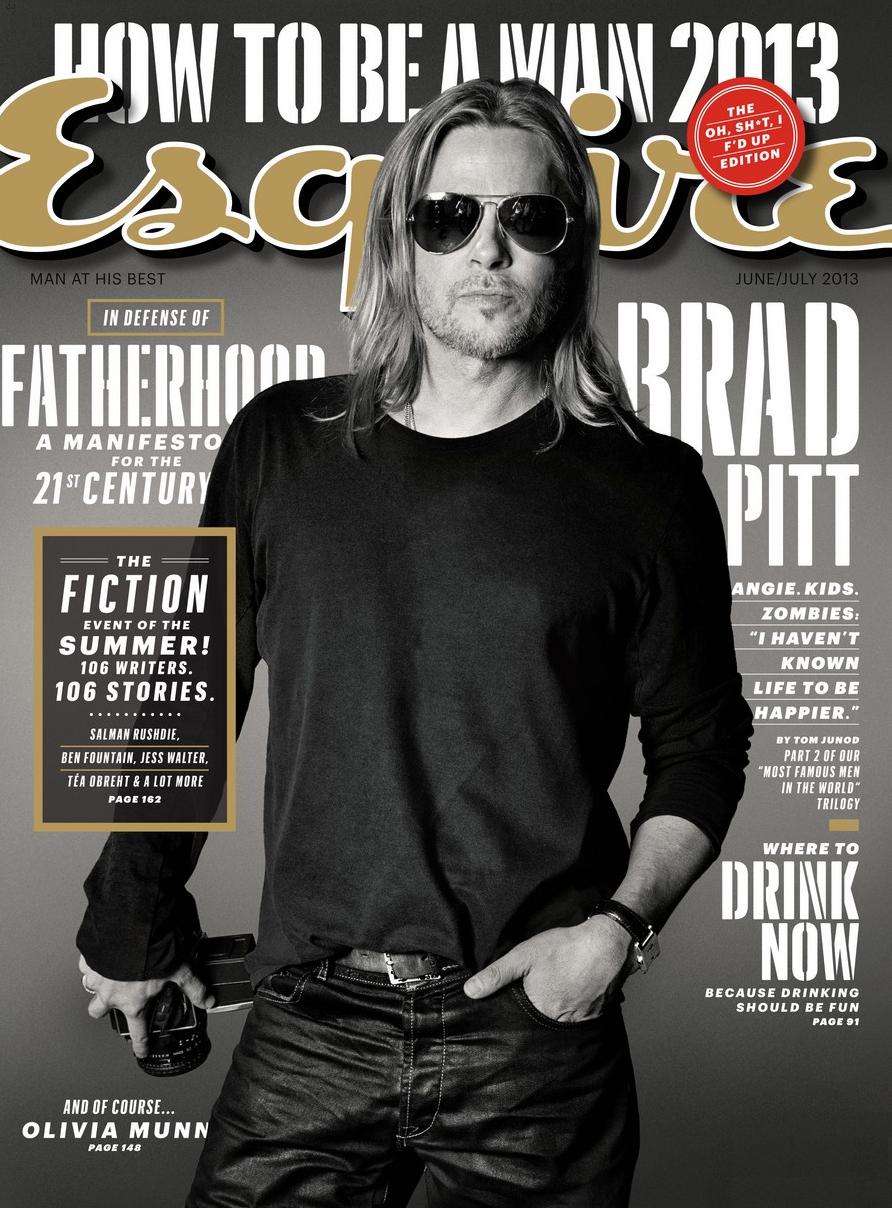
Brad Pitt for Esquire US, June/July 2013
Max Vadukul’s monochrome Esquire cover portraits—camera prop, aviators, Tom Junod’s “A Life So Large” summer 2013 package.
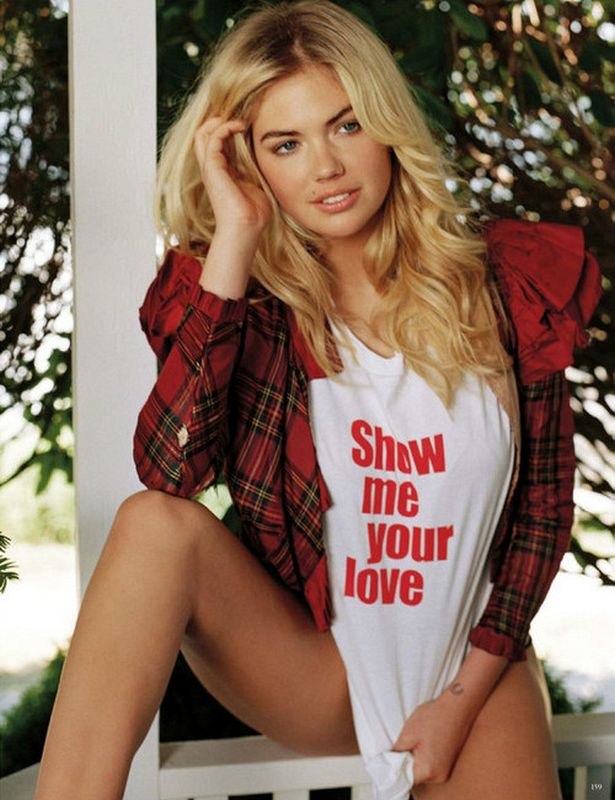
Kate Upton for Vogue Germany January 2013: Bruce Weber
Bruce Weber and Anne Christensen’s January 2013 Vogue Germany feature—outdoor European wardrobe romance, from Ackermann to Eres.