
Dream Wedding Photographs: Light, Motion, and Cinematic Moments
An album of romantic wedding images - first-dance dips, backlit kisses, hallway motion - with notes on light, place-as-character, and how to ask for dream frames without over-posing.
Dream wedding photographs are not only “nice pictures of a wedding.” They are frames that feel slightly larger than the hour they came from—light that behaves like memory, gestures that read as story, rooms that become mood instead of logistics. This album gathers that kind of image: first-dance drama, backlit kisses, motion through old hallways, quiet portraits that still feel electric.
Look at them as a vocabulary. You do not need every trick on your day. You need a short list of moments and lighting conditions that match how you actually celebrate. The difference between a documentary wedding album and a dream-forward one is usually not more posing—it is more attention to light, distance, and time protected for real motion.
Motion that tells the room
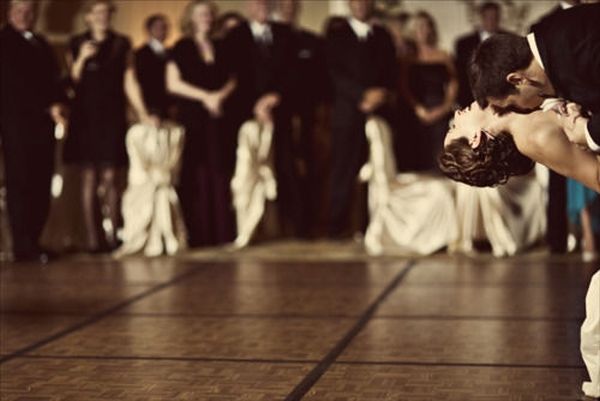
A deep dip on a wooden dance floor, guests softened behind the couple, warm tones across the frame—this is reception storytelling in one gesture. Shallow depth of field keeps the intimacy sharp while the party remains present as atmosphere. You can feel the room without reading every face. That balance is harder than it looks: too much blur and the photo becomes abstract; too much sharpness in the crowd and the romance competes with spectators.
If you want images like this, tell your photographer you care about dance-floor movement, not only posed portraits. Build thirty honest seconds into the timeline for a first dance that is not rushed by cake-cutting anxiety. Practice a simple dip once if you like, but leave room for laughter—the imperfect lean often photographs better than a stiff showpiece.
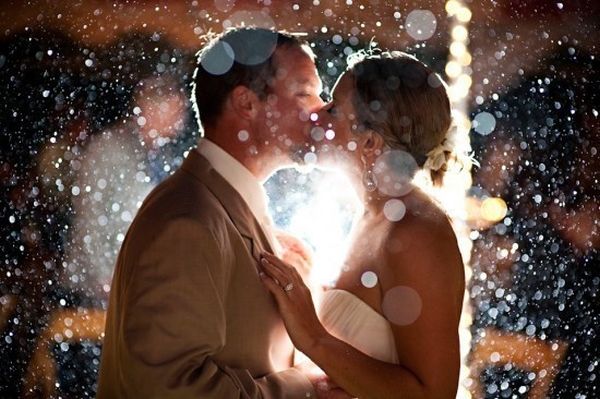
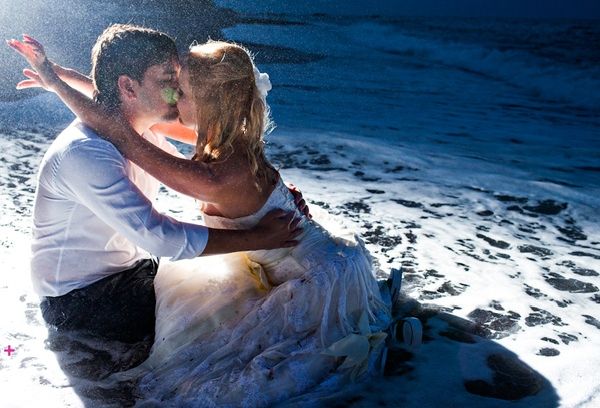
Backlight turns weather into glitter. Rain, snow, or mist caught behind faces can look accidental and cinematic at once. Rim light separates profiles from a dark field of warm bokeh and makes a simple kiss feel staged by luck. It also needs trust: you may get damp, and the photographer needs space behind you for the light source. Dream shots often ask for a little discomfort and a clear plan—umbrellas nearby, a towel in the car, permission to step outside for five minutes.
Place as character
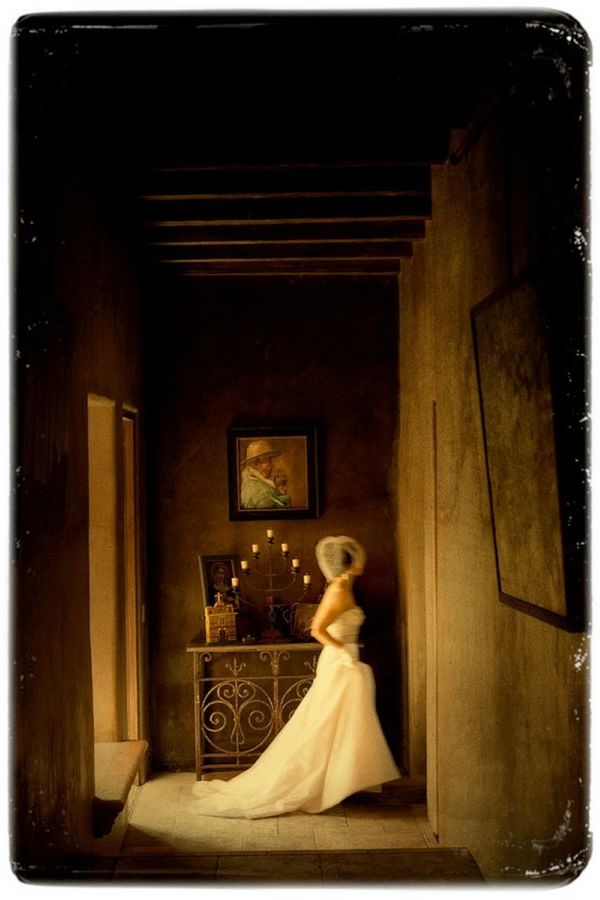
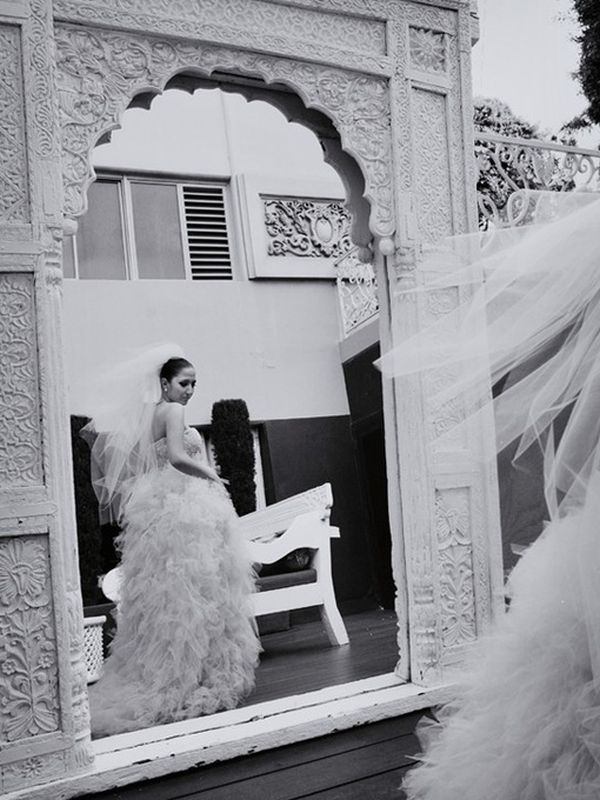
A blurred bride moving through a shadowed corridor with beams, stone, and a candelabra on a console is not a standard group photo. It treats the venue like a co-star. Historic halls, villas, barns with long sightlines, museums, and hotels with interesting service corridors all offer this kind of frame if you ask to use them. The motion blur is part of the dream: the gown becomes a soft streak, the face less important than the passage through space.
If your location has a hallway, stair, courtyard, or window that already feels storied, protect five to ten minutes for walking shots with imperfect motion. Sharpness is not always the point; atmosphere is. Tell your planner these minutes are not optional filler—they are part of the album’s emotional spine.
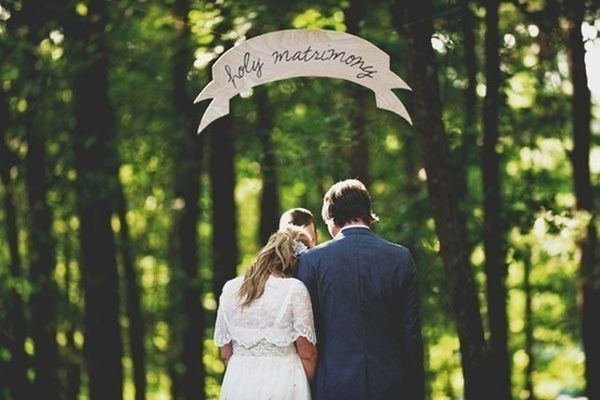
When you review a photographer’s portfolio, sort images into piles: posed smiles, documentary candids, and cinematic frames. Dream wedding photographs usually live in the third pile—and in the candids that accidentally become cinematic. Hire for the pile you actually want to live with on your walls. A photographer who only delivers bright, even, “safe” coverage may still be excellent at family formals and still miss the atmospheric frames you are pinning.
Light before poses
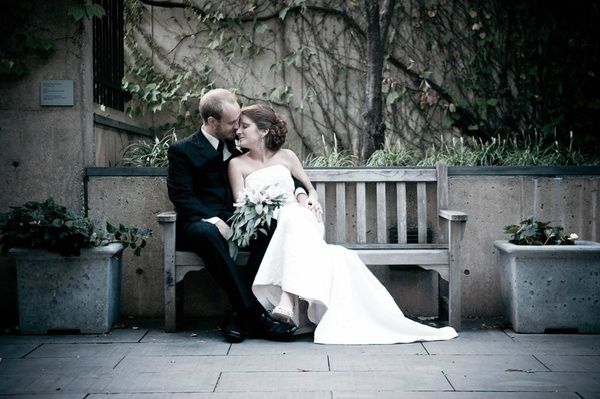
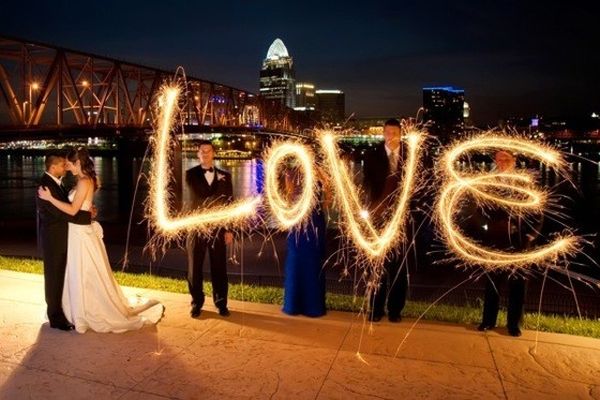
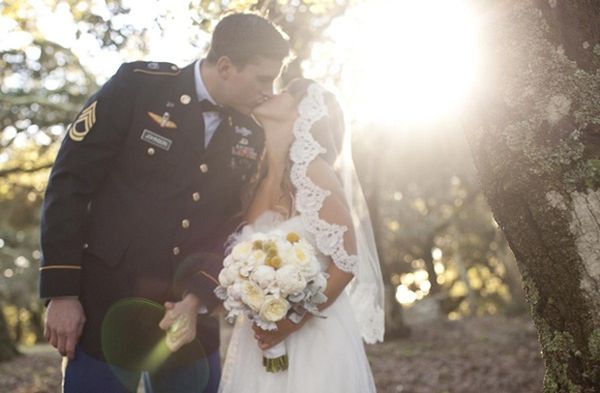
Couples often ask for poses first. Dream images usually start with light: where the sun falls late in the day, which doorway creates a rim glow, whether the reception has pin spots or only house lights. A simple kiss becomes unforgettable when backlight separates faces from a dark field of bokeh. A first dance becomes a movie still when the floor catches warm reflection and guests blur into color.
Walk your venue at the same time of day as the ceremony and reception if you can. Note ugly fluorescents, mixed color temperatures, and generous windows. Share those notes with your photographer early. Ask what they need from the venue—access to a balcony, permission to turn off a bank of lights for ten minutes, a corner without EXIT signs in the frame. Gear matters; scouting and cooperation matter more.
Golden hour is famous for a reason, but dream light is not only sunset. Overcast days give soft, even romance. Night rain can look like jewelry. Midday sun can work if you find open shade or a strong graphic shadow. Do not cancel atmospheric plans because the forecast is imperfect; adjust the technique.
Emotion without performance
The best dream frames still contain a real feeling: laughter in a dip, eyes closed in a kiss, the private concentration of walking toward a door. Over-posing kills that. Give your photographer permission to interrupt gently and also permission to disappear. A shot list helps for must-have family combinations; it should not script every romantic image.
Useful prompts that still leave room for surprise:
- One full-length walking shot in the most atmospheric corridor or garden path.
- One backlight portrait, even if weather is imperfect.
- One reception image where guests are visible but not sharp.
- One quiet detail of hands, veil, or shoes that still includes a human gesture.
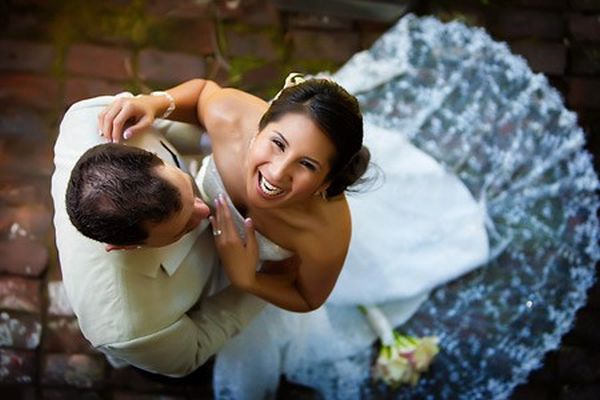
- One photograph taken from farther away than feels natural—space creates dream scale.
- One frame made after you think the “photo time” is over, when shoulders drop.
Also talk about what you do not want. If dramatic dips feel fake to you, say so. If you hate being asked to “look passionate,” ask for quieter prompts—walking, whispering, fixing a cufflink. Dream photography is still personal. The album should look like your relationship under beautiful light, not like a stock romance template.
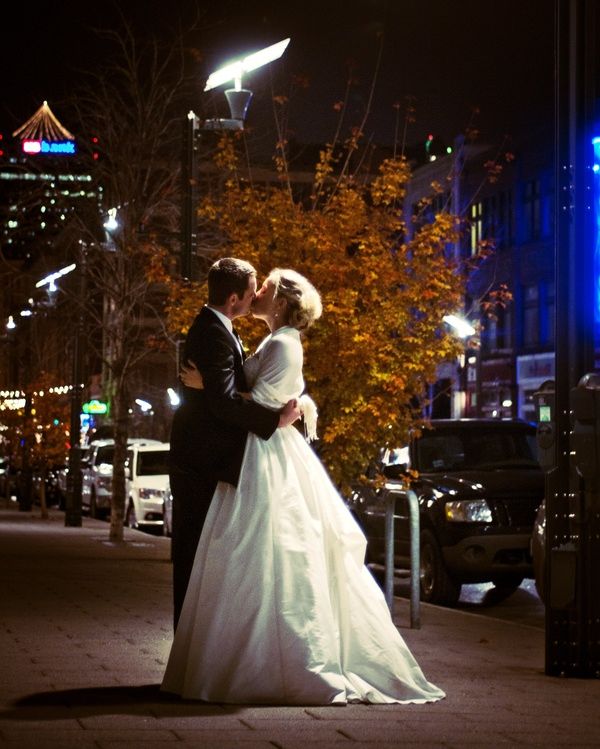
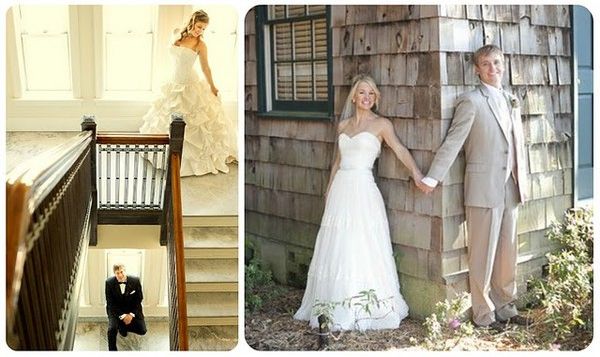
Before the wedding week ends, send your photographer three images from this kind of album that you love and one sentence each about why—light, motion, distance, or emotion. Specific taste is easier to deliver than “make it dreamy.” Protect the timeline buffers where dream photos actually happen. They rarely appear while everyone is late for cocktail hour, and they almost never appear if the schedule treats photography as the first thing to cut when speeches run long.

Comments
Continue reading
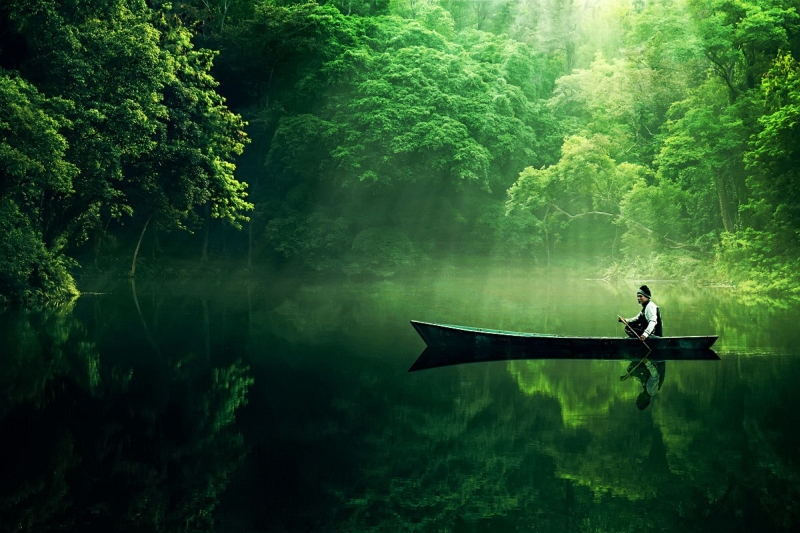
Dramatic Photo Art by Sukron Ma’mun (Ipoenk Graphic)
Cirebon, Indonesia photographer Sukron Ma’mun uses theatrical natural light to frame village life, play, and place in lyrical photo art.

Bird’s-Eye Views: Florian Beaudenon’s Instant Life
Paris photographer Florian Beaudenon’s Instant Life series captures people in their rooms from above—intimate, collaborative overhead portraits of everyday joy.
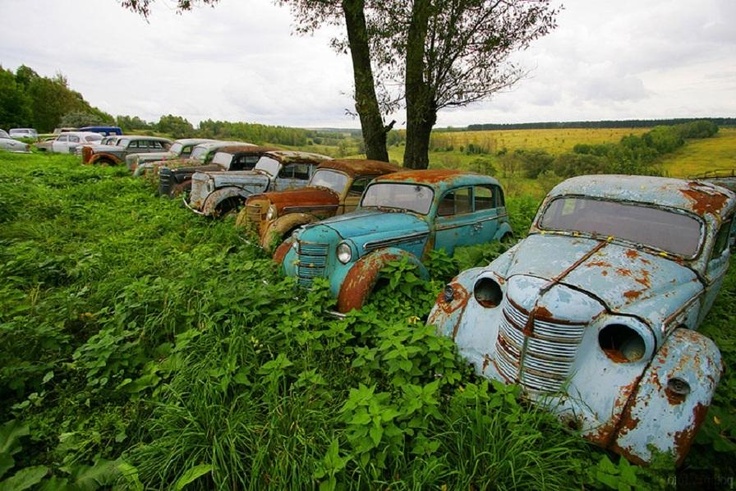
Abandoned Cars Reclaimed by Nature: Rust, Growth, and Quiet Ruin
When neglected vehicles are left outdoors long enough, rust, moss, and trees rewrite them into strange still lifes—sad, photogenic, and slowly returning to the ground.