
Do It for the Body You’ve Always Wanted: Steady Habits Over Summer Panic
Build toward strength and energy with repeatable workouts, sensible fueling, and motivation that skips body-shaming, bikini deadlines, and miracle-product claims.

Wanting more strength, energy, or ease in your body is a common reason people start moving more—and it does not require shame about last summer, a countdown to a swimsuit deadline, or promises of overnight change. Motivational photos can help you lace up on a low-energy day; they cannot replace a plan that fits your schedule, your joints, and your health history. Sustainable progress usually comes from habits you can repeat: movement you tolerate and sometimes enjoy, food that fuels you without rigid extremes, sleep, and patience when the mirror changes slower than your effort.
If you have an injury, chronic condition, or history of disordered eating, talk with a qualified clinician before big training or diet changes. The ideas below are general lifestyle encouragement, not medical advice, not a transformation guarantee, and not a miracle program sold in a bottle.
Define “the body you’ve always wanted” in useful terms
Vague goals (“get in shape,” “earn a better body”) are hard to schedule and easy to abandon. Clearer ones sound like: walk twenty minutes most days, lift twice a week, sleep by eleven, cook dinner at home five nights, or finish a couch-to-5K plan without skipping recovery. You can still care about how clothes fit or how you feel in photos. Pair that preference with metrics you control—sessions completed, protein at lunch, bedtime kept—so a single weigh-in does not decide your mood for the week.
Bodies differ by genetics, age, stress, medication, hormones, and disability. Comparing your timeline to a stranger’s before-and-after is a poor coaching tool. Use inspiration for effort and consistency, not as a verdict on your worth. The phrase “the body you’ve always wanted” works better as a shorthand for capacity and comfort than as a demand to look like someone else.


Build a week you can actually repeat
A flashy seven-day plan that dies on day three helps no one. Start with a minimum you would still do during a busy week: two short strength sessions and a few walks, or three mixed workouts of about thirty minutes. Put them on the calendar like appointments. When life intervenes, shrink the session instead of canceling—ten minutes of movement keeps the habit alive and beats the all-or-nothing spiral.
Strength work (bodyweight, bands, or weights) supports bone and muscle across adulthood. Cardio helps heart health and mood for many people. Mobility and easy walks count as training, not as failure to “go hard.” You do not need a perfect split copied from an athlete’s social feed; you need enough recovery that you return the next day without dread.
Progressive overload—slightly more reps, load, or time over weeks—matters more than random max-effort days. Write down what you did. Next week, try to match or nudge it. Plateaus are normal; they are information, not proof that you lack discipline.


Food as fuel, not punishment
Balanced eating for training usually means regular meals with protein, fiber, and enough energy to move—not a crash diet timed to a season or a party. Extreme restriction often backfires with fatigue, irritability, and rebound. Focus on adding what helps: vegetables you actually like, protein at meals, water, and fewer all-or-nothing rules about single foods. Eating after a hard session is recovery, not a moral failure.
Skip products that claim to melt fat, reshape you overnight, or replace sleep and progressive training. Supplements are optional extras at best for healthy adults; they are not a substitute for basics. If weight change is a personal goal you chose freely, aim for gradual adjustments and professional guidance when needed. Do not use exercise as punishment for eating, and do not use food rules as a way to earn the right to move.


Motivation that lasts past the first photo
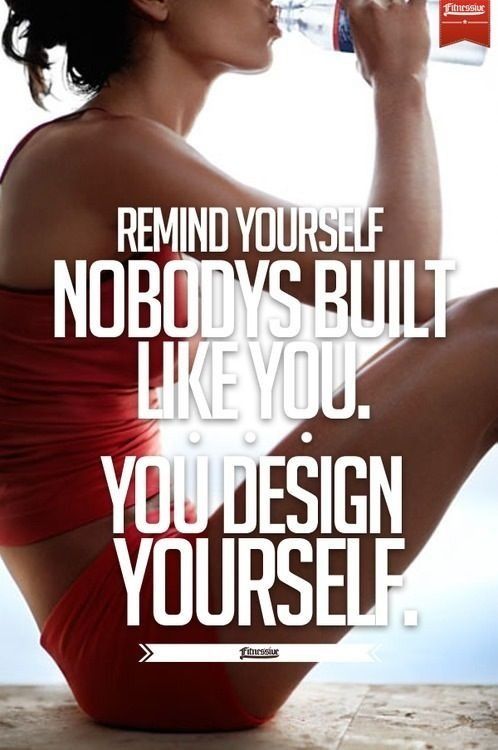
Motivational posters and training photos can spark a first week. After that, systems matter more: a fixed workout slot, a bag packed the night before, a playlist that starts when shoes go on, a walking route that begins at your door. Track sessions with a simple checkmark on a calendar. Celebrate streaks of showing up, not only visible change in the mirror.
Some days motivation is low and the win is doing the short version. That still counts. Rest days are part of training; exhaustion is not a badge of honor. If every session leaves you wrecked for two days, the plan is too aggressive for your current base—scale volume before you quit entirely.


Environment and company
Home workouts remove commute friction and work well when weather or childcare makes travel hard. Gyms offer equipment variety and social accountability. Outdoor walks cost little and often clear the head. Choose the setting you will return to, not the one that looks most intense online. A friend, class, or low-pressure group can help if solitude makes you skip; solitude can help if crowds raise stress. Match the support to your personality instead of forcing a trend.
Clothes and shoes that fit comfortably matter more than matching sets. Ill-fitting gear that pinches or slips becomes an excuse to stay home. Replace worn shoes when they stop supporting your stride; form and joints matter more than brand logos.

Progress without body-shaming language
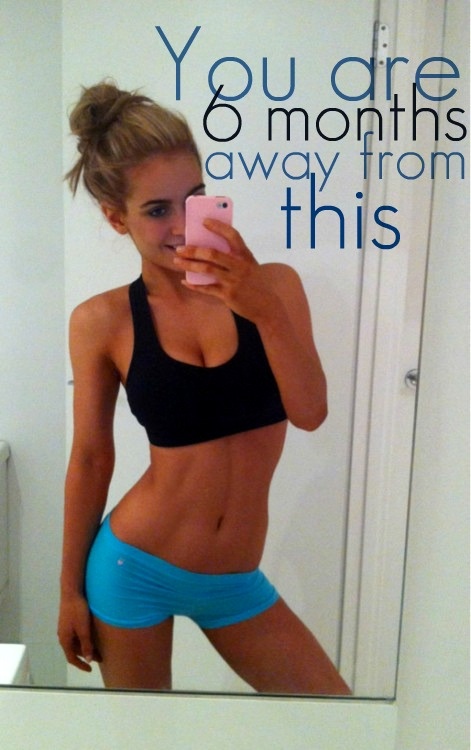
Talk to yourself the way you would coach a friend: honest about effort, specific about the next session, free of insults about your appearance. Avoid promising yourself a “new body” by a fixed party date if that timeline demands unsafe shortcuts, dehydration tricks, or extreme restriction. Prefer goals like stronger lifts, longer comfortable walks, easier stairs, steadier afternoon energy, or better sleep after evening movement.
Photos can document posture, form, and consistency if they help you. They are optional. If progress photos harm your mood, drop them and use performance notes, how clothes feel, or how daily tasks feel instead. Social feeds rarely show injuries, rest weeks, or ordinary genetics—treat them as entertainment, not a measuring stick.



- Write one weekly minimum you can keep when life is busy.
- Pair inspiration images with a calendar block, not with shame.
- Fuel training; avoid crash diets and miracle product claims.
- Rest and recover on purpose; scale volume before you quit.
- Adjust for health needs with professional advice when required.
Tonight, set out whatever you need for one short session tomorrow—shoes by the door, a water bottle filled, a time circled on the calendar. The body you are working toward is built in those ordinary repetitions, not in a single summer deadline or a threat about next year’s weather.

Comments
Continue reading

Motivational Workout Quotes Part 2: Continuous Effort
A steadier sequel to Part 1—how continuous effort, floor days, and systems beat hype when motivation fades mid-program.
Motivational Workout Quotes (Part 1)
Part 1 of a two-part quote-poster gallery—sharper, pride-and-rivalry workout lines to save, print, or pin, without the gym-spam sales pitch.
Funny Animal Signs That Warn People (While Animals Ignore Them)
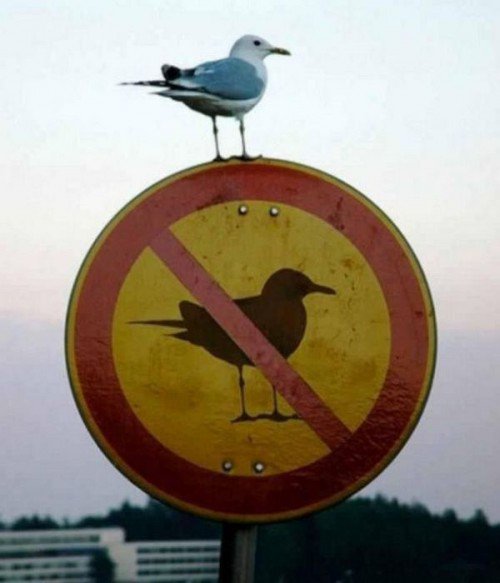
From a seagull on a no-birds disc to classic zoo and park ironies—why animal warning signs get funny, and what the rules are still for.