
Child Photography by Maria Gvedashvili
A look at Maria Gvedashvili’s candid child portraits from Tbilisi—soft light, real gesture, and timing over stiff poses—plus practical lessons for photographing children.
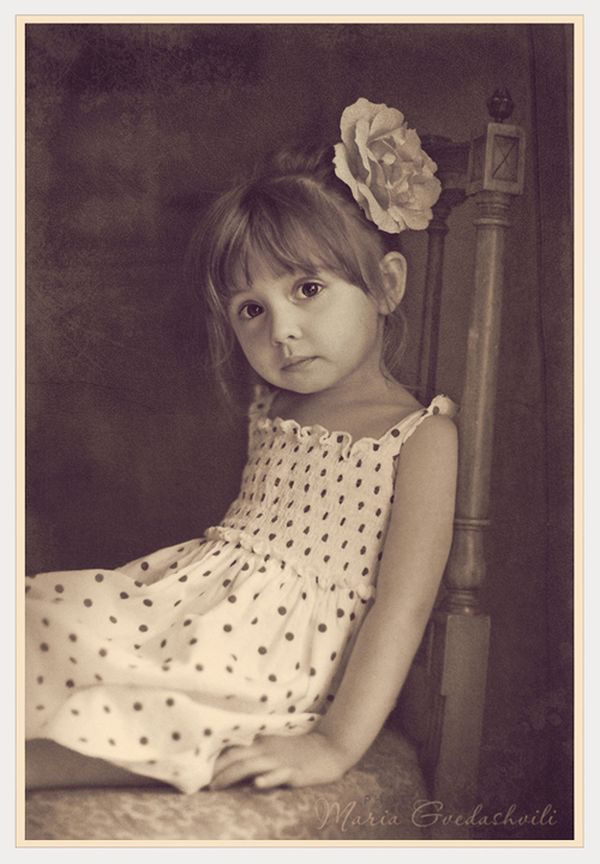
Maria Gvedashvili’s child photographs refuse the catalog smile. The children in this set are not lined up against seamless paper with identical chin tilts. They occupy ordinary rooms and outdoor shade; they hold berries, lean into adults, drift mid-thought, or meet the lens only after something real has already happened. Working from Tbilisi, Georgia, Gvedashvili has built a practice across portrait, family, and wedding work with a public emphasis on emotion over stiff posing. This collection—long shared in photography roundups—shows what that preference looks like when the subject is still small enough to treat the camera as a curious object rather than a performance coach.
Child photography collapses in two opposite ways. Too much control produces polite masks that age into embarrassment. Too little attention produces soft, unreadable files that flatter nobody. The stronger frames here sit between those failures. You sense timing and patience more than a shot list, and you sense that the photographer likes children as people, not as props for a seasonal product.
Soft light and honest distance
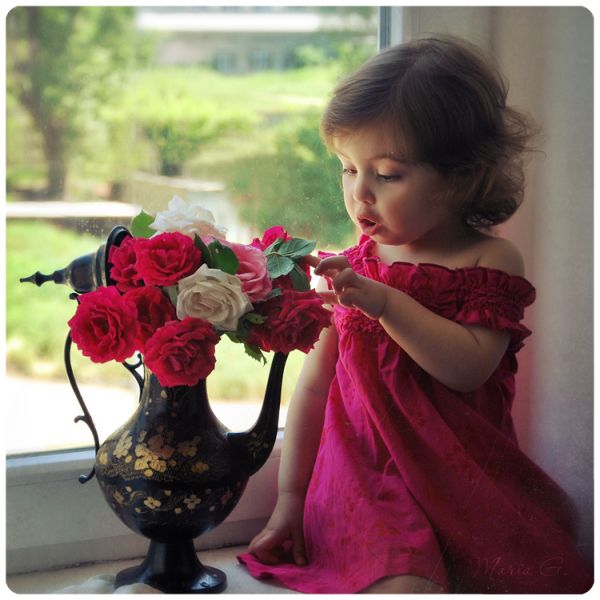
Many of these images lean on gentle window light or open shade. Highlights wrap around cheeks and hair. Shadows stay open enough to keep skin alive. That choice suits children because hard noon sun manufactures squints and contrast that fight delicate features. Working close—sometimes intimately close—turns hands, mouths, and small props into the story. Environmental frames appear too, but even then the child remains the gravitational center rather than a speck in a scenic postcard.
Distance is an ethical tool as much as an optical one. Too far, and you are collecting evidence of a cute outfit. Too near without trust, and you invade. Gvedashvili’s closer portraits feel earned: the child is occupied, calm, or mid-connection, not trapped. That is harder to fake than a backdrop.
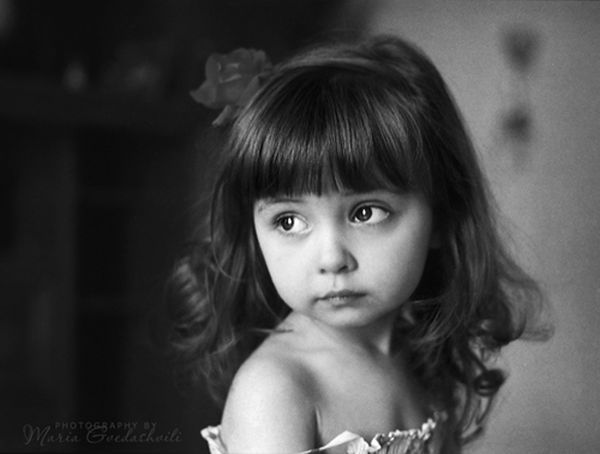
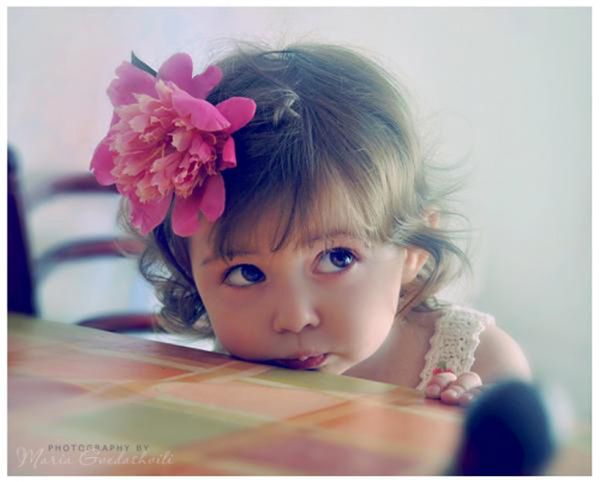
Gesture instead of pose
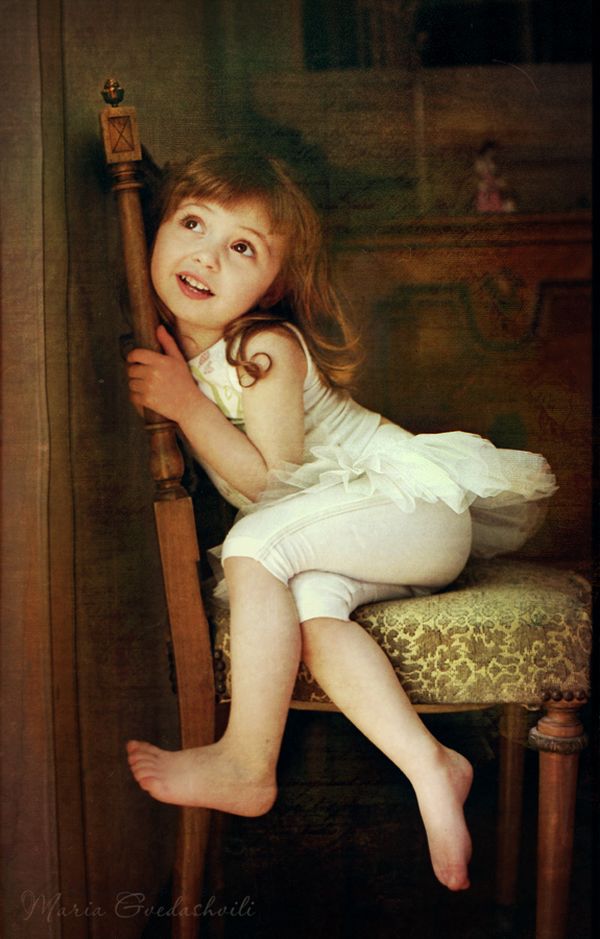
Watch the hands. Fingers stained with fruit, a fist in fabric, an arm thrown across a sibling—these gestures date a childhood more accurately than a forced smile. Gvedashvili often seems to wait for the second after a laugh or the pause before one. Eyes need not always meet the lens. Averted glances can feel truer, especially for shy subjects who shut down under direct demand.
When adults appear, they usually function as anchors rather than co-stars: a shoulder, a blurred torso, the safety of being held. That hierarchy keeps the work readable as child photography even inside family scenes. The adult is context; the child is weather.
Pose language in commercial child work often borrows from fashion—chin down, eyes up, hand on hip. Those moves can look sophisticated for a magazine, and they can also erase the awkward grace that makes childhood photographs precious later. Here, awkward grace is allowed. A tilted head stays tilted. A mouth stays half-open. The edit trusts that parents want recognition more than perfection.
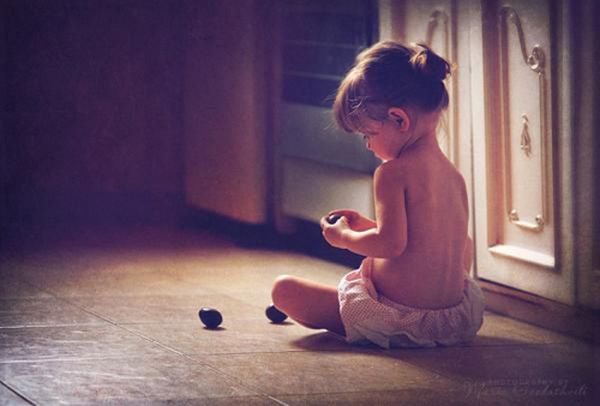
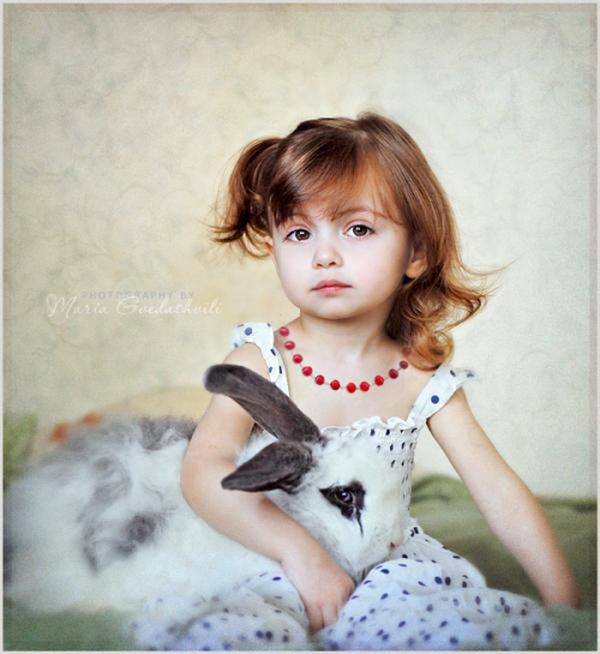
Color, texture, and the ordinary prop
Berries, cloth, worn wood, soft interiors—ordinary textures do narrative work in this set. Color is often muted or earthy, which keeps skin tones central. When a brighter element appears, it usually belongs to the child’s world (fruit, a toy, a piece of clothing) rather than to a stylist’s rented kit. That restraint is part of why the pictures age well. Trends in newborn baskets and themed overlays come and go; a child absorbed in something edible still reads as universal.
Texture also slows the viewer down. You notice weave in a sweater, juice on a lip, dust in a sunbeam. Those details are not clutter when they serve touch-memory. Parents do not only remember how a face looked at age four; they remember how that year felt in the hands.
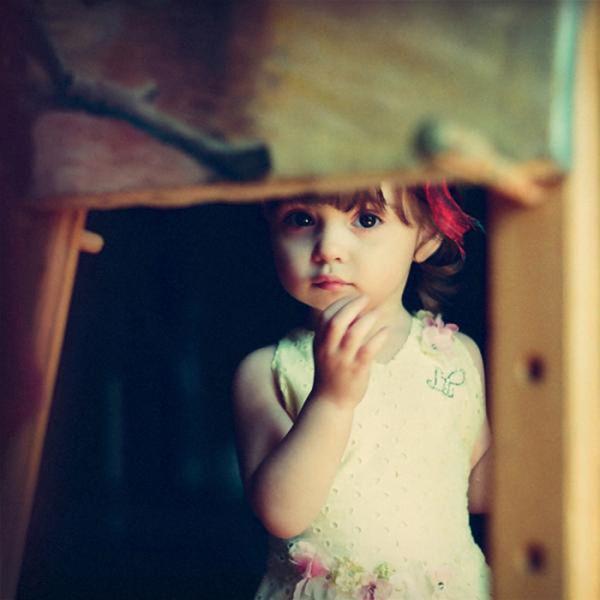
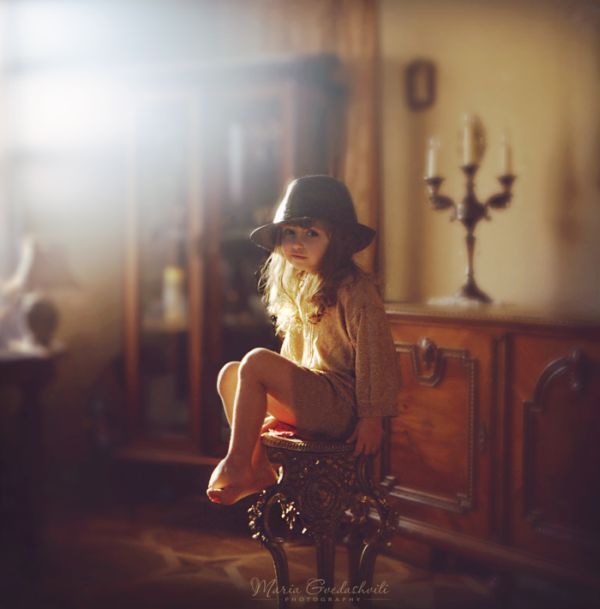
What a Tbilisi practice quietly adds
Knowing the photographer works from Georgia does not turn these images into travel postcards. It does help explain a certain unhurried domesticity: interiors that feel lived in, outdoor frames that are not manicured theme parks, a comfort with imperfect backgrounds. Gvedashvili’s own materials emphasize stress-free sessions and photographs where connection matters more than choreography—language that matches what you see. Families hire that temperament as much as they hire a camera body.
For viewers elsewhere, the takeaway is portable. You do not need the same city to borrow the method: reduce commands, let children move, protect quiet stretches of time, and treat available light as a collaborator instead of a problem to overpower with flash. The geography matters less than the refusal to rush.
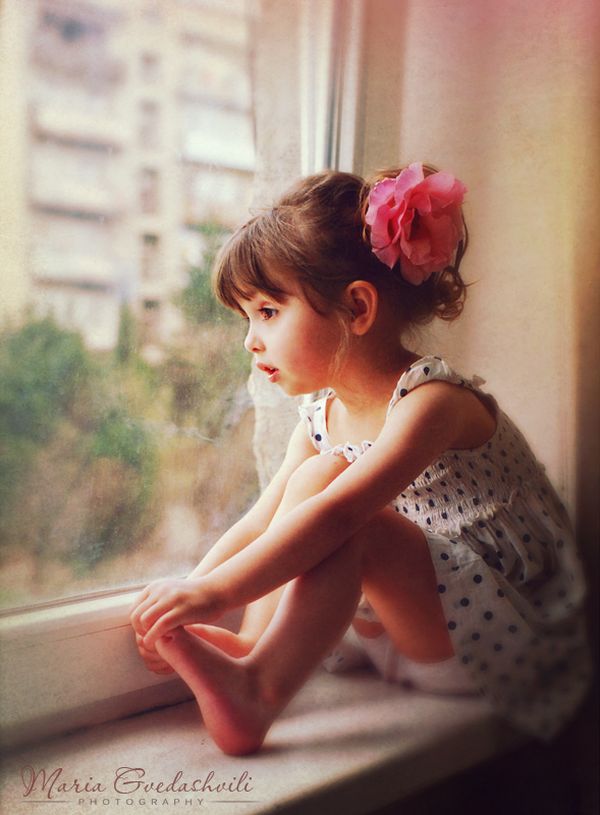
Session craft you can steal ethically
Photographers studying this gallery should steal habits, not faces. Get down to a child’s eye level often; towering angles shrink dignity and exaggerate heads in unflattering ways. Give small subjects something to do with their hands before you ask for a look at the lens. Watch first, then take fewer frames with intent—burst mode can become a substitute for attention. Protect downtime; fatigue shows instantly in soft jaws and glassy eyes. Edit for expression sequences, not only single “hero” smiles, so a family album can breathe. Keep backgrounds simple enough that a tiny subject still reads first.
None of that replaces rapport. Children detect transactional energy the way animals detect fear. The calm in Gvedashvili’s better portraits suggests sessions where play and pause were allowed to exist, and where an adult behind the camera was willing to look silly, wait silently, or abandon a planned setup when the real moment arrived somewhere else in the room.
Parents in frame should get brief, kind direction: hold, then ignore the camera; talk to the child, not to the photographer; keep hands gentle and familiar. The goal is attachment visible in muscle memory, not a group choreography that collapses the second someone blinks.
Reading the set as a whole
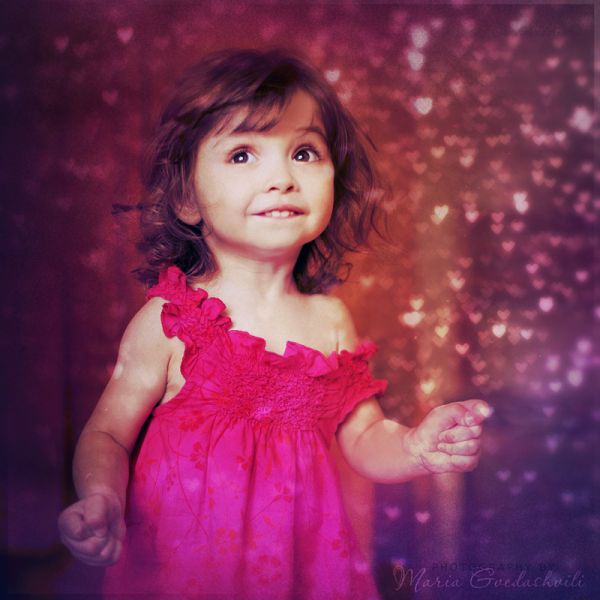
Seen together, the photographs argue for childhood as a weather system—changing minute to minute—rather than a single holiday-card expression. Some frames are intimate to the point of quiet. Others open into space and motion. That range matters. A portfolio of only close-up smiles flatters in the short term; a mix of solitude, play, and attachment feels like memory.
Technical polish is present without becoming the subject. Focus falls where affection falls. Softness or grain, when it appears, does not apologize. The work trusts that viewers can handle a photograph that feels found rather than forced. In an era when phone cameras make volume easy, that trust is a craft decision: fewer images, more weight.
Compare a stiff studio sitting with one of these candid frames and the difference is not only style. It is a theory of what childhood is for. One theory says childhood is a branding opportunity. The other says childhood is a short season of unselfconscious presence, and the photographer’s job is to notice it without breaking it.
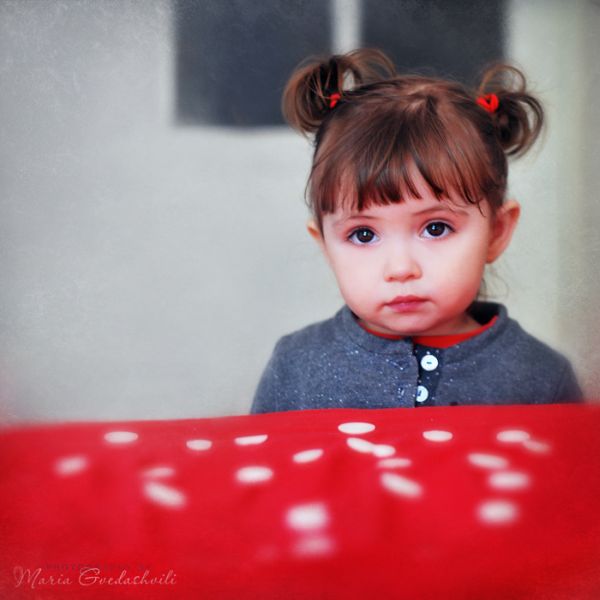
Which frame would you print for a hallway—the sharpest smile, or the one where the child forgot the camera entirely? That choice usually reveals what you believe photographs are for.

Comments
Continue reading

Dramatic Photo Art by Sukron Ma’mun (Ipoenk Graphic)
Cirebon, Indonesia photographer Sukron Ma’mun uses theatrical natural light to frame village life, play, and place in lyrical photo art.
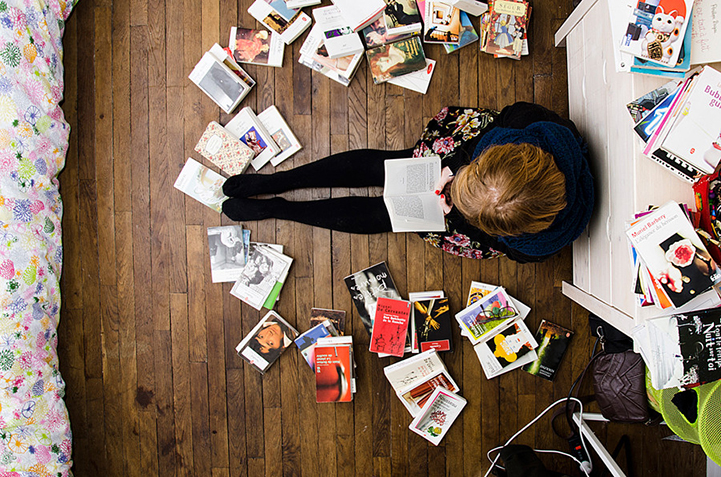
Bird’s-Eye Views: Florian Beaudenon’s Instant Life
Paris photographer Florian Beaudenon’s Instant Life series captures people in their rooms from above—intimate, collaborative overhead portraits of everyday joy.
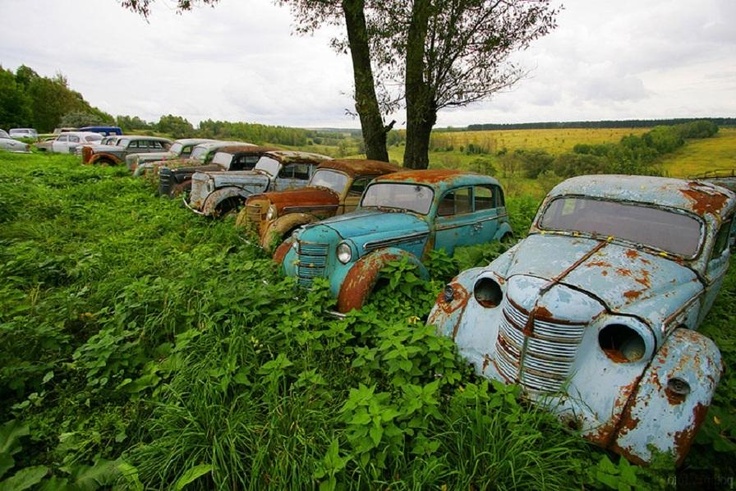
Abandoned Cars Reclaimed by Nature: Rust, Growth, and Quiet Ruin
When neglected vehicles are left outdoors long enough, rust, moss, and trees rewrite them into strange still lifes—sad, photogenic, and slowly returning to the ground.