
Breathtaking Sunset Photographs From Around the World
A world tour of sunset photography—cities, coasts, and open land—plus practical notes on light, exposure, and staying for afterglow.
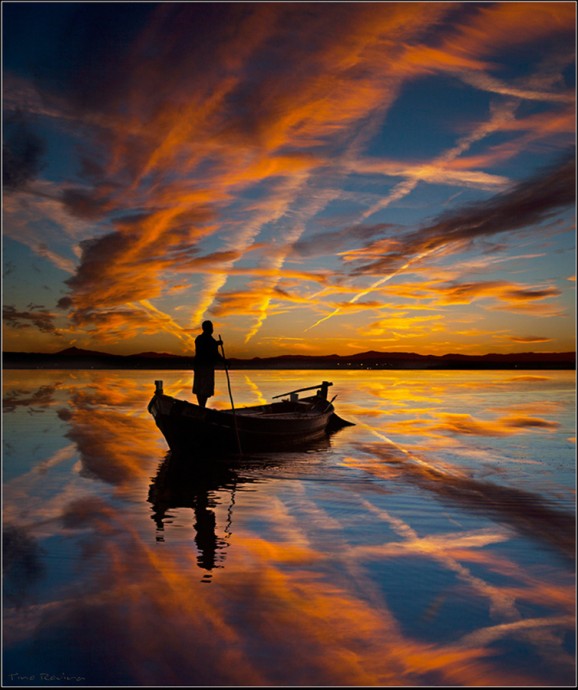
Sunset is the most democratic spectacle on Earth. You do not need a ticket, a summit permit, or rare wildlife. You need a clear western sky, a little patience, and a way to stop long enough to notice that the same sun that bleached the afternoon is now painting everything it touches. This collection gathers sunset photographs from around the world—harbors, deserts, river cities, and coastal towns—where color becomes the main event.
The images here are not identical “orange ball over water” postcards. Some chase reflection. Some chase silhouette. Some turn the sky into stained glass above ordinary streets. Together they argue that solar light at the end of day is less a subject than a collaborator, and that place still matters even when the physics of sunset are universal.
So many colors dancing on earth—here are gorgeous solar photos from around the world.
Why sunset photographs still work
Photographers joke that sunset is a cliché, then keep shooting it anyway. The reason is physical. When the sun sits low, light travels through more atmosphere. Short wavelengths scatter; warmer tones dominate; shadows lengthen; textures rise. Ordinary architecture suddenly has relief. Water becomes a second sky. Faces and buildings pick up rim light that feels cinematic without filters or presets.
There is also an emotional grammar. End-of-day light signals transition—work ending, travel pausing, weather changing. A strong sunset photograph captures that mood without needing a caption. The viewer already knows the feeling of standing still while the color clock runs out. That shared recognition is why a harbor in Normandy and a ridge in South Dakota can speak to the same viewer on the same page.
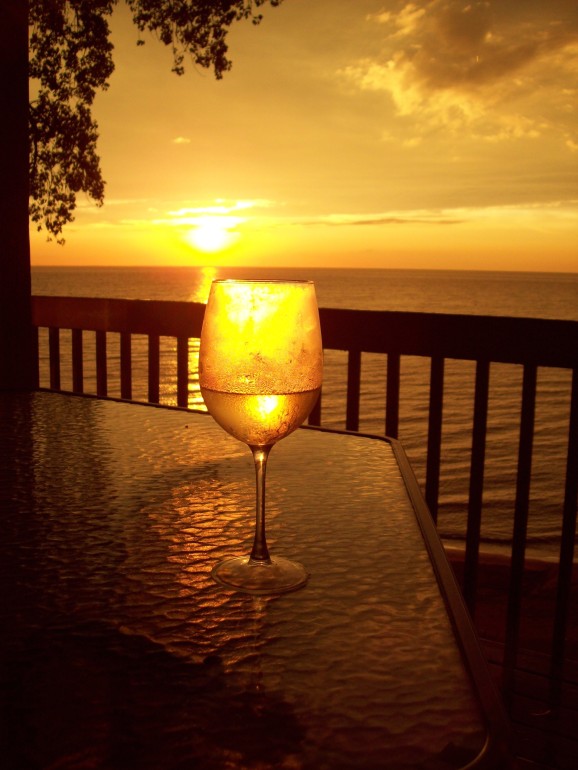
Technically, the challenge is range. The sky may be five stops brighter than the foreground. Expose for the highlights and the land goes black; expose for the land and the sky blows out. The photographs that endure usually pick a priority and commit: silhouette drama, balanced reflection, or a foreground that can survive being darker than the blaze above it. Graduated filters, brackets, and careful raw processing help, but intention matters more than tools. A decisive underexposure that protects color often beats a “balanced” file that looks gray and polite.
Cities at dusk: Paris, Florence, Istanbul
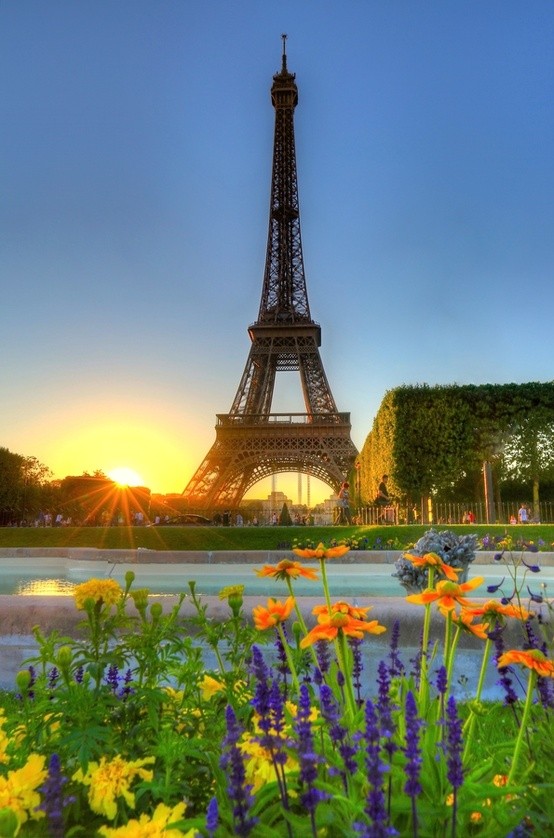
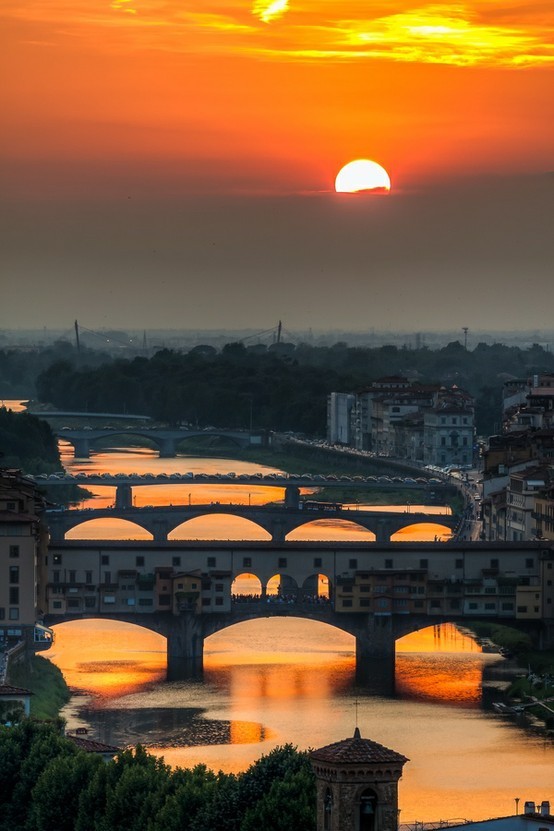
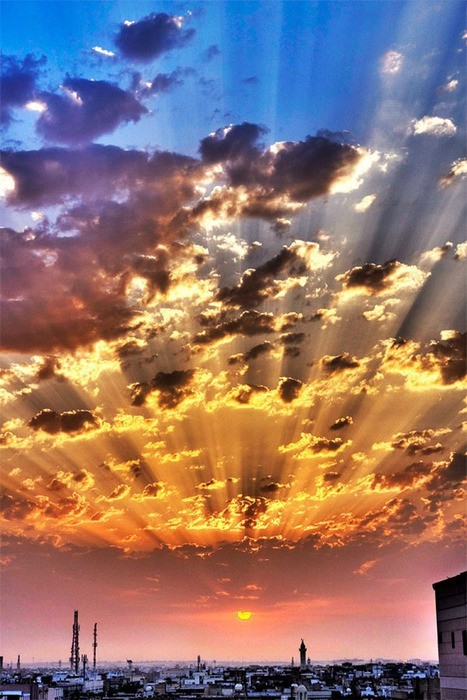
Urban sunsets are negotiations between skyline and sky. In Paris, warm light glances off stone and river until the city looks briefly soft, as if the hard edges of boulevards had been sanded down by color. Florence’s Arno sunset is a classic for a reason: bridges, water, and Renaissance profiles become dark calligraphy under a glowing band of color. The river doubles the show and gives the frame a midline that holds composition together even when tourists crowd the banks.
Istanbul adds another register—minarets and water traffic against a sky that can shift from gold to violet in minutes. City shooters who succeed at this hour usually arrive early. They claim a railing, a bridge corner, a rooftop edge. They watch weather as carefully as tourists watch landmarks. A clear day can yield a clean orange disk; thin clouds often yield better color because they act as reflectors and screens. Haze and pollution, for better or worse, can intensify warm tones—another reason metropolitan dusk photographs look different from alpine ones.
People complicate urban frames in useful ways. A silhouette walking across a bridge, a boat cutting a wake, a café awning catching last light—these details keep sunset from floating as pure sky. Several photographs in this set understand that a city dusk needs human scale even when faces are unreadable.
Open land: Badlands, coasts, and empty horizons
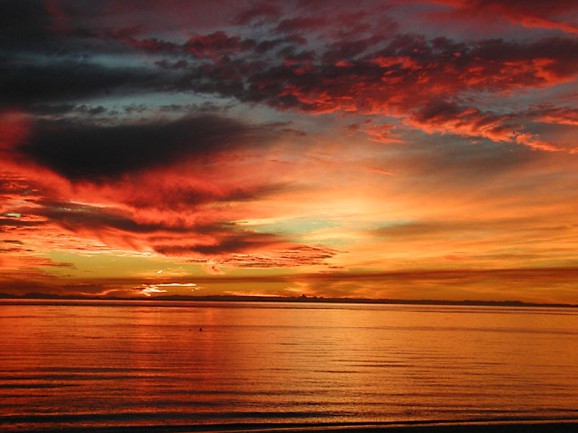
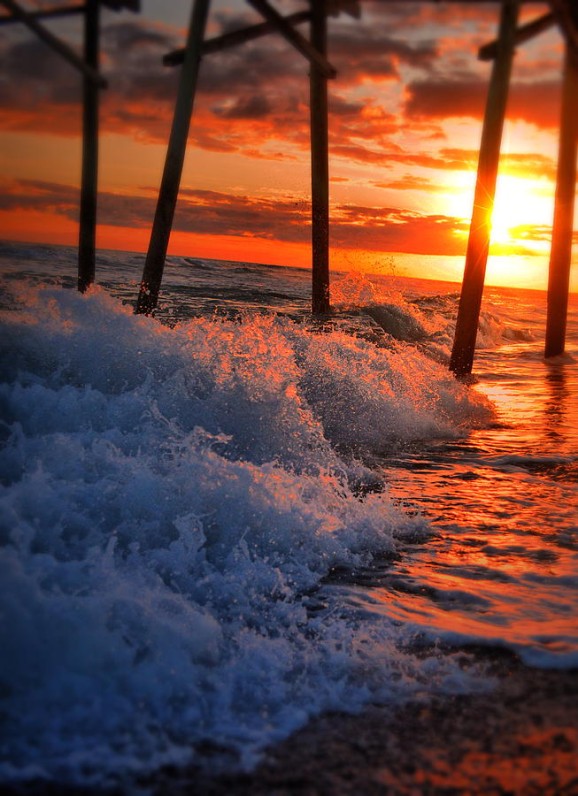
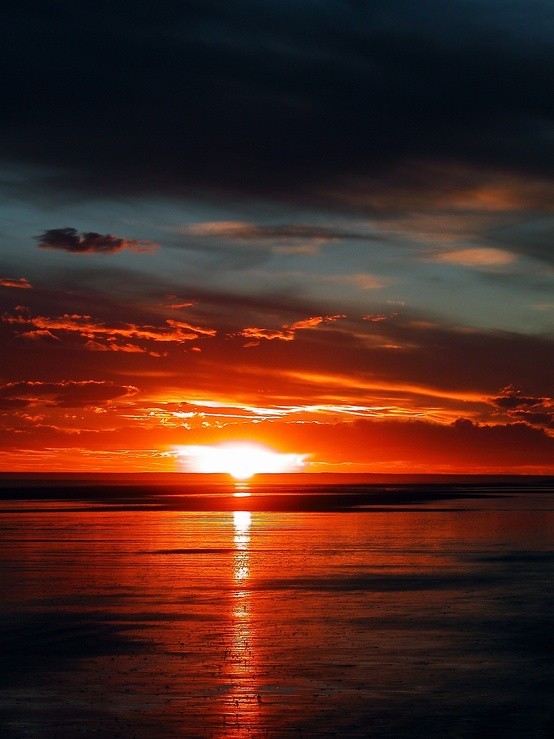
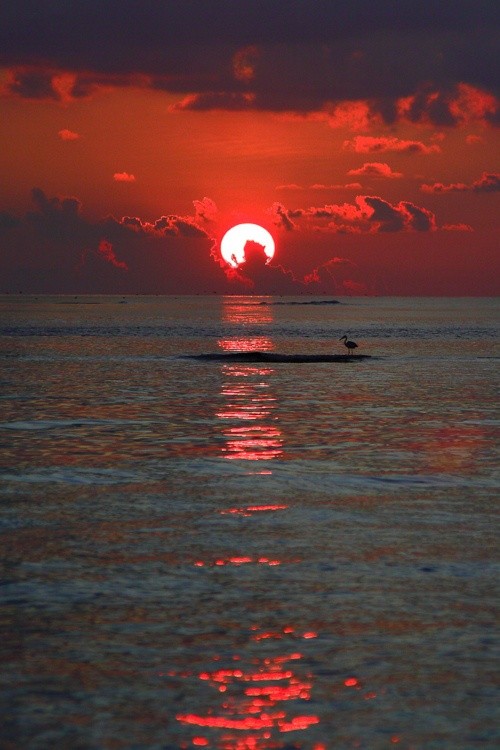
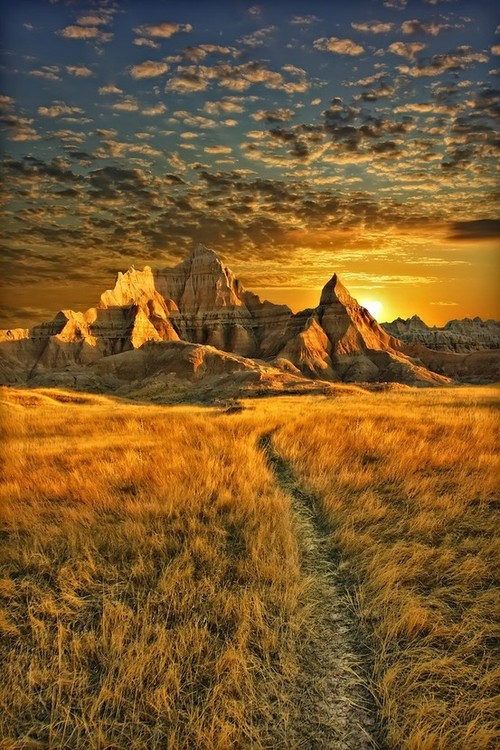
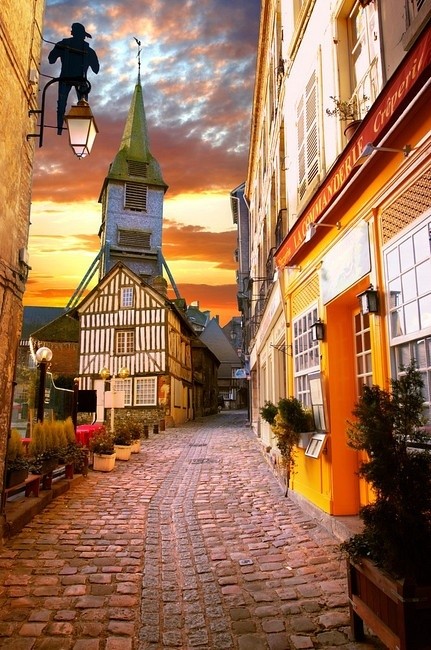
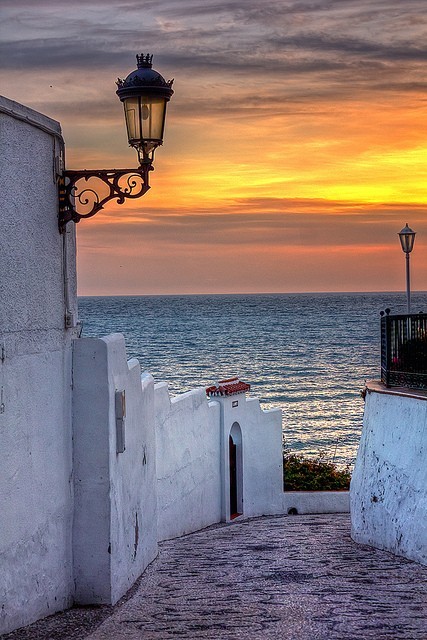
Away from cities, sunset becomes geology and weather. A golden sunset in South Dakota’s Badlands turns eroded forms into warm sculpture; the land already looks ancient, and low light exaggerates every ridge until the ground itself seems to glow. Coastal frames—Normandy’s Honfleur, Andalusia’s long light, Australian horizons—depend on water as mirror and on cloud decks as reflectors. When the sun drops below the horizon, afterglow can still paint the sky for a second act that many beginners pack up too early to see.
Wide landscapes reward patience with small foregrounds: a boat, a dune edge, a solitary tree, a harbor post. Without that anchor, even spectacular color can feel like a wallpaper sample. With it, the photograph becomes a place you could stand. Several images in this set understand that bargain instinctively. El Barquero’s coastal stillness, the open Australian stretch, the Normandy harbor hush—each uses local furniture to pin the sky to Earth.
Weather variety is the other gift of open land. A clear evening yields graphic silhouettes. A broken sky yields drama. A dusty or humid evening yields softer gradients. Returning to one overlook across seasons teaches more about sunset than flying to a famous viewpoint once.
Practical ways to shoot solar color
You do not need exotic gear. You need timing and restraint. Arrive thirty to forty-five minutes before the predicted sunset. Scout a foreground while the light is still easy to judge. Check where the sun will meet the horizon relative to your subject—apps help, but a walk the day before helps more. Use a lens hood or your hand to control flare if you want clean contrast; embrace flare if it serves the mood. Bracket exposures when the dynamic range is extreme. Keep white balance intentional—auto can neutralize the very warmth you came for.
After the sun disappears, stay. The blue hour that follows can be as rich as the orange peak, especially in cities where lamps begin to balance the remaining sky. Many of the most memorable dusk photographs are made in that handoff between daylight and night, when color cools and windows start to glow.
Editing should support what the atmosphere already did. Gentle contrast, careful highlight recovery, and honest color usually beat heavy saturation that turns a real evening into neon soup. If the file looks louder than the memory of standing there, pull back. Crop for the story: sometimes the sun itself is optional once the sky and reflections are doing the work.
A simple field checklist helps more than gear envy:
- Choose one priority—silhouette, reflection, or detailed foreground—and expose for it.
- Keep a small, local object in the frame so the place stays specific.
- Shoot through the afterglow; do not leave at the moment of sunset.
- Protect highlights first; lift shadows later if needed.
Pick one place you already know—a local river, a parking-garage roof, a beach path—and photograph its sunset for five evenings in a row. Same viewpoint, different weather. The exercise teaches more than any gallery of perfect destinations: color is weather, and weather never repeats on command. The shots in this set are invitations to that habit, from El Barquero to the Badlands to the Arno, each proving that the day’s last light still has new sentences to write.

Comments
Continue reading
Dramatic Photo Art by Sukron Ma’mun (Ipoenk Graphic)
Cirebon, Indonesia photographer Sukron Ma’mun uses theatrical natural light to frame village life, play, and place in lyrical photo art.

Bird’s-Eye Views: Florian Beaudenon’s Instant Life
Paris photographer Florian Beaudenon’s Instant Life series captures people in their rooms from above—intimate, collaborative overhead portraits of everyday joy.
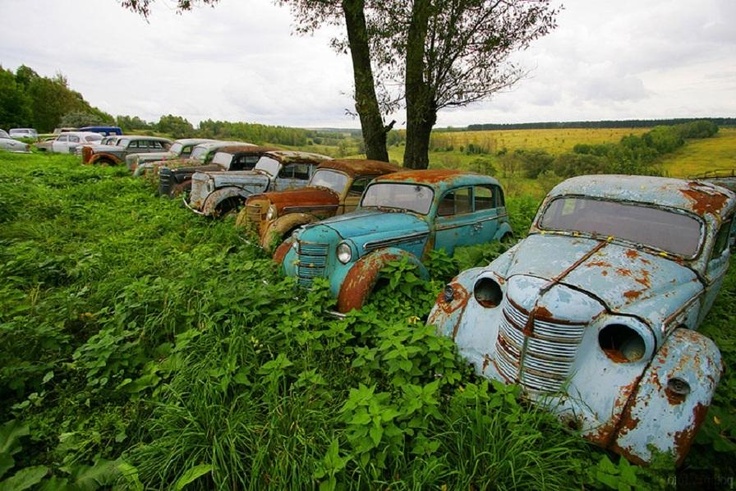
Abandoned Cars Reclaimed by Nature: Rust, Growth, and Quiet Ruin
When neglected vehicles are left outdoors long enough, rust, moss, and trees rewrite them into strange still lifes—sad, photogenic, and slowly returning to the ground.