
Beautiful Photographs of Autumn: Color, Mist, and Seasonal Light
A gallery of autumn photographs with notes on fall color, soft weather, exposure choices, and field craft for the short foliage season.
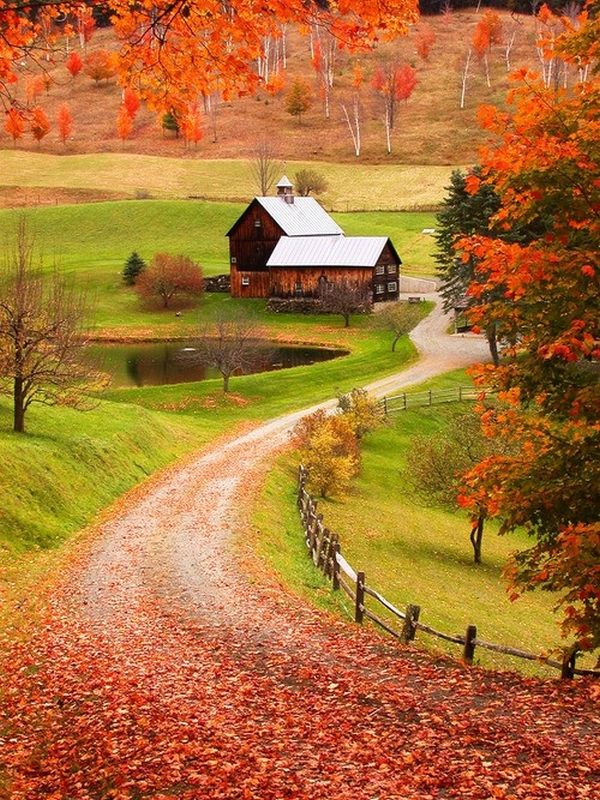
Autumn is the season photography loves without needing a manifesto. Leaves turn, light lowers, mist hangs longer in the morning, and ordinary roads suddenly look composed. The photographs collected here are less a travel guide than a mood board for that shift—paths under canopy, soft weather, warm color against cool air, and the quiet that arrives when summer’s hard glare finally loosens.
You do not need a famous park to feel what these frames are doing. You need slanted light, a little decay, and patience for weather that is almost bad enough to keep other people indoors. Fall rewards the photographer who treats a familiar loop like a temporary studio rather than a checklist of scenic overlooks. The season is short; the craft is in noticing while it lasts.
Why fall color photographs so well
Chlorophyll retreats and other pigments assert themselves. Reds, ambers, and yellows give landscapes a ready-made palette that midsummer green rarely matches. At the same time, the sun sits lower for more of the day, so sidelight lasts longer and shadows stretch into usable leading lines. Overcast skies act like a giant softbox, wrapping bark and leaf litter without harsh specular hits. Even a suburban street can look intentional when warm canopy meets cool pavement shadow.
Moisture helps. Fog, light rain, and wet pavement deepen color and separate planes. A dry noon in October can still look flat; a damp dawn can look like a painting. That is why so many autumn sets favor early hours and storm edges. The season’s best light is often brief and slightly inconvenient—exactly the conditions that empty parking lots and leave paths to people willing to carry a camera in cold fingers.
Human scale changes too. Coats, scarves, breath in cold air, and empty benches become props without feeling staged. Even without people, fallen leaves imply recent presence—someone walked here; the canopy is not permanent. That sense of time passing is part of autumn’s emotional pull on a still photograph. Summer images often chase abundance; autumn images chase transition.
Reading the gallery as a set
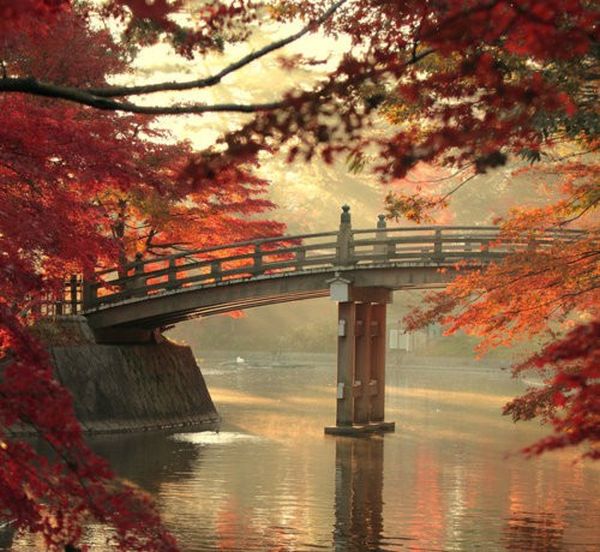
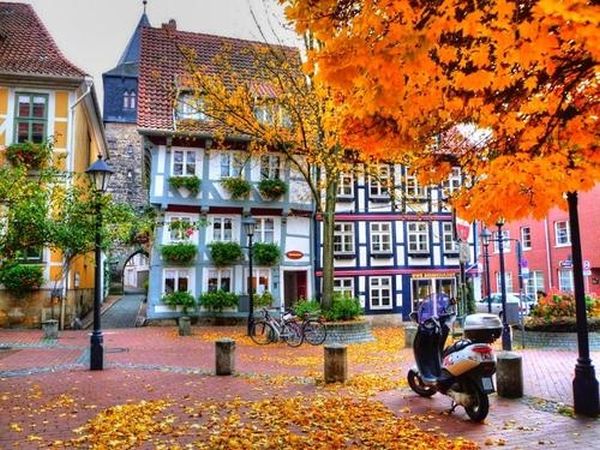
Move through these images as a sequence of problems solved. Some frames use a path or road to pull you into depth. Others isolate a single tree against mist or sky. A few rely on reflection—water doubling color so the palette feels richer than a single plane of leaves. Vertical crops emphasize tall trunks and hanging canopy; wider frames spread carpets of litter and open weather. Together they map the season’s visual vocabulary rather than a single location story.
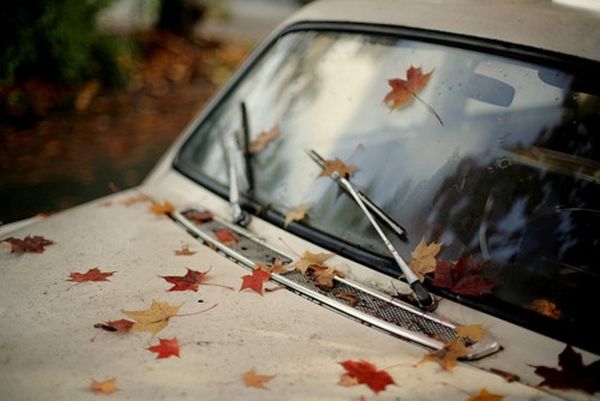
Ask where the warmest color sits and whether cool tones balance it. Autumn photographs fail when everything is pushed equally orange; they succeed when a blue-gray sky, green remnant, or dark trunk keeps the heat from becoming monotone. Look for negative space—fog, pale sky, empty water—that lets saturated leaves breathe. Without that relief, even beautiful color can feel exhausting on a screen and worse in print.
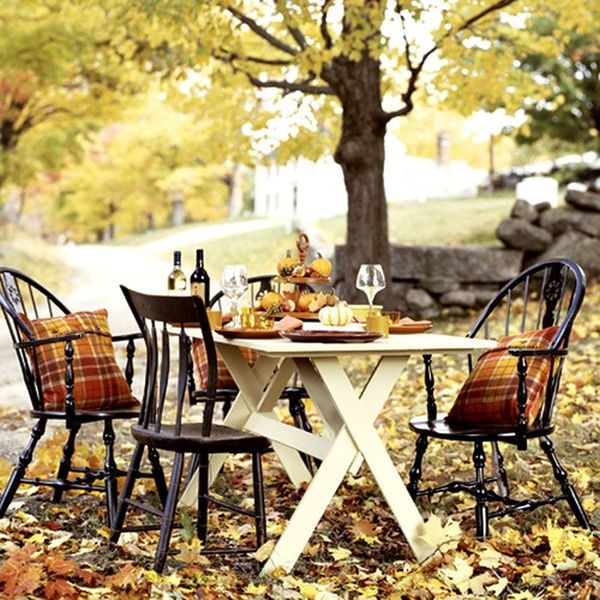
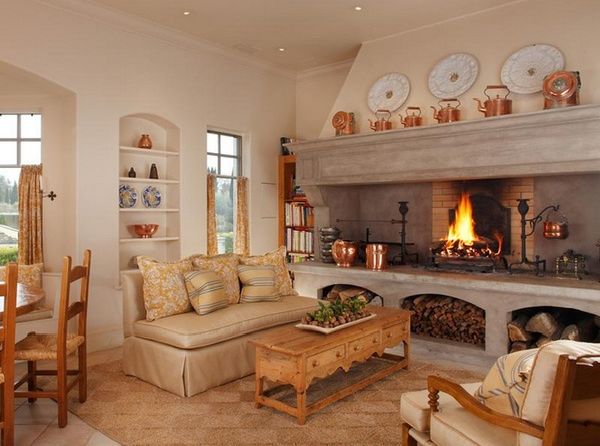
Texture is another quiet hero. Bark, gravel, wet wood, and leaf litter give the eye something to do after the first hit of color. If a photograph is only a wash of hue without tactile midtones, it may look pretty in a thumbnail and thin at full size. The better frames in this collection keep micro-contrast in trunks and ground so the season feels physical, not painted on in post.
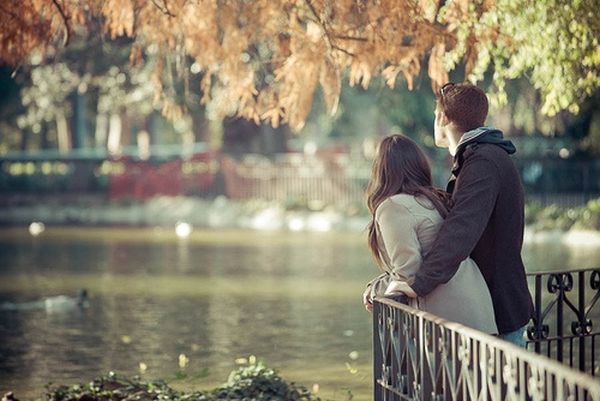
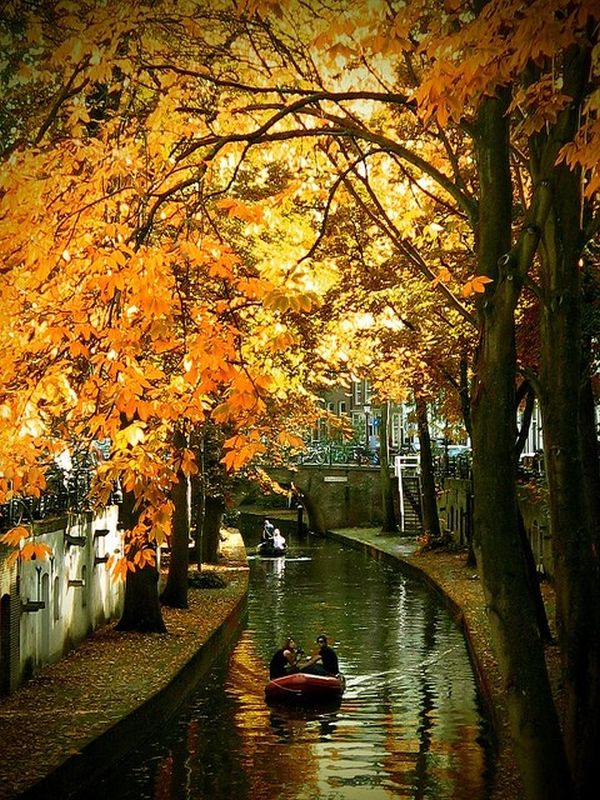
Mood varies across the set: some images lean bright and celebratory, others damp and contemplative. That range is useful. Autumn is not one emotion. It is harvest light and first frost, playground gold and empty bench. A gallery that only shouts “peak foliage!” misses half the season’s photographic interest.
Exposure, white balance, and optics
Expose for highlights when bright leaves meet pale sky; recover shadow carefully rather than blowing the brightest yellows into a flat plate. Cameras love to underexpose warm foliage against bright overcast, which can muddy the file if you lift shadows too hard later. Bracket a pair of frames when the dynamic range feels awkward, then choose the one that protects the important yellows and reds.
A polarizing filter can deepen sky and reduce glare on wet leaves, but turn it with intention—too much polarization can make foliage look unnatural and darken skies unevenly across a wide lens. On longer lenses the effect is easier to control. Use it as a tool for specific glare problems, not as a permanent autumn setting glued to the front of every walk.
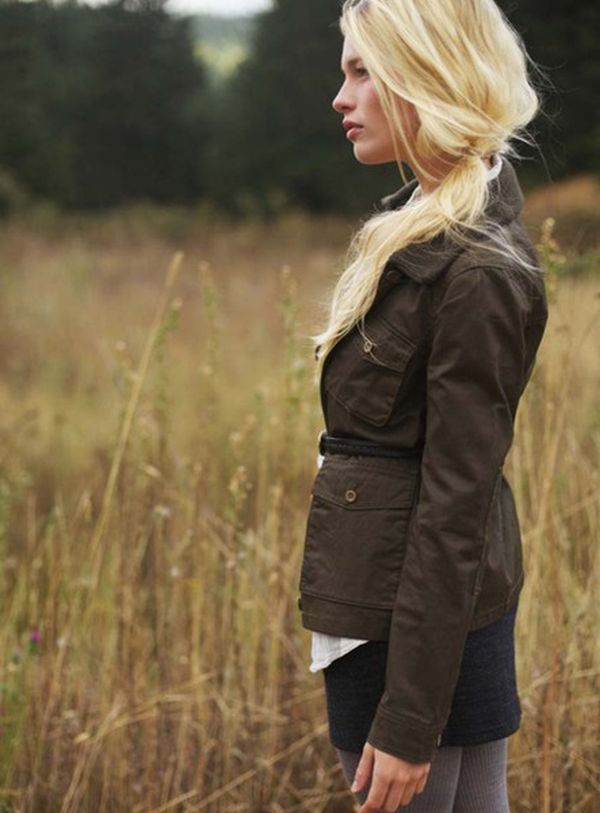
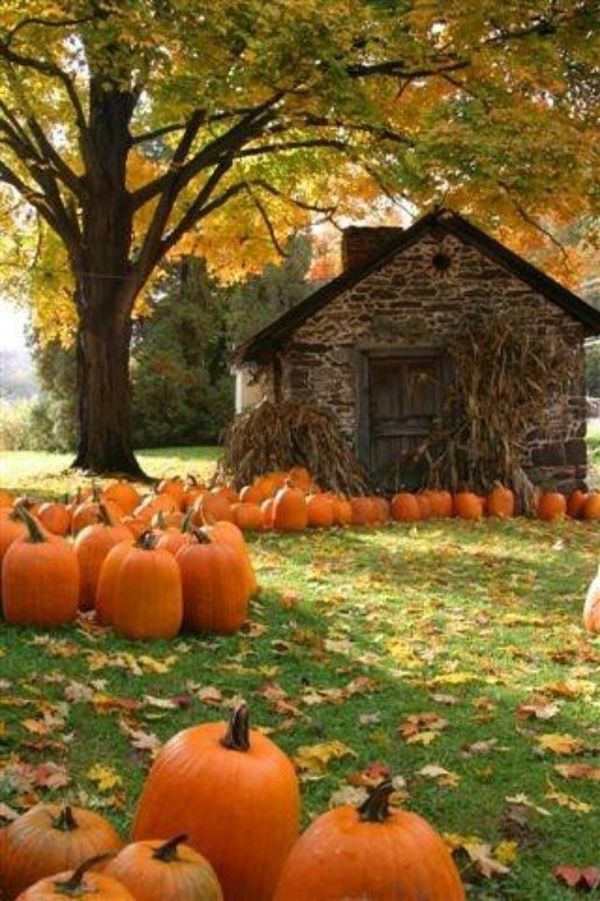
White balance is a creative choice in autumn. Slightly cooler processing can make warm leaves glow by contrast; overly warm processing can erase that relationship and turn the whole file into amber soup. Shoot RAW if you can, and decide later which temperature serves the mood. Do not let automatic white balance chase every cloud change into inconsistency across a series meant to hang together.
Lens choice shapes the story. A short telephoto compresses layered trees into tapestries of color. A wide angle can make a tunnel of canopy immersive if you plant a strong foreground—roots, a curve of path, a puddle. Prime lenses slow you down in a useful way; zooms help when weather windows are short. Neither replaces walking until the frame clarifies.
Composition and field craft
Get above or below the leaf litter sometimes. A high viewpoint shows carpet patterns; a low viewpoint turns stems into architecture. Include something that is not leaf—stone, water, sky, a fence line—so color has a neighbor. Watch for converging lines in trails and roads; autumn color can distract you from noticing when a horizon tilts or a bright sky hole punches through the top of the frame.
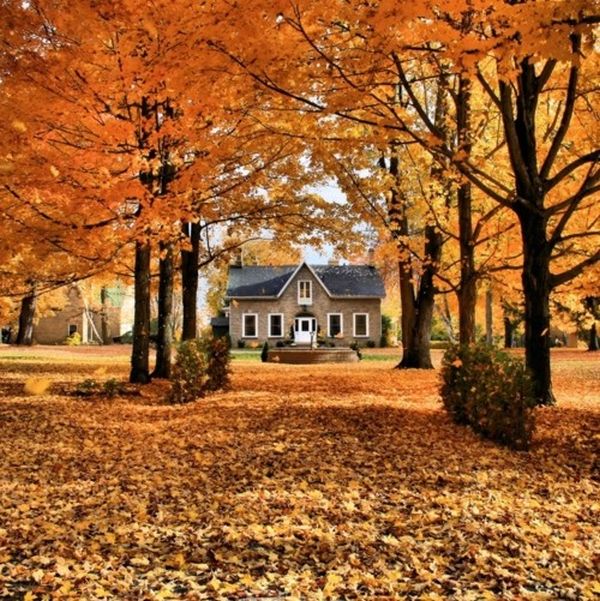
Protect gear from drizzle and keep cloths ready for misted front elements. Autumn mornings are hard on batteries and easy on condensation when you move between cold air and warm cars. Plan shorter loops with more waiting rather than long marches that force you to shoot in the worst light just to “get something.” Peak color is brief. Scout locations a week early. Watch wind forecasts—still air helps reflections; a breeze can turn long exposures into mush unless you lean into motion blur on purpose.
Edit with seasonal honesty. Saturation that looked festive at midnight on a bright monitor often looks cartoonish the next morning. Pull global vibrance back until trunks and skies still feel believable. Local adjustments can lift a muddy path without turning every leaf radioactive. The photographs in this set succeed when they treat autumn as weather and biology, not as a filter preset.
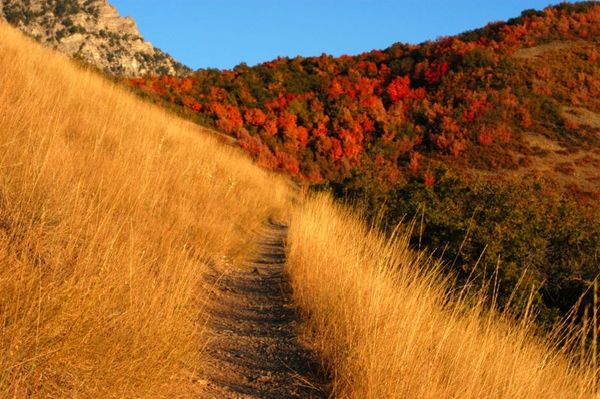
If you make only one frame this season, make it where warm leaves meet cool air and the path still invites one more step.

Comments
Continue reading
Dramatic Photo Art by Sukron Ma’mun (Ipoenk Graphic)
Cirebon, Indonesia photographer Sukron Ma’mun uses theatrical natural light to frame village life, play, and place in lyrical photo art.

Bird’s-Eye Views: Florian Beaudenon’s Instant Life
Paris photographer Florian Beaudenon’s Instant Life series captures people in their rooms from above—intimate, collaborative overhead portraits of everyday joy.
Abandoned Cars Reclaimed by Nature: Rust, Growth, and Quiet Ruin
When neglected vehicles are left outdoors long enough, rust, moss, and trees rewrite them into strange still lifes—sad, photogenic, and slowly returning to the ground.