
Backyard Dream Designs: Outdoor Rooms That Actually Work
Turn leftover lawn into an outdoor room—shade, seating, planting, and phased hardscape ideas for a backyard that matches how you really live outside.
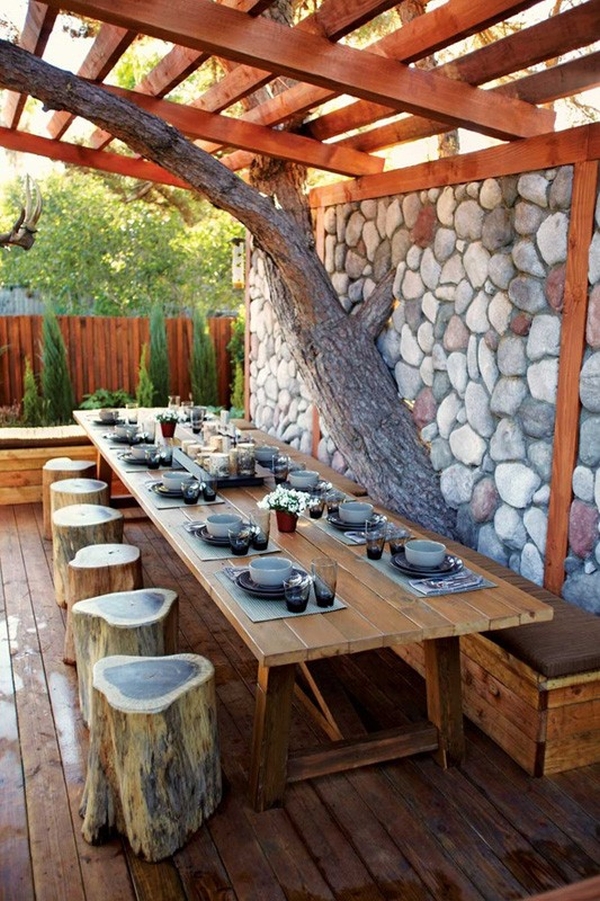
A backyard earns the word “dream” when it stops being leftover lawn and starts working like an outdoor room. That does not require a resort budget. It requires a clear use, honest climate planning, and a few strong moves—shade, seating, planting, and a path that tells guests where to go. The photograph below is a reminder of how layered a finished yard can look: structure, greenery, and places to linger stacked into one composition.
Use the ideas here as filters, not a shopping list. Copying every feature from a magazine spread is how yards become cluttered stage sets. Choosing two or three that fit your light, soil, and habits is how they become places you actually use after the first excited weekend.
Start with how you live outside
Before plant catalogs and patio pavers, write down the jobs the yard must do. Cooking and eating? Kids and open run space? Quiet reading? Entertaining a crowd twice a summer? Vegetable rows? A dog’s patrol route? Each job wants a different geometry. A dining table wants a level hard surface near the kitchen door. Play wants soft ground and sight lines from the house. A hammock wants two strong anchors and afternoon shade. Trying to force all of them into a small lot creates a thin version of everything and a good version of nothing.
Measure the real constraints: sun hours, wind, slope, neighbors’ windows, HOA rules, utility lines, and where water already goes when it rains. Dream designs fail quietly when they ignore drainage. A beautiful seating pad that ponds after every storm becomes a mosquito spa. Sketch the wet corners and the wind tunnels before you fall in love with a furniture layout.
Structure first, decoration second
Hardscape is the skeleton. Paths, patios, retaining edges, and fences decide circulation and privacy before any flower blooms. Materials should match the house enough to feel related—brick with brick, warm wood with warm siding—without becoming a clone. Large unbroken concrete slabs can feel harsh; breaking them with bands of gravel, timber, or planting pockets softens the plane. Curves calm; sharp geometry energizes. Either can work if the rest of the design agrees.
Vertical structure multiplies a small yard: a pergola, an arbor, a simple screen of tall grasses or espaliered fruit. Shade structures matter more than ornamental statues in hot climates. In cool, damp climates, covered seating extends the season more than another ornamental urn. Think of overhead planes as outdoor ceilings; without them, summer noon empties the patio and the dream stays indoors.
Planting that earns its keep
Dream backyards in photographs are often dense with layered planting—groundcovers, mid shrubs, and canopy—because emptiness photographs like unfinished business. At home, density should be strategic. Place the richest planting where you sit and look. Keep maintenance-friendly openness where you need play or vegetable sun. Choose a backbone of evergreens or strong winter structure so the yard does not vanish for four months. Add seasonal color in editable pockets rather than scattering one of everything.
Native and climate-adapted plants reduce watering drama and support local insects and birds. Mulch and proper spacing beat weekly emergency hose sessions. Trees are long bets: plant them for the shade you will want in a decade, not only for the sapling that looks polite today. Watch mature size; the cute tree beside a patio can become a root-and-leaf problem if it was never meant for that slot. Edit ruthlessly after year two—overplanting is a common “dream” mistake.
Water, fire, and sensory extras
Water features range from a simple bowl fountain to a full pool. Sound masks street noise; moving water also needs power, winterizing, and mosquito discipline if anything stands still. Pools are lifestyle commitments disguised as landscaping—budget for fencing, chemicals or salt systems, and the time they consume. If the dream is “cool feet and sparkle” rather than lap swimming, a plunge pool or even a well-designed outdoor shower and shade may deliver more joy per dollar.
Fire pits and outdoor fireplaces extend evenings and create a gathering magnet. Check local burn rules, keep clearances honest, and site smoke away from the neighbor’s laundry line and your own operable windows. Soft lighting—path markers, a pendant under a pergola, a warm wall wash—beats stadium floods. The goal is to see faces and steps, not to recreate noon at midnight. Dim scenes photograph less dramatically and feel better to inhabit.
Rooms without walls
The strongest yards feel zoned. A cooking terrace near the house, a lounge a few steps farther, a garden walk at the edge, a hidden bench behind tall planting. Changes in level, hedging, or paving pattern can mark rooms without building walls. Furniture should be weather-honest: materials you will not baby, cushions you can store, layouts that still allow a mower or a wheelbarrow through.
Storage and utilities belong in the plan early. Hose reels, trash, bikes, and grill gear will appear whether you draw them or not. A handsome screen or a small shed prevents the dream view from starring a pile of plastic pots. If you entertain, leave a clear path from kitchen to grill that does not cross the kids’ kickball lane every time.
Budgets and phases
Phasing keeps dreams solvable. Phase one might be grading, drainage, and a simple patio. Phase two planting and irrigation. Phase three a pergola or water feature. Doing decorative pieces first on bad soil is expensive regret. Get soil tests if you plan serious planting; amend once with a plan rather than annually with hope. Keep a contingency for irrigation fixes and for the tree that dies in the first dry summer.
DIY works for planting beds, painting fences, and simple furniture. Electrical, gas, major retaining walls, and tree work near power lines are where professionals earn their fees—and where mistakes cost more than the bid you skipped. A dream backyard is allowed to take three seasons. Instant “complete” yards often look dated fastest because they were styled for a single photo, not for growth.
A practical dream filter
- Pick one primary outdoor activity and design the best version of that first.
- Fix water flow and access before ornamental extras.
- Add shade and seating before sculptures and accent lighting.
- Plant in layers where you look; keep openness where you move and play.
- Choose materials you can maintain in your real climate and schedule.
- Leave a little unfinished on purpose—gardens need room to grow into themselves.
When you return to inspiration photos, ask what problem each element solves. The yards that feel like dreams in person usually solve shade, gathering, and green calm at once. Everything else is optional jewelry. Build the room, then decide which jewels your evenings actually need.

Comments
Continue reading
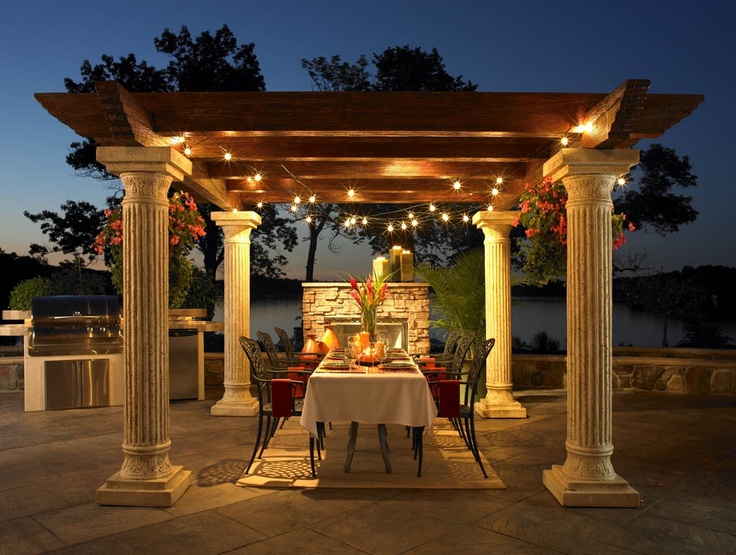
13 Outdoor Pergola Design Ideas for Backyards, Patios, and Gardens
Thirteen outdoor pergola ideas—from vine-covered walkways and poolside shade to modern dark frames and dining pavilions—to help you plan a backyard structure that fits your home.
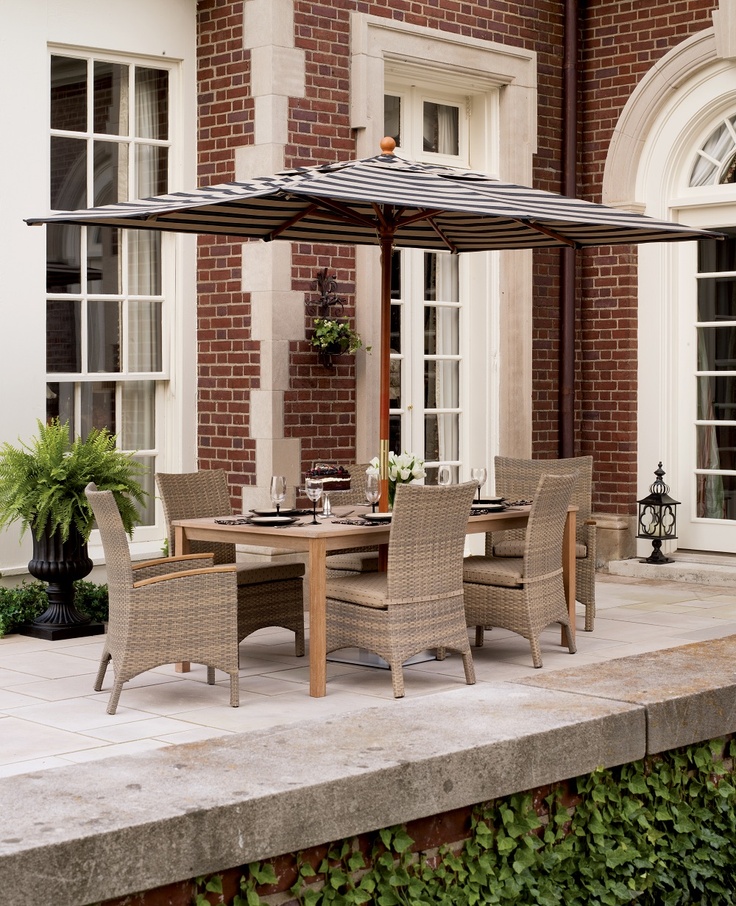
15 Outdoor Dining Design Ideas for Patios, Pergolas, and Gardens
Fifteen outdoor dining ideas—from striped-umbrella patios and vine pergolas to poolside picnic tables, floor-cushion picnics, and covered porch setups—with practical shade and layout tips.
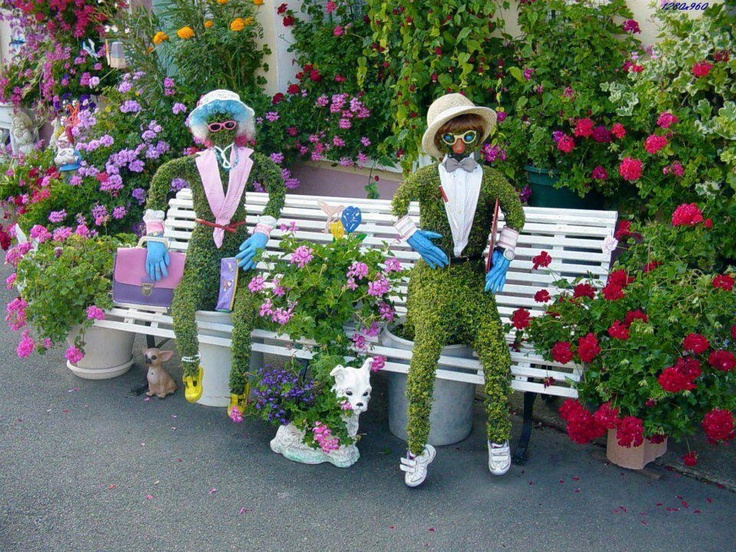
Garden Decoration Beyond Beds: Lace, Mosaiculture, and Upcycled Yard Art
From dressed topiary and floral cyclists to license-plate dragonflies and lace between trees—garden decorations that give a yard a voice.