
Antioxidant-Boost Fruit Salads for Breakfast, Lunch, and Summer Desserts
Easy fruit salad ideas built around berries, citrus, tropical mixes, yogurt, and savory-sweet plates—fresh summer bowls without the outbound recipe spam.
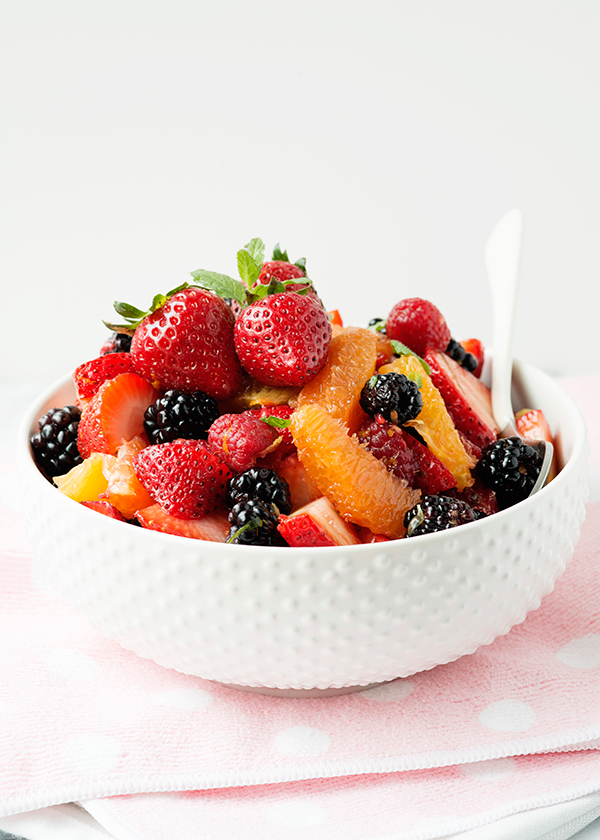
Fruit salads earn their reputation the quiet way: cut fruit, a light dressing, and flavors that stay bright without heavy cooking. High in antioxidants when you lean on berries, citrus, stone fruit, and colorful melon, they work as breakfast, a light lunch side, an afternoon snack, or a clean finish after dinner. Summer makes the job easier—markets and gardens push peak produce—but the same habits travel through other seasons if you shop by ripeness rather than by calendar nostalgia.
What follows is a practical kitchen guide built around the classic summer combinations people keep returning to: mint and citrus, tropical bowls, berry mixes, yogurt finishes, savory-sweet pairings with herbs and soft cheese, and a few sparkling or lightly spiked party versions. No affiliate recipe chase required—just methods you can assemble in minutes once the fruit is washed and ready.
Why antioxidants and fruit salads fit together
Antioxidants are not a magic label printed on a bowl. They are compounds—among them vitamin C, polyphenols, and carotenoids—concentrated in many vividly colored fruits. Berries, cherries, citrus, kiwi, pomegranate, and deep-hued melon are frequent kitchen allies. Eating them fresh, with skins on when appropriate, preserves more of what heat and long storage can diminish. A fruit salad is simply a structure that makes variety easy: instead of one apple at a desk, you get a plate of complementary textures and flavors that encourages finishing the bowl.
Balance matters more than stacking every “superfood” at once. Too many watery melons and the salad turns bland and wet. Too much sugar syrup and you lose the clean finish that makes fruit feel refreshing. Aim for contrast—sweet against tart, soft against crisp, juicy against creamy—and let antioxidants ride along as a benefit of colorful produce rather than as a marketing headline over the plate.
Core technique: cut, dress lightly, serve soon
Start with ripe but firm fruit. Soft overripe pieces collapse and cloud the juices. Wash berries gently and dry them so they do not dilute the dressing. Cut melon, pineapple, and stone fruit into bite-size pieces of similar scale so forks and spoons work evenly. Add bananas and avocado late if you use them; they brown and soften faster than berries or citrus.
Dressings should coat, not drown. A squeeze of lemon or lime, a spoon of honey or maple, chopped mint or basil, and a pinch of salt are enough for most bowls. For citrus-mint salads, zest a little peel into the mix before juicing so fragrance leads sweetness. For tropical bowls, lime juice and a whisper of coconut—flakes or a spoon of coconut yogurt—tie mango, pineapple, and papaya together without turning dessert into candy. Chill the bowl briefly if the kitchen is hot; cold fruit tastes brighter and holds shape longer at the table.
Mint, citrus, and summer sugar
Mint sugar is a small flourish with a large effect: mince mint with a spoon of sugar until fragrant, then toss with strawberries, stone fruit, or mixed summer berries. The sugar draws a light syrup; the mint keeps the bowl cool rather than cloying. Citrus segments—orange, grapefruit, blood orange in season—add bitterness and juice that berries alone cannot supply. Pair citrus with mint and a little olive oil for a salad that sits comfortably beside grilled fish or chicken as well as beside yogurt.
If you want a fruit cocktail feel without heavy syrup from a can, make a quick simple syrup, cool it, and spike only a portion for adults with a splash of dark rum. Dress the fruit lightly so the alcohol reads as aroma, not as a soak. Keep a virgin bowl for everyone else using the same syrup without rum. Sparkling versions work the same way: toss fruit with a little citrus, then spoon into glasses and top with chilled sparkling water or lightly sweet sparkling wine just before serving so bubbles stay lively.
Berry bowls and watermelon color play
Very-berry salads are antioxidant workhorses: strawberries, blueberries, raspberries, blackberries, maybe cherries. Keep them mostly whole or halved so they do not become jam. A spoon of yogurt—plain or lightly sweetened—turns the same mix into breakfast. Yellow watermelon with berries is a cheerful color trick that also balances sweetness; yellow flesh often tastes milder, so tart berries and lime keep the bowl awake. Red-white-and-blue combinations (watermelon or strawberries, banana or apple, blueberries) are festive without needing novelty molds—just clean cuts and a short chill.
Watermelon also partners well with savory notes. Thin cucumber, crumbled soft cheese, basil or mint, and a grind of black pepper turn fruit into a lunch plate. Strawberry-cucumber salads follow the same logic: salt lightly, add herbs, and use a mild vinegar or lemon instead of heavy cream dressings. The goal is refreshment that still feels like a meal component, not only a dessert side.
Tropical, avocado, and creamy finishes
Tropical fruit salad thrives on pineapple, mango, kiwi, banana, and citrus. Acid is essential; without it, tropical fruit can taste flat and sticky. Toast a few coconut flakes for crunch if you like texture. For a cooler dessert angle, serve tropical fruit beside a small scoop of coconut-lemon sorbet or spoon sorbet over the fruit at the last minute so it softens into a sauce without melting into soup on the counter.
Avocado fruit salad belongs to the savory-sweet family. Ripe avocado cubes with citrus, berries or mango, red onion shaved thin, cilantro or basil, and a lime dressing make a lunch bowl that holds protein well if you add shrimp, leftover chicken, or beans on the side. Handle avocado gently and dress immediately so cut surfaces stay green. Yogurt fruit salads are simpler: fold cut fruit into thick yogurt with honey and nuts, or keep yogurt as a dollop so crunchy toppings stay crisp.
Savory fruit salads for the dinner table
Peach and prosciutto, melon and mozzarella, strawberry with mozzarella and basil—these plates treat fruit as a seasonal ingredient beside salt and fat rather than as a sugar course alone. Use ripe peaches or nectarines that still slice cleanly. Drape thin prosciutto; do not bury the fruit. Fresh mozzarella or burrata wants good olive oil, cracked pepper, and herbs. Serve soon after plating; salty meats and soft cheeses weep onto fruit if they sit too long.
Spinach, almonds, and berries make another sturdy template: baby greens as the base, berries for sweetness, toasted almonds for crunch, and a vinaigrette that is more tart than sweet. This is the antioxidant boost in everyday form—leafy greens plus fruit—without pretending a salad must be either “diet food” or a dessert impostor. It is simply a composed plate that uses summer produce well.
Make-ahead, storage, and small kitchen truths
Most fruit salads are best within a few hours. Melons and citrus hold longer than berries and bananas. If you need to prep ahead, cut sturdy fruit, store chilled, and add berries, banana, avocado, herbs, and dressings close to serving. Drain excess juice before guests arrive if the bowl has sat; watery salads taste tired. A pinch of salt and an extra squeeze of citrus can revive a bowl that has rested.
Buy what smells and feels ready. Underripe melon will not sweeten in the bowl. Overripe berries stain everything and collapse. Nuts and seeds toast quickly in a dry pan and make even a simple yogurt fruit cup feel finished. Leftovers can become smoothie material the next morning—better than forcing soggy fruit through a second appearance at the table.
Building your own rotation
Keep a short list rather than a binder of complicated recipes. One mint-citrus berry bowl for breakfast. One tropical lime bowl for hot afternoons. One savory peach or melon plate for dinner guests. One yogurt-and-berry cup for snacks. Rotate what the market offers and change only the herb, the acid, or the creamy element. That is how fruit salads stay easy and quick without becoming repetitive.
Antioxidant-rich fruit is not a prescription; it is a habit of color and freshness on the plate. When the bowl looks lively and tastes bright, you are already doing the useful part. Cut carefully, dress lightly, serve while the fruit still has its own voice—and let summer ingredients do the rest of the talking.

Comments
Continue reading
Healthier Summer Cocktail Recipes You Can Mix at Home
Clear criteria, fresh-ingredient recipes—from daiquiri to cucumber margarita—and a straightforward responsible-drinking note for warm-weather home bartending.
Cool Non-Alcoholic Drink Recipes for Hot Days
Alcohol-free coolers for hot weather: jal jeera, iced teas, strawberry lemonade, peach coolers, agua fresca, milkshakes, cordials, and homemade sodas.
9 DIY Picnic Blanket Projects for Parks, Patios, and Beaches
Oilcloth classics, sunburst piecing, patchwork, roll-up straps, geometry, vintage tablecloths, and date-night sizes—nine DIY picnic blankets you can sew (or nearly sew) yourself.