
50 Sleeve Tattoo Ideas for Women: Floral, Blackwork, Color, and Ornamental Designs
Full, half, and quarter sleeve inspiration for women—florals, black-and-grey, geometry, animals, color, and script—with planning and healing notes.
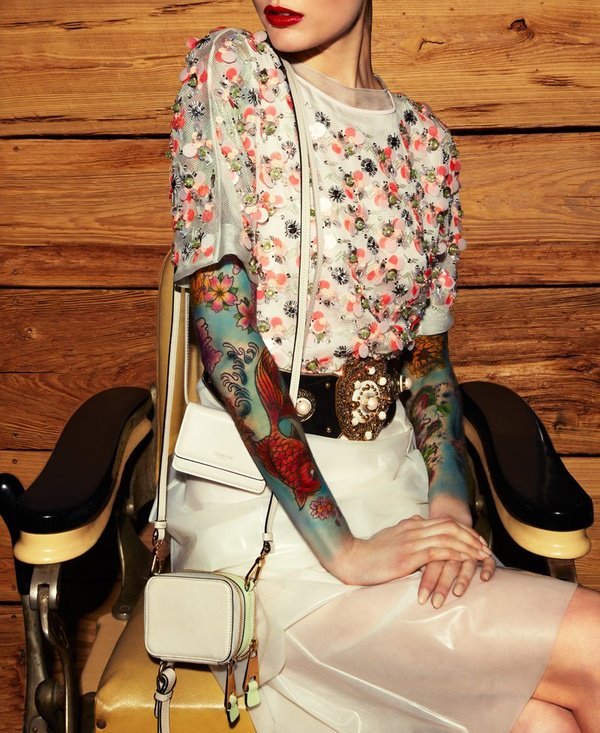
A sleeve is not one tattoo—it is a composition that travels with the arm’s shape, from shoulder curve to wrist bone. For women who want ink that reads as a complete visual statement rather than scattered stamps, sleeves remain one of the strongest placements: they move when you gesture, disappear under a blazer when you need them to, and reward careful planning more than almost any other spot on the body.
Length is the first decision. A full sleeve typically runs from shoulder to wrist. A half sleeve usually covers shoulder through elbow (or elbow through wrist, depending on the studio’s language). A quarter sleeve sits mainly on the upper arm or deltoid. Many women start with a quarter or half and leave open skin for later chapters; others commit to a full map from day one. Neither path is wrong—only mismatched pacing is. The gallery below gathers sleeve ideas across florals, blackwork, color realism, ornamental pattern, nature motifs, and mixed narratives so you can talk style with an artist instead of pointing at a random pin and hoping for the best.
Full, half, and quarter: choosing coverage
Think about clothing and career before you fall in love with a wrist-to-shoulder color bomb. If you need easy concealment, a half sleeve that stops above the elbow often works better than a full piece that peeks from every short sleeve. If you love the drama of continuous coverage, plan negative space so the arm does not look muddy from a distance. Sleeves fail most often when every inch is filled with equal intensity—your eye needs rest zones, soft fades, or open skin so focal motifs can breathe.
Sessions for sleeves are rarely one sitting. Expect multiple appointments, healing time between them, and a budget that covers outlining, fill, and later touch-ups. Skin on the inner arm and near the elbow crease tends to be more tender; outer arm and deltoid are usually more tolerable. Eat well, sleep, and hydrate before long sessions. A sleeve is endurance art as much as it is design.
Floral and botanical sleeves
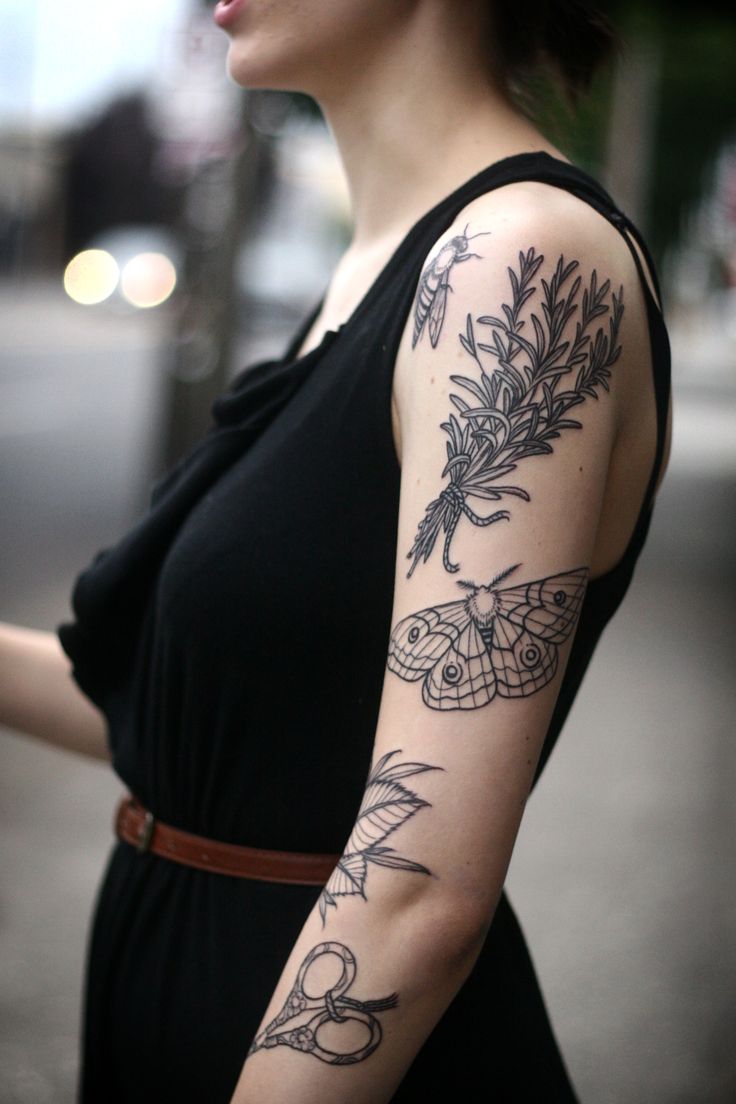
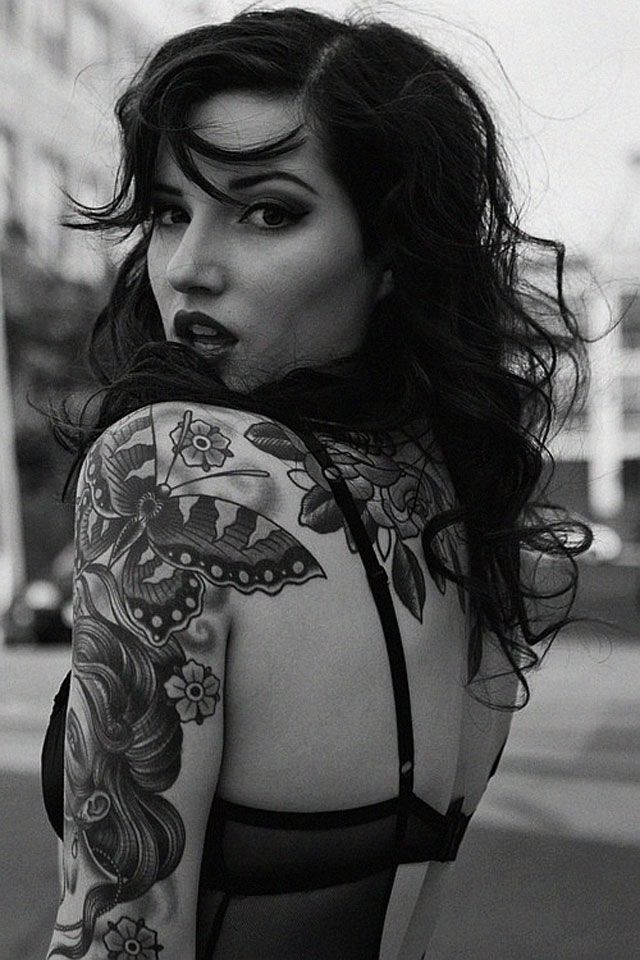
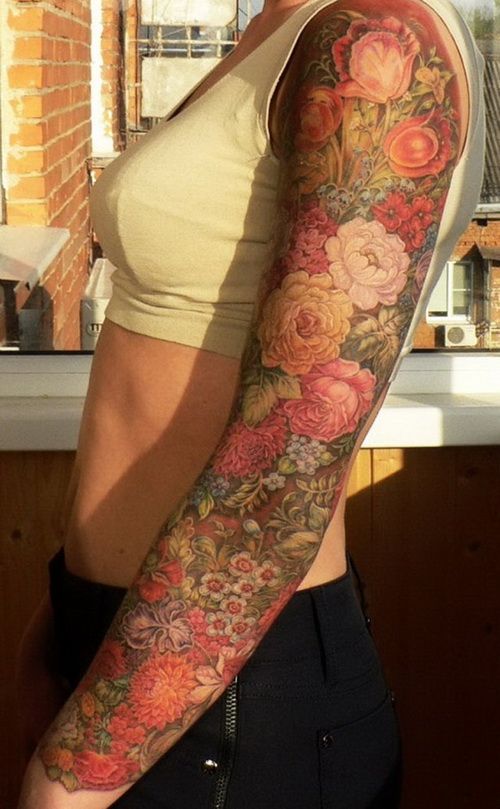
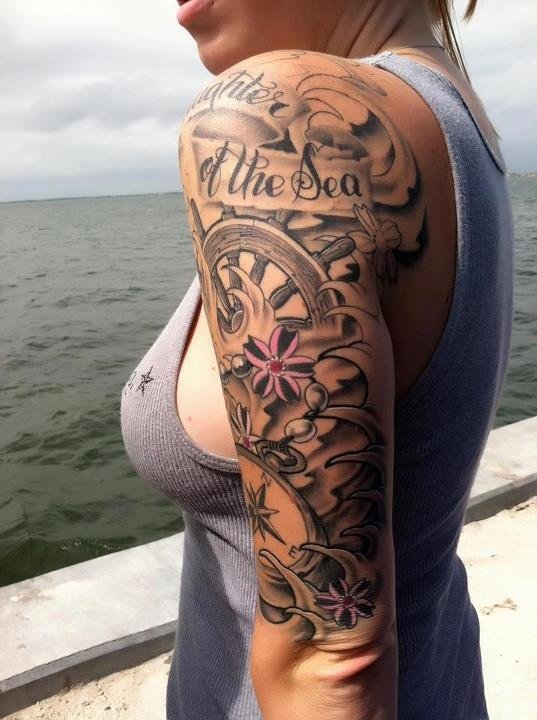
Florals dominate women’s sleeve inspiration for good reason: petals follow muscle contour, stems create natural vertical flow, and color ranges from soft watercolor washes to saturated neo-traditional blooms. Roses, peonies, cherry blossoms, wildflowers, and ferns all travel well from shoulder to forearm. Ask your artist to design growth direction intentionally—flowers that climb toward the shoulder feel different from vines that pour toward the hand.
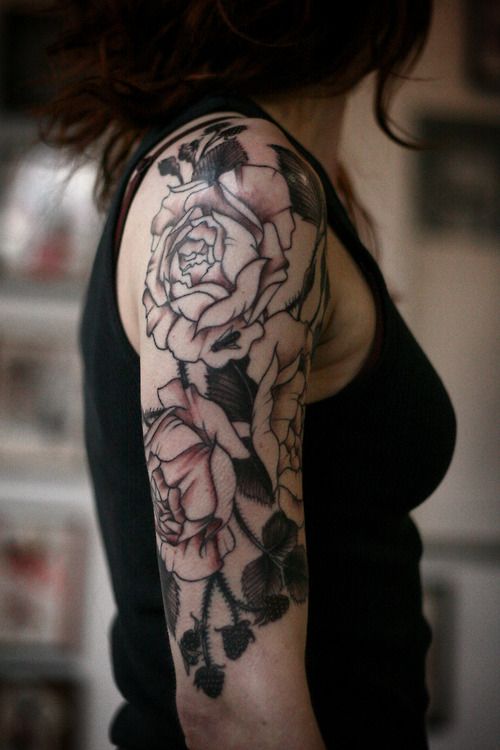
Color florals need lifelong sun discipline. Arms catch light constantly. High-SPF habits and clothing coverage when you can spare it keep pinks and yellows from fading into ghosts. Black-and-grey botanicals age more quietly and suit monochrome wardrobes. Either way, leave room around large blooms; overcrowding turns a garden into camouflage.

Black-and-grey and illustrative depth
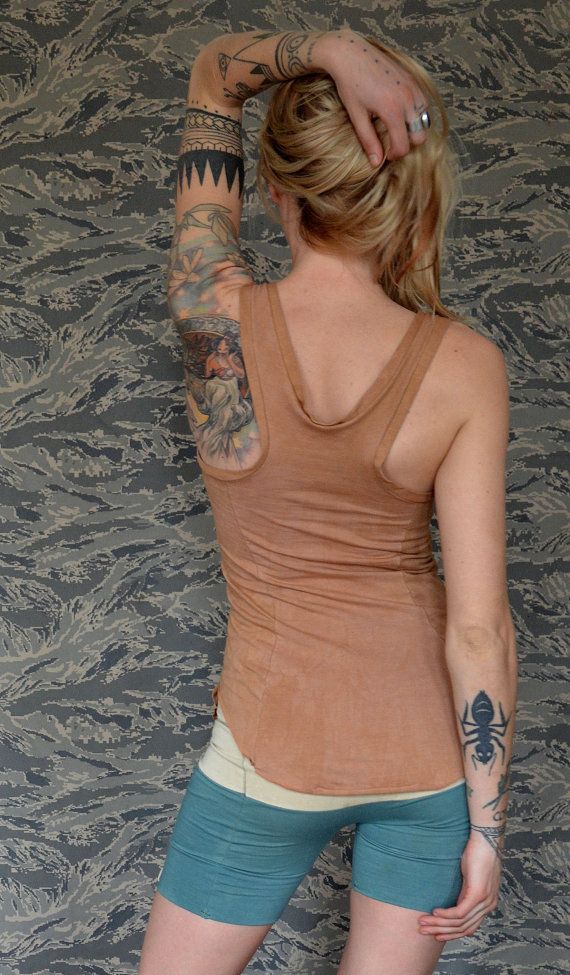
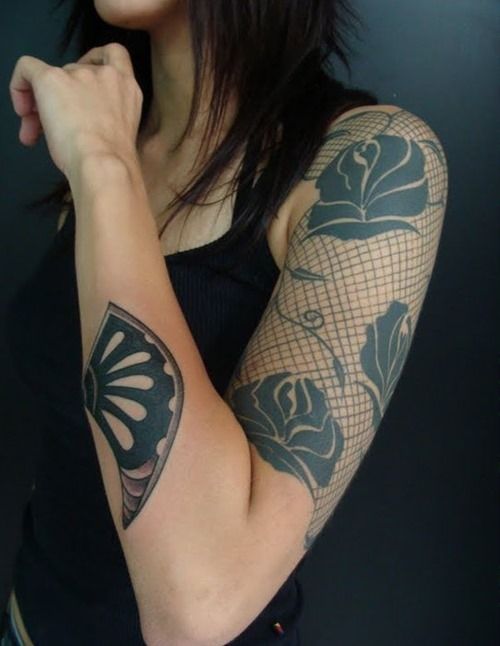
Black-and-grey sleeves rely on contrast, soft shading, and silhouette. Portraits, animals, clocks, lace-like ornament, and stormy landscapes all thrive without color. This approach can look elegant under professional dress and still read powerful in a tank top. The craft challenge is value control: muddy midtones make a sleeve look unfinished within a few years. Choose an artist whose healed work—not just fresh Instagram flash—shows crisp edges and clean gradients.
Illustrative sleeves borrow from drawing and printmaking: line weight changes, stipple, and graphic fills. They sit between pure realism and traditional bold outlines. If you like art that feels sketched onto the body rather than photographed there, this lane is worth a consultation.


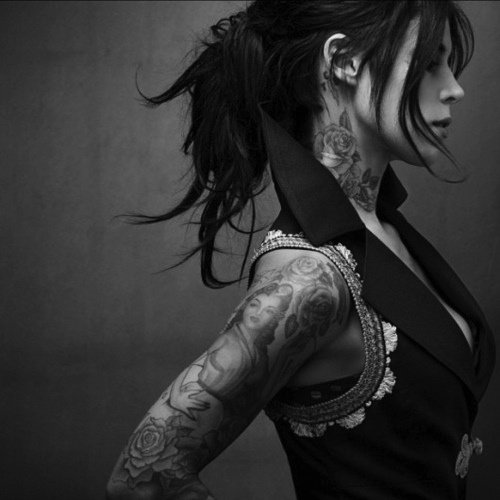
Ornamental, mandala, and geometric sleeves
Pattern sleeves—mandalas, lace, sacred geometry, jewelry-like bands—treat the arm like architecture. Symmetry and precision matter; a skewed circle on a curved biceps is obvious. Dotwork and fine-line ornament look delicate in photos and demand excellent technique plus careful aftercare, because ultra-fine marks can blur if overworked or poorly healed.
Geometry also pairs well with larger motifs: a floral sleeve framed by triangles, or a portrait nested in ornamental borders. Decide early whether pattern is the star or the supporting cast. When everything competes, nothing wins.
Animals, birds, and living nature
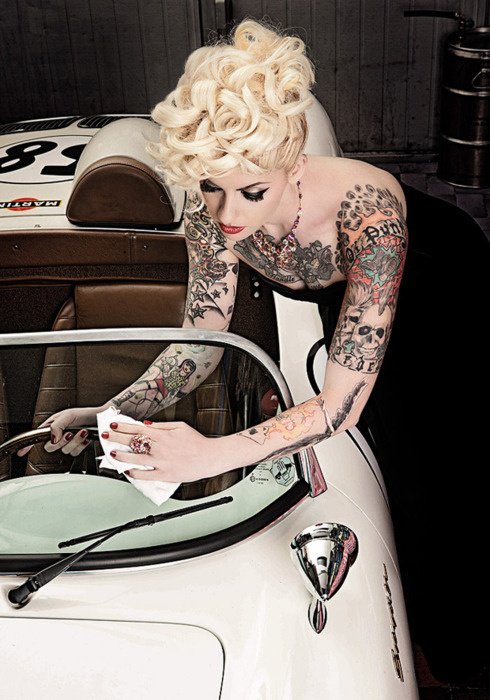
Wolves, foxes, cats, snakes, swallows, moths, and koi show up constantly in sleeve boards—and for good reason. Animals give the arm a character and a narrative. Japanese-influenced sleeves often weave fish, waves, wind bars, and florals into one continuous weather system. Western neo-traditional animals use bold outlines and limited color palettes that age with dignity.
Placement tip: put faces or heads where the muscle is stable and the viewer’s eye naturally lands—outer upper arm and outer forearm are common anchors. Tails, vines, and water can wrap the inner arm to connect the story without forcing a second “main character” into a crowded zone.



Color, watercolor, and painterly sleeves
Saturated color sleeves feel celebratory and personal. Watercolor styles—soft bleeds, splash edges, minimal outlines—photograph beautifully when fresh. Talk honestly with your artist about how those edges may soften over years; many painters now combine watercolor washes with stronger structural lines so the piece does not dissolve into haze. Traditional and neo-traditional color, by contrast, uses deliberate outlines that hold shape as pigments mute.
If you already have small color tattoos elsewhere, bring photos to the consultation so palette and line language can relate. A sleeve that ignores your existing ink can make the whole body look accidental.


Script, dates, and mixed-media sleeves
Lettering inside a sleeve works best when it is designed as part of the composition, not dropped into a leftover gap. Script along the inner bicep or forearm can stay private; bold caps on the outer arm become public. Size type for the future: micro lettering that looks precious today can become unreadable after years of sun and natural skin change.
Mixed sleeves—flowers plus clocks, maps plus birds, portraits plus ornament—succeed when one theme leads and others support. Write a one-sentence story for your artist (“growth after loss,” “family and travel,” “quiet strength”) and let them translate it into hierarchy. Pinterest dumps without a thesis produce patchwork arms.

Working with an artist and healing well
Bring references that show mood, density, and color—not a mandate to copy someone else’s arm. Custom design that fits your musculature will always look more intentional than a stencil stretched onto the wrong body. Ask to see healed photos of sleeves, not only shiny fresh work. Discuss timeline, deposit, and how freehand versus stencil will be used around elbows and wrists.
Aftercare is not optional theater. Keep the piece clean, moisturized as directed, and out of pools, oceans, and direct baking sun while it heals. Do not pick. If you tattoo for self-expression, protect that expression the same way you would protect a painting you paid serious money for—because you did.
Sleeves are long relationships with your own skin. Use this gallery to clarify taste: botanical or geometric, quiet grey or loud color, half coverage or full commitment. Then sit with an artist who draws for your arm specifically. The best women’s sleeves do not chase trends; they look inevitable once they are finished, as if the design had been waiting for that particular shoulder and wrist all along.

Comments
Continue reading
Stunning Tattoo Ideas For Women #2
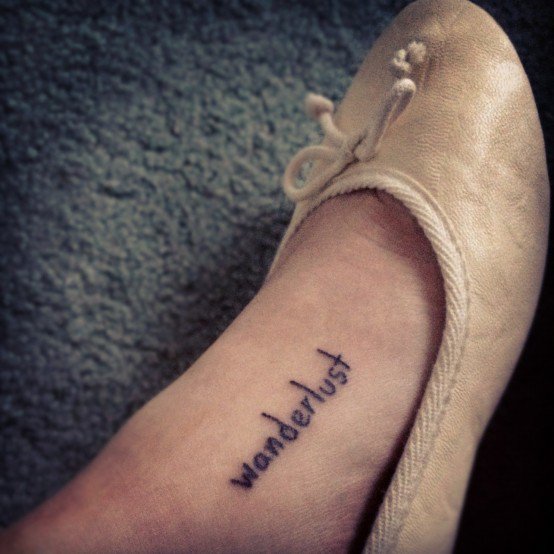
Lettering and script tattoo ideas for women—typography on skin, reading order, mottos like La bella vita, and how to choose a lasting sentence.
Stunning Tattoo Ideas For Women
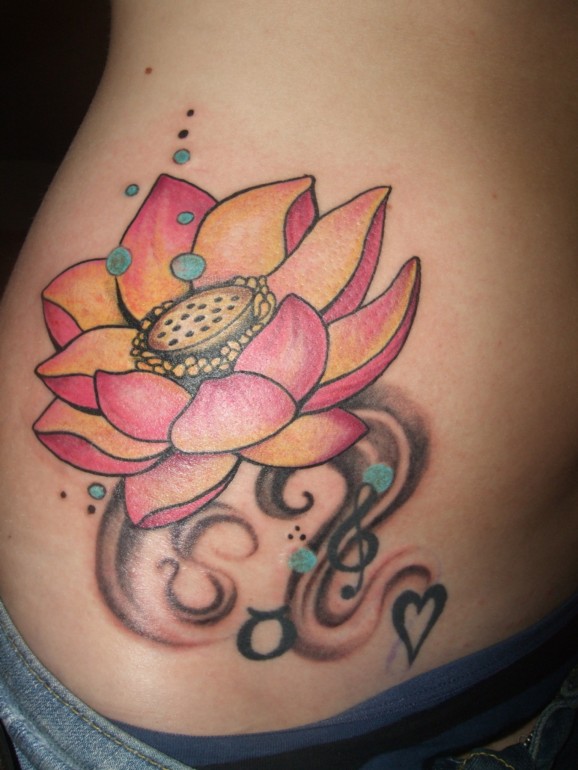
Botanical and ornamental tattoo ideas for women—placement as composition, motif families, and consult tips in a practical gallery tone.
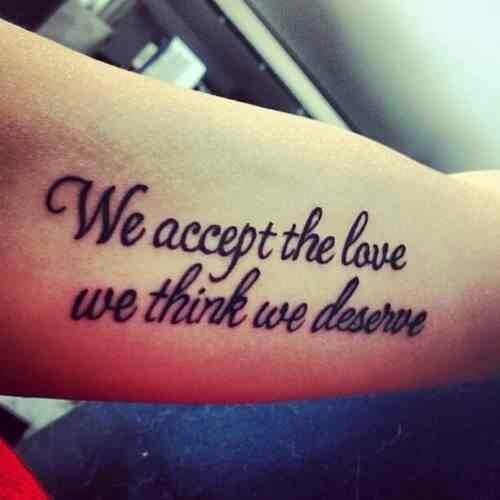
Meaningful Love Quotes for Inspiration (and Ink)
Meaningful love quotes that still feel true — short lines for tattoos, gifts, and everyday reminders, with placement and wording tips.