
Handmade Knit Hats for Women: Fit, Yarn, and Brim Logic
Practical criteria for knitting or choosing a women’s handmade knit hat—head fit, yarn behavior, brim style, crown shaping, and care that keeps winter style wearable.
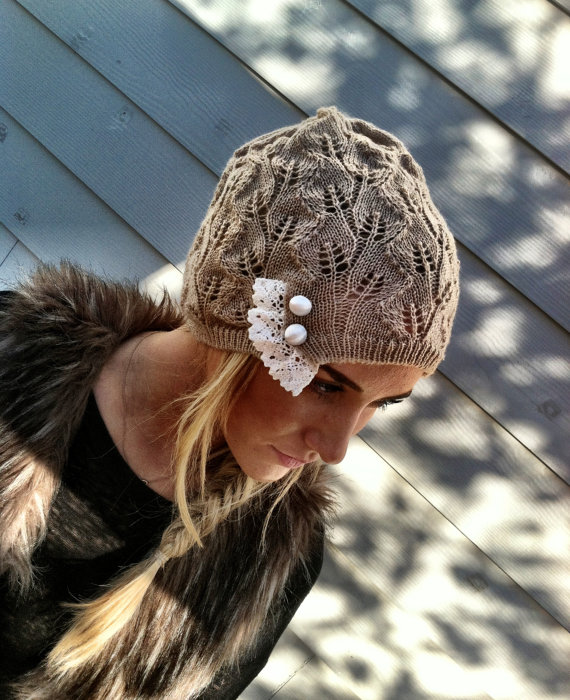
A handmade knit hat for women has two jobs that sometimes quarrel: it must keep heat in, and it must sit in a way that feels like style rather than apology. Yarn weight, stitch pattern, brim treatment, and crown shaping decide both outcomes. Buying a finished hat can solve a cold morning quickly; knitting your own—or evaluating a handmade one with clear criteria—gives you control over fit, fiber, and how the hat frames the face. This guide focuses on practical decisions, with a gallery of handmade examples for silhouette inspiration rather than shopping prompts.
For fashion and function in the same object, start with climate and hairstyle, not with the prettiest photo. A dense wool beanie under a hood is a different project from a soft slouch beret worn to brunch. Write those constraints down before you cast on or before you spend money on someone else’s handwork.
#1
#2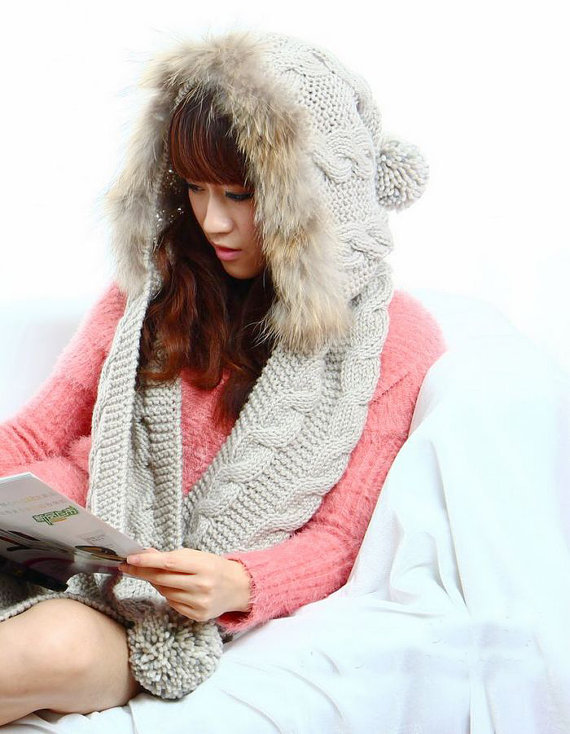
#3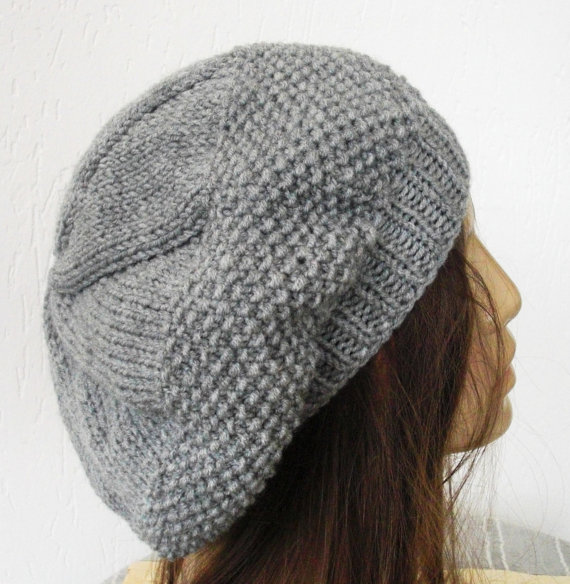
Fit criteria before you cast on
Measure head circumference where the hat will sit—usually just above the ears and across the mid-forehead. Adult women’s sizes often fall roughly in the 54–58 cm range, but individuals vary more than size charts admit. Negative ease (knitting a finished circumference slightly smaller than the head) helps ribbed brims cling; too much negative ease gives headaches after twenty minutes. Positive ease suits berets and soft slouch shapes that drape rather than grip. A good starting point for many close-fitting beanies is about 2–5 cm of negative ease in stretchy ribbing; for non-stretchy textured fabric, ease closer to zero and rely on accurate circumference.
Decide depth next. A beanie that covers the ears fully needs more length than a shallow fashion cap. If you wear glasses, test whether a deep brim pushes frames up your nose. If you wear a high bun, twists, or thick braids, choose a taller crown or a design with intentional room at the back; a tight skullcap will ride forward and expose the ears you meant to warm. People who bike or walk in wind often want ear coverage plus a brim that stays put when a hood goes on and off.
Try-on checkpoints for any handmade hat: the brim sits level, not higher on one side; the crown does not cone into a witch point unless that is the design; the fabric recovers after you stretch it on and off; and looking down does not dump the hat onto your eyelashes. Pin a paper headband mockup if you are unsure about depth before committing yarn. When buying handmade, ask for finished circumference and length in centimeters rather than only “one size.”
#4
#5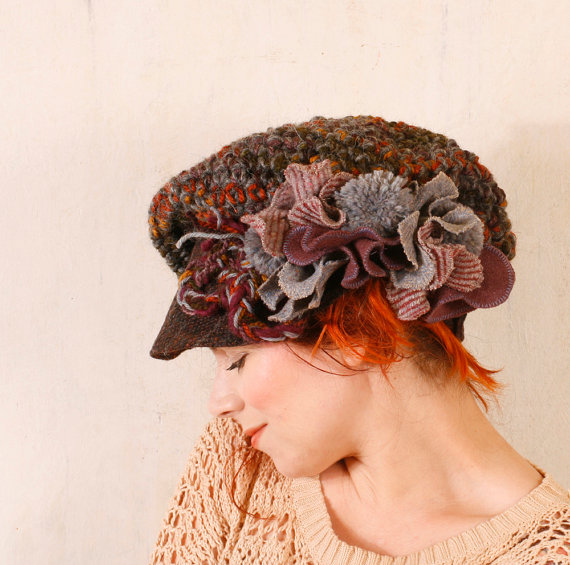
#6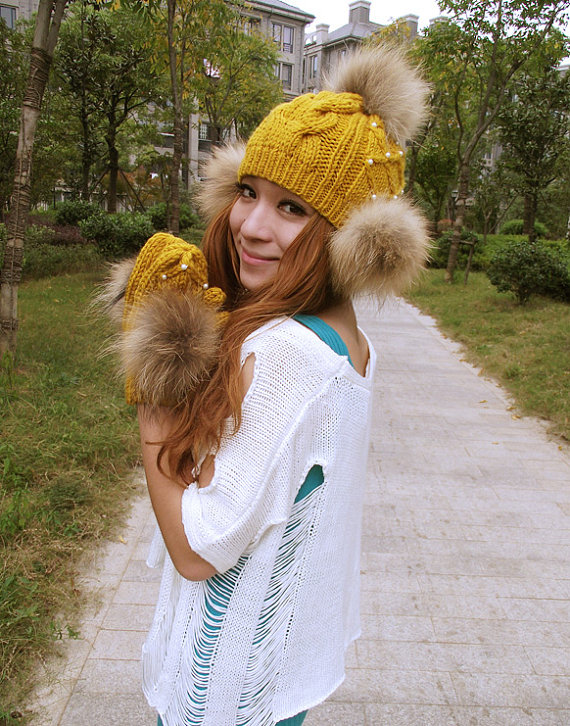
Yarn and gauge that match the weather
Wool and wool blends remain the workhorses for cold-weather hats because they insulate when damp and recover shape. Merino feels soft against foreheads; tougher down breeds and sturdy blends pill less under coat collars. Alpaca is warm and drapey but can grow with wear—plan structure (ribbing, denser gauge, or a folded brim) if you dislike a stretching edge. Cashmere blends feel luxurious; treat them as special-occasion knits unless you accept more careful washing. Acrylic can be practical for easy care and bright color, yet it breathes differently and may feel clammy in wet cold; choose yarns with some spring rather than lifeless foam-hand acrylics.
Yarn weight should match the job. DK and worsted weights cover most everyday women’s hats. Aran and bulky make fast, architectural pieces that can feel heavy indoors. Fingering-weight hats need denser fabric or double strands if you want real warmth. Hold a swatch against a winter window; if you can see daylight through the stitches and you need commuting warmth, go denser or thicker.
Gauge is not bureaucracy. A hat knit looser than the pattern intends becomes a wind sieve; knit tighter than intended and it may not fit or may feel cardboard-stiff. Swatch in the round if the hat is worked in the round—flat swatches lie about tension for many knitters. Wash and dry the swatch the way you will treat the hat. Blocking changes ribbing bounce and lace openness. Record your needle size on a tag sewn inside or in a notebook so you can remake a favorite later.
Color and stitch interact. Busy variegated yarns hide cables; solid or tonal yarns show texture. If your goal is a polished street look, a clean rib, simple stockinette with a folded brim, or a modest cable often photographs better than novelty eyelash yarns that date quickly. High-contrast stripes can lengthen or widen the face visually—try the yarn against your cheek in daylight before committing a whole skein.
#7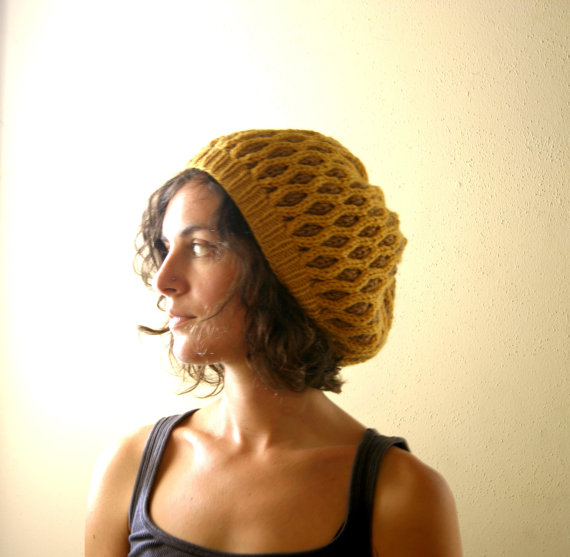
#8
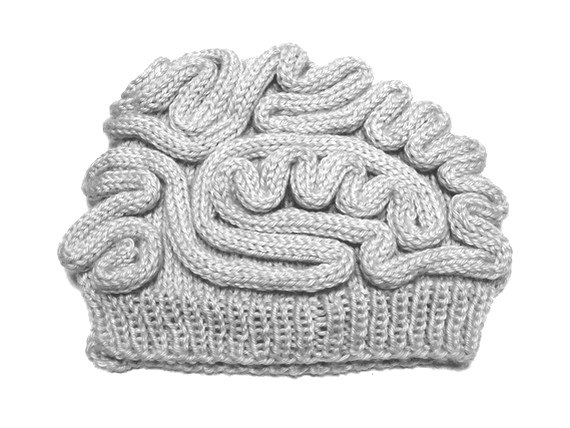
#9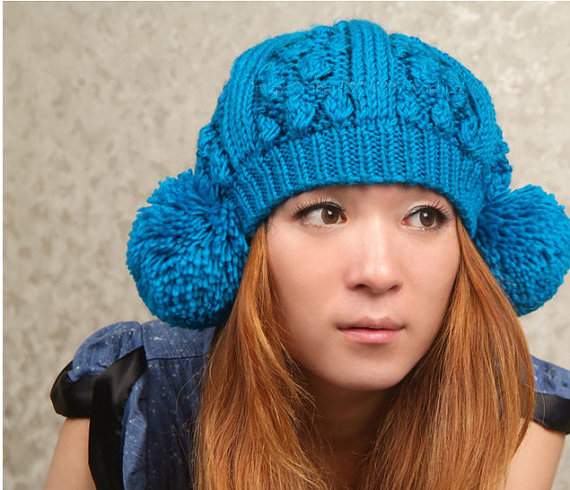
Brims, crowns, and construction choices
Brim options carry most of the style signal. A folded rib brim looks classic and doubles warmth at the ears. A single-layer rib is lighter and good for mild weather. A stockinette roll brim is casual and forgiving of imperfect tension. A beret-style band sits narrower and asks for accurate head measurement. Picot or decorative cast-ons look delicate; reinforce them mentally as fashion-first unless the yarn is sturdy. Tubular cast-ons give a polished rib edge if you are willing to learn one new technique for a hat you will wear weekly.
Crown shaping should match the silhouette you want. Gradual decreases create a rounded top that sits neatly under hoods. Sudden gathered crowns create pouf—fine for slouch, awkward under bike helmets. Spiral decreases look fluid in stockinette; sectioned decreases suit cables that need to finish cleanly. When sewing a flat-knit hat seam, use mattress stitch and keep the seam at the back. Weave ends securely; a hat’s inside takes abrasion from hair clips and glasses arms. A dangling yarn tail against the forehead will annoy you all winter.
Linings and double-brim constructions add comfort for sensitive foreheads and windy commutes. A soft fleece lining sewn into a finished knit hat is a valid hybrid if pure wool itches. Keep the lining shorter than the outer crown so the hat does not balloon. Some knitters work a double brim by folding a long rib section inward and stitching it—warm, tidy, and excellent for gift hats that must feel “finished.”
#10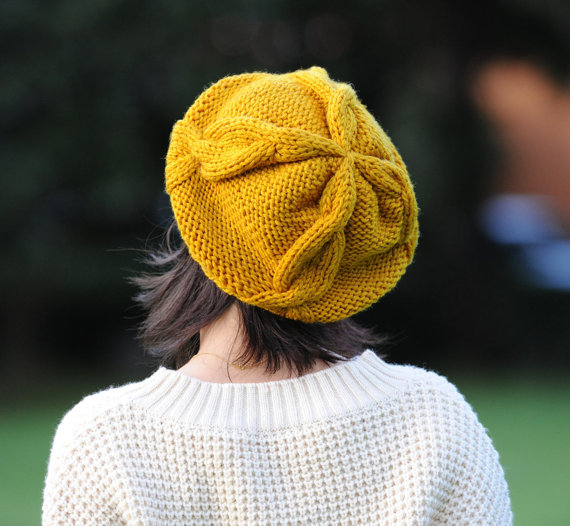
#11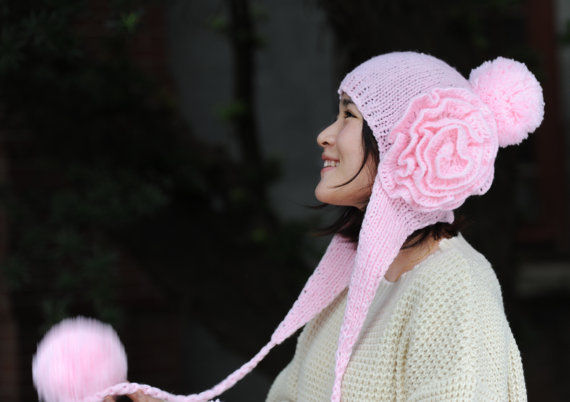
#12
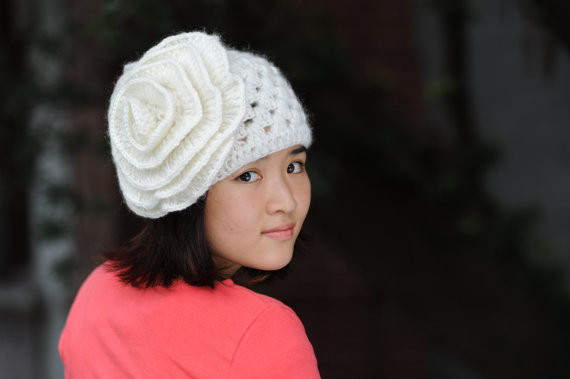
Reading the gallery like a maker
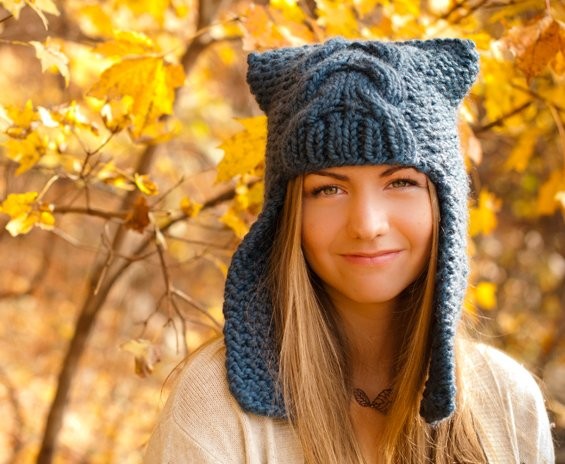
Use the numbered examples as a silhouette study. Ask of each image: Is the brim folded or single? Does the crown slouch or sit close? Is the stitch smooth, ribbed, cabled, or novelty? Would this hat clear a coat collar? Would it work with bangs or a side part? Those questions train your eye faster than collecting random patterns.
If you are choosing among handmade hats rather than knitting, apply the same criteria in person when possible. Stretch the brim gently and watch recovery. Look inside for secure ends and even tension. Check whether the fiber content matches your climate and care habits. A beautiful hat that cannot be washed when a commute soaks it will not stay in rotation. Smell and hand-feel matter too—some dyes and finishes bother sensitive skin only after an hour of wear.
Care that protects the handknit look
Most wool hats prefer cool hand washing or a wool cycle in a mesh bag, then drying flat. Avoid hanging wet hats; crowns stretch into odd points. Store folded or on a short shelf—do not crush under heavy stacks. Refresh with a steam pass if the brim softens, reshaping on your head or a bowl of similar circumference while damp. Keep moth prevention sensible if you store wool over summer: clean first, then use sealed bins or cedar with airflow rather than perfume bombs that leave residue.
Pilling happens where coats rub. A gentle sweater comb keeps a handmade hat looking intentional. If a pom-pom is attached, secure it so it can be removed for washing; soaked pom-poms dry slowly and can bleed color onto the crown. Replace a tired pom-pom rather than retiring an otherwise good hat.
Whether you cast on tonight or simply choose more carefully among handmade options, the standard is the same: a women’s knit hat should warm without fighting your glasses, hair, and coat—and look like it belongs to you when you catch your reflection in a dark winter window.

Comments
Continue reading
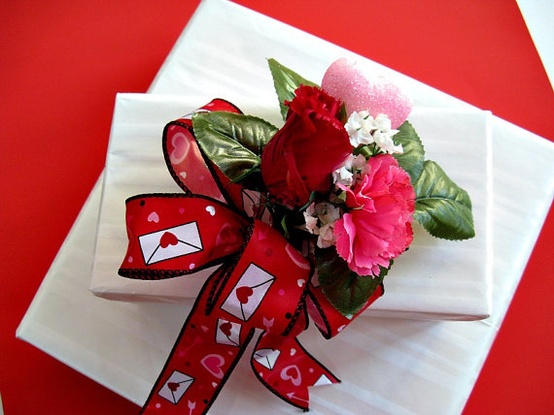
Simple, Cute Valentine Gift Wrapping Ideas
A craft guide to personalized Valentine wraps—kraft bases, paper hearts, ribbon, tags, and texture mixes—using inexpensive supplies and the gallery examples as patterns.
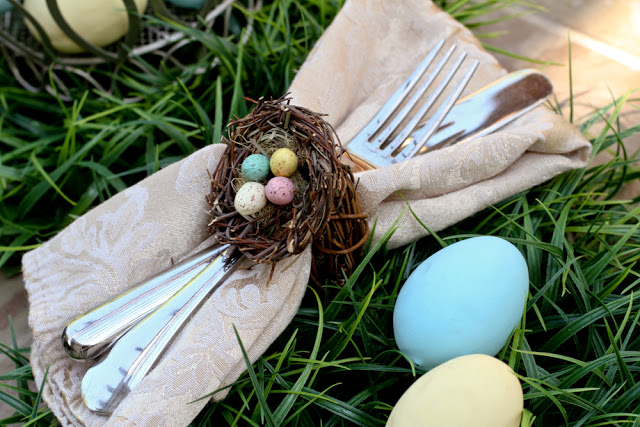
DIY Spring and Easter Napkin Rings for the Holiday Table
Make Easter and spring napkin rings—nest, knit flower, bunny, scrap-flower, and edible styles—with sizing, food-safety, and batch tips for a calm tablescape.
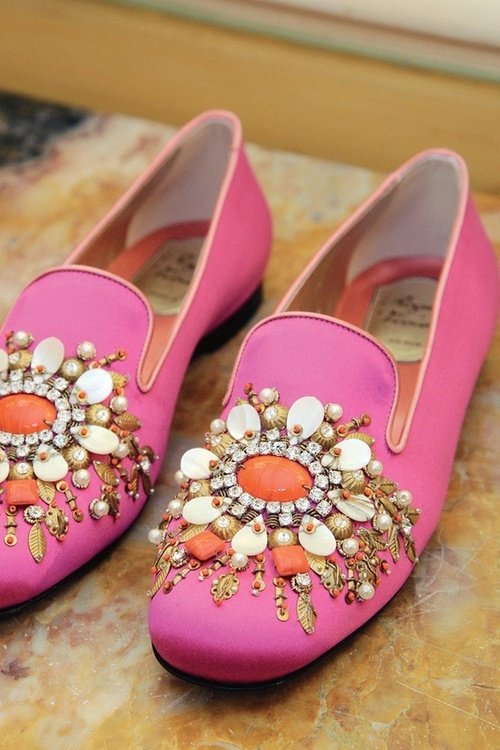
20 DIY Shoe Makeover Ideas: Paint, Glitter, Clips, and More
Twenty shoe upgrades—floral boots, glitter wedges, neon soles, crystal pumps, lace overlays, and novelty heels—with practical steps for each.