
Christmas Cupcake Decoration: Snow Swirls, Fondant, and Festive Toppers
Holiday cupcake inspiration—from piped snow and candy canes to character toppers—plus baking, transport, and dessert-table tips.
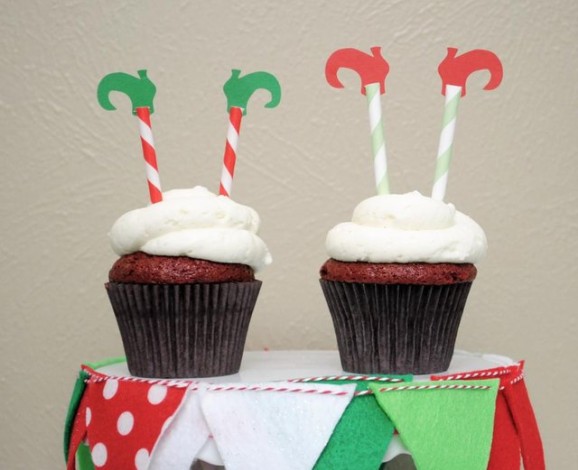
Christmas cupcakes earn their place on the holiday table because they travel well, portion cleanly, and invite decoration in a way a whole cake does not. Guests can choose a snowman, a tree, or a simple swirl of frosting without waiting for a ceremonial cut. The gallery below gathers festive cupcake ideas—piped snow, fondant characters, candy canes, evergreen greens, and playful toppers—as visual references for bakers who want inspiration more than a single rigid recipe.
Before you chase detail, lock the basics. A sturdy cupcake that holds its shape under frosting matters more than an elaborate topper on a dry crumb. Bake a day ahead if needed, cool completely, and store airtight. Frosting that is too soft will slide in a warm kitchen; frosting that is too stiff will crack when you try fine piping. Aim for a medium buttercream or cream cheese frosting that can hold peaks but still spread smoothly. Room temperature ingredients and an even oven make more difference to the finished look than any sprinkle mix.
Plan the batch size against your real schedule. Decorating twenty identical trees takes less time than twenty unique characters. A mixed platter looks abundant when it uses two or three motifs repeated, not fifteen one-offs. Decide early whether these cupcakes are a casual snack for a crowd or the focal dessert for a smaller gathering—that choice drives how much fondant work is worth doing.
Color stories keep a platter coherent. Classic combinations—red and white, green and gold, ivory with silver dragées—photograph cleanly and feel seasonal without needing every cupcake to match. Mixed themes can work if they share one frosting base color. A tray of unrelated neon designs looks more like leftover party stock than a holiday spread. If you dye frosting, mix a master batch of white first, then portion and tint; chasing the same red across three separate bowls rarely succeeds.
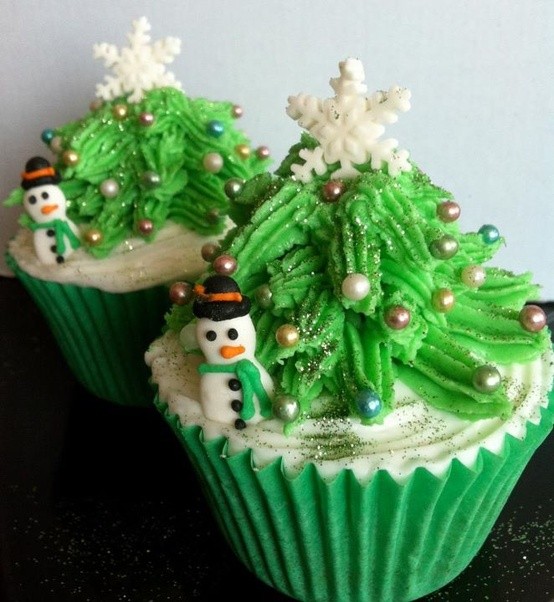
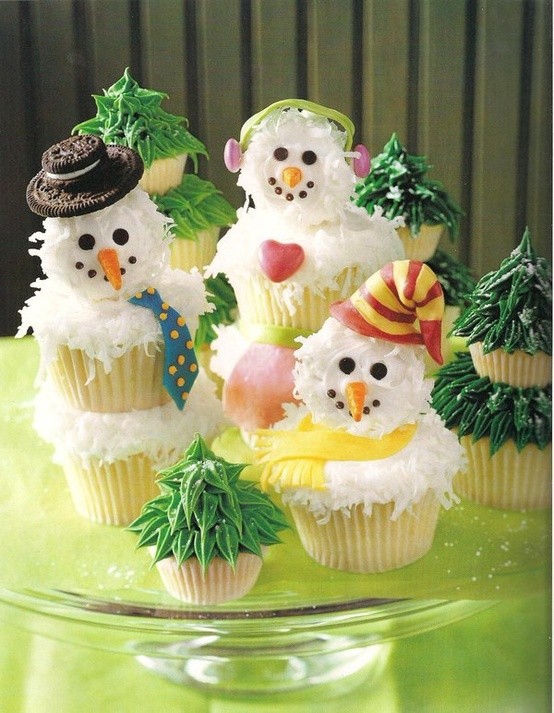
Piped snow and swirl tops are the fastest route to a festive look. A large star tip creates a tall swirl; a smaller tip adds texture that reads as snow. Dust lightly with powdered sugar or white sanding sugar just before serving so moisture does not melt the sparkle. If you need to transport cupcakes, swirl lower and add sparkle at the destination. Practice one dozen on scrap parchment before you commit the party batch—pressure and tip angle improve quickly once your hand remembers the motion.
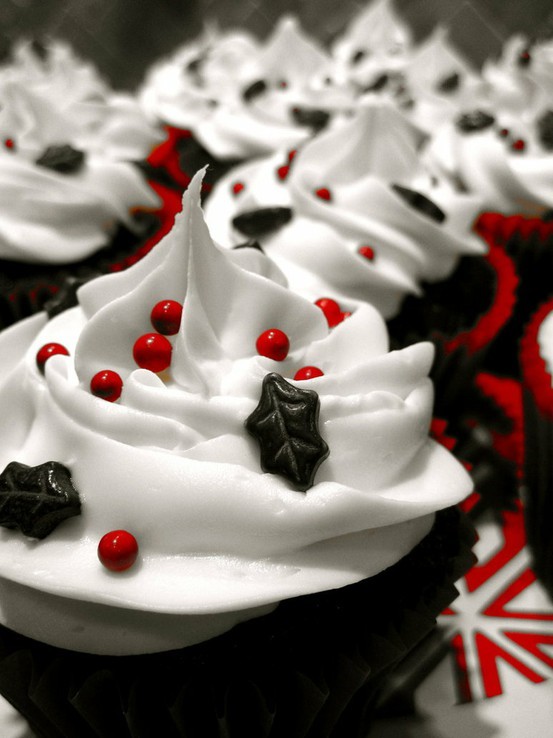
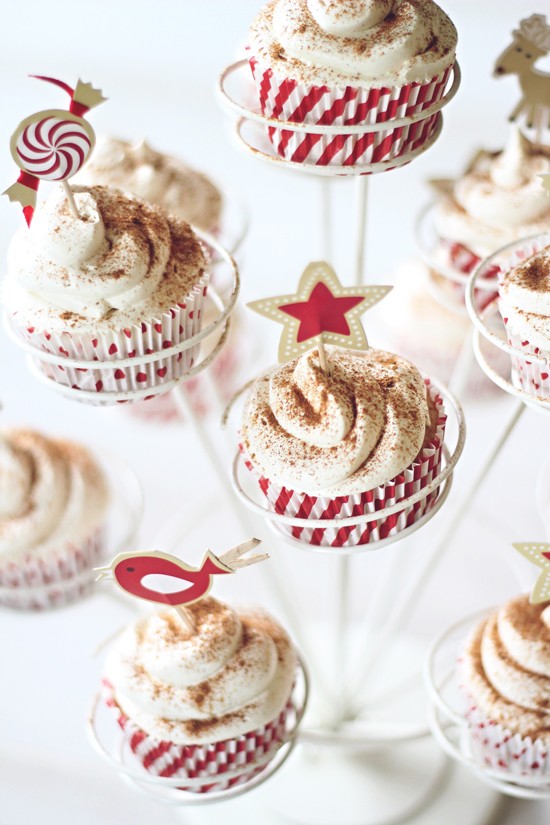
Fondant toppers buy you time. Cut trees, stars, and mittens a day early, let them firm, then set them on freshly frosted cupcakes. Keep toppers thin so they are pleasant to eat, or make them removable ornaments for guests who prefer plain cake. Store fondant pieces airtight away from humidity; kitchen steam softens edges fast. A light dusting of cornstarch on the work surface helps cutting, but brush excess off so toppers do not look chalky in photos.
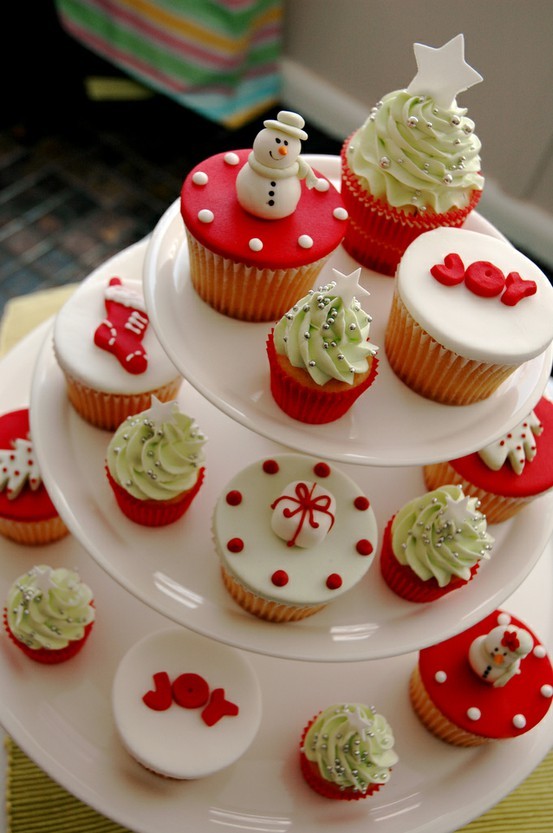
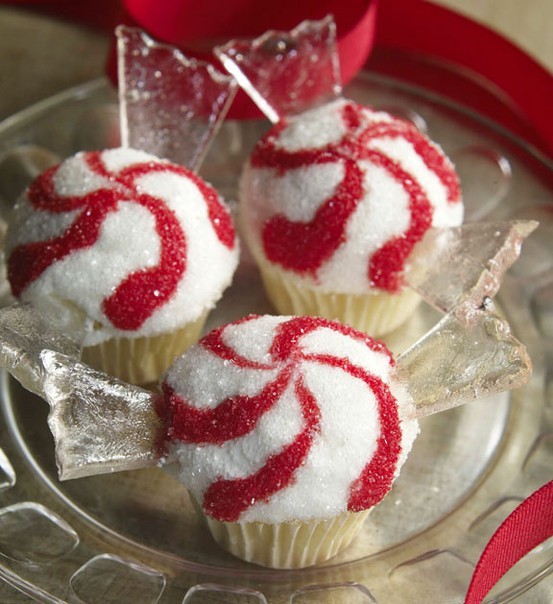
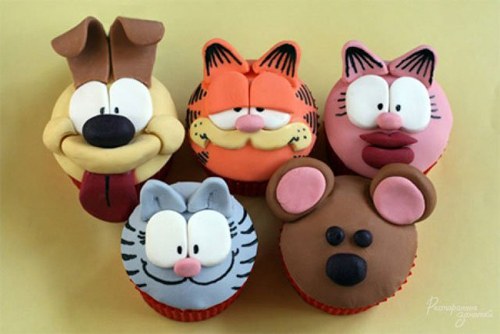
Character cupcakes—snowmen, penguins, Santa faces—delight children and photograph well. They also take longer. Batch the faces: pipe all white bases, then add eyes and scarves in assembly-line order. Use candy pieces for buttons and noses when you can; edible markers and tiny fondant dots work when candy would overwhelm the scale. Accept that handmade faces will vary; uniformity at party scale often looks less charming than a friendly family of near-matches.
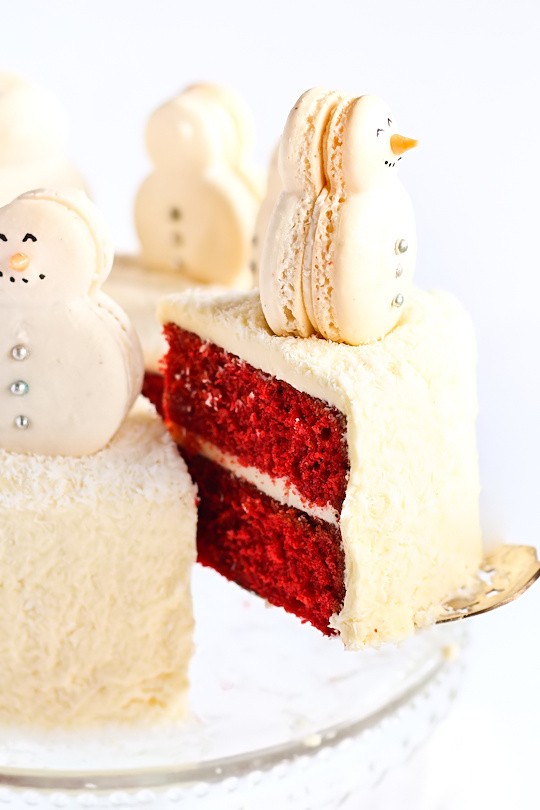
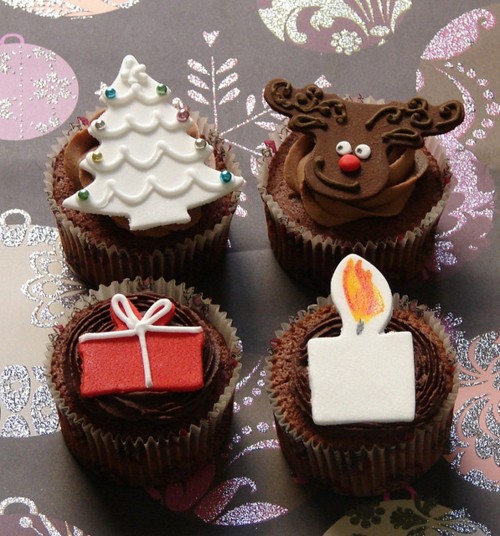
Tall toppers look dramatic but fight lids and boxes. If you need to travel, choose low profiles or pack toppers separately. A cupcake carrier with a high dome helps; a flat box will crush trees and candy canes. For potlucks, a mix of low and tall designs lets you fill the box efficiently while still keeping a few showpieces on top. Cold cars and warm kitchens both stress frosting—give cupcakes a short settle time after transport before you judge the swirl height.
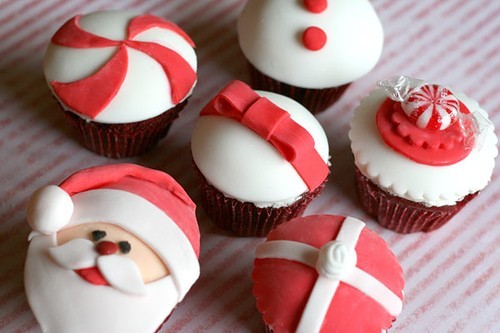
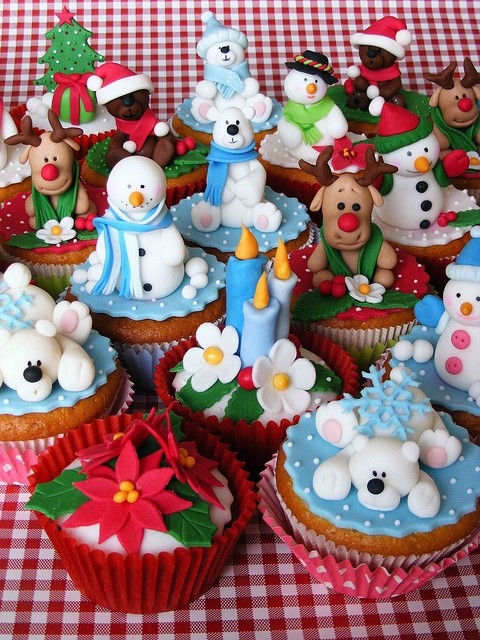
Flavor should match the decoration mood. Gingerbread, chocolate peppermint, vanilla with cranberry filling, and spiced carrot all feel seasonal. Avoid competing strong flavors on one platter unless you label them; guests reaching for a “snowman” may not want surprise chili chocolate. Simple toothpick flags with flavor names keep the table friendly. If you fill cupcakes, keep fillings thick enough that they do not soak the liner and stain the outside of the paper.
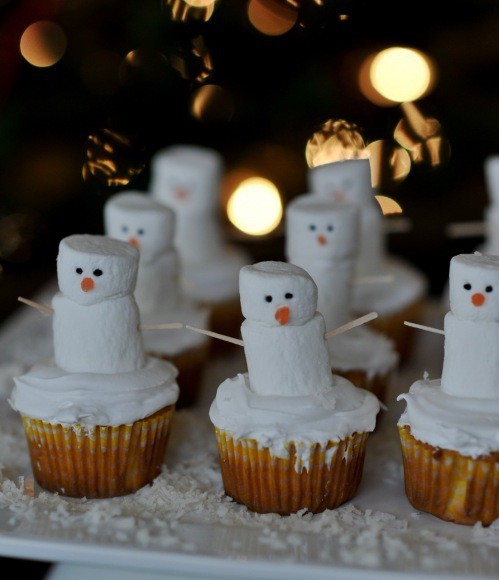
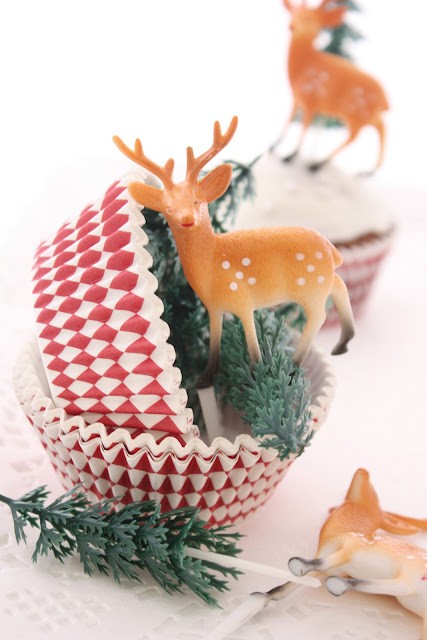
Liners are part of the design. Foil liners, patterned Christmas papers, and kraft wraps change how the same frosting reads. Dark liners make pale frosting pop; busy patterned liners work better with simple swirls. If you plan to peel and eat casually, choose liners that release cleanly so decoration does not tear the cake. Grease the pan lightly even with liners if your batter tends to stick at the rim—ragged edges sabotage neat frosting later.
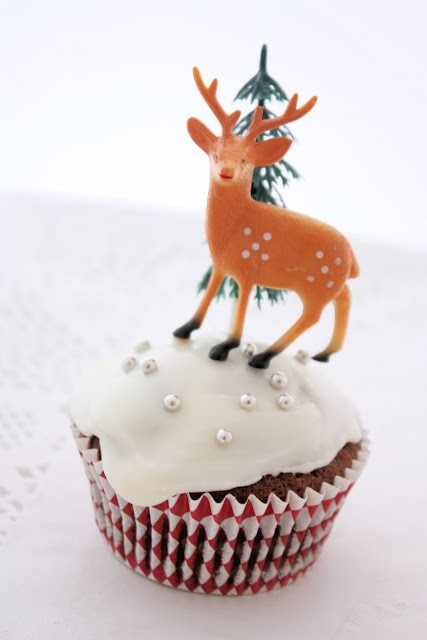
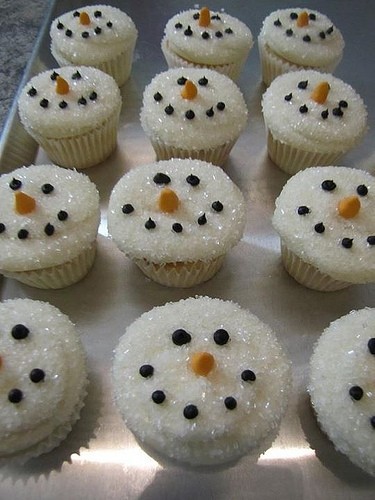
Candy cane shards, crushed peppermint, and mini candy canes are quick toppers, but they soften in moisture. Add them shortly before serving. For longer displays, use hard candy pieces that tolerate air, or white chocolate drizzle that sets firm. Keep peppermint intensity moderate if children are the main audience. Mini cupcakes multiply decorating time; they look precious on a tray but need proportionally smaller tips and toppers so they do not tip over.
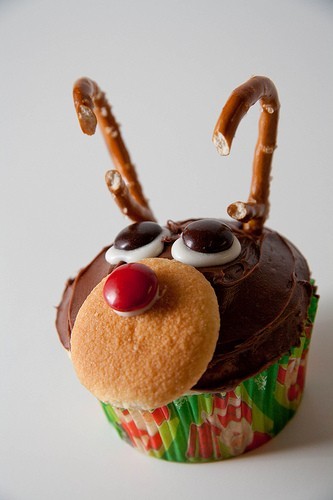
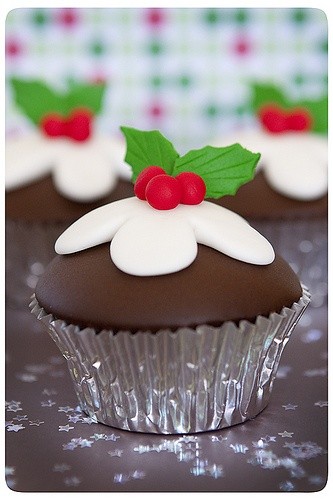
Tree designs can be as simple as a green swirl with a star sprinkle, or as detailed as layered fondant. The simple version scales for a crowd; the detailed version suits a dessert table centerpiece of a dozen. Decide which job the cupcakes have—snack for twenty, or focal dessert for eight—before you commit to intricate piping. A star tip held upright, with steady pressure and a slow lift, makes a credible tree without sculpting skills.
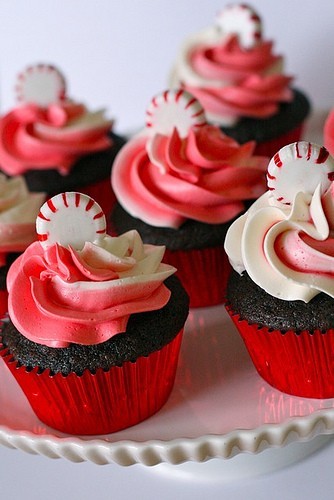
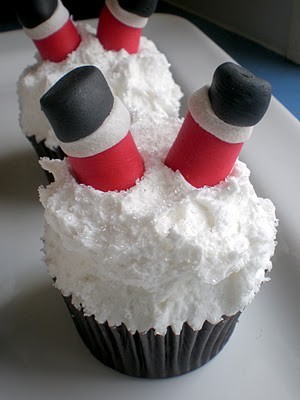
Allergies and preferences deserve a quiet plan. Offer a small batch without nuts if your guest list is mixed. Keep coconut, nut toppings, and strong liqueurs labeled. A few undecorated or lightly frosted cupcakes help guests who dislike fondant or heavy sugar work. Cross-contamination is easy when toppings share bowls—use separate spoons for nut and nut-free trays.
If you are baking with children, assign safe jobs: placing sprinkles, pressing pre-cut fondant stars, choosing liner colors. Adults handle hot pans, sharp tips, and food coloring that stains. A short session with clear roles produces happier cupcakes than a long free-for-all that ends in tears and gray frosting. Photograph the finished tray in daylight near a window if you want reference images for next year; overhead kitchen lights yellow the reds.
For a dessert table, vary height with stands and keep a clear path for serving. Place the most delicate designs toward the back so reaching hands hit sturdy swirls first. Keep a damp cloth nearby for frosting fingerprints on the platter rim—holiday photos forgive many things, but a smeared board is avoidable. Refrigerate cream-cheese frosted cupcakes when the room is warm, then bring them out briefly before serving so flavors open up.
Return to one of the simplest ideas in this collection when time runs short: a clean white swirl, a single red candy, and a light sugar dust. That cupcake still says Christmas. The elaborate characters can wait for a weekend when the kitchen is calm and the playlist is long. Guests remember that the tray looked loved, not that every snowman had matching button spacing.

Comments
Continue reading
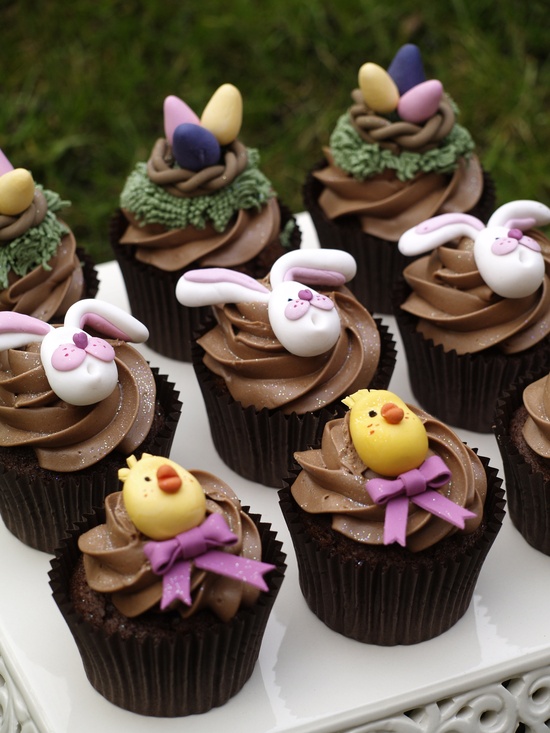
Easter Cupcakes with Spring Pastel Décor
Bunny, chick, and nest cupcakes in soft pastels—spring holiday dessert ideas for an Easter table.

Red Christmas Lingerie as Seasonal Fashion
A tasteful look at red holiday lingerie—lace, satin, and winter silhouettes—as seasonal fashion history and styling reference, not a hard sell.
Creative Cupcake Designs That Are Fun to Bake and Eat
From fondant characters and pixel-game grids to cookie-faced animals, rainbow belts, and watermelon crumb—playful cupcake ideas with practical decorating tips.